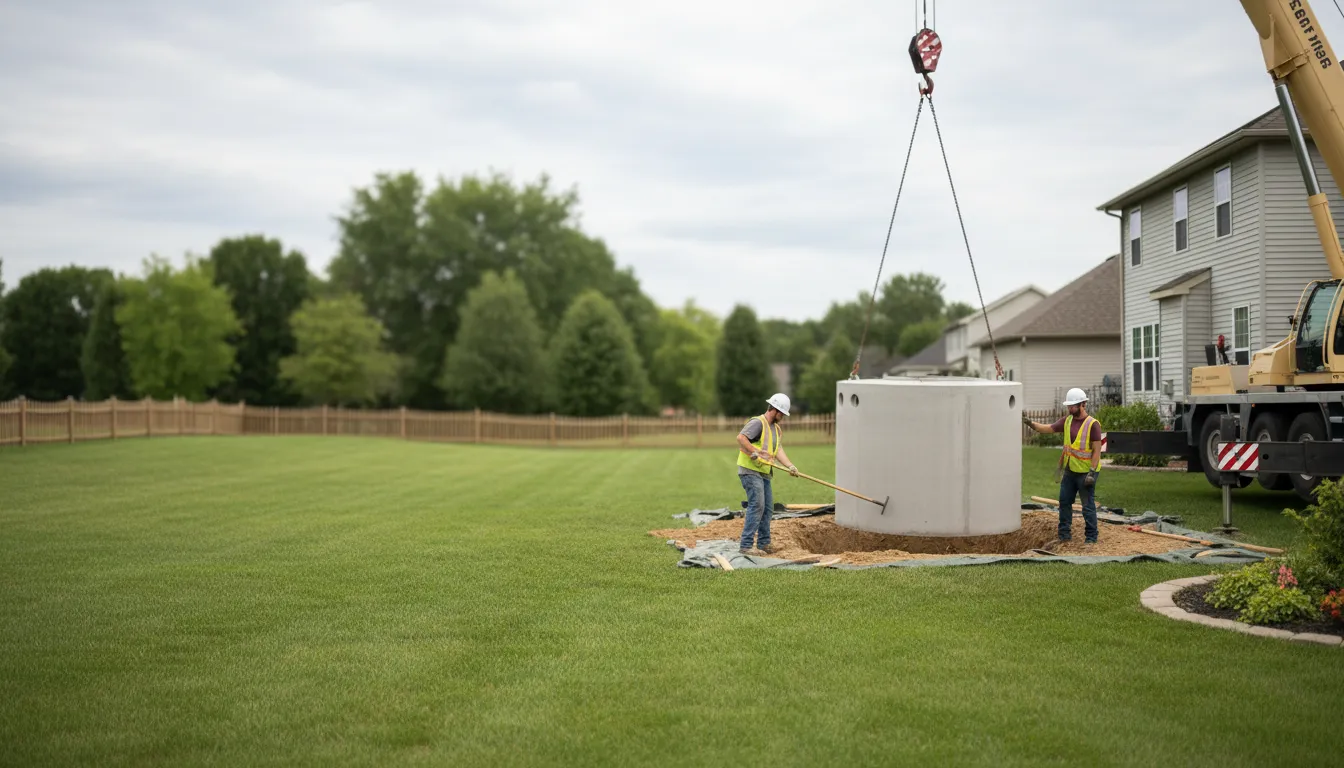
Find the Best Septic Tank Installation & Replacement Contractors for Your Business
No obligation • Fast responses • Nationwide coverage

Why you can trust Septic Spot
Septic Spot is a leading United States resource for understanding and comparing septic services. Our editors review providers using consistent criteria and verify key business details. Listings and scores are independent, and companies cannot pay to influence our content.
Search providers near you
Top Septic Tank Installation & Replacement Contractors in Ventura, California Ranked
Installing or replacing a septic system is a significant home infrastructure project that requires careful planning, professional expertise, and strict adherence to local regulations. For Ventura homeowners, this process is overseen by the Ventura County Resource Management Agency (RMA) Environmental Health Division to protect public health and local groundwater. This guide explains the key steps, requirements, and considerations for septic system work in Ventura, helping you understand what's involved in finding qualified local professionals for your installation or replacement project.
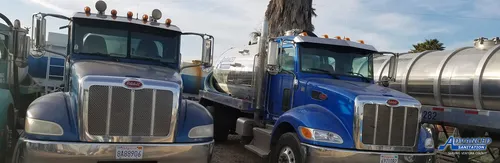
Advanced Sanitation - Septic Tank Pumping, Installation & Repair Ventura County
3379 Somis Rd Unit E, Somis, CA 93066
Advanced Sanitation - Septic Tank Pumping, Installation & Repair Ventura County provides septic system services in Los Angeles, CA, and surrounding areas including Ventura County and nearby cities. They offer septic tank pumping, installation, inspection, and repairs, as well as grease trap maintenance. The company uses modern equipment such as advanced camera technology for system inspections and works with registered geological engineers for septic system design and installation. With over 30 years of experience, Advanced Sanitation serves both residential and commercial clients and offers flexible hours to accommodate business schedules.
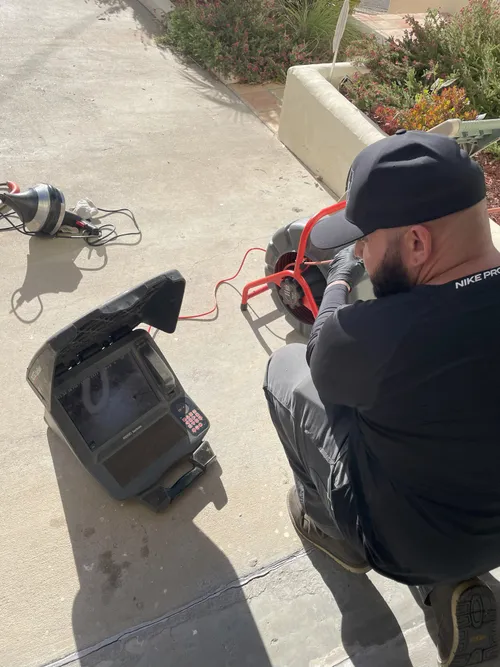
Conejo Bros Plumbing
1386 Del Verde Ct, Thousand Oaks, CA 91320
Conejo Bros Plumbing is a septic tank and plumbing service provider based in Oxnard, CA. They offer a wide range of services including septic tank inspection, pumping, repair, and replacement, as well as sewer mainline inspection and trenchless sewer and drain repair. Their capabilities include advanced trenchless pipe relining techniques that allow for pipe repairs without extensive digging, preserving property landscapes. Serving both residential and commercial clients throughout Ventura County and Conejo Valley, Conejo Bros Plumbing also provides 24/7 support for clearing blockages and other urgent plumbing needs.
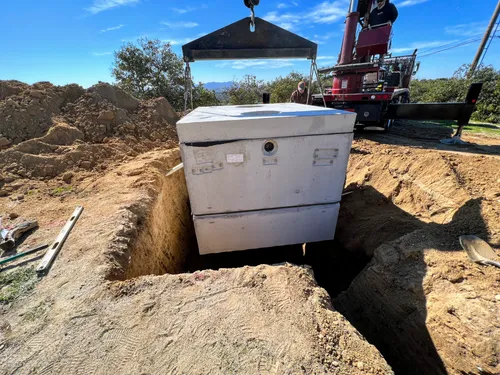
Shiloh Underground Construction and Septic System Services
Oxnard, CA
Shiloh Underground Construction and Septic System Services is based in Oxnard, CA, providing septic system repair, installation, and drain field services. They serve nearby areas including Somis, Moonpark, Santa Paula, Fillmore, and Simi Valley. The company handles emergency septic issues and offers services such as seepage pit drilling, soil engineering reports, and both traffic-rated and non-traffic-rated septic tanks. Shiloh Underground Construction operates 24/7 to assist customers whenever urgent septic needs arise.
JS Innovative Systems, Inc.
1767 Pancho Rd, Camarillo, CA 93012
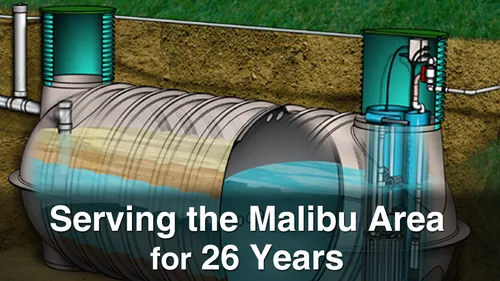
JS Innovative Systems, Inc. is a septic system repair and installation company based near Oxnard, CA. They serve Malibu and the surrounding areas, offering services for both residential and commercial wastewater treatment and septic systems. Their capabilities include maintenance, repairs, sewer line services, utility locating, video inspection of lines, jetting and cleaning of drain lines, as well as stormwater retention and detention systems. The company has been in business for 26 years.
Understanding Ventura County's Regulatory Framework
All new septic system installations, major repairs, and replacements in Ventura County require permits and must comply with standards set by the Environmental Health Division. The approval body for these projects is the Ventura County Resource Management Agency (RMA) Environmental Health Division. This regulatory oversight ensures that onsite wastewater treatment systems (OWTS) are designed and built to function properly without contaminating soil or water sources.
The types of projects covered include new system installations for construction, complete system replacements for failing systems, significant repairs, and certifications for existing systems. A critical county rule states that if a public sewer is available within one-half mile of a property with a failing system, connection to that public sewer may be mandatory instead of allowing a septic system replacement 1. This makes an initial feasibility check with the county a vital first step before investing in plans.
The Permitting Process: A Step-by-Step Overview
Navigating the permit process is the cornerstone of any legal septic system project. The timeline for permit review by the Environmental Health Division is approximately 20 business days. The process typically involves several key stages:
- Application and Feasibility Report: Submission of a complete application package, which for new construction must include a feasibility report (also known as a soils report).
- Design Review: County staff review the system design plans prepared by a qualified professional to ensure they meet all technical standards.
- Permit to Construct: Once plans are approved, a permit to construct is issued.
- Inspections: Mandatory inspections are conducted at critical phases during construction.
Failure to obtain proper permits can result in fines, orders to cease work, and difficulties when selling your property. All work must be performed by a licensed contractor, and the system design must be stamped by a qualified professional.
The Critical Role of Soil Testing and Site Evaluation
A professional soil evaluation is not just a formality-it is the scientific foundation that determines what type of septic system your property can support. In Ventura County, a soils report (feasibility report) is required for new construction and is often necessary for replacements. This report must be performed by a California-registered Civil Engineer, Geologist, or Environmental Health Specialist.
The core of this evaluation is a percolation (perc) test, which determines the soil's ability to absorb and filter wastewater by measuring its seepage rate 2 3. An initial site and soil inspection evaluates soil profiles to check for limiting conditions like high groundwater, bedrock, or impermeable clay layers 4 5. The results of these tests directly dictate whether a conventional gravity system is possible or if a more complex (and costly) alternative system is required.
Types of Septic Systems Used in Ventura
The soil conditions on your property will determine which of two main categories of systems is suitable.
- Conventional Systems: These are the most common type where soil conditions allow. They are gravity-fed, consisting of a septic tank and a network of subsurface leach lines or seepage pits. They rely on naturally suitable soil for final treatment and dispersal of the effluent (liquid wastewater) 6.
- Alternative Systems: Also known as engineered systems, these are required when soil percolation is too slow, the groundwater table is too high, or the lot size is restrictive. Common types in Ventura County include mound systems (where a sand mound is constructed above ground) or subsurface sand filters. These systems provide advanced treatment before effluent reaches the native soil 7 8.
Find the perfect septic tank installation & replacement contractors for your needs
Get personalized recommendations and expert advice
The Inspection Process: Ensuring Proper Installation
Ventura County mandates strict inspections at key construction milestones to verify the installation matches the approved plans and meets code. These inspections are non-negotiable for final approval.
- Initial/Soil Inspection: This happens before final design, where the inspector may evaluate the soil profiles from test pits to confirm the design assumptions 9.
- Construction Inspection: This is the most critical field inspection. It occurs after the tank, piping, and distribution boxes are set, and the leach field trenches or seepage pits are dug and filled with gravel, but before any backfilling occurs. The inspector verifies materials, dimensions, slopes, and overall integrity.
- Final Inspection: A complete walkthrough of the finished system, including checking the tank baffles, verifying the cover is secure, and ensuring the ground over the leach field is properly graded.
Passing these inspections is essential for obtaining a final approval and the permit to operate the system.
Cost Considerations for Installation and Replacement
Understanding the potential costs helps in budgeting for this major investment. Costs are broken down into two main categories: permits and the system itself.
- Permit Fees: Paid to Ventura County, these fees vary based on the project's complexity and can range from several hundred to a few thousand dollars.
- System Costs: This is the larger expense, covering design, excavation, materials, and labor. For a standard conventional system in Ventura, homeowners can generally expect starting costs in the range of $10,000 to $20,000 10. However, if poor soil or a high water table necessitates an alternative system like a mound system, costs can easily exceed $50,000 due to the need for specialized materials, pumps, and more complex construction 10.
These figures are estimates; obtaining quotes from several licensed local septic contractors is crucial for an accurate budget.
Choosing a Qualified Septic Professional in Ventura
Given the technical and regulatory complexity, selecting the right team is paramount. Look for a contractor who is not only licensed for septic work but is also familiar with Ventura County's specific procedures and inspectors. The best projects involve a collaboration between a qualified site designer (a civil engineer or geologist) who prepares the soils report and design, and an experienced excavation and installation contractor who executes the plan.
A reputable professional will handle the permit application process on your behalf, schedule the required inspections, and ensure every phase of the installation meets code. They should provide clear contracts, detailed cost breakdowns, and proof of insurance.
Long-Term Responsibilities of a Homeowner
Once your new septic system is installed and approved, the responsibility for its care shifts to you, the homeowner. Proper maintenance is required by law and is essential for protecting your investment and public health. This includes having the septic tank pumped regularly by a licensed pumper (typically every 3-5 years, depending on usage), conserving water to avoid overloading the system, and avoiding flushing harmful chemicals or non-biodegradable materials. The county may require evidence of proper maintenance during property transfers.
Frequently asked questions
Sources
Footnotes
-
Septic Systems / Wastewater Disposal - https://rma.venturacounty.gov/divisions/environmental-health/septic-systems-wastewater-disposal/ ↩
-
environmental-health-soils-report-requirements ... - Ventura County - https://rmadocs.venturacounty.gov/environmental-health/programs/land-use/publications/environmental-health-soils-report-requirements-land-use-projects.pdf ↩
-
How to Know if You Need a Septic System Permit - Pippin Home Designs - https://www.pippinhomedesigns.com/septic-system-permit/ ↩
-
ON-SITE WASTEWATER TREATMENT SYSTEM (OWTS) ... - https://rma.venturacounty.gov/wp-content/uploads/2024/02/onsite-wastewater-treatment-system-construction-inspection-procedures.pdf ↩
-
State of California - https://www.waterboards.ca.gov/sandiego/board_info/agendas/2015/Apr/item8/Item_8_Supp_Doc_2-State_Water_Board_OWTS_Policy.pdf ↩
-
Septic System Complete Install | Simply Explained Start to Finish ... - https://www.youtube.com/watch?v=3qavmnvXInU ↩
-
New Onsite Wastewater Treatment Systems Design - https://rma.venturacounty.gov/divisions/environmental-health/new-onsite-wastewater-treatment-systems-design/ ↩
-
Onsite Wastewater Treatment System FAQ's - https://rma.venturacounty.gov/divisions/environmental-health/onsite-wastewater-treatment-system-faqs/ ↩
-
California Septic Tank Requirements | Onsite Wastewater ... - https://www.ntotank.com/blog/california-septic-tank-requirements ↩
-
Environmental Health Division - One-Stop Permitting - https://www.onestoppermits.vcrma.org/departments/environmental-health ↩ ↩2