Find the Best Septic Tank Installation & Replacement Contractors for Your Business
No obligation • Fast responses • Nationwide coverage

Why you can trust Septic Spot
Septic Spot is a leading United States resource for understanding and comparing septic services. Our editors review providers using consistent criteria and verify key business details. Listings and scores are independent, and companies cannot pay to influence our content.
Search providers near you
Top Septic Tank Installation & Replacement Contractors in Watsonville, California Ranked
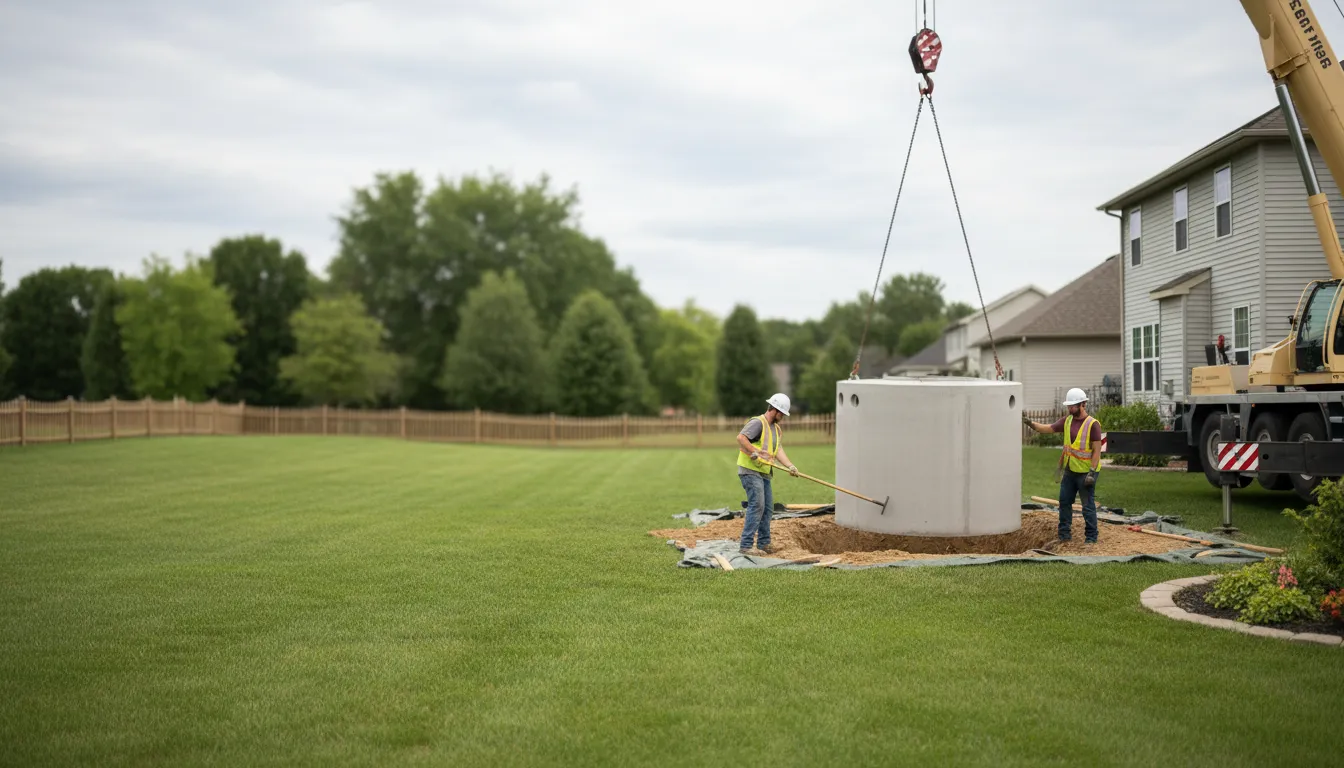
Installing or replacing a septic system is a significant investment in your property's long-term health and value. In Watsonville, this process is governed by specific local and state regulations designed to protect the region's groundwater and environmental quality. Whether you're building a new home or upgrading an aging system, understanding the steps, requirements, and local expertise available is crucial. This guide outlines the key considerations for septic system installation and replacement, helping you navigate the process with confidence and connect with qualified local professionals.
Wade's Plumbing & Septic
San Jose, CA
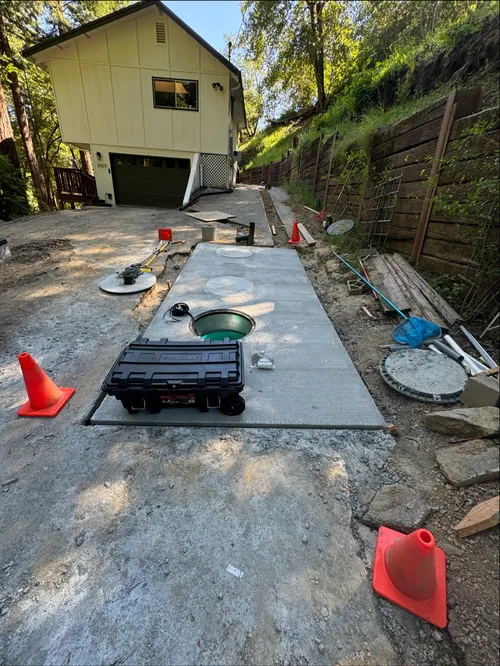
Wade's Plumbing & Septic is a family-owned company serving San Jose, CA, and licensed in California and Georgia. They specialize in septic tank pumping, inspection, repair, and installation, with a focus on enhanced treatment systems designed for challenging sites such as steep slopes, limited space, and environmentally sensitive areas. Their services include plumbing repairs and preventative maintenance, delivered by licensed professionals since 2021. Wade's offers upfront flat-rate pricing and emphasizes honest recommendations without upselling. They operate during regular business hours on weekdays.
The Honey Bucket Man
6116 CA-9 # D, Felton, CA 95018
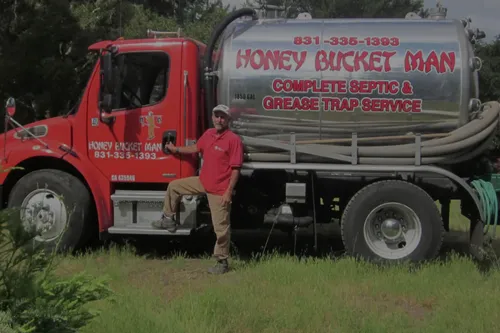
The Honey Bucket Man is a septic service provider located in San Jose, CA. They offer septic system cleaning, minor repairs, tank locating and uncovering, real estate inspections, and installation of new lids. Their services cover a range of septic system needs, including troubleshooting common problems to maintain system function.
Morton Septic Service Inc
905 Lena Ave, Gilroy, CA 95020
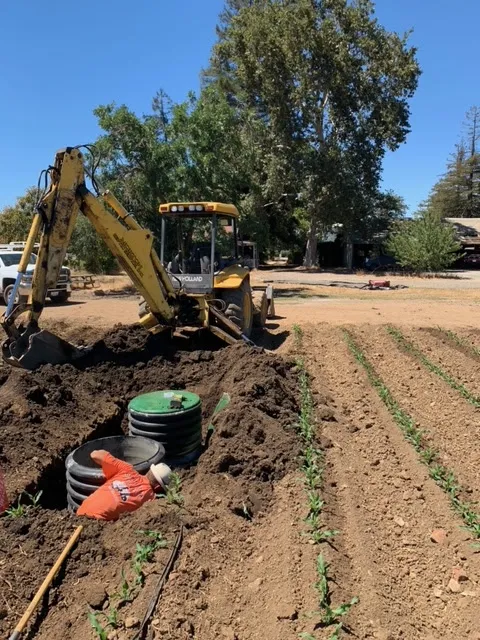
Morton Septic Service Inc is a septic system repair and installation company serving San Jose, CA, and nearby areas including South San Jose, San Martin, Gilroy, and Morgan Hill. The company offers a variety of septic services such as repairs and installations. With over 49 years of experience, Morton Septic Service Inc has developed extensive expertise in handling septic systems.
Understanding Watsonville's Septic System Requirements
In Watsonville and the surrounding Santa Cruz County, a septic system installation or major replacement is not a simple DIY project. It is a permitted activity strictly regulated by the Santa Cruz County Environmental Health Department. A permit is required when a public sanitary sewer is not available within 300 feet of your property line. The core purpose of these regulations is to ensure that wastewater is treated safely without contaminating soil or groundwater, which is especially important in California's coastal regions.
Key local regulations include the requirement for dual leach fields on all new disposal systems. This design allows for alternating between fields, giving one section a "rest" period to recover and extend the overall life of the system1 2. Furthermore, the system must be designed with specific site constraints in mind, including maintaining at least 3 feet of suitable soil beneath the disposal trenches and a minimum 5-foot separation from the seasonal high groundwater table1. Properties with slopes exceeding 20% may require a special geotechnical report3.
The Critical First Step: Site Evaluation and Soil Testing
Before any system design can be approved, your property must pass a thorough site evaluation. This assessment determines the soil's suitability and identifies potential issues like a high water table. The most crucial component of this evaluation is the soil percolation test, commonly called a "perc test."
A perc test measures the soil's absorption rate, which must fall within a range of 1 to 12 inches per hour for a standard system to be viable 4. A qualified professional will dig test pits or "deep holes" and measure how quickly water drains from them. In Watsonville's climate, these tests are often conducted during the rainy season to simulate worst-case, saturated conditions 5. The results directly determine the size and design of the necessary leach field. The cost for this essential test typically ranges from $300 to $1,000, depending on your specific soil and site conditions 5.
Navigating the Permit and Design Process
Once a suitable site is confirmed, the formal permitting process begins. This involves submitting detailed design plans for county review and approval.
- Design & Plan Submission: A licensed designer or engineer creates system plans based on the perc test results, property layout, and local code requirements. These plans are submitted to the Santa Cruz County Environmental Health Department for review.
- Plan Review & Permit Issuance: The county reviews the plans to ensure compliance with all regulations, including setbacks from wells, property lines, and structures. Upon approval, a permit is issued.
- Installation Inspection: The installation must be performed by a licensed contractor. Crucially, a final inspection by the Environmental Health Department is required before the system is covered. This ensures the installation matches the approved plans and complies with the permit6 7.
Find the perfect septic tank installation & replacement contractors for your needs
Get personalized recommendations and expert advice
Cost Factors for Installation and Replacement
The cost of a new septic system or a full replacement in Watsonville is highly variable. While basic installations may start around $3,000, complex systems on challenging sites can easily exceed $10,0008. Several key factors influence the final price:
- System Complexity: A standard gravity-fed system is the most economical. Properties with poor soil, high groundwater, or steep slopes may require advanced systems like mound systems, drip irrigation, or aerobic treatment units (ATUs), which significantly increase costs.
- Tank and Field Size: The size of the septic tank and the expanse of the leach field are determined by the home's bedroom count and soil absorption rate. Larger components cost more.
- Site Conditions: Difficult access, rocky soil, or the need for extensive excavation or grading adds to labor and equipment expenses.
- Professional Fees: Remember to budget for separate costs like the perc test ($300-$1,000), engineering/design fees, and the county permit fees9 10.
A full drain field and tank replacement often falls on the higher end of the cost spectrum, as it involves complete excavation and disposal of the old system components in addition to installing the new one.
Choosing the Right System for Your Property
Not all septic systems are created equal. The right choice for your Watsonville property depends entirely on the results of your site evaluation.
- Conventional Gravity System: The most common type, used when soil conditions are favorable. Wastewater flows by gravity from the tank to a network of pipes in a trench or bed.
- Pressure-Dosed System: Uses a pump to distribute effluent more evenly across the leach field, ideal for sites with variable topography.
- Advanced Treatment Systems: For sites with severe limitations (e.g., shallow soil, high groundwater). These systems treat wastewater to a higher standard before dispersal, allowing for use in areas where conventional systems fail. Examples include ATUs and sand filter systems.
Your licensed installer will recommend the system type that meets both your property's constraints and county regulations.
Maintaining Your New Septic Investment
A properly installed system is just the beginning. Protecting your investment requires regular maintenance. This includes pumping the septic tank every 3-5 years (depending on usage), conserving water to avoid overloading the system, and avoiding flushing harmful chemicals or non-biodegradable materials. Proper maintenance prevents premature failure of the leach field-the most expensive component to replace-and ensures your system operates effectively for decades.
The Importance of Local Expertise
Given the specific regulations of Santa Cruz County and the variable conditions in the Watsonville area, working with local professionals is invaluable. A local septic installer will have established relationships with the Environmental Health Department, understand the common soil types in the Pajaro Valley, and have experience navigating the unique permitting process. They can efficiently guide you from the initial perc test through to the final inspection, helping avoid costly delays or design errors.
Disclaimer: Septic regulations are complex and subject to change. The information provided here is a general guide. Always consult directly with the Santa Cruz County Environmental Health Department or a licensed local contractor for advice specific to your property and project.
Frequently asked questions
Sources
Footnotes
-
The Californian's Guide To Septic Tanks - https://cacciaplumbing.com/blog/california-septic-tank-guide/ ↩ ↩2
-
res_79-5.pdf - California State Water Resources Control Board - https://www.waterboards.ca.gov/rwqcb2/water_issues/programs/planningtmdls/basinplan/web/res/res_79-5.pdf ↩
-
Santa Clara County Onsite Systems Manual - California Water Boards - https://www.waterboards.ca.gov/sanfranciscobay/board_info/agendas/2016/January/SantaClaraOWTS/SCC_OWTS_B_Onsite_Systems_Manual.pdf ↩
-
Perc Test for Septic System: A Complete Guide - https://landperc.com/perc-test-for-septic-system/ ↩
-
Perc Testing and Soil Testing - What You Need to Know - https://buildingadvisor.com/buying-land/septic-systems/soil-and-perc-testing/ ↩ ↩2
-
Understanding the Permitting Process for Septic Tanks in ... - https://www.youtube.com/watch?v=ZieDCTW0Kbg ↩
-
The Ultimate Guide to Septic System Installation Process - https://septic911.com/septic-system-installation-process/ ↩
-
Septic Tank Replacement and Drain Field Cost in California - https://www.lanikseptic.com/how-much-does-it-cost-to-replace-a-septic-tank-and-drain-field-in-california/ ↩
-
Septic System Approval: Percolation Test & Expert Guidance - https://smartsepticpros.com/blog/how-to-do-a-percolation-test/ ↩
-
Septic System Install Timeline | RCI Septic Service - https://www.rciseptic.com/complete-step-by-step-timeline-septic-system-installation-from-permit-to-finish ↩