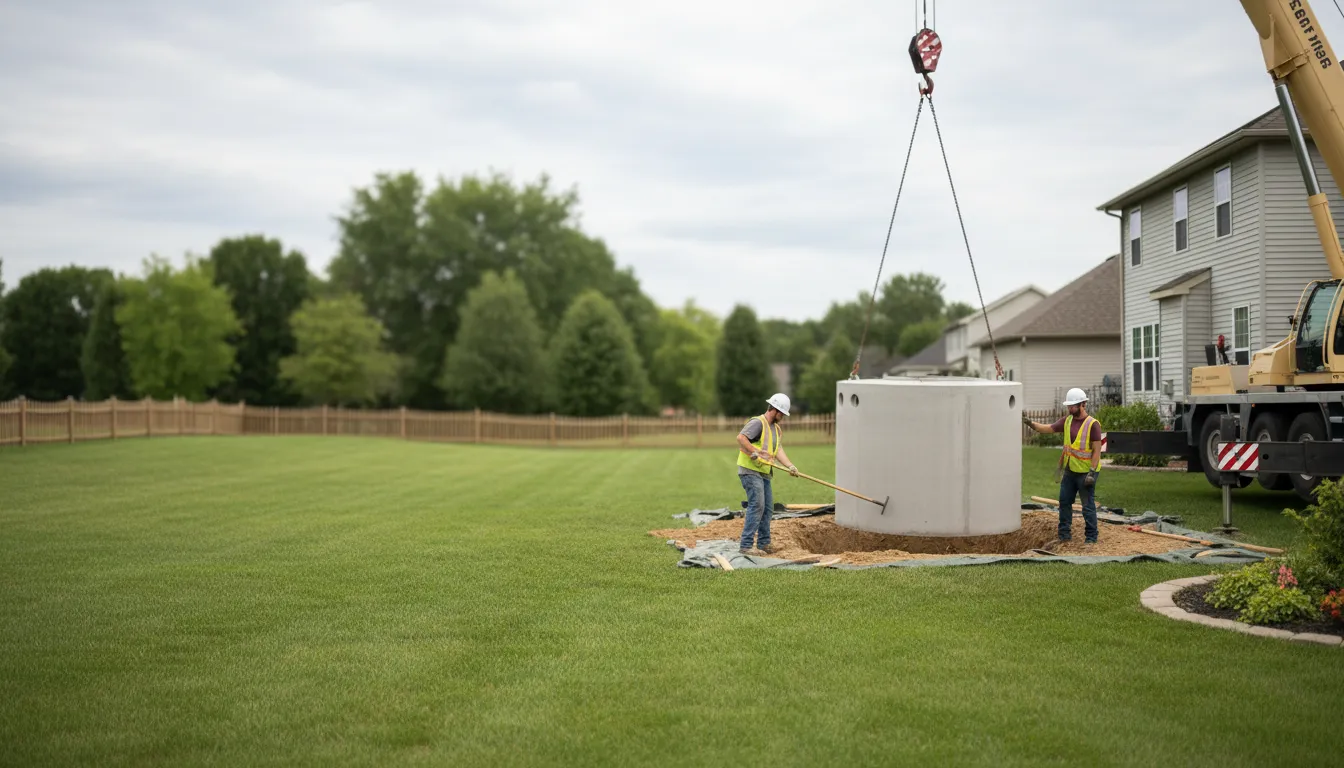
Find the Best Septic Tank Installation & Replacement Contractors for Your Business
No obligation • Fast responses • Nationwide coverage

Why you can trust Septic Spot
Septic Spot is a leading United States resource for understanding and comparing septic services. Our editors review providers using consistent criteria and verify key business details. Listings and scores are independent, and companies cannot pay to influence our content.
Search providers near you
Top Septic Tank Installation & Replacement Contractors in West Sacramento, California Ranked
Installing or replacing a septic system is a significant investment in your property's long-term functionality and environmental health. In West Sacramento, this process is governed by specific local and county regulations to ensure systems are safe, effective, and protect groundwater. This guide explains the key steps, requirements, and considerations for septic system installation and replacement, helping you understand how to navigate the process with local professionals.
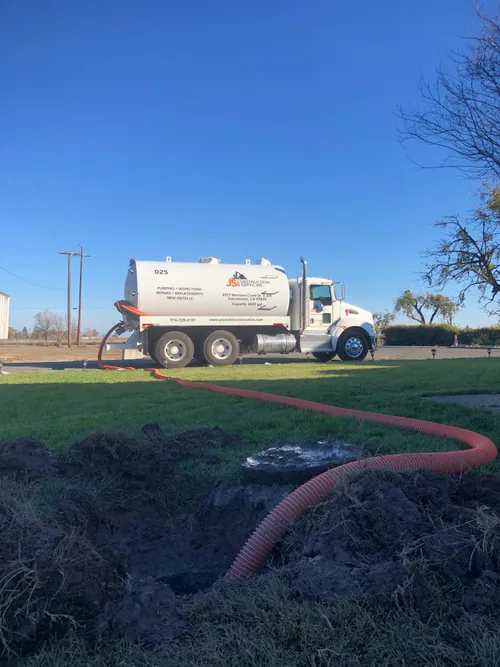
JS Construction & Septic, Inc.
8577 Morrison Creek Dr #200, Sacramento, CA 95828
JS Construction & Septic, Inc. is a family-owned company based in Sacramento, CA, offering full-service septic solutions for residential and commercial properties. Since 2008, they have provided septic system design, installation, repairs, and pumping, as well as specialized drilling services to support septic systems, foundations, and utilities. Their team works closely with local health departments to ensure compliance with regulations and uses modern equipment and quality materials to handle even challenging sites with precision. Serving Elk Grove and surrounding communities throughout Sacramento and San Joaquin County, they provide local expertise and comprehensive septic and drilling services.
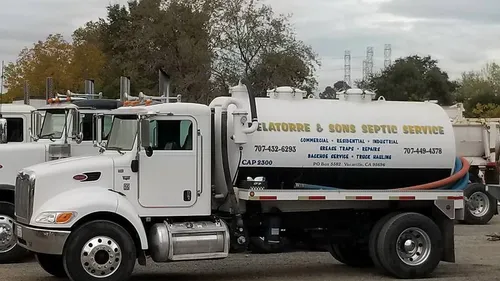
Delatorre Septic and Trucking LLC
7000 Leisure Town Rd, Vacaville, CA 95688
Delatorre Septic and Trucking LLC is a family-owned business providing septic system services in Fairfield, CA, and surrounding areas including Napa, Yolo, and Solano Counties. They offer septic tank pumping, inspection, repair, and installation for both residential and commercial customers. Established in 1992 initially as a trucking company, they have expanded to specialize in septic services and provide 24/7 emergency support. Their trucks can hold up to 2,600 gallons, enabling efficient waste removal for septic systems.
Understanding the Permit Process
Before any construction begins on a new or replacement septic system in West Sacramento, you must obtain the proper permits. The permitting authority is typically the Yolo County Environmental Health (YCEH) division, though the City of West Sacramento also has ordinances governing private sewage systems 1. A written permit from the city manager and health department is required before construction 1.
The permit process is designed to evaluate your property's suitability for an Onsite Wastewater Treatment System (OWTS). It involves several critical steps:
- Site Assessment: A professional will identify soil types, property boundaries, and potential constraints.
- System Design: You must hire a qualified consultant to design the system according to your property's specific conditions and current code.
- Application Submission: The completed design plans are submitted to Yolo County Environmental Health for review and approval 2.
For septic system replacement, it's crucial to note that the new installation must meet today's codes, which are often more stringent than when the original system was installed 3. You cannot simply install a replica of the old system.
The Critical Role of Soil Testing
A cornerstone of the septic design process is the soil percolation test. This test determines the rate at which water drains through your soil, which directly dictates the size and type of drain field (or leach field) needed 4.
- Purpose: The percolation rate is vital for calculating the absorption area required to safely handle your household's wastewater 5.
- Requirements: In Yolo County, these tests must be performed by qualified professionals, and the results must be submitted and approved by the county as part of your permit application.
- Test Holes: Professionals will dig test holes to measure the percolation rate and to check for seasonally high groundwater, which can severely limit system options 6 7.
The results of this septic soil test are non-negotiable; they form the engineering basis for your entire system design.
Key Inspections During Installation
Yolo County Environmental Health mandates a series of inspections to ensure the septic tank installation complies with the approved plans. These are critical milestones that your contractor will schedule 8:
- Pre-construction Inspection: An initial site review with the YCEH inspector and your contractor.
- Water Tightness Test: Before the septic tank and any pump tanks are buried, they are inspected and tested to ensure they are watertight.
- System Layout Inspection: The inspector verifies the placement and construction of the distribution system and leach field.
- Hydraulic ("Squirt") Test: This test confirms that the distribution system is functioning correctly and dispersing effluent evenly across the drain field.
- Final Inspection: A comprehensive check of all components ensures everything is installed per the approved plans before the system is approved for use.
Failing to call for these required inspections can result in failed systems, environmental damage, and costly corrections.
Cost Factors for Septic Systems
The cost of a complete septic system installation or replacement in California varies widely based on many factors. For a standard conventional system, total costs can range from $3,000 to well over $10,000 9 10. The price for the septic tank itself-a standard 1,000-gallon concrete tank-generally falls between $500 and $2,500 for the unit 10 11.
Several key elements influence the final price:
- Soil Conditions: Poor-draining soil requires a much larger, more complex drain field, increasing cost significantly 12.
- System Size and Type: A larger home needs a larger tank and drain field. Alternative systems (like mound or aerobic systems) for challenging sites cost more than conventional systems.
- Site Engineering & Testing: The cost for professional design, soil percolation tests, and permit fees are substantial upfront expenses 13.
- Excavation and Labor: Difficult site access, rocky soil, or the need for extensive grading can raise labor costs.
Find the perfect septic tank installation & replacement contractors for your needs
Get personalized recommendations and expert advice
Choosing the Right System for Your Property
Not all septic systems are created equal. The type of system your property can support is primarily determined by the soil percolation test and groundwater findings.
- Conventional Systems: These are the most common and least expensive, suitable for properties with well-draining soil and adequate depth to groundwater.
- Chamber Systems: These use plastic chambers in the drain field instead of gravel and can be a good option in areas where gravel is expensive.
- Alternative Treatment Systems: For properties with poor soil, high groundwater, or small lots, engineered alternatives like aerobic treatment units (ATUs), mound systems, or drip irrigation systems may be necessary. These involve more mechanical parts and require more maintenance.
Your septic design professional will recommend the most appropriate and cost-effective system that meets Yolo County code for your specific site.
Planning Your Project Timeline
A full septic system installation from start to finish is not an overnight project. Understanding the timeline helps set realistic expectations.
- Planning and Permitting (2-8 weeks): This phase includes initial consultation, soil testing, system design, and county review and approval of the permit. This can be the longest part of the process.
- Excavation and Installation (1-2 weeks): Once the permit is in hand, the contractor can schedule equipment and begin excavation, tank placement, and drain field construction.
- Inspections and Backfill (1 week): The various county inspections are interspersed throughout the installation week. The system cannot be covered until it passes the required tests.
- Final Approval and Landscaping: After the final inspection passes, you receive approval to use the system. You can then begin careful landscaping over the drain field, avoiding deep-rooted plants or trees.
Maintaining Your New Septic Investment
After the significant investment of a new septic tank installation, proper maintenance is key to ensuring it lasts for decades. While the county does not oversee routine maintenance, following best practices is essential:
- Regular Pumping: Have the tank pumped every 3-5 years by a licensed professional.
- Water Conservation: Spread out water use and fix leaks to avoid overloading the drain field.
- Mind What You Flush: Only human waste and toilet paper should go down the drain. Avoid chemicals, grease, wipes, and other solids.
- Protect the Drain Field: Never drive or park over it, and keep trees and shrubs at a safe distance.
A well-maintained system protects your property value and the local environment.
Frequently asked questions
Sources
Footnotes
-
Article III: Private Sewers - City of West Sacramento, CA - https://ecode360.com/43203454 ↩ ↩2
-
OWTS/Septic System Evaluations - https://www.yolocounty.gov/government/general-government-departments/community-services/environmental-health-division/land-use-programs/onsite-wastewater-treatment-system-program/evaluations-of-owts-septic-systems ↩
-
California Septic Tank Requirements | Onsite Wastewater ... - https://www.ntotank.com/blog/california-septic-tank-requirements ↩
-
Riverside County LAMP - https://www.waterboards.ca.gov/coloradoriver/board_decisions/adopted_orders/docs/riverside-lamp-draft-11-16-2022.pdf ↩
-
Your percolation rate is important in determining the rate at which water passes through your soil. It's important in farming, gardening, civil engineering, initial septic system design, and leach field construction. | James River Soil and Water Conservation District - https://www.facebook.com/JamesRiverSoilandWater/videos/percolation-testing/620004788732981/ ↩
-
Septic System Cost Guide: Prices, Factors & Savings - https://landperc.com/septic-system-cost-estimate/ ↩
-
Septic System Install Timeline - https://www.rciseptic.com/complete-step-by-step-timeline-septic-system-installation-from-permit-to-finish ↩
-
Required Inspections during Installation of OWTS - Yolo County - https://www.yolocounty.gov/government/general-government-departments/community-services/environmental-health-division/land-use-programs/onsite-wastewater-treatment-system-program/owts-septic-systems-inspections ↩
-
Septic Tank Replacement and Drain Field Cost in California - https://www.lanikseptic.com/how-much-does-it-cost-to-replace-a-septic-tank-and-drain-field-in-california/ ↩
-
Residential Septic Tank Pricing | Homeowner's Guide to Costs - https://www.ntotank.com/blog/residential-septic-tank-pricing ↩ ↩2
-
How Much Does a Septic Tank Cost? - NerdWallet - https://www.nerdwallet.com/home-ownership/home-improvement/learn/septic-tank-cost ↩
-
Septic Tank Installation Cost 2025 | What It Really Costs - https://www.blueribbonseptic.com/blog/septic-savings-how-much-does-a-new-septic-tank-installation-really-cost ↩
-
How Much Does a Septic Soil Test Cost in 2026? - https://landperc.com/septic-soil-test-cost/ ↩