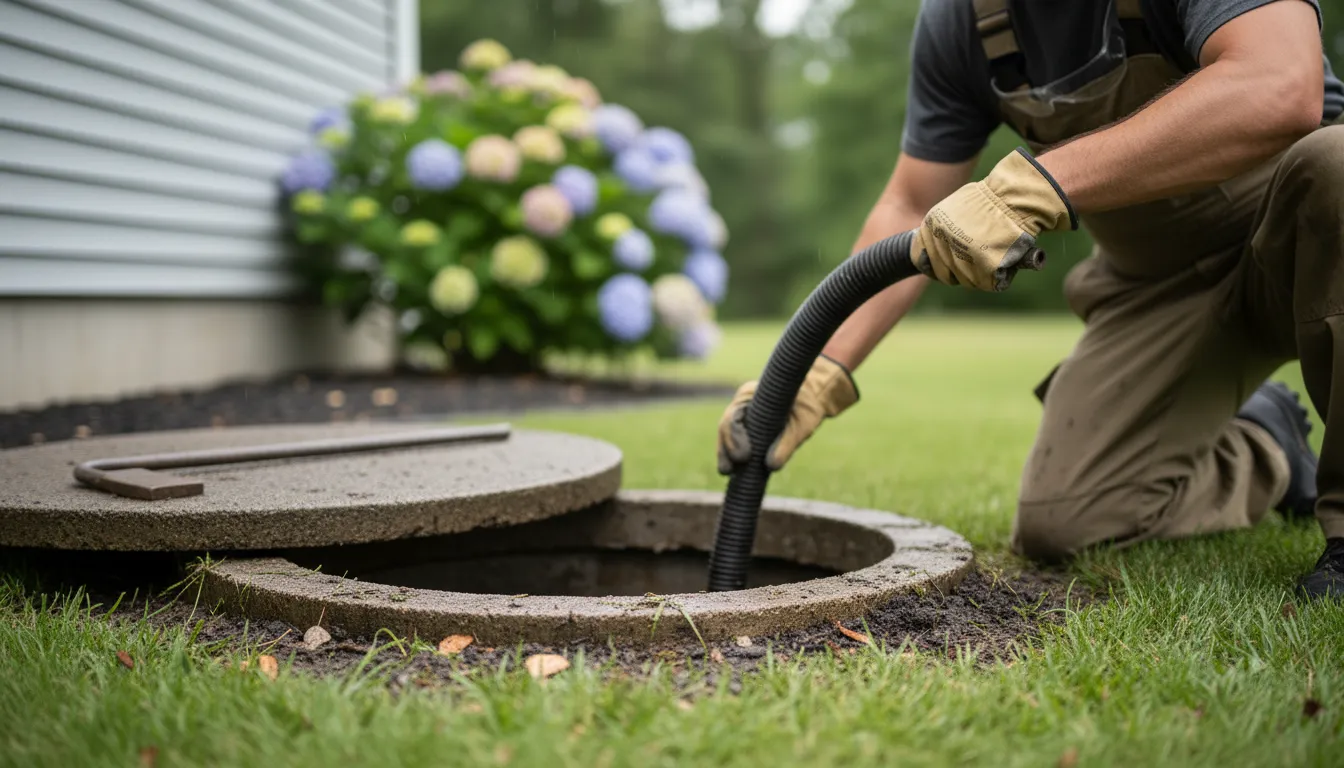
Find the Best Septic Tank Pumping Contractors for Your Business
No obligation • Fast responses • Nationwide coverage

Why you can trust Septic Spot
Septic Spot is a leading United States resource for understanding and comparing septic services. Our editors review providers using consistent criteria and verify key business details. Listings and scores are independent, and companies cannot pay to influence our content.
Search providers near you
Top Septic Tank Pumping Contractors in Apex, North Carolina Ranked
Maintaining a healthy septic system is a crucial responsibility for homeowners in Apex. Regular septic tank pumping is the cornerstone of this maintenance, preventing costly system failures, protecting your property value, and safeguarding public health and the local environment. This guide provides essential information on septic system service, including local regulations, typical costs, and maintenance best practices, helping you make informed decisions for your home's wastewater treatment.
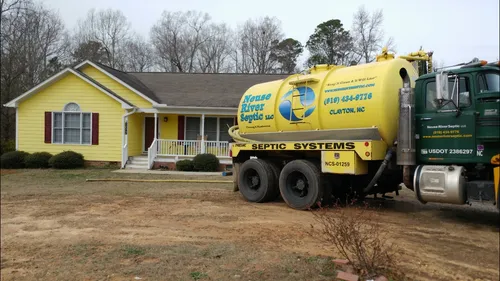
Neuse River Septic Tank Pumping
Clayton, NC 27520
Neuse River Septic Tank Pumping is a family-owned company based near Raleigh, NC, specializing in residential and commercial septic tank pumping and maintenance. They serve Clayton and surrounding areas within 15 miles, including Southern Wake and Johnston County. The company offers septic tank cleaning, sludge recycling at NC-approved sites, and effluent filter cleaning at no extra charge. With over 20 years of experience, they emphasize proper septic system care to prevent costly repairs and provide emergency service when needed.

Advantage Home Inspection
4020 Wake Forest Rd, Raleigh, NC 27609
Advantage Home Inspection is based in Raleigh, NC, offering a range of inspection services including septic tank inspection and pumping. They provide detailed septic inspections that include line scoping when accessible, along with other home and commercial inspection services such as foundation, framing, termite, radon, and sewer scope inspections. Their service area covers a 45-mile radius from their main office, and they cater to both residential and commercial properties.
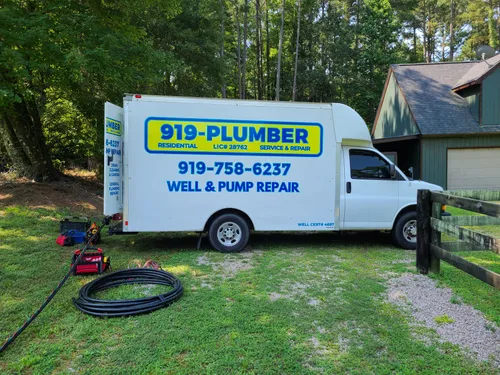
919-Plumber
2228 Davistown Rd, Wendell, NC 27591
919-Plumber is a plumbing company serving Raleigh, NC, and surrounding areas. They provide a range of plumbing services including septic tank pumping, septic pump repair, well pump repair, and full-service plumbing installations and repairs. The company has been in business since 2007 and offers specialized capabilities such as sewer camera inspections and septic alarms. Their service area includes several nearby communities such as Wendell, Garner, and Knightdale.

Quality Service Today Plumbing & Septic
5412 US-70 suit A, Durham, NC 27705
Quality Service Today Plumbing & Septic provides a wide range of plumbing and septic services in Durham, NC. They specialize in septic tank pumping, septic system repair, and drain field repair or replacement, along with general plumbing, water heaters, well pumps, and water filtration. The company serves residential clients across Central North Carolina, including Durham and nearby communities. They are equipped to handle unique plumbing setups and offer 24/7 emergency plumbing services. Their team focuses on practical, effective solutions tailored to each home's specific needs.
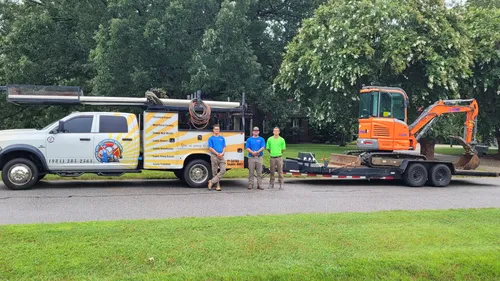
Environmental Systems & Services of NC LLC
Raleigh, NC
Environmental Systems & Services of NC LLC provides comprehensive septic and plumbing services in Raleigh, NC, and throughout Eastern and Central North Carolina. With over 30 years of experience, they handle septic tank pumping, inspections, repairs, and installations, as well as plumbing repairs, sewer line services, and drain field maintenance. Their team uses advanced equipment like cameras and hydro-jetting tools to diagnose and resolve issues efficiently. They offer customized maintenance plans to help extend the lifespan of septic and plumbing systems, ensuring compliance with local regulations and protecting water quality.
Why Regular Septic Tank Service is Essential
Your septic system is a silent workhorse, treating all the wastewater from your home. Over time, solid waste (sludge) accumulates at the bottom of the tank, while lighter materials like grease and soap scum (scum) float to the top. If these layers are not periodically removed through pumping, they can overflow into the drainfield, clogging the soil and causing a complete system failure. Signs of an overfull tank include slow-draining sinks and toilets, gurgling pipes, sewage odors, or soggy, bright green patches in your yard above the drainfield. Proactive pumping avoids these unpleasant and expensive emergencies, ensuring your system operates efficiently for decades.
Wake County & Apex Pumping Guidelines
For a typical single-family home in Apex, the general rule is to have your septic tank pumped every 3 to 5 years. However, this is a guideline, not a one-size-fits-all schedule. Several factors can necessitate more frequent service:
- Household Size and Usage: A large family or frequent guests increase wastewater flow, filling the tank faster.
- Garbage Disposal Use: Using a garbage disposal significantly increases the amount of solid waste entering the tank, requiring more frequent pumping-potentially every 2-3 years. 1
- Tank Size: A home with a tank smaller than 1,000 gallons will need service more often than one with a 1,500-gallon tank. 2
- System Type: Advanced systems with pumps or aerobic treatment units have different maintenance needs, often tied to mandatory county inspections.
Understanding Wake County Septic System Inspections
Beyond homeowner-initiated pumping, Wake County's Onsite Water Protection program mandates regular inspections for certain complex system types. These inspections are scheduled by county staff, not initiated by homeowner request. 3 It's important to know your system type, as the inspection frequency is legally defined:
- Type IIIB (Systems with one pump): Inspected every 5 years.
- Type IV (Multiple pumps or Low-Pressure Pipe systems): Inspected every 3 years.
- Type V (Advanced Treatment Systems): Inspected annually.
- Type VI (Large systems over 3,000 gallons per day): Inspected twice a year. 4
If your system falls into one of these categories, a certified operator will perform the inspection, which often includes checking pumps, alarms, and components beyond the tank itself. While not the same as a pump-out, these inspections are a critical part of compliance and system health.
What to Expect During a Pump-Out Service
A professional septic service involves more than just removing waste. A thorough provider will:
- Locate and uncover the tank access lids.
- Inspect the tank interior for cracks, baffle condition, and the sludge/scum levels.
- Pump out all contents from both the main and outlet compartments (if it's a two-compartment tank).
- Clean the effluent filter, a crucial component that prevents solids from entering the drainfield.
- Back-flush the lines to ensure they are clear.
- Note any signs of damage or needed repairs and provide you with a service report.
This comprehensive approach ensures every part of your system is assessed during the visit.
Find the perfect septic tank pumping contractors for your needs
Get personalized recommendations and expert advice
Cost of Septic Tank Pumping in Apex
The cost for septic tank cleaning in the Triangle area varies based on tank size, access, and what's included. For a standard 1,000 to 1,500-gallon residential tank, homeowners can expect to pay between $300 and $600. 5 6 A basic pump-out for an easily accessible 1,000-gallon tank may start around $325, while costs can rise to $700 or more for larger tanks (e.g., 2,000+ gallons) or those that are difficult to access. 7 6 If a mandated certified operator inspection is required in addition to the pumping, an additional fee of $200 to $350 is common. 5 7
Pro Tip for Cost Savings: If your tank lids are buried more than 6 inches deep, consider installing permanent risers. This one-time investment makes future location and access easy, avoiding potential "digging fees" that can add $100 or more to each service call. 8 9
Long-Term Maintenance for a Healthy System
Pumping is the most vital task, but other habits extend your system's life:
- Conserve Water: Spread out laundry loads and fix leaky faucets to avoid overwhelming the drainfield.
- Mind What You Flush: Only human waste and toilet paper should go down the drain. Avoid flushing wipes (even "flushable" ones), feminine hygiene products, cooking grease, chemicals, and medications. 10 11
- Protect the Drainfield: Never park or build over the drainfield. Keep roof drains and sump pumps directed away from it.
- Keep Records: Maintain a log of all pumping dates, inspections, and repairs. This history is valuable for troubleshooting and if you sell your home.
Choosing a Local Septic Service Provider
When selecting a company for septic system maintenance, look for licensed, insured professionals with experience serving Wake County. They should be familiar with local regulations and different system types. Ask for a detailed quote that outlines what is included (e.g., filter cleaning, inspection) and any potential extra charges for access or disposal fees. A reputable provider will be happy to explain the process and answer your questions.
Frequently asked questions
Sources
Footnotes
-
How Often to Pump Your Septic Tank? Splash Plumbing's Guide - https://www.splashplumbing.com/how-often-should-septic-tank-be-pumped-for-optimal-maintenance-and-longevity/ ↩
-
How Often Should I Pump Out Septic Tank? - https://www.septicblueraleigh.com/how-often-should-i-pump-out-septic-tank.html ↩
-
Septic System Inspections - https://www.wake.gov/departments-government/onsite-water-protection/septic-systems/septic-system-inspections ↩
-
Septic System Inspections - https://www.wake.gov/departments-government/onsite-water-protection/septic-systems/septic-system-inspections ↩
-
Additional Charges | Septic Blue of Raleigh - https://www.septicblueraleigh.com/additional-charges ↩ ↩2
-
2025 Septic Tank Pumping Costs | Real Quotes + 3 Tips Now - https://clearriverenvironmental.com/septic-tank-pumping-cost/ ↩ ↩2
-
How Often Should I Pump My Septic Tank? - https://mseptic.com/how-often-should-i-pump ↩ ↩2
-
Septic System Owner's Guide - NC State Extension Publications - https://content.ces.ncsu.edu/septic-system-owners-guide ↩
-
How Much Does it Cost to Pump a Septic Tank? - https://rescueheroplumbing.com/how-much-does-it-cost-to-pump-a-septic-tank ↩
-
Understanding and Protecting Your Septic System - https://ehs.dph.ncdhhs.gov/oswp/docs/Understanding-protecting-septic-systems-FACTSHEET.pdf ↩
-
NC Homeowners: Caring for Your Septic System - https://www.dph.ncdhhs.gov/programs/environmental-health/site-water-protection-branch/site-wastewater-program/nc-homeowners-caring-your-septic-system ↩