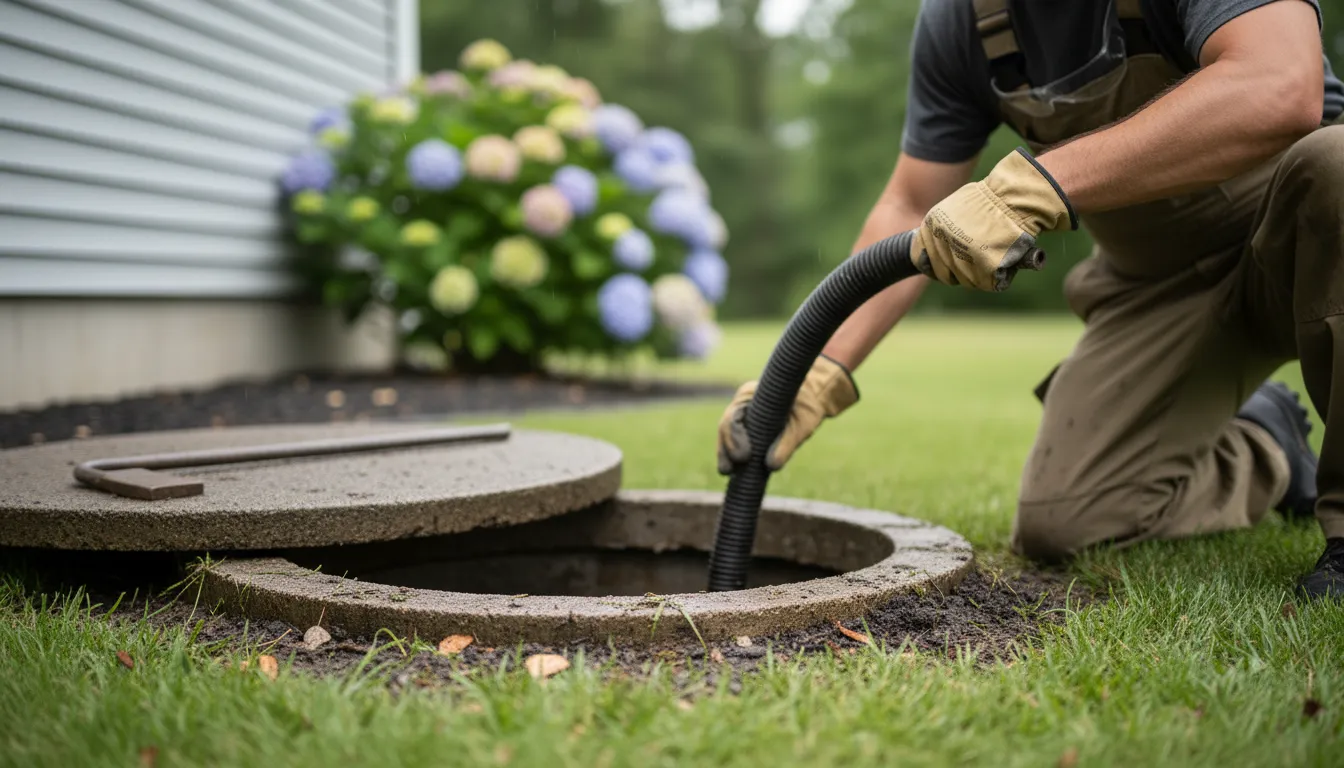
Find the Best Septic Tank Pumping Contractors for Your Business
No obligation • Fast responses • Nationwide coverage

Why you can trust Septic Spot
Septic Spot is a leading United States resource for understanding and comparing septic services. Our editors review providers using consistent criteria and verify key business details. Listings and scores are independent, and companies cannot pay to influence our content.
Search providers near you
Top Septic Tank Pumping Contractors in Burlington, North Carolina Ranked
Maintaining your home's septic system is a critical responsibility for homeowners in Burlington and across Alamance County. Regular septic tank pumping is the cornerstone of this maintenance, preventing system backups, environmental contamination, and costly repairs. This guide explains the local regulations, best practices, and key considerations for septic system maintenance, helping you find qualified local professionals to keep your system functioning properly for years to come.

Quality Service Today Plumbing & Septic
5412 US-70 suit A, Durham, NC 27705
Quality Service Today Plumbing & Septic provides a wide range of plumbing and septic services in Durham, NC. They specialize in septic tank pumping, septic system repair, and drain field repair or replacement, along with general plumbing, water heaters, well pumps, and water filtration. The company serves residential clients across Central North Carolina, including Durham and nearby communities. They are equipped to handle unique plumbing setups and offer 24/7 emergency plumbing services. Their team focuses on practical, effective solutions tailored to each home's specific needs.
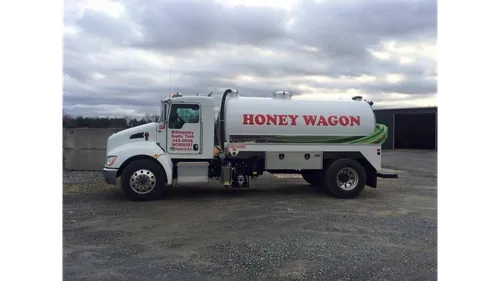
Billingsley & Brooks Septic Tank Co
149 Penn Rd, Reidsville, NC 27320
Billingsley & Brooks Septic Tank Co is a family-owned and veteran-operated business serving Greensboro, NC, with over three generations of experience in septic system services. They provide a full range of septic solutions including pumping, inspection, maintenance, locating, repair, and installation for both residential and commercial properties. Their team uses advanced tools and quality materials to ensure septic systems operate efficiently and reliably. The company emphasizes a customer-focused approach and offers specialized services such as septic tank locating and comprehensive inspections to help prevent major issues.
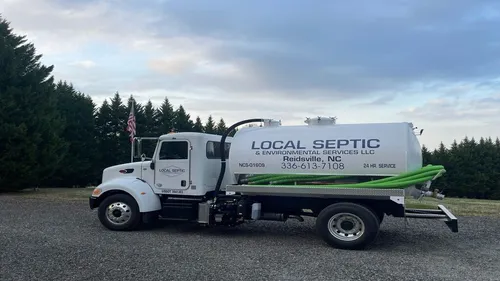
Local Septic & Environmental Services LLC
Winston Salem, NC
Local Septic & Environmental Services LLC is a family-owned septic company serving Winston Salem, NC, and surrounding counties. They provide a full range of septic services including tank pumping, inspections, repairs, new system installations, and drain field replacements. The company uses advanced inspection tools and modern excavation equipment to diagnose and address septic issues accurately. With decades of experience, Local Septic offers emergency services to handle urgent septic problems beyond regular business hours.
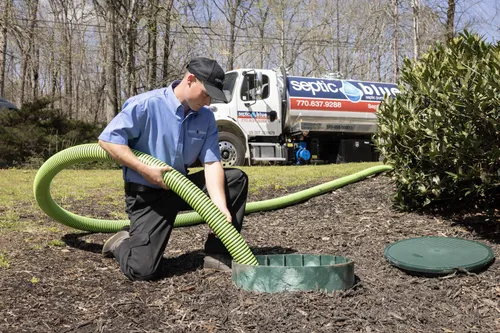
Septic Blue of Burlington
1803 N Jim Minor Rd, Haw River, NC 27258
Septic Blue of Burlington provides septic tank pumping, inspection, repair, and installation services in Greensboro, NC. They offer emergency septic pumping and routine maintenance to help prevent system failures and protect property and local ecosystems. Their services include thorough septic cleaning that removes sludge and buildup to maintain system efficiency. Septic Blue emphasizes eco-friendly practices and personalized maintenance schedules based on household size and water usage.

Quality Service Today Plumbing & Septic
831 S 8th St, Mebane, NC 27302
Quality Service Today Plumbing & Septic provides plumbing and septic services in Greensboro, NC, and the surrounding Central North Carolina area. They handle a variety of home plumbing needs, including septic tank pumping, septic system repairs, and drain field replacements. The company is experienced in working with unique home plumbing setups, such as private wells and complex drainage systems, tailoring solutions to each property's specific requirements. They also offer general plumbing repairs, water heater installation, drain clearing, well pump services, and water filtration. Quality Service Today serves multiple communities including Durham, Cary, and Mebane, and provides 24/7 emergency plumbing support.
Why Septic System Maintenance is Essential in Alamance County
A septic system is an on-site wastewater treatment plant for your home. When it fails, the consequences can be severe: sewage backing up into your house, foul odors, and contamination of groundwater or nearby streams. In Burlington, septic system oversight falls under the Alamance County Environmental Health Department, which emphasizes that preventative maintenance is far less expensive than emergency repairs or a full system replacement. Proper care protects your property value, your family's health, and the local environment, including watersheds that feed into the Haw River.
Local Pumping Guidelines and Frequency
The most common question homeowners have is, "How often should I pump my tank?" While the general rule for a conventional system is every three to five years, the correct schedule for your Burlington home depends on several factors.
- Household Size and Water Use: A family of four will fill a tank faster than a single occupant. High water-use activities like frequent laundry days, long showers, or using a garbage disposal significantly increase the solids entering the tank and can shorten the pumping interval 1 2.
- Tank Size: Older homes may have smaller tanks (e.g., 500-gallon) that require more frequent service than modern 1,000 or 1,500-gallon tanks.
- System Type: If your property uses an alternative system with a pump tank or an aerobic treatment unit (ATU), it will likely require more frequent pumping and professional maintenance as recommended by the manufacturer.
A professional inspection is the best way to determine your specific needs. During a pumping service, always request that the technician check both compartments of the tank (if it has a baffle) and thoroughly clean the effluent filter, a crucial component that prevents solids from clogging the drainfield 3 4.
Understanding Local Regulations and Permits
Navigating local rules is a key part of responsible septic system ownership. In Alamance County, you do not need a permit simply to have your tank pumped. However, permits are required for other important activities:
- System Repairs: Any repair to the tank, drainfield, or associated components requires a repair permit from the Alamance County Environmental Health Department before work begins.
- Property Improvements: Planning to add a bedroom, a swimming pool, or a detached structure like a shed or garage? You will need an environmental health permit to ensure the new construction maintains proper setbacks from your septic system and drainfield 5.
- Home Sales: While the county does not perform functionality inspections for real estate transactions, a passing inspection by a state-licensed septic system inspector is typically required by lenders and buyers. Homeowners must hire a private inspector for this purpose.
Staying proactive with inspections-recommended at least every three years-helps you identify minor issues before they become major permit-required repairs 6.
Find the perfect septic tank pumping contractors for your needs
Get personalized recommendations and expert advice
Protecting Your System's Most Vulnerable Part: The Drainfield
The drainfield (or leach field) is where the final treatment and dispersal of wastewater happens. It's often the most expensive component to replace. Protecting it is paramount.
- Keep It Clear: Never build structures like sheds, decks, or patios over the drainfield. The weight can compact the soil and crush pipes. Avoid planting trees or deep-rooted shrubs nearby, as roots can infiltrate and clog the lines.
- Divert Water: Do not direct roof downspouts, sump pump discharge, or drainage from driveways onto the drainfield. The added water can saturate the soil, preventing it from properly absorbing and treating wastewater from your home 7.
- Drive and Park Carefully: Never drive or park vehicles, including lawn tractors, over any part of the septic system. The pressure can damage pipes and compact the soil.
What Not to Flush or Pour Down the Drain
Your septic system relies on a balance of bacteria to break down waste. Flushing the wrong items can kill these bacteria or clog the system.
- Non-Flushables: Never flush cigarette butts, sanitary products, paper towels, disposable wipes (even those labeled "flushable"), dental floss, or cat litter 8.
- Fats, Oils, and Grease (FOG): These substances solidify in your pipes and tank, contributing to clogs and blockages.
- Harsh Chemicals: Avoid pouring paint thinners, pesticides, or large amounts of antibacterial cleaners and bleach down the drain, as they can disrupt the necessary bacterial ecosystem.
- Food Waste: Minimize use of a garbage disposal, as it adds excessive solids to the tank. Compost food scraps instead.
Cost Considerations for Septic Services in North Carolina
While prices can vary based on the service provider, tank accessibility, and size, understanding regional averages helps in planning. Statewide, pumping a standard 1,000-gallon septic tank typically ranges from $250 to $350 9. In the broader North Carolina region, including areas similar to the Piedmont, comprehensive service fees for locating, uncovering, and pumping a single tank can range from $400 to $900 10. Some companies charge a standard service fee around $450 for a full cleanout 10. Always get detailed quotes that specify what is included, such as inspection of components, filter cleaning, and proper waste disposal.
Finding Licensed and Qualified Professionals
For any work beyond basic pumping-especially repairs, inspections, or new installations-it is crucial to hire properly licensed professionals. The Alamance County Environmental Health Department recommends consulting the North Carolina Onsite Wastewater Contractors and Inspectors Certification Board (NCOWCICB) website to verify a contractor's state license 11. Look for providers with good local reputations, proper insurance, and a willingness to explain the process and provide a detailed report of their findings after service.
Frequently asked questions
Sources
Footnotes
-
NC Homeowners: Caring for Your Septic System - https://www.dph.ncdhhs.gov/programs/environmental-health/site-water-protection-branch/site-wastewater-program/nc-homeowners-caring-your-septic-system ↩
-
How Often Should You Pump Your Septic Tank: 3 Factors Solved - https://www.frasiers.com/blog/sewage-tank-pump-frequency/ ↩
-
Why Maintain Your Septic System | US EPA - https://www.epa.gov/septic/why-maintain-your-septic-system ↩
-
Septic System Maintenance - https://eh.alamancecountync.gov/programs/on-site-wastewater/septic-system-maintenance/ ↩
-
Frequently Asked Questions - Alamance County Environmental Health - https://eh.alamancecountync.gov/home/frequently-asked-questions/ ↩
-
How to Care for Your Septic System | US EPA - https://www.epa.gov/septic/how-care-your-septic-system ↩
-
Understanding and Protecting Your Septic System - https://ehs.dph.ncdhhs.gov/oswp/docs/Understanding-protecting-septic-systems-FACTSHEET.pdf ↩
-
NC Homeowners: Caring for Your Septic System - https://www.dph.ncdhhs.gov/programs/environmental-health/site-water-protection-branch/site-wastewater-program/nc-homeowners-caring-your-septic-system ↩
-
How Often Should I Pump My Septic Tank? - https://mseptic.com/how-often-should-i-pump ↩
-
2025 Septic Pumping & Septic System Facts for North Carolina - https://www.clearwatersepticandpumping.com/septic-tips/2025-septic-pumping-facts-charlotte-nc ↩ ↩2
-
Frequently Asked Questions - Alamance County Environmental Health - https://eh.alamancecountync.gov/home/frequently-asked-questions/ ↩