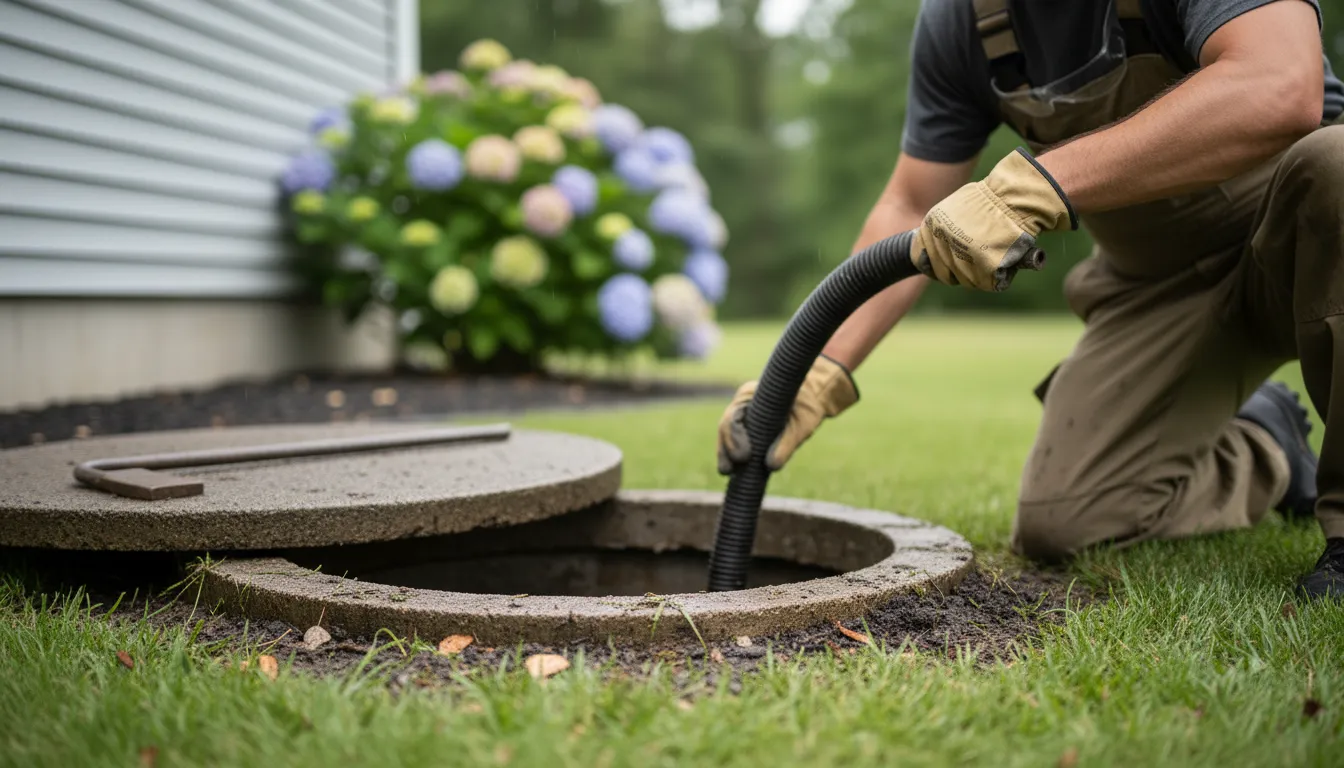
Find the Best Septic Tank Pumping Contractors for Your Business
No obligation • Fast responses • Nationwide coverage

Why you can trust Septic Spot
Septic Spot is a leading United States resource for understanding and comparing septic services. Our editors review providers using consistent criteria and verify key business details. Listings and scores are independent, and companies cannot pay to influence our content.
Search providers near you
Top Septic Tank Pumping Contractors in Chapel Hill, North Carolina Ranked
Maintaining your septic system is a crucial responsibility for any Chapel Hill homeowner not connected to the municipal sewer. Regular septic tank pumping is the cornerstone of this maintenance, preventing system failures, protecting your property value, and safeguarding local groundwater. This guide explains the specifics of septic service in our area, from recommended pumping schedules and local costs to best practices for system care, helping you connect with qualified professionals to keep your system functioning smoothly for years to come.

Advantage Home Inspection
4020 Wake Forest Rd, Raleigh, NC 27609
Advantage Home Inspection is based in Raleigh, NC, offering a range of inspection services including septic tank inspection and pumping. They provide detailed septic inspections that include line scoping when accessible, along with other home and commercial inspection services such as foundation, framing, termite, radon, and sewer scope inspections. Their service area covers a 45-mile radius from their main office, and they cater to both residential and commercial properties.

Quality Service Today Plumbing & Septic
5412 US-70 suit A, Durham, NC 27705
Quality Service Today Plumbing & Septic provides a wide range of plumbing and septic services in Durham, NC. They specialize in septic tank pumping, septic system repair, and drain field repair or replacement, along with general plumbing, water heaters, well pumps, and water filtration. The company serves residential clients across Central North Carolina, including Durham and nearby communities. They are equipped to handle unique plumbing setups and offer 24/7 emergency plumbing services. Their team focuses on practical, effective solutions tailored to each home's specific needs.
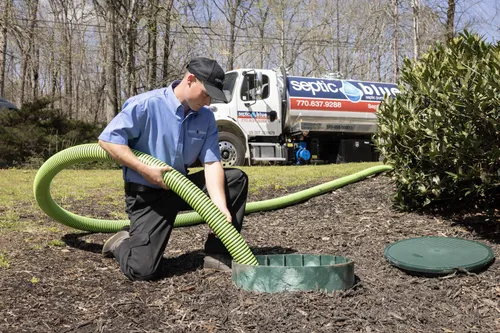
Septic Blue of Burlington
1803 N Jim Minor Rd, Haw River, NC 27258
Septic Blue of Burlington provides septic tank pumping, inspection, repair, and installation services in Greensboro, NC. They offer emergency septic pumping and routine maintenance to help prevent system failures and protect property and local ecosystems. Their services include thorough septic cleaning that removes sludge and buildup to maintain system efficiency. Septic Blue emphasizes eco-friendly practices and personalized maintenance schedules based on household size and water usage.
Quality Service Today Plumbing & Septic
831 S 8th St, Mebane, NC 27302
Quality Service Today Plumbing & Septic provides plumbing and septic services in Greensboro, NC, and the surrounding Central North Carolina area. They handle a variety of home plumbing needs, including septic tank pumping, septic system repairs, and drain field replacements. The company is experienced in working with unique home plumbing setups, such as private wells and complex drainage systems, tailoring solutions to each property's specific requirements. They also offer general plumbing repairs, water heater installation, drain clearing, well pump services, and water filtration. Quality Service Today serves multiple communities including Durham, Cary, and Mebane, and provides 24/7 emergency plumbing support.
A1-Septic Tank Cleaning
Raleigh, NC
A1-Septic Tank Cleaning provides septic tank pumping, repair, and installation services in Raleigh, NC. Serving both residential and commercial clients, they offer comprehensive septic solutions including lift station maintenance and grease trap cleaning. With over 30 years of experience and 26 years in business, the company emphasizes personalized care and compliance with environmental regulations. They also offer 24/7 availability for septic needs.
Understanding Your Chapel Hill Septic System
A septic system is an on-site wastewater treatment structure, typically consisting of a tank and a drainfield. All the water from your home-from sinks, showers, toilets, and washing machines-flows into the underground septic tank. Here, solids settle to the bottom as sludge, oils and grease float to the top as scum, and the relatively clear liquid in the middle (effluent) exits into the drainfield for further natural filtration. Over time, the sludge and scum layers accumulate. If they aren't removed via regular pumping, they can overflow into the drainfield, causing costly backups, foul odors, and environmental contamination 1.
In Chapel Hill and surrounding Orange County, many homes rely on these private systems. The local soil types and regulations mean that proper care isn't just a recommendation; it's essential for public and environmental health. The Orange County Health Department provides guidelines and oversight to ensure systems are functioning correctly.
How Often Should You Pump Your Septic Tank in Chapel Hill?
This is the most common question homeowners have, and the answer isn't one-size-fits-all. While the industry standard for most homes is every 3 to 5 years, your specific schedule depends on several factors. The Orange County Health Department generally recommends inspections every 1 to 3 years and pumping every 3 to 5 years, based on household size and usage.
Here's a closer look at what influences your pumping frequency:
- Household Size: More people mean more wastewater and solids.
- 1-2 people: May extend to 5-10 years between pumpings.
- 3-4 people: Typically need pumping every 3-4 years.
- 5+ people: Often require service every 2-3 years or sooner 2.
- Tank Size: Older or smaller tanks fill up faster.
- Water Usage: High-volume activities, like multiple laundry loads in a single day or long showers, can push more water through the system, requiring more frequent maintenance.
- Garbage Disposal Use: Using a garbage disposal significantly increases the amount of solids entering the tank, shortening the time between necessary pumpings 3.
- The Sludge Rule: A key indicator is the sludge level itself. A common rule of thumb is to schedule pumping when the solids (sludge) fill about one-third of the tank's volume, leaving two-thirds for separation and settling. Never let the sludge layer exceed this point 4 5.
The only way to know for sure is through a professional inspection, which measures these layers. Relying on guesswork or waiting for a problem is a recipe for an expensive repair.
The Critical Role of Regular Septic Inspections
Think of an inspection as a routine physical for your septic system. It's a proactive measure that can identify small issues before they become catastrophic failures. For standard systems, a thorough inspection is recommended at least every 5 years. However, if your system includes pumps, electrical components, or advanced treatment units, annual inspections are often necessary6.
A comprehensive inspection by a qualified technician will:
- Locate and uncover the tank and drainfield access points.
- Measure the sludge and scum layers to determine if pumping is needed.
- Check the integrity of the tank (baffles, walls, lid).
- Inspect the drainfield for signs of surfacing effluent or saturation.
- Evaluate mechanical components like pumps and alarms.
Warning signs that you should schedule an inspection immediately include: slow-draining sinks or toilets, sewage odors inside your home or yard, unusually lush or soggy grass over the drainfield, and gurgling sounds in your plumbing 7.
Find the perfect septic tank pumping contractors for your needs
Get personalized recommendations and expert advice
What Impacts the Cost of Septic Pumping in Chapel Hill?
The cost for septic tank pumping in North Carolina can vary. For a standard 1,000-gallon tank, the statewide average often falls between $250 and $3508. In the Chapel Hill area and the broader Triangle region, prices typically range from $250 to $700+, depending on several key factors 8 9.
- Tank Size and Complexity: Larger tanks (1,500 gallons or more) cost more to pump. Dual-compartment tanks may also incur a higher fee.
- Accessibility: This is a major cost driver. If your tank lids are buried deep (more than 6 inches underground), the technician will need extra time and labor to excavate them. Installing riser lids is a highly recommended, one-time upgrade that brings access to the surface, making every future inspection and pumping faster, easier, and cheaper 10 11.
- Condition of the Tank: If the lids or baffles are damaged and need attention, repairs will add to the bill.
- Location and Travel: Properties in remote parts of Orange County may see a slight travel surcharge.
Always get a detailed, written estimate before work begins. The lowest price isn't always the best value; choose a licensed, insured provider with good local references.
Best Practices for Septic System Care in Orange County
Pumping is vital, but what you do between services is equally important. Proper daily care extends your system's life and prevents emergencies.
What NOT to Flush or Pour Down the Drain: Your septic system contains living bacteria that break down waste. Harsh chemicals and non-biodegradable materials can kill these bacteria and clog the system.
- Never flush: Baby wipes, "flushable" wipes, diapers, feminine hygiene products, cigarette butts, dental floss, or cat litter.
- Avoid pouring: Cooking fats, oils, grease, paint, paint thinners, or excessive amounts of bleach and antibacterial cleaners 12.
- Limit use: Garbage disposals significantly increase solids. Consider composting food scraps instead.
Protect Your Drainfield: The drainfield is where the final treatment happens. Compacting the soil destroys its ability to filter water.
- Never park cars, trucks, or heavy equipment on any part of the septic tank or drainfield 13.
- Avoid planting trees or shrubs with deep roots near the drainfield, as roots can clog and damage pipes.
- Direct rainwater runoff from roofs and driveways away from the drainfield area.
Manage Water Usage: Sudden large volumes of water can overwhelm the system.
- Space out laundry loads over the week instead of doing many in one day 14 15.
- Fix leaky faucets and running toilets promptly.
- Consider installing water-efficient fixtures.
Keep Good Records: Maintain a logbook of all septic system maintenance, including pumping dates, inspection reports, the amount of sludge pumped, and any repairs made. This is invaluable for troubleshooting and is often required if you sell your home 16.
Navigating Local Regulations and Finding Help
For specific questions about your property, including permits for repairs or system replacements, contact the Orange County Environmental Health Department directly 17. They can provide records of your system's design (the "as-built") and clarify local codes.
When searching for a service provider, look for companies licensed to work in Orange County, with positive reviews from local residents. A reputable professional will be happy to explain their process, provide references, and answer all your questions about maintaining your Chapel Hill septic system.
Frequently asked questions
Sources
Footnotes
-
How Often to Pump Your Septic Tank? Splash Plumbing's Guide ↩
-
How Often Should I Pump Out Septic Tank? - Septic Blue of Raleigh ↩
-
2025 Septic Pumping & Septic System Facts for North Carolina ↩ ↩2
-
How Much Does It Cost to Pump a Septic Tank in Raleigh, NC? | Angi ↩
-
Septic System Owner's Guide - NC State Extension Publications ↩
-
Keep it Flowing! - A Guide to Caring for Your Septic System ↩
-
2025 Septic Pumping & Septic System Facts for North Carolina ↩