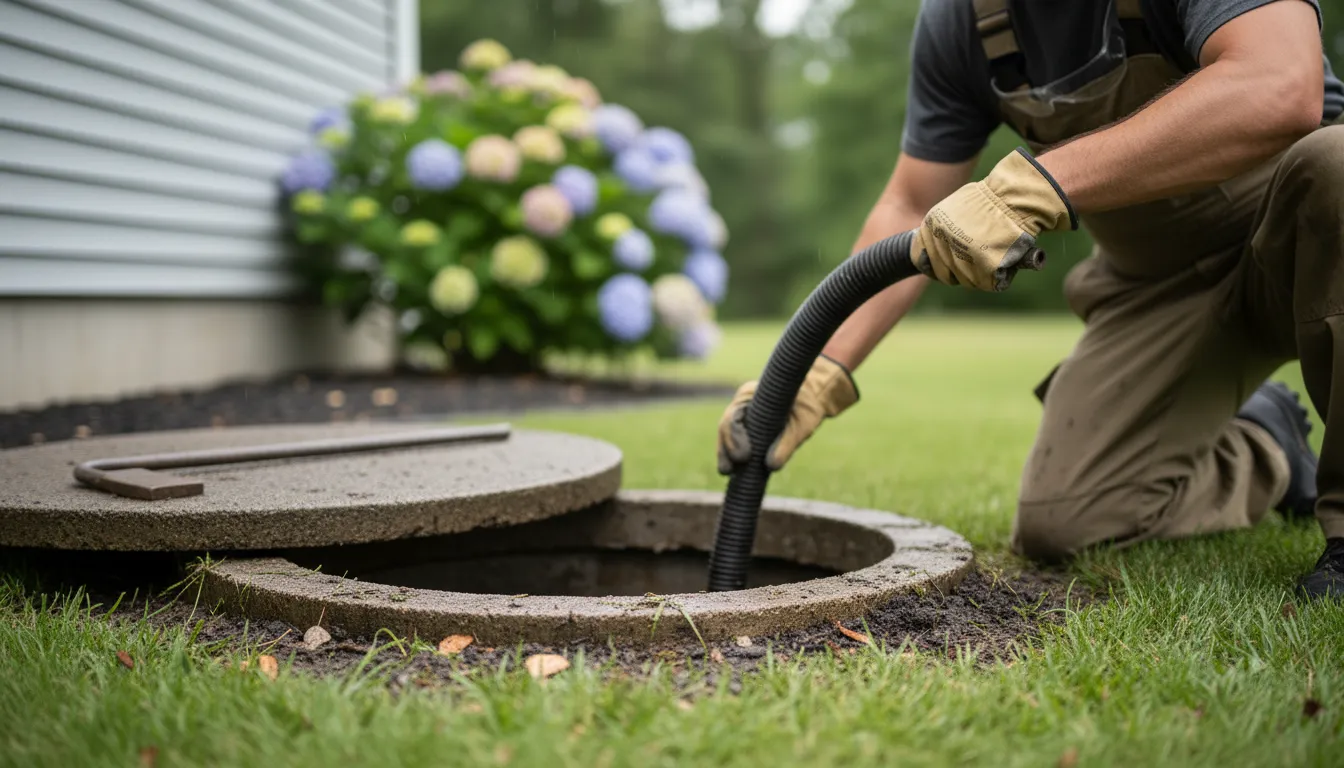
Find the Best Septic Tank Pumping Contractors for Your Business
No obligation • Fast responses • Nationwide coverage

Why you can trust Septic Spot
Septic Spot is a leading United States resource for understanding and comparing septic services. Our editors review providers using consistent criteria and verify key business details. Listings and scores are independent, and companies cannot pay to influence our content.
Search providers near you
Top Septic Tank Pumping Contractors in Gastonia, North Carolina Ranked
Maintaining your septic system is a crucial, yet often overlooked, responsibility of homeownership in Gastonia. Septic tank pumping is the essential process of removing accumulated sludge and scum from your tank to prevent system failure, environmental contamination, and costly repairs. This guide explains why regular septic maintenance matters, what to expect from the service, and how you can connect with qualified local professionals to ensure your system operates safely and efficiently for years to come.
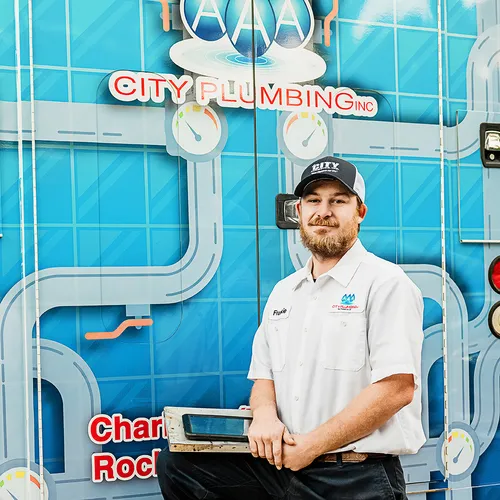
AAA City Plumbing
178 Grayson Rd, Rock Hill, SC 29732
AAA City Plumbing is a full-service plumbing company serving Charlotte, NC, and Rock Hill, SC. They provide a wide range of plumbing services including septic tank pumping, water heater repair, drain cleaning, and emergency plumbing for both residential and commercial customers. With over 30 years of experience since 1994, AAA City Plumbing has built a reputation for skilled workmanship and reliable service. Their licensed and insured plumbers are equipped to handle jobs of all sizes and offer after-hours emergency services.
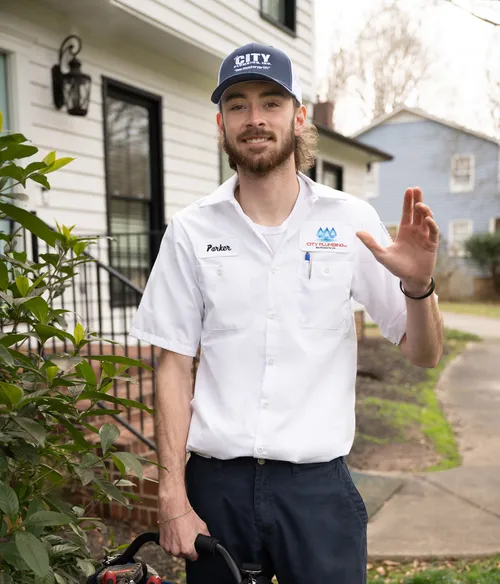
AAA City Plumbing
227 W 4th St #312, Charlotte, NC 28202
AAA City Plumbing is a full-service plumbing company based in Charlotte, NC, serving both residential and commercial customers. They provide a wide range of plumbing services including septic tank pumping, water heater repair, drain cleaning, and emergency plumbing services. With over 30 years of experience since 1994, AAA City Plumbing has built a reputation for skilled workmanship and reliable service in Charlotte and nearby Rock Hill. Their licensed, bonded, and insured plumbers are equipped to handle projects of various sizes and offer emergency assistance when needed.

Stanley, A Wind River Company
131 Mariposa Rd, Stanley, NC 28164
Stanley, A Wind River Company is a septic tank pumping company based in Charlotte, NC. They offer septic pumping, grease trap cleaning, lift station maintenance, and commercial plumbing services. As part of the Wind River Environmental network, they have access to advanced technology and extensive resources to support their environmental plumbing services. Their capabilities include maintaining and optimizing septic and wastewater systems to prevent environmental contamination and ensure compliance with regulations.
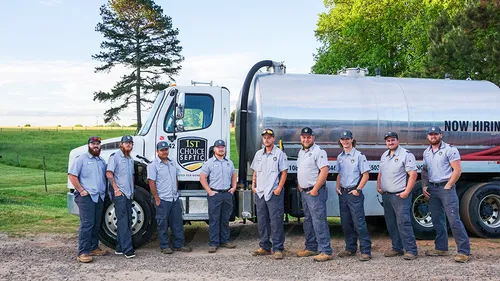
1st Choice Service, a Wind River Company
3674 Eaker Rd, Cherryville, NC 28021
1st Choice Service, a Wind River Company, provides septic tank pumping and environmental plumbing services in Charlotte, NC. They offer septic pumping, grease trap cleaning, lift station maintenance, and commercial plumbing solutions designed to maintain efficient and environmentally compliant waste systems. As part of the Wind River Environmental network, they utilize advanced technology and extensive resources to support their service delivery. Their expertise includes regular maintenance to prevent system failures and environmental contamination.
All Pro Enviro
Charlotte, NC
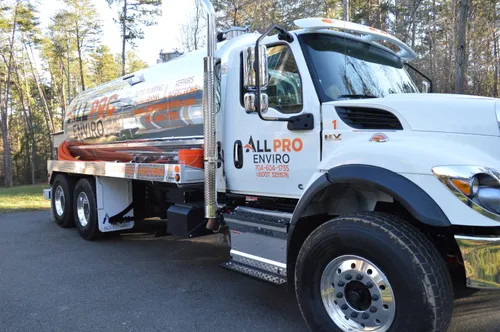
All Pro Enviro is a septic tank pumping, repair, and installation company serving Charlotte, NC, and nearby areas including McAdenville, Gastonia, Huntersville, and Belmont. They provide comprehensive septic system services such as routine pumping, repairs, and new tank installations. The company emphasizes customer satisfaction and offers emergency repair services to address urgent septic issues promptly. They also provide guidance on septic system maintenance to help extend the life of the system and prevent problems.
Why Regular Septic Maintenance is Non-Negotiable
Your septic system is a self-contained wastewater treatment plant on your property. When functioning correctly, it safely processes all the water and waste from your home. The tank itself holds solids, allowing them to decompose, while clarified liquid flows out to the drain field. Over time, however, solids (sludge) and floating scum accumulate. If these layers become too thick, they can flow into and clog the drain field, leading to a complete and very expensive system failure. Regular septic system pumping is the single most effective way to prevent this disaster.
In Gaston County, the local Environmental Health department oversees these systems, and proper maintenance is not just a recommendation-it's often a requirement based on your household size and system design. A failing system can contaminate groundwater, create foul odors, and cause sewage to back up into your home or pool on your lawn. Proactive pumping protects your health, your property value, and the local environment.
How Often Should You Pump Your Septic Tank in Gastonia?
The golden rule for septic tank cleaning frequency in North Carolina is every 3 to 5 years 1. However, this is a general guideline. The exact schedule for your home depends on several key factors:
- Household Size: More people generate more wastewater and solid waste, filling the tank faster.
- Tank Size: Older or smaller tanks require more frequent service.
- Overall Water Usage: Excessive use from laundry, long showers, or leaks accelerates accumulation.
- Garbage Disposal Use: Using a garbage disposal significantly increases the amount of solids entering the tank. Households with disposals may need pumping every 1-2 years 2.
- System Age and Condition: Older systems or those with minor issues may need more attentive care.
The most reliable method is to have your tank inspected by a certified operator. They can measure the sludge and scum layers to give you a precise recommendation for your next pumping date 3 4. Don't wait for a problem to arise; scheduling routine septic service is the mark of a responsible homeowner.
Recognizing the Signs You Need Service Now
While adhering to a 3-5 year schedule is best, sometimes your system sends distress signals that demand immediate attention. If you notice any of the following, contact a septic professional in Gastonia right away for an inspection and likely a pump-out:
- Slow Drains: Sinks, tubs, and toilets that drain slowly, especially throughout the entire house.
- Gurgling Sounds: Odd gurgling noises coming from your plumbing.
- Sewage Odors: Unpleasant smells around the tank or drain field area, or even inside the home.
- Wet, Spongy Lawn: Soggy patches or standing water over the drain field, particularly when it hasn't rained.
- Sewage Backup: The most severe sign-wastewater backing up into household drains.
Addressing these issues promptly can mean the difference between a simple pumping and a multi-thousand dollar drain field replacement.
Understanding Septic Pumping Costs in Gastonia
The cost for septic tank pumping in Gastonia can vary, but having a clear expectation helps in planning and comparing services. On average, homeowners spend around $380 for this essential service.
- Typical Range: Most services fall between $280 and $520.
- Low to High End: Depending on specific circumstances, prices can range from as low as $190 to as high as $890 5.
- Regional Comparison: For the broader Charlotte metro area, costs are often cited between $400 and $900 6.
Several factors influence the final price:
- Tank Size and Accessibility: Larger tanks (e.g., 1,500 gallons) cost more to pump than standard 1,000-gallon tanks. Tanks that are buried deep or difficult to access may incur extra charges.
- Condition of the System: If the tank lids are buried or the system requires additional troubleshooting, labor costs will increase.
- Additional Services: Many companies offer bundled inspections or minor repairs. While this increases the upfront cost, it provides greater value and peace of mind.
Find the perfect septic tank pumping contractors for your needs
Get personalized recommendations and expert advice
What to Expect During a Professional Pump-Out
A standard septic pumping service involves more than just vacuuming out the tank. A reputable provider will typically follow a process that ensures a thorough job:
- Locating and Uncovering: The technician will locate your tank and access ports. If the lids are buried, they will need to excavate them.
- Initial Inspection: Before pumping, they may check inlet and outlet baffles (crucial components that prevent pipe clogging) and look for any visible signs of damage or leaks.
- Pumping: Using a large tank truck, all contents-sludge, scum, and liquid-are pumped out and legally disposed of at a approved treatment facility.
- Post-Pump Inspection & Rinse: After emptying, the technician may rinse the tank walls with water to observe for leaks and ensure a clean start. They should also check the water level to verify the drain field is functioning.
- System Assessment and Advice: A good professional will provide you with observations on your system's health, the measured sludge level, and a recommendation for your next service.
Always ensure the company you hire is licensed and insured to perform septic work in Gaston County.
Protecting Your Investment: Best Practices for Homeowners
Pumping is vital, but what you do between services greatly extends your system's life. Follow these guidelines to keep your septic system healthy:
- Conserve Water: Fix leaky faucets and toilets promptly. Spread out laundry loads over the week instead of doing many loads in one day.
- Mind What You Flush: Only human waste and toilet paper should go down the toilet. Never flush wipes (even "flushable" ones), feminine hygiene products, dental floss, diapers, or cat litter.
- Use the Trash Can, Not the Drain: Avoid pouring cooking grease, oil, or fat down the sink. Do not use the sink as a disposal for coffee grounds, eggshells, or chemicals like paint, pesticides, or strong cleaners, which can kill the beneficial bacteria in your tank.
- Protect the Drain Field: Never drive or park vehicles, or place heavy structures like sheds, over your tank or drain field. The pressure can crush pipes and compact the soil. Also, avoid planting trees or shrubs with deep roots near the drain field, as roots can infiltrate and clog the pipes 7.
- Keep Records: Maintain a file with your septic system's design, permit, inspection reports, and pumping receipts. This is invaluable for troubleshooting and is often required if you sell your home.
Navigating Permits and Regulations in Gaston County
For most routine pumping, a permit is not required. However, if an inspection reveals the need for repairs or alterations to your system, you will need to obtain a permit from Gaston County Environmental Health. As of the latest information, a septic repair permit costs $75 8. It's important to work with a provider familiar with local codes. All systems are designed with specific capacity, typically accounting for 5 days of storage plus a 2-day emergency capacity, underscoring why timely maintenance is engineered into the system's function 9.
Frequently asked questions
Sources
Footnotes
-
NC Homeowners: Caring for Your Septic System | Division of Public Health - https://www.dph.ncdhhs.gov/programs/environmental-health/site-water-protection-branch/site-wastewater-program/nc-homeowners-caring-your-septic-system ↩
-
Septic Systems | Department of Environmental Protection - https://www.pa.gov/agencies/dep/residents/my-water/septic-systems ↩
-
Septic Systems and Their Maintenance - https://content.ces.ncsu.edu/septic-systems-and-their-maintenance ↩
-
Septic System Owner's Guide - NC State Extension Publications - https://content.ces.ncsu.edu/septic-system-owners-guide ↩
-
Septic Pumping in Gastonia, NC - Costs 03 / 2026 - Homeyou - https://www.homeyou.com/nc/septic-pumping-gastonia-costs ↩
-
2025 Septic Pumping & Septic System Facts for North Carolina - https://www.clearwatersepticandpumping.com/septic-tips/2025-septic-pumping-facts-charlotte-nc ↩
-
Homeowner's Guide to Septic Systems | Septic Blue Of Charlotte - https://www.septicbluecharlotte.com/homeowners-guide-to-septic-systems.html ↩
-
On-Site Wastewater and Wells | Gaston County, NC - https://www.gastongov.com/1220/On-Site-Wastewater-and-Wells ↩
-
STANDARD OPERATING PROCEDURES AND DESIGN GUIDELINES - https://www.dph.ncdhhs.gov/media/2588/open ↩