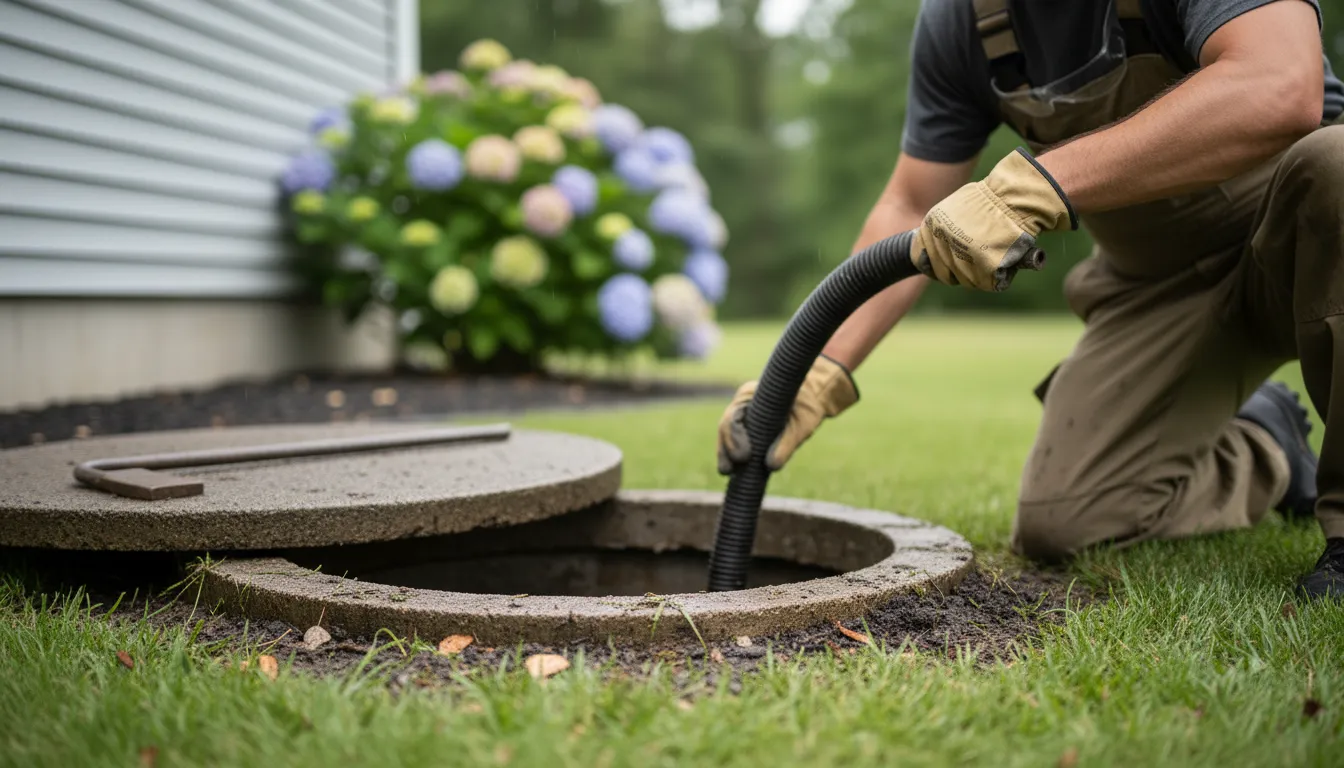
Find the Best Septic Tank Pumping Contractors for Your Business
No obligation • Fast responses • Nationwide coverage

Why you can trust Septic Spot
Septic Spot is a leading United States resource for understanding and comparing septic services. Our editors review providers using consistent criteria and verify key business details. Listings and scores are independent, and companies cannot pay to influence our content.
Search providers near you
Top Septic Tank Pumping Contractors in Wake Forest, North Carolina Ranked
Maintaining your septic system is a crucial, yet often overlooked, responsibility of homeownership. Septic tank pumping is the essential process of removing accumulated solids from your tank to prevent system failure, protect your property's value, and ensure environmental safety. For residents of Wake Forest, understanding local regulations, typical costs, and maintenance schedules can help you find a qualified professional to keep your system functioning smoothly for years to come.
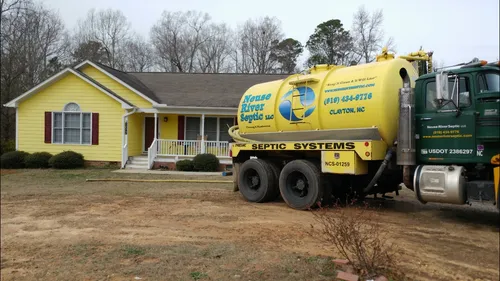
Neuse River Septic Tank Pumping
Clayton, NC 27520
Neuse River Septic Tank Pumping is a family-owned company based near Raleigh, NC, specializing in residential and commercial septic tank pumping and maintenance. They serve Clayton and surrounding areas within 15 miles, including Southern Wake and Johnston County. The company offers septic tank cleaning, sludge recycling at NC-approved sites, and effluent filter cleaning at no extra charge. With over 20 years of experience, they emphasize proper septic system care to prevent costly repairs and provide emergency service when needed.

Advantage Home Inspection
4020 Wake Forest Rd, Raleigh, NC 27609
Advantage Home Inspection is based in Raleigh, NC, offering a range of inspection services including septic tank inspection and pumping. They provide detailed septic inspections that include line scoping when accessible, along with other home and commercial inspection services such as foundation, framing, termite, radon, and sewer scope inspections. Their service area covers a 45-mile radius from their main office, and they cater to both residential and commercial properties.
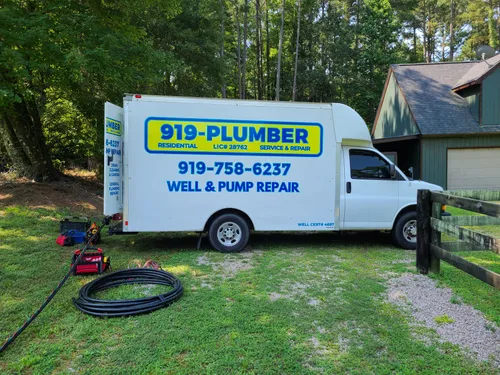
919-Plumber
2228 Davistown Rd, Wendell, NC 27591
919-Plumber is a plumbing company serving Raleigh, NC, and surrounding areas. They provide a range of plumbing services including septic tank pumping, septic pump repair, well pump repair, and full-service plumbing installations and repairs. The company has been in business since 2007 and offers specialized capabilities such as sewer camera inspections and septic alarms. Their service area includes several nearby communities such as Wendell, Garner, and Knightdale.

Quality Service Today Plumbing & Septic
5412 US-70 suit A, Durham, NC 27705
Quality Service Today Plumbing & Septic provides a wide range of plumbing and septic services in Durham, NC. They specialize in septic tank pumping, septic system repair, and drain field repair or replacement, along with general plumbing, water heaters, well pumps, and water filtration. The company serves residential clients across Central North Carolina, including Durham and nearby communities. They are equipped to handle unique plumbing setups and offer 24/7 emergency plumbing services. Their team focuses on practical, effective solutions tailored to each home's specific needs.
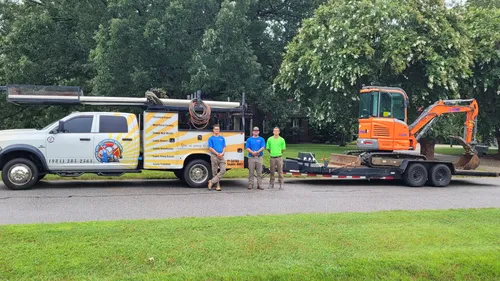
Environmental Systems & Services of NC LLC
Raleigh, NC
Environmental Systems & Services of NC LLC provides comprehensive septic and plumbing services in Raleigh, NC, and throughout Eastern and Central North Carolina. With over 30 years of experience, they handle septic tank pumping, inspections, repairs, and installations, as well as plumbing repairs, sewer line services, and drain field maintenance. Their team uses advanced equipment like cameras and hydro-jetting tools to diagnose and resolve issues efficiently. They offer customized maintenance plans to help extend the lifespan of septic and plumbing systems, ensuring compliance with local regulations and protecting water quality.
Understanding Your Septic System and Why Pumping is Vital
A septic system is an on-site wastewater treatment structure, typically used where municipal sewer lines are not available. It consists of a septic tank and a drainfield (or leach field). Wastewater from your home flows into the tank, where solids settle to the bottom as sludge, and fats and oils float to the top as scum. The liquid effluent in the middle layer then flows out to the drainfield for further treatment in the soil.
Over time, the sludge and scum layers build up. If they are not removed through regular septic tank cleaning, they can overflow into the drainfield. This clogs the soil, causing sewage to back up into your home or pool on your lawn-a costly and unhealthy disaster. Regular septic tank maintenance, primarily pumping, is the most effective way to prevent this1 2.
Local Wake Forest and Wake County Regulations
Wake County has specific rules governing septic system inspections, which directly inform pumping schedules. The Wake County Onsite Water Protection program mandates regular inspections based on your system's type and complexity. These inspections often determine when a pump-out is necessary.
- Type IIIB (Standard Pump System): Requires inspection every 5 years.
- Type IV (Low-Pressure or Multiple Pump Systems): Requires inspection every 3 years.
- Type V (Advanced/Complex Systems): Requires an annual inspection3.
While pumping frequency is not mandated by a strict calendar, these inspections will assess the sludge and scum levels in your tank. The general guideline for most households is to plan for septic tank servicing every 3 to 5 years. However, your specific situation may require more frequent attention.
How Often Should You Pump Your Septic Tank in Wake Forest?
The 3-5 year rule is a good starting point, but several factors unique to your household can shorten this interval. Consider scheduling a septic tank inspection to measure your sludge levels and get a personalized recommendation.
Household Size and Water Usage: The more people living in your home, the more wastewater is generated, filling the tank faster. High water usage from frequent laundry, long showers, or running dishwashers daily also accelerates accumulation.
Garbage Disposal Use: Using a garbage disposal significantly increases the amount of solids entering your tank. Food waste does not break down easily in a septic environment and can quickly fill the tank, potentially necessitating septic tank emptying as often as annually4 5.
Tank Size: Older homes may have smaller tanks (e.g., 500-750 gallons) that fill more quickly than modern 1,000- or 1,500-gallon tanks. Knowing your tank's capacity is key to planning.
Solids Input: What you flush matters. Avoid putting non-biodegradable items like wipes, feminine hygiene products, or cooking grease down the drain, as they contribute directly to sludge and scum buildup6.
Find the perfect septic tank pumping contractors for your needs
Get personalized recommendations and expert advice
What to Expect: The Cost of Septic Pumping in Wake Forest
The cost for septic tank pumping in Wake Forest can vary based on a few key factors. On average, homeowners can expect to pay between $280 and $520 for a standard residential pump-out7. The total price typically falls within a broader range of $190 to $8907.
What Influences the Price?
- Tank Size and Accessibility: Pumping a standard 1,000-gallon tank may cost between $250 and $570, while a larger 1,500-gallon tank can range from $350 to $6508. Tanks that are buried deep, located under decks, or far from where the service truck can park will incur higher labor costs.
- Condition of the Tank: If the tank lids are buried and need to be located, or if the baffles are damaged and need repair, the job becomes more complex and expensive.
- Additional Services: Many companies offer bundled services. You might pay a bit more upfront for a combined inspection and pumping, but it provides a complete picture of your system's health. Other services like filter cleaning, riser installation, or minor repairs will add to the total.
While price is a consideration, the expertise and reliability of the septic service provider are paramount. A properly performed pump-out includes inspecting the tank's components and noting any issues for your attention.
The Pumping Process: What a Professional Service Entails
A professional septic system pumping service involves more than just removing waste. A reputable technician will:
- Locate and Access the Tank: They will find the tank lids, which may require digging.
- Inspect the Tank: Before pumping, they will check inlet and outlet baffles/tees for damage and note the sludge and scum levels.
- Pump the Tank: Using a large truck-mounted vacuum hose, they will remove all contents from the tank-solids, liquids, and scum.
- Clean the Filter (if equipped): Many modern tanks have an effluent filter; they will clean it.
- Inspect Again & Provide Advice: After pumping, they can better inspect the tank's interior for cracks or damage and should provide you with a report on the system's condition and recommended next steps.
Protecting Your Drainfield: The Ultimate Goal of Maintenance
The drainfield is the most expensive component of your septic system to repair or replace. The primary purpose of regular septic tank maintenance is to protect it. When a tank is not pumped, solids escape and clog the pores in the soil. Once a drainfield fails, it often requires a completely new one, costing tens of thousands of dollars.
Simple habits protect your investment:
- Pump Regularly: Follow the guidelines based on inspections and usage.
- Conserve Water: Spread out laundry loads and fix leaky faucets.
- Landscape Carefully: Don't drive or park over the drainfield, and plant only grass over it. Tree roots can cause severe damage.
- Divert Runoff: Ensure roof drains and yard drainage are directed away from the septic area.
Signs Your Septic Tank Needs Immediate Attention
Don't wait for a complete failure. Be alert for these warning signs that your tank may be full or your system is failing:
- Slow Drains: Sinks, showers, and toilets that drain slowly, especially if multiple fixtures are affected.
- Sewage Odors: Unpleasant smells in your house or yard, particularly near the tank or drainfield.
- Gurgling Sounds: Sounds from your plumbing when flushing toilets or running water.
- Wet, Spongy Yard: Soggy ground or standing water over the drainfield, especially when it hasn't rained.
- Sewage Backup: The most severe sign-wastewater backing up into household drains.
If you notice any of these signs, contact a septic tank cleaning professional immediately to assess the situation.
Frequently asked questions
Sources
Footnotes
-
Why Maintain Your Septic System | US EPA - https://www.epa.gov/septic/why-maintain-your-septic-system ↩
-
Septic Tanks - Preventative Routine Maintenance - https://des.sc.gov/permits-regulations/septic-tanks/homeowner-resources/septic-tanks-preventative-routine-maintenance ↩
-
Septic System Inspections | Wake County Government - https://www.wake.gov/departments-government/onsite-water-protection/septic-systems/septic-system-inspections ↩
-
NC Homeowners: Caring for Your Septic System - https://www.dph.ncdhhs.gov/programs/environmental-health/site-water-protection-branch/site-wastewater-program/nc-homeowners-caring-your-septic-system ↩
-
2025 Septic Pumping & Septic System Facts for North Carolina - https://www.clearwatersepticandpumping.com/septic-tips/2025-septic-pumping-facts-charlotte-nc ↩
-
Septic Systems | Department of Environmental Protection - https://www.pa.gov/agencies/dep/residents/my-water/septic-systems ↩
-
Septic Pumping in Wake Forest, NC - Costs 02 / 2026 - Homeyou - https://www.homeyou.com/nc/septic-pumping-wake-forest-costs ↩ ↩2
-
How Much Does It Cost to Pump a Septic Tank in Raleigh, NC? | Angi - https://www.angi.com/articles/how-much-does-septic-tank-pumping-cost/nc/raleigh ↩