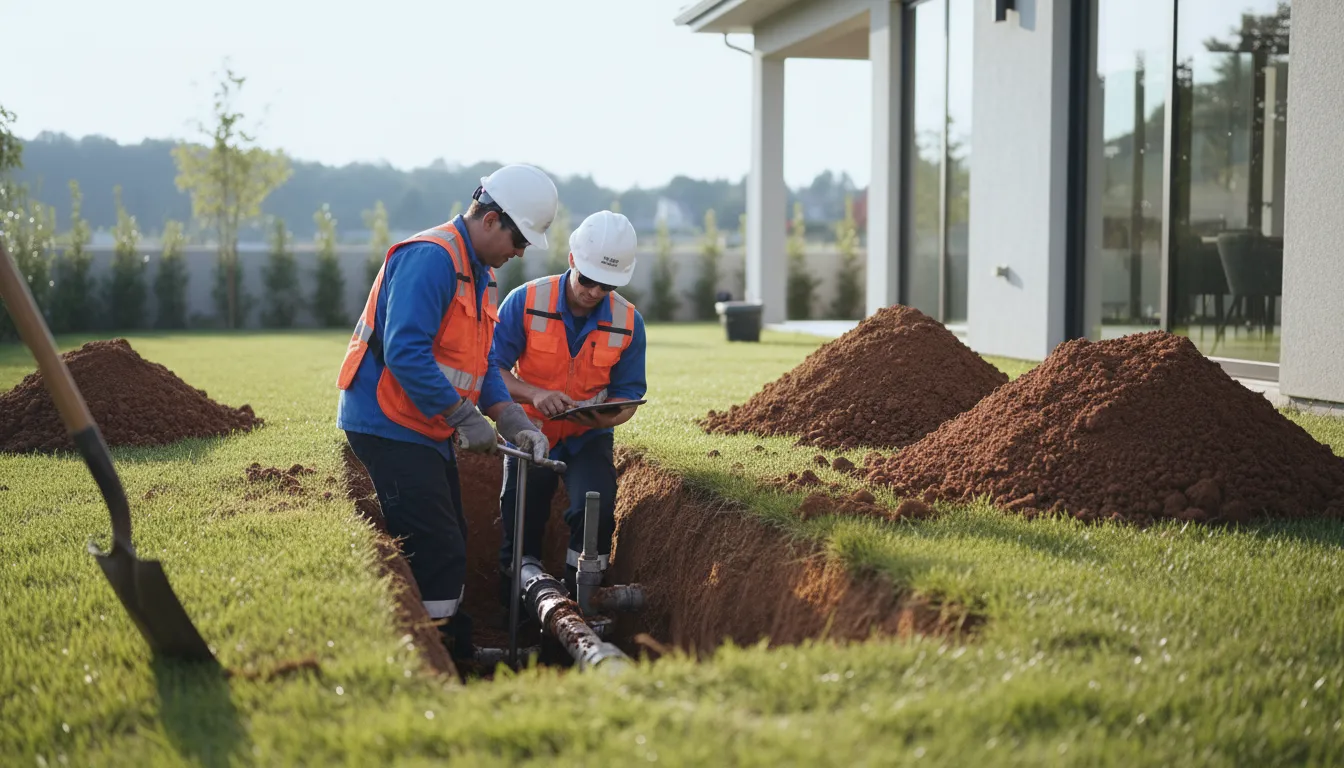
Find the Best Septic System Repair Companies for Your Business
No obligation • Fast responses • Nationwide coverage

Why you can trust Septic Spot
Septic Spot is a leading United States resource for understanding and comparing septic services. Our editors review providers using consistent criteria and verify key business details. Listings and scores are independent, and companies cannot pay to influence our content.
Search providers near you
Top Septic System Repair Companies in Austin, Texas Ranked
When your septic system shows signs of trouble-like soggy ground, foul odors, or backed-up drains-it's a clear signal that professional repair is needed. In Austin, septic system maintenance and remediation are strictly regulated by local and state authorities to protect public health and the environment. This guide helps you understand the common repair needs, the regulatory process, and how to connect with qualified local specialists who can diagnose issues and restore your system to proper working order.
Hambone Plumbing and Septic Pumping
818 W 2nd St, Taylor, TX 76574
Hambone Plumbing and Septic Pumping is a family-owned business serving the Austin, TX area with over 30 years of experience. They provide residential and commercial plumbing and septic services, including septic tank pumping, inspections, and repairs. Their licensed team offers comprehensive solutions such as water heater installation and flushing, drain and sewer line cleaning, and advanced leak detection using thermal imaging technology. Hambone Plumbing and Septic Pumping is available 24/7 to handle emergency plumbing needs and maintain efficient, safe plumbing systems.
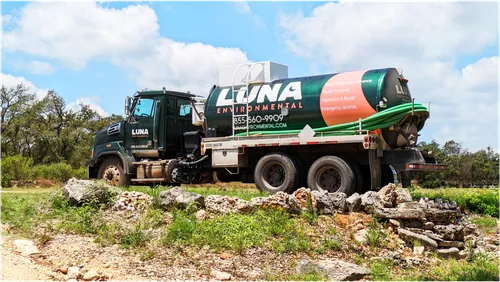
Luna Environmental
151 Las Flores Dr Suite 201, Wimberley, TX 78676
Luna Environmental is a septic service company based in Austin, TX, providing septic tank pumping, inspection, maintenance, and repair services. They serve residential and commercial clients throughout Central Texas, offering tailored solutions to keep septic systems functioning properly. The company is equipped to handle 24-hour emergency maintenance and pumping, ensuring prompt response to urgent septic issues. Luna Environmental emphasizes comprehensive reporting and environmental stewardship in their work, aiming to support sustainable septic system health and community well-being.
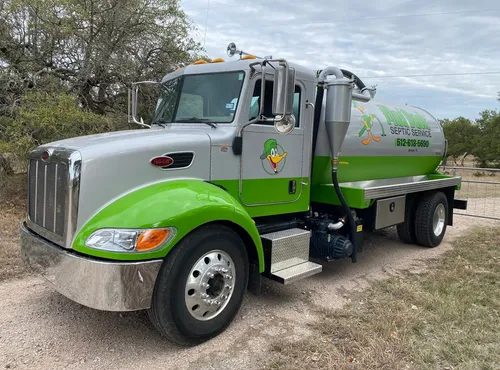
Mud Duck Septic Service
Austin, TX
Mud Duck Septic Service is a family-owned and locally operated company providing septic tank pumping, inspection, and repair services in Austin, TX. They serve nearby communities including Bertram, Burnet, Georgetown, Liberty Hill, and Spicewood. The company is fully licensed and insured, focusing on industry best practices and personalized consultations to address a range of septic system needs. Mud Duck Septic Service emphasizes careful workmanship and attention to detail in all projects.
Hometown Septic Services
Austin, TX
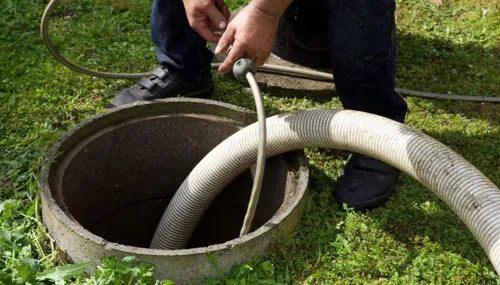
Hometown Septic Services provides comprehensive septic system solutions in Austin, TX, and surrounding communities. They serve both residential and commercial clients, offering services such as septic tank pumping, inspections, repairs, and pump replacements. The company specializes in septic pump repairs to ensure efficient wastewater management and compliance with local regulations. Hometown Septic also offers emergency septic services to address urgent system failures promptly. Their team is equipped to handle a wide range of septic system needs, maintaining system functionality and preventing future issues.
Synergy Onsite Septic Solutions
Austin, TX
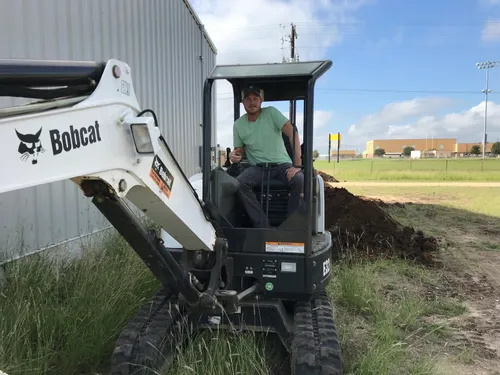
Synergy Onsite Septic Solutions is a septic tank inspection, repair, and installation company based in Austin, TX. They serve Austin and Central Texas, including many surrounding communities. Their services include repairs, diagnostics, locating and marking septic systems, installation, replacements, maintenance contracts, and consulting. The company is known for providing accurate assessments and appropriate solutions to septic system issues, often helping customers avoid unnecessary repairs. They also offer assistance with inspection preparation and referrals for pumping and design services.
Understanding Your Septic System and Common Failures
A septic system is an on-site wastewater treatment structure, typically consisting of a tank and a drainfield. In Austin and surrounding Travis County, these are officially known as On-Site Sewage Facilities (OSSFs). Conventional systems rely on anaerobic bacteria in the tank and soil in the drainfield to treat effluent. Aerobic treatment systems (ATS), common in areas with less permeable soil, use an added oxygen pump to accelerate the treatment process before dispersing the effluent.
Failures requiring septic system repair often manifest in specific ways:
- Drainfield Failure: The most serious issue, often caused by clogged pipes or a biomat layer that prevents drainage. Signs include sewage backing up into the home, soggy ground or standing water over the drainfield, and unusually lush grass in that area.
- Tank Structural Damage: Cracks or collapse in the concrete tank can lead to groundwater contamination or soil collapse.
- Component Malfunction (Aerobic Systems): Failure of the air pump, compressor, diffusers, or control panel halts the treatment process, which can lead to system alarms and untreated effluent.
- Pipe Blockages or Breaks: Blocked inlet/outlet baffles or broken pipes between the tank and drainfield prevent proper flow.
The Regulatory Landscape for Repairs in Austin
All septic system repair work in Austin is governed by the Texas Commission on Environmental Quality (TCEQ) under Chapter 285 rules and managed locally by the City of Austin's OSSF program. A fundamental rule is that any repair, alteration, or extension of an OSSF requires a permit and an approved plan before work begins. The only exception is for emergency repairs to protect public health, which can be started immediately but must be reported to the local authority within 72 hours 1.
For homeowners with an aerobic system, there is an additional key requirement: you must maintain a valid annual maintenance contract with a licensed Maintenance Provider. This provider is legally obligated to inspect the system and submit reports to the local county engineer, which helps catch problems early.
The Professional Repair Process: From Diagnosis to Completion
A reputable repair specialist will follow a structured process to ensure the job is done correctly and legally.
- Site Evaluation and Diagnosis: The technician will inspect for surface pooling, check the tank's sludge and scum levels, and test all electrical and mechanical components. For aerobic systems, this includes checking air pump output, alarm function, and disinfection systems 2.
- Permitting and Design: If the repair is non-emergency, the licensed professional will prepare the necessary repair plans and submit them to the local permitting authority (often the county) for approval. This step is crucial and cannot be skipped for significant work 3 4.
- Execution of Repairs: Common repair scenarios include:
- Drainfield/Lateral Line Remediation: This may involve cleaning clogged pipes with a high-pressure jetter or, in severe cases, installing a new replacement drainfield in a different location.
- Tank Repair or Replacement: A damaged tank may be patched if possible, but often requires full replacement, which involves excavation.
- Aerobic Component Replacement: Swapping out failed air pumps, compressors, control panels, or sprinkler heads in the dispersal field.
- Final Inspection and Reporting: Once repairs are complete, the provider will ensure the system is functioning correctly. For permitted work, a final inspection by the local authority is typically required to close the permit. Maintenance providers must also file inspection reports as per their contract 5.
Find the perfect septic system repair companies for your needs
Get personalized recommendations and expert advice
Cost Considerations for Septic Repairs
Repair costs in the Austin area vary widely based on the system type and the extent of the damage. It's important to view repair quotes as an investment in your property's utility and value.
- Diagnostic & Permit Costs: A professional site assessment and the required soil testing for a new design can range from $350 to $750. The permit fees themselves are an additional cost.
- Conventional System Repairs: Fixing or replacing components for a conventional system typically ranges from $6,000 to $12,000 or more, with full drainfield replacement at the higher end of the spectrum.
- Aerobic System Repairs: Due to their mechanical complexity, repairing or replacing an aerobic treatment unit is generally more expensive, often costing between $12,000 and $20,000+.
- Ongoing Costs: Don't forget the mandatory annual maintenance contract for aerobic systems, which typically runs between $400 and $800 per year. Regular pumping every 3-5 years is also a critical preventative cost for all systems 6 7.
Choosing a Qualified Repair Specialist
Given the regulatory and technical complexity, selecting the right professional is paramount. Always verify that the company or individual holds the appropriate TCEQ license for the work being performed (Installers, Maintenance Providers, etc.). They should be intimately familiar with the City of Austin and Travis County regulations. Ask for proof of insurance and references from recent, similar jobs in the area. A trustworthy provider will be transparent about the permitting process, provide a detailed written estimate, and never suggest skipping required approvals.
Preventative Maintenance to Avoid Major Repairs
The best repair is the one you never need. Adhering to a strict maintenance schedule is the most effective way to avoid catastrophic system failure. This includes having your tank pumped regularly (every 3-5 years), adhering to the maintenance contract for aerobic systems, and being mindful of what goes down your drains. Avoid flushing chemicals, grease, and non-biodegradable items, and conserve water to reduce the load on your system 8. Catching a small issue like a failing pump or a high sludge level during a routine inspection can save tens of thousands of dollars compared to a full drainfield replacement.
Frequently asked questions
Sources
Footnotes
-
SEPTIC SYSTEM LAWS IN TEXAS - https://www.terseptic.com/posts/septic-systems-its-the-law ↩
-
Basics for Septic Systems - https://www.tceq.texas.gov/assistance/water/fyiossfs.html ↩
-
On-Site Sewage Facilities | AustinTexas.gov - https://www.austintexas.gov/department/site-sewage-facilities ↩
-
Getting a Permit for an OSSF - Such as a Septic System - https://www.tceq.texas.gov/permitting/ossf/ossfpermits.html ↩
-
How a Septic System Works | Williamson County, TX - https://www.wilcotx.gov/651/How-a-Septic-System-Works ↩
-
Homeowner's Guide to Septic Systems - Lakeway-tx.gov - https://www.lakeway-tx.gov/DocumentCenter/View/35501/EPA---Homeowners-Guide-for-Septic-Systems ↩
-
Texas Septic Systems & OSSF Requirements | 2026 Guide - https://texaslandbrokerage.com/resources/texas-septic-systems-ossf-requirements-guide/ ↩
-
The Ultimate Guide to Aerobic Septic System Maintenance ... - https://epicseptic.com/the-ultimate-guide-to-aerobic-septic-system-maintenance-repairs-in-central-texas/ ↩