
Find the Best Septic System Repair Companies for Your Business
No obligation • Fast responses • Nationwide coverage

Why you can trust Septic Spot
Septic Spot is a leading United States resource for understanding and comparing septic services. Our editors review providers using consistent criteria and verify key business details. Listings and scores are independent, and companies cannot pay to influence our content.
Search providers near you
Top Septic System Repair Companies in Tyler, Texas Ranked
A failing septic system is more than an inconvenience; it's a serious health and environmental hazard. Septic system repair involves diagnosing and fixing issues within your on-site sewage facility (OSSF), from minor component replacements to major drain field rehabilitation. In Tyler, these repairs are strictly regulated to protect local groundwater and public health. This guide explains the repair process, local regulations, and typical costs to help you find qualified local professionals for your septic service needs.
Rub-A-Dub Plumbing
13213 State Hwy 155 Ste A, Tyler, TX 75703
Rub-A-Dub Plumbing is a plumbing company based in Tyler, TX, offering a range of services including septic tank pumping, inspection, repair, and installation. They serve Tyler and surrounding areas such as Lindale, Longview, Athens, and Cedar Creek Lake. With over 25 years of experience, Rub-A-Dub Plumbing provides comprehensive septic system services and is equipped to handle plumbing emergencies with 24/7 availability. Their technicians undergo continuous training and background checks to ensure skilled and trustworthy service.
M.K. Adams Septic Service
Tyler, TX
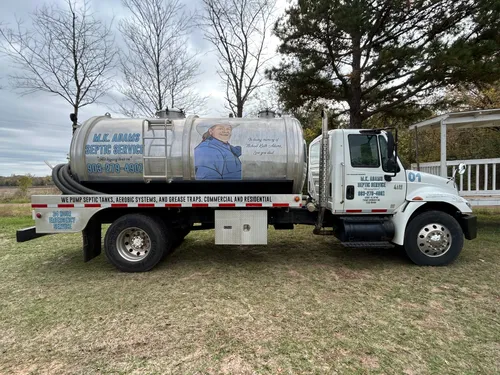
M.K. Adams Septic Service is a licensed septic tank pumping, installation, repair, and maintenance company based in Tyler, TX. The business is operated by Melania Adams, who named the company in honor of her late father's trucking business. They provide a full range of septic services throughout the Tyler area, including system installation and repair. M.K. Adams Septic Service holds state certifications for septic system installation and maintenance, ensuring compliance with Texas regulations.
C9 Septic & Irrigation
23283 County Rd 448, Lindale, TX 75771
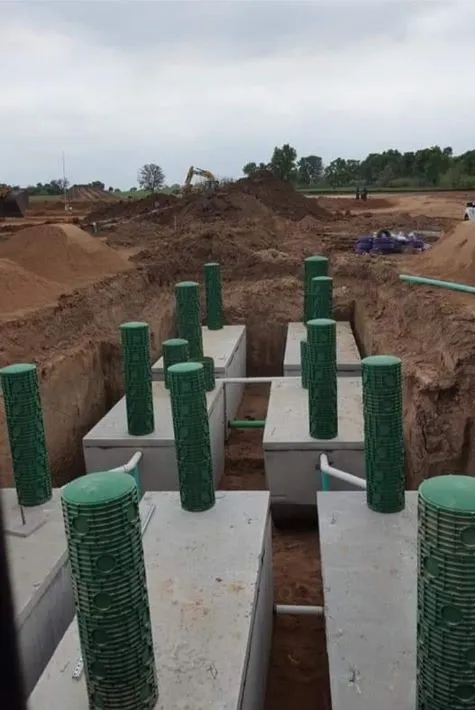
C9 Septic & Irrigation is a family-owned business serving Tyler, TX, and surrounding East Texas counties since 2020. They provide a range of septic services including installation, pumping, repairs, and inspections for both residential and commercial properties. The company is licensed and certified by the Texas Commission on Environmental Quality, offering site evaluations and maintenance contracts to ensure septic systems meet local standards. Additionally, they provide irrigation system design and installation, along with landscaping services. The owner is actively involved on-site to oversee projects and maintain service quality.
Marco Septic Service
Tyler, TX
Marco Septic Service provides comprehensive septic system services in Tyler, TX, including septic tank pumping, inspection, repair, and installation. The company handles all aspects of septic system maintenance and repair, ensuring systems are durable and environmentally safe. Marco Septic Service covers Tyler and surrounding areas such as New Chapel Hill, Liberty, and Whitehouse. The business emphasizes professional handling of repairs and installations to prevent leaks and extend system lifespan.
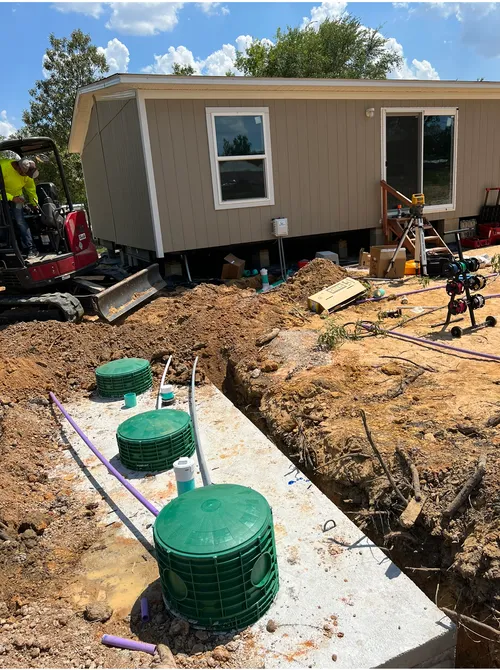
Pro Septic Installation And Repair LLC
3215 Erma St, Tyler, TX 75701
Pro Septic Installation And Repair LLC is a licensed septic tank pumping, repair, and installation company serving Tyler, TX. They handle both residential and commercial septic systems, using advanced equipment to diagnose and fix sewer line issues and septic backups. The company holds Installer Class I and II licenses as well as a Maintenance Provider license. Pro Septic Installation And Repair LLC offers 24-hour emergency service to address urgent septic problems promptly.
Understanding Septic System Repairs in Smith County
When your septic system shows signs of trouble-like slow drains, foul odors, or soggy ground over the drain field-timely repair is crucial. In Tyler and across Smith County, all significant septic work is governed by Texas Commission on Environmental Quality (TCEQ) regulations under Chapter 366 1. A "repair" is legally defined as any work that alters the existing system, including replacing components, fixing structural issues, or expanding the drain field. It's important to distinguish between routine maintenance, which a homeowner can sometimes perform, and repairs, which almost always require a licensed professional.
The first step in any repair process is understanding the permitting requirements. The Smith County Environmental Health Department acts as the local authorized agent for the TCEQ. Before any shovel hits the ground for a repair that modifies the system, a permit and an approved plan must be secured from the county. This ensures the fix will comply with state standards and protect the environment. Attempting a major fix without a permit can lead to fines and an improperly functioning system.
Common Types of Septic Repairs
The nature of your septic fix depends heavily on whether you have a conventional (anaerobic) system or an aerobic treatment unit (ATU), which is common in areas with less ideal soil.
Conventional System Repairs: These repairs often focus on the tank and drainage area. Common issues include:
- Component Failure: Repairing or replacing broken inlet/outlet baffles, which are crucial for preventing scum and solids from escaping into the drain field.
- Pipe Problems: Fixing broken pipes from the house to the tank or replacing collapsed distribution pipes in the drain field.
- Drain Field Issues: The most serious and expensive repairs involve a failing leach field. This may require cleaning, replacing, or adding new lines, or in severe cases, constructing a completely new drain field 2 3.
Aerobic System Repairs: Aerobic systems have mechanical and electrical components that can fail. Typical repairs include:
- Pump Replacements: Fixing or replacing a malfunctioning aerator pump (which adds oxygen) or an irrigation pump (which disperses treated effluent).
- Electrical Issues: Replacing a faulty control panel, alarm, or float switches.
- Clogged Components: Cleaning or replacing spray nozzles or sprinkler heads in the dispersal field.
General Component Replacements: For both system types, common upgrades or safety fixes include installing new, secure septic tank lids or adding risers for easier future access and inspection.
The Professional Inspection & Diagnosis Process
Before a repair can be accurately quoted, a thorough professional inspection is necessary to diagnose the root cause of the failure. A comprehensive evaluation typically involves several steps 4 5 6:
- Site Assessment: The technician looks for visual clues like surfacing sewage, unusually lush grass over the drain field, or persistent soggy areas.
- Tank Access and Inspection: The tank is opened to check sludge and scum levels, inspect the integrity of baffles, and look for cracks or structural damage.
- Hydraulic and Flow Testing: Water is run through the system to check for backups, slow drainage, or blockages in the lines.
- Mechanical Testing (for aerobic systems): All pumps, aerators, alarms, and electrical controls are tested for proper operation.
- Drain Field Evaluation: This may involve a percolation test or using a camera to inspect leach lines for clogging or collapse.
This inspection, which usually costs a few hundred dollars, provides the blueprint for an effective and compliant repair plan.
Find the perfect septic system repair companies for your needs
Get personalized recommendations and expert advice
Navigating Costs and Permits for Repairs
Repair costs in Tyler vary dramatically based on the system type and the extent of the damage. It's wise to obtain at least three detailed estimates from licensed providers 7.
Estimated Repair Cost Ranges:
- Basic Maintenance & Minor Repairs: $400 - $800 (e.g., pumping, cleaning filters, minor component adjustment).
- Moderate Repairs: $2,000 - $5,000 (e.g., replacing a pump or control panel, installing risers and lids).
- Major Repairs or Partial Replacement: $6,000 - $12,000+ for conventional system drain field work.
- Aerobic System Major Repairs/Replacement: $12,000 - $20,000+, given their complexity and mechanical components 8 9.
The Permit Process: Your chosen licensed installer or maintenance provider should handle the permit application with Smith County. The process ensures the repair plan meets TCEQ standards 10. As the homeowner, you should confirm the permit is acquired before work starts. This documentation is also crucial for your property records and any future real estate transactions.
Choosing a Licensed Professional in Tyler
Texas law mandates that repairs altering an OSSF must be performed by a licensed installer or a licensed maintenance provider 11 12. When searching for service:
- Verify Licenses: Confirm the company holds a current TCEQ license as an OSSF Installer or Maintenance Provider.
- Check Local Experience: Choose a provider familiar with Smith County's specific soil conditions and permit office procedures.
- Get Detailed Quotes: Ensure estimates are itemized, include permit fees, and clearly describe the scope of work.
- Ask About Inspections: A reputable company will insist on a diagnostic inspection before providing a firm quote for repairs.
Taking these steps helps ensure your septic system fix is done correctly, legally, and will provide long-term reliability.
Steps to Take When Your System Fails
If you suspect a septic failure, a systematic approach will save time and money:
- Cease Water Use: Minimize all water drainage into the system to prevent exacerbating the problem.
- Contact Licensed Professionals: Reach out to several TCEQ-licensed septic repair companies in the Tyler area for a diagnostic inspection.
- Review Diagnosis & Quotes: Understand the proposed repair solution and compare detailed estimates.
- Ensure Permitting: Verify your chosen contractor will pull the required Smith County permit before commencing work.
- Complete the Repair: Have the work completed and ensure you receive all final documentation, including the permit closure notice from the county.
By acting quickly and following the proper regulatory channels, you can restore your wastewater treatment system efficiently and protect your property value and the local environment 13 14.
Frequently asked questions
Sources
Footnotes
-
What laws in Texas apply to septic systems? - Water School - https://brazos.org/about-us/education/water-school/articleid/349/what-laws-in-texas-apply-to-septic-systems ↩
-
Septic Systems | Clear Springs Park - https://www.clearspringspark.org/resourcecenter/septic-systems ↩
-
Repairing Septic Systems: A Detailed Manual - https://ky-pd.com/blog/fixing-septic-system/ ↩
-
The Ultimate Guide to Aerobic Septic System Maintenance ... - https://epicseptic.com/the-ultimate-guide-to-aerobic-septic-system-maintenance-repairs-in-central-texas/ ↩
-
Understanding Septic Tank Inspections: A Complete Homeowner's ... - https://septic-masters.com/septic-tank-inspection-homeowner-guide/ ↩
-
Essential Septic System Inspection Guide for Homeowners - https://smartsepticpros.com/blog/septic-system-inspection-for-homeowners/ ↩
-
Advice for an Owner of an On-Site Sewage Facility (Septic System) - https://www.tceq.texas.gov/permitting/ossf/ossfadvice.html ↩
-
Cost of a Septic System in Texas - https://dillonseptic.com/cost-of-a-septic-system-in-texas/ ↩
-
Texas Septic Systems & OSSF Requirements | 2026 Guide - https://texaslandbrokerage.com/resources/texas-septic-systems-ossf-requirements-guide/ ↩
-
SEPTIC SYSTEM LAWS IN TEXAS - https://www.terseptic.com/posts/septic-systems-its-the-law ↩
-
Getting a Permit for an OSSF - Such as a Septic System - https://www.tceq.texas.gov/permitting/ossf/ossfpermits.html ↩
-
Maintenance of On-Site Sewage Facilities (Septic Systems) - https://www.tceq.texas.gov/permitting/ossf/ossfmaintenance.html ↩
-
Understanding the TCEQ: What Texas Homeowners Need to ... - https://brighteyestexas.com/understanding-the-tceq-what-texas-homeowners-need-to-know-about-septic-system-regulations/ ↩
-
Septic systems explained - Texas Water Resources Institute - https://twri.tamu.edu/blog/septic-systems-explained/ ↩