Find the Best Septic System Repair Companies for Your Business
No obligation • Fast responses • Nationwide coverage

Why you can trust Septic Spot
Septic Spot is a leading United States resource for understanding and comparing septic services. Our editors review providers using consistent criteria and verify key business details. Listings and scores are independent, and companies cannot pay to influence our content.
Search providers near you
Top Septic System Repair Companies in Dallas, Texas Ranked
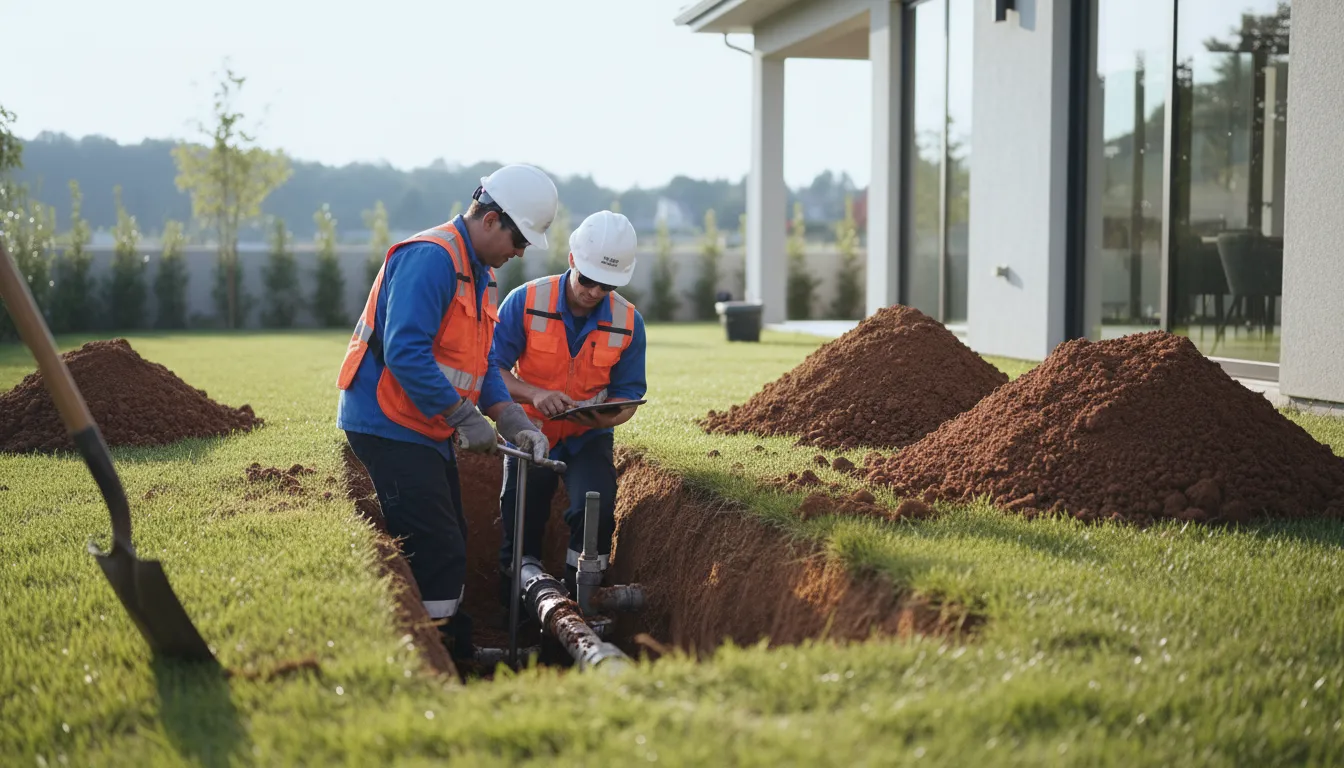
A failing septic system is more than an inconvenience; it's a serious health and environmental hazard that requires immediate, professional attention. Septic system repair involves diagnosing and fixing issues with your on-site sewage facility (OSSF), from broken pipes and pumps to complete drain field replacements. In Dallas, these repairs are strictly regulated to protect local groundwater and public health. This guide explains the repair process, local regulations, and typical costs to help you find a qualified local professional to restore your system to proper working order.
Straight Shooter Plumbing and Rooter
629 National Dr, Rockwall, TX 75032
Straight Shooter Plumbing and Rooter is a plumbing company serving Dallas, TX, and surrounding Texas communities. They offer a wide range of plumbing services including septic tank installation and repair, sewer line services, drain cleaning, water heater installation, leak detection, and under slab tunneling for sewer and water line repairs. Their expertise in trenchless pipe repair and septic system services supports both residential and commercial needs. The company is family-run, with licensed, bonded, and insured plumbers, and provides a workmanship guarantee. They serve multiple cities across Texas, including Rockwall, Fort Worth, Garland, and Plano.
Septic family
545 Harrold St apt 7001, Fort Worth, TX 76107
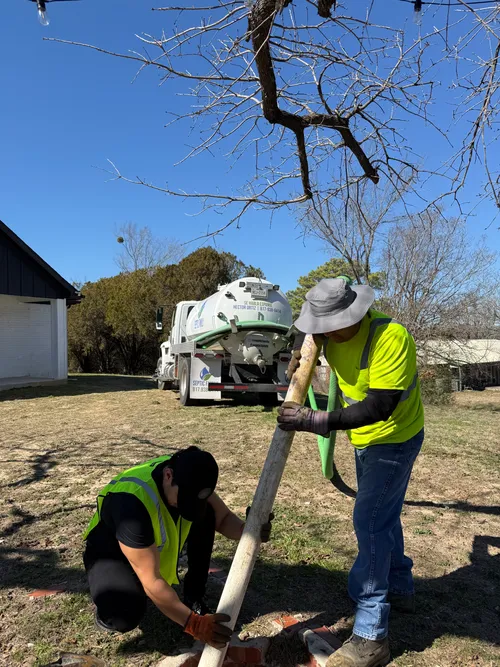
Septic Family is a septic tank pumping, cleaning, repair, and installation company serving Dallas, TX, and surrounding areas including Fort Worth and multiple nearby communities. The company specializes in both conventional and aerobic septic systems, offering maintenance contracts, installations, and repairs. With 17 years of experience, Septic Family provides bilingual services in English and Spanish and is available 24/7 for septic system needs.
MLP Septic Services
747 vz, Co Rd 1906, Fruitvale, TX 75127
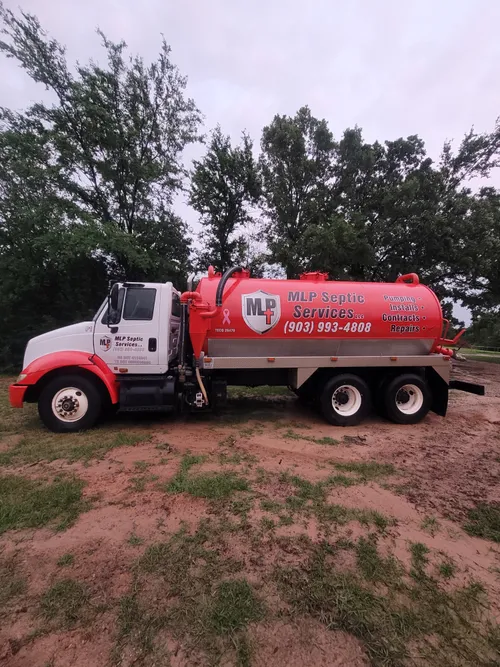
MLP Septic Services is a septic tank pumping, repair, and installation company serving Dallas, TX. They offer services for both residential and commercial properties, including conventional septic system installation, ongoing maintenance contracts, repairs, and pumping. With over 15 years of experience in the sewer water industry, MLP Septic Services focuses on maintaining the proper function and longevity of septic systems.
Burleson Septic Cleaning
2410 SW Hulen St, Burleson, TX 76028
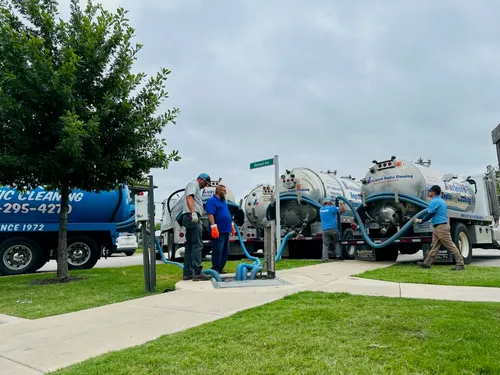
Burleson Septic Cleaning is a family-owned septic service provider based near Dallas, TX, serving Tarrant and Johnson Counties. Since 1972, they have offered residential and commercial septic tank pumping, system cleaning, and repair services. Their team uses state-of-the-art commercial vacuum trucks and specializes in lift station maintenance and repair. With over 50 years of experience, Burleson Septic Cleaning provides true 24/7 emergency service with live operators to handle septic issues anytime.
SB Septic and Sewer Service
9975 High Country Ln, Forney, TX 75126
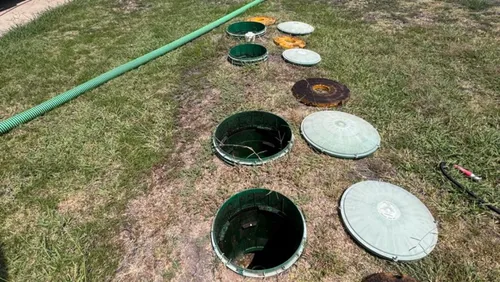
SB Septic and Sewer Service provides septic tank inspection and septic system repair services in Dallas, TX. They serve the greater Dallas-Fort Worth area, including multiple East Texas counties such as Kaufman, Rockwall, Van Zandt, Dallas, Collin, Hunt, Tarrant, Johnson, Parker, Hood, and Ellis. The company offers photo documentation and warranties on repairs, with a licensed and insured technician team to support their work.
Understanding Your Septic System and Common Failures
Your home's septic system is a self-contained wastewater treatment plant. In a conventional system, solids settle in the tank while liquid effluent flows into a network of perforated pipes in the drain field, where it percolates through the soil for final treatment. Aerobic treatment units (ATUs), common in areas with less permeable soil, use oxygen and mechanical components to break down waste more thoroughly before dispersal. Understanding which type you have is the first step in diagnosing problems.
Failures rarely happen overnight. They are often the result of prolonged neglect, age, or improper use. Common signs you need septic system servicing or repair include:
- Sewage backups in household drains or toilets.
- Gurgling sounds in your plumbing.
- Slow-draining sinks, tubs, or washing machines.
- Lush, green grass or standing water over the drain field.
- Unpleasant odors around the tank or drain field area.
The Dallas and Texas Regulatory Landscape
All septic system work in Texas, including in Dallas County, falls under the authority of the Texas Commission on Environmental Quality (TCEQ) and is enforced by local permitting authorities, such as Dallas County Health and Human Services. A fundamental rule is that a permit and an approved plan are required to construct, alter, repair, or extend any On-Site Sewage Facility (OSSF). This means you cannot legally begin any significant repair without first obtaining local approval.
The repair process itself must be inspected by the local authority to ensure it meets state code. Furthermore, if you have an aerobic system, Texas law often requires a mandatory maintenance contract, typically requiring professional servicing every three to four months to ensure all electrical and mechanical components function correctly. Hiring a TCEQ-licensed OSSF installer or a registered maintenance provider is not just a recommendation-it's essential for ensuring your repair is legal, safe, and durable 1 2.
The Professional Repair Process: From Diagnosis to Completion
When you contact a licensed professional for suspected system trouble, they will follow a structured process to identify and resolve the issue.
Step 1: Comprehensive System Evaluation
A thorough inspection is the cornerstone of any proper repair. A technician will:
- Locate and Pump the Tank: The tank is located and pumped to allow for a clear internal inspection.
- Inspect Tank Integrity: They check for cracks, check inlet and outlet baffles (which are crucial for preventing solids from escaping), and examine the tank's structure.
- Assess Component Function: For aerobic systems, this includes testing pumps, aerators, alarms, and electrical controls.
- Evaluate the Drain Field: This is a critical step. The technician will probe the drain field area for signs of saturation, check for surfacing effluent, and may conduct a soil evaluation (percolation test) to determine the soil's absorption capacity if a new field is being considered 3.
- Provide a Detailed Report: The inspection culminates in a report that diagnoses the problem, outlines the necessary corrective actions, and provides the documentation often needed for a permit application 4.
Step 2: Common Types of Repairs
Based on the evaluation, the required fix can range from minor to major:
- Component Repair/Replacement: This includes fixing broken pipes leading to or from the tank, replacing damaged or missing baffles, or repairing/replacing effluent pumps or aerobic system pumps 5 6. These are generally the least invasive and costly repairs.
- Drainfield (Leach Field) Repair: This is a major repair. If the soil is clogged (a condition called biomatting) or the pipes have failed, the drain field may need to be replaced or extended. Symptoms include soggy ground or sewage surfacing in your yard 7 8.
- System Conversion: In some cases, especially where soil conditions are poor, repairing an old conventional system may not be feasible or permitted. The solution may be to convert to or install a new aerobic treatment system, which provides a higher level of treatment and can be used in a wider variety of soils.
Step 3: Permitting, Installation, and Final Inspection
For any repair beyond simple component swap, your contractor will handle the permit application with the local authority. Once approved, the repair work is completed. After the work is finished, a final inspection by the county is required to close the permit and certify the system is operating according to code 9.
Find the perfect septic system repair companies for your needs
Get personalized recommendations and expert advice
What to Expect: Costs for Septic Repairs in Dallas
The cost of septic system work in Dallas varies dramatically based on the scope. It's important to get multiple estimates from licensed professionals. Based on regional data:
- Minor Repairs: Fixing a pump, replacing a baffle, or repairing a section of pipe can start at a few hundred dollars but often range from $2,000 to $5,000+ depending on part and labor costs.
- Major Drainfield Repair/Replacement: This is a significant excavation and installation project. Replacing a conventional system drain field typically ranges from $6,000 to $12,000 or more.
- New Aerobic System Installation/Conversion: Due to their mechanical complexity and higher treatment standards, aerobic systems are more expensive, with costs often ranging from $12,000 to $20,000+10.
- Diagnostic and Testing Fees: A professional inspection can cost several hundred dollars. A formal soil evaluation (percolation test), which may be required for a permit for a new field, can cost between $350 and $75011.
Maintaining Your System After a Repair
A repair is a significant investment. Protecting it requires consistent maintenance:
- Pump Regularly: Even with a repair, the tank must be pumped every 3-5 years (or as recommended based on usage and size).
- Conserve Water: Spread out laundry loads and fix leaks to avoid hydraulically overloading the system.
- Mind What You Flush: Only human waste and toilet paper should go down the drain. Avoid grease, chemicals, wipes (even "flushable" ones), and feminine hygiene products.
- Protect the Drain Field: Never drive or park vehicles over it, and keep roof drains and sump pumps directed away from the area.
- Honor Maintenance Contracts: If you have an aerobic system, adhere strictly to the state-mandated maintenance contract to keep all components in compliance and under warranty 12 13.
Frequently asked questions
Sources
Footnotes
-
Basics for Septic Systems - https://www.tceq.texas.gov/assistance/water/fyiossfs.html ↩
-
chapter 366. on-site sewage disposal systems - Texas Statutes - https://statutes.capitol.texas.gov/GetStatute.aspx?Code=HS&Value=366 ↩
-
Installing a Septic System at Your Home: What the Process Looks Like - https://brighteyestexas.com/installing-a-septic-system-at-your-home-what-the-process-looks-like/ ↩
-
How to Get Septic to Pass Inspection - https://www.guardianangelinspections.com/how-to-get-septic-to-pass-inspection ↩
-
Texas Septic Tank Rules - https://dillonseptic.com/texas-septic-tank-rules/ ↩
-
Septic Tank Regulations Homeowners Compliance Guide | Blog - https://www.blueribbonseptic.com/blog/septic-tank-regulations-homeowners-compliance ↩
-
Septic Tank Laws in Texas - https://dillonseptic.com/septic-tank-laws-in-texas/ ↩
-
How to Conduct a Thorough Septic System Inspection - https://www.vdwws.com/blog/how-to-conduct-a-septic-system-inspection ↩
-
Getting a Permit for an OSSF - Such as a Septic System - https://www.tceq.texas.gov/permitting/ossf/ossfpermits.html ↩
-
Texas Septic Systems & OSSF Requirements | 2026 Guide - https://texaslandbrokerage.com/resources/texas-septic-systems-ossf-requirements-guide/ ↩
-
Understanding the Costs of Septic Tank Installation and Repair: A Guide for Homeowners - https://mathisandsonsseptic.com/mathis-sons-septic-blog-orlando-fl/understanding-the-costs-of-septic-tank-installation-and-repair/ ↩
-
The Ultimate Guide to Aerobic Septic System Maintenance ... - https://epicseptic.com/the-ultimate-guide-to-aerobic-septic-system-maintenance-repairs-in-central-texas/ ↩
-
Maintenance of On-Site Sewage Facilities (Septic Systems) - https://www.tceq.texas.gov/permitting/ossf/ossfmaintenance.html ↩