
Find the Best Septic System Repair Companies for Your Business
No obligation • Fast responses • Nationwide coverage

Why you can trust Septic Spot
Septic Spot is a leading United States resource for understanding and comparing septic services. Our editors review providers using consistent criteria and verify key business details. Listings and scores are independent, and companies cannot pay to influence our content.
Search providers near you
Top Septic System Repair Companies in Houston, Texas Ranked
A failing septic system is more than an inconvenience; it's a health hazard and a significant property issue. Septic system repair involves diagnosing and fixing problems with your on-site sewage facility, from the tank to the drain field. In Houston's unique environment, with its high water tables and clay soils, proper maintenance and timely repairs are critical to protect your home's value and the local groundwater. This guide helps you understand common repair needs, local regulations, and how to connect with qualified professionals to restore your system's function.
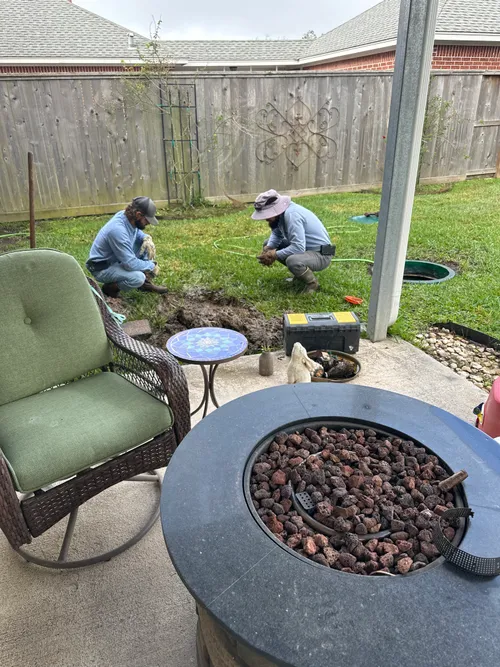
Brighteyes Septic
395 County Rd 608, Dayton, TX 77535
Brighteyes Septic is a septic tank pumping, inspection, repair, and installation company serving Houston, TX, and surrounding areas including Liberty, Dayton, and Baytown. The company offers comprehensive septic system services with a focus on professional installation and maintenance. With over 125 combined years of experience, Brighteyes Septic provides knowledgeable staff who prioritize customer education and environmental care. They serve multiple counties and communities around Houston and are known for their thorough inspections and timely repairs.

Abracadabra Septic Pumping
16655 FM 362, Waller, TX 77484
Abracadabra Septic Pumping is a family-owned business serving Houston, TX, and surrounding areas within 50 miles. Since 2004, they have provided residential and commercial septic system services including pumping, installation, and repairs. Their state-certified technicians handle projects of all sizes and offer same-day service to address septic system needs promptly. The company is fully licensed and insured, with manufacturer warranties supporting their work.

Septic Pro Services
17355 Reiss Trail, New Caney, TX 77357
Septic Pro Services offers comprehensive septic system solutions in Houston, TX, including inspections, pumping, installations, repairs, and maintenance for residential and commercial properties. The family-run company combines nearly two decades of construction and plumbing experience with state licensing and compliance expertise to ensure systems meet Texas Commission on Environmental Quality standards. Their capabilities include high-pressure hydro jetting to clear clogs and restore flow. Septic Pro Services provides emergency septic services available 24/7 for urgent pumping and repairs, emphasizing hands-on leadership and customer-focused care.
Brown Aerobic Septic Specialists
17618 South Dr, Cypress, TX 77433
Brown Aerobic Septic Specialists is a licensed septic and excavation company serving Houston, TX, and surrounding counties. They provide a wide range of services including aerobic and conventional septic system installation, repair, pumping, inspections, and drain field replacement. Their team also offers excavation services such as grading, land clearing, trenching, and pond construction. With a focus on local soil and weather conditions, they ensure systems meet code and perform reliably. The company is led by a second-generation septic professional and has experience servicing over 1,000 systems.

1 Source Water Well & Septic Services
1210 FM 1486, Magnolia, TX 77354
1 Source Water Well & Septic Services is a septic system repair and installation company serving Houston, TX. They provide septic tank installation, septic pump repair, and replacement services. The company is known for coordinating well with other contractors and handling permits efficiently. Their team offers thorough septic system installations and repairs, ensuring proper placement and backfilling. Customers have noted their knowledge and professionalism in both septic and water well services. 1 Source Water Well & Septic Services has built a reputation for clear communication and dependable work. The company also handles water well services alongside septic systems, offering comprehensive solutions for residential needs. Their technicians are experienced in diagnosing and repairing pump issues promptly. While no specific years in business are stated, customer feedback reflects consistent quality and repeat business.
Understanding Your Septic System in Houston
Most homes in the Houston area not connected to municipal sewer lines use an On-Site Sewage Facility (OSSF), commonly called a septic system. These systems treat and dispose of household wastewater on your property. There are two primary types: conventional anaerobic systems and aerobic treatment systems (ATUs). Aerobic systems are particularly common in newer Houston-area developments and areas with poor soil drainage because they provide a higher level of treatment, which is often required by local regulations 1. Understanding which type you have is the first step in identifying and addressing repair needs.
Common Septic Repairs Needed in Houston
Septic system issues can range from minor component failures to major drain field problems. Recognizing the signs early can save you from more extensive and costly repairs down the line.
Aerobic System Component Repairs
Aerobic systems rely on electrical components to inject air into the treatment process. Common repairs for these systems include:
- Replacing or repairing air pumps (aerators) that have failed.
- Fixing or cleaning clogged spray heads that distribute treated effluent.
- Repairing or replacing malfunctioning control panels and alarm systems.
- Servicing the chlorinator or UV light component for final disinfection 2.
Tank-Related Issues
The septic tank itself can be a source of problems requiring professional attention.
- Pumping and Cleaning: This is not a repair per se but a critical maintenance task to prevent repair needs. When sludge and scum accumulate, they can flow into and clog the drain field, leading to system failure. Pumping is typically needed every 3-5 years.
- Structural Damage: Cracks in concrete tanks or deterioration of baffles (which keep solids in the tank) require immediate repair to prevent untreated sewage from escaping.
- Inlet/Outlet Pipe Blockages: Roots or solidified grease can block pipes leading into or out of the tank, causing backups.
Drain Field Rehabilitation
This is often the most serious and expensive type of repair. Signs include soggy ground, foul odors, or sewage backing up into the home.
- Repairing or replacing collapsed or root-clogged distribution pipes.
- Addressing "biomat" buildup-a layer of sludge that clogs the soil-through specialized treatments.
- In severe cases, installing a completely new drain field (leach field).
The Inspection Process: Diagnosing Repair Needs
Before any repair can be planned, a thorough inspection is necessary to diagnose the exact problem. A proper evaluation often involves several steps 3 4:
- Surface Evaluation: The technician will walk the drain field area looking for telltale signs of failure like standing water, overly lush grass, or unpleasant odors.
- Tank Access and Inspection: The tank lids are located and uncovered. The inspector will check the sludge and scum levels, look for structural cracks, and inspect the baffles and tees.
- Hydraulic Load Test: Running water through the system to see if it drains properly or backs up, indicating a drain field issue.
- Dye Test or Camera Inspection: Introducing a non-toxic dye into the system or using a sewer camera can help locate leaks or blockages in the pipes.
- Component Testing (for aerobic systems): All electrical components, including pumps, aerators, and alarms, are tested for proper operation.
Find the perfect septic system repair companies for your needs
Get personalized recommendations and expert advice
Houston and Texas Regulations for Septic Repairs
In Texas, septic system work is regulated by the Texas Commission on Environmental Quality (TCEQ). Harris County has additional local oversight, primarily through the Office of the County Engineer 5. Ignoring these rules can lead to fines and permit revocation.
- Licensing Requirement: Virtually all septic system repairs must be performed by a TCEQ-licensed OSSF Installer or Maintenance Provider. It is illegal for an unlicensed person to perform this work.
- Permitting: Most repair work requires a permit from the local permitting authority (e.g., Harris County). However, Texas law allows for "emergency repairs" to be made without a prior permit if the repair is reported within 72 hours.
- Inspection Notification: In Harris County, you or your contractor must notify the Office of the County Engineer at least 24 hours before a required inspection of the repaired system 6.
- System Compliance: All repairs must bring the system into compliance with its originally approved design or a newly approved plan. You cannot legally replace a component with a different type without approval 7.
Cost Considerations for Septic Repairs
Repair costs in Houston vary widely based on the system type and the severity of the problem. It's always wise to get multiple estimates from licensed providers.
- Routine Inspection & Maintenance: For aerobic systems, a standard maintenance visit typically costs between $150 and $300.
- Septic Tank Pumping: Pumping a residential tank generally ranges from $300 to $600 or more, depending on tank size and accessibility 8.
- Minor Repairs: Fixing a pump, replacing a spray head, or repairing an alarm system might cost between $500 and $1,000.
- Major Repairs: Significant work like drain field repair or replacement is a major investment, often ranging from $3,000 to over $10,000 9.
Maintaining Your System to Avoid Future Repairs
The best repair is the one you never need. Proactive maintenance is key, especially for the mechanically dependent aerobic systems common in Houston.
- Schedule Annual Maintenance: Have a licensed maintenance provider service your aerobic system at least once a year, as required by TCEQ rules 10.
- Pump Regularly: Don't wait for problems. Pump your tank on a schedule (3-5 years) based on household size and usage.
- Mind What You Flush: Only human waste and toilet paper should go down the drain. Avoid grease, chemicals, wipes, and other non-biodegradables.
- Conserve Water: Spreading out laundry loads and fixing leaks reduces the hydraulic load on your system, extending its life.
- Protect the Drain Field: Never park vehicles or build structures over it. Keep roof drains and sump pumps directed away from the area.
Frequently asked questions
Sources
Footnotes
-
Septic systems explained - Texas Water Resources Institute - https://twri.tamu.edu/blog/septic-systems-explained/ ↩
-
Texas Septic Systems & OSSF Requirements | 2026 Guide - https://texaslandbrokerage.com/resources/texas-septic-systems-ossf-requirements-guide/ ↩
-
Septic Inspection Process: What Homeowners Should Know | LunsPro - https://www.lunspro.com/vlog/the-septic-system-inspection-process-what-homeowners-should-know ↩
-
Understanding Septic Tank Inspections: A Complete Homeowner's ... - https://septic-masters.com/septic-tank-inspection-homeowner-guide/ ↩
-
Texas Septic System Regulations - https://dillonseptic.com/texas-septic-system-regulations/ ↩
-
Residential Construction & On-site Sewage System (Septic) - https://oce.harriscountytx.gov/Services/Permits/Permits-A-to-Z/Residential-Construction-On-site-Sewage-System-Septic ↩
-
Basics for Septic Systems - https://www.tceq.texas.gov/assistance/water/fyiossfs.html ↩
-
The Importance of Regular Septic Tank Pumping to Avoid Costly Repairs - https://jtserviceco.com/regular-septic-tank-pumping-to-avoid-costly-repairs/ ↩
-
The Ultimate Guide to Aerobic Septic System Maintenance ... - https://epicseptic.com/the-ultimate-guide-to-aerobic-septic-system-maintenance-repairs-in-central-texas/ ↩
-
Advice for an Owner of an On-Site Sewage Facility (Septic System) - https://www.tceq.texas.gov/permitting/ossf/ossfadvice.html ↩