
Find the Best Septic System Repair Companies for Your Business
No obligation • Fast responses • Nationwide coverage

Why you can trust Septic Spot
Septic Spot is a leading United States resource for understanding and comparing septic services. Our editors review providers using consistent criteria and verify key business details. Listings and scores are independent, and companies cannot pay to influence our content.
Search providers near you
Top Septic System Repair Companies in Killeen, Texas Ranked
When your home's on-site sewage facility (OSSF) shows signs of trouble-like slow drains, soggy ground over the drainfield, or unpleasant odors-prompt septic system repair is essential. In Killeen, these repairs are regulated by state and local authorities to protect public health and groundwater. This guide explains the common types of septic repairs, the local rules you must follow, and how to find qualified professionals to restore your system's function and avoid environmental hazards.
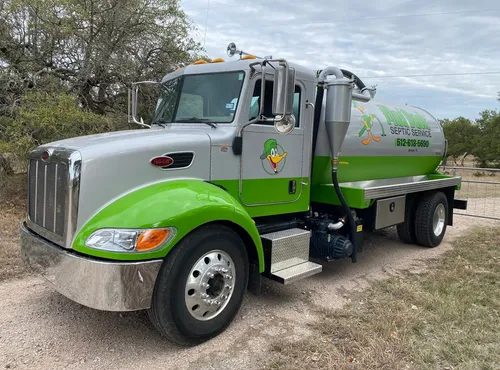
Mud Duck Septic Service
Austin, TX
Mud Duck Septic Service is a family-owned and locally operated company providing septic tank pumping, inspection, and repair services in Austin, TX. They serve nearby communities including Bertram, Burnet, Georgetown, Liberty Hill, and Spicewood. The company is fully licensed and insured, focusing on industry best practices and personalized consultations to address a range of septic system needs. Mud Duck Septic Service emphasizes careful workmanship and attention to detail in all projects.
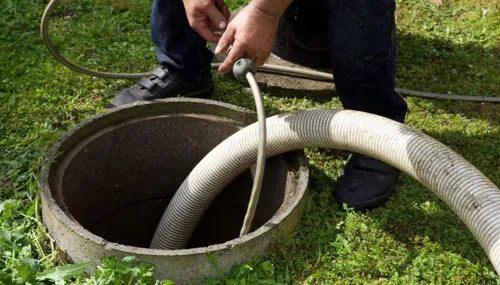
Hometown Septic Services
Austin, TX
Hometown Septic Services provides comprehensive septic system solutions in Austin, TX, and surrounding communities. They serve both residential and commercial clients, offering services such as septic tank pumping, inspections, repairs, and pump replacements. The company specializes in septic pump repairs to ensure efficient wastewater management and compliance with local regulations. Hometown Septic also offers emergency septic services to address urgent system failures promptly. Their team is equipped to handle a wide range of septic system needs, maintaining system functionality and preventing future issues.
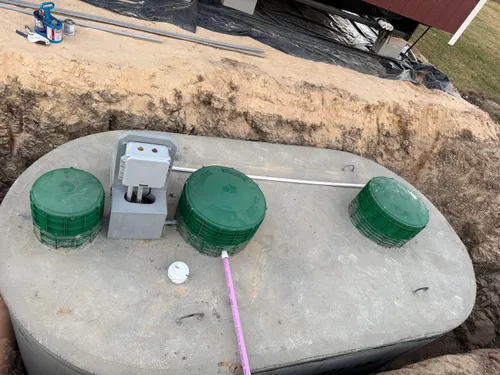
Best Texas Septic
11244 TX-36 Unit D, Temple, TX 76504
Best Texas Septic is a septic tank pumping, inspection, and repair company serving Killeen, TX. They provide professional septic system services for both residential and commercial properties, focusing on tailored solutions to meet specific property needs. The company emphasizes long-term care and preventative maintenance to extend the life of septic systems. They handle emergency service calls promptly, including weekends, aiming to respond within 48 hours and often the same day.
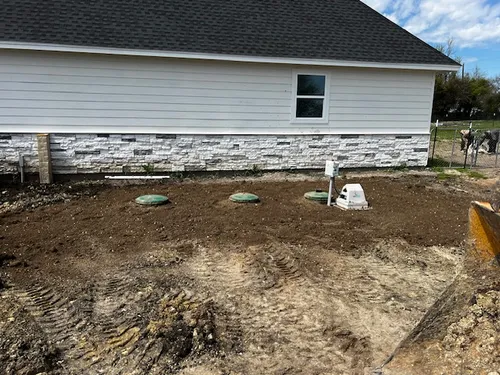
K&M Contracting LLC
Waco, TX
K&M Contracting LLC provides septic system installation, inspection, and repair services in Waco, TX, and the surrounding Central Texas region. They specialize in septic solutions for homeowners, businesses, and property developers, with expertise in local soil conditions and regulatory requirements. The company serves areas including Waco, Woodway, Hewitt, Robinson, Bellmead, China Spring, and Lorena. K&M Contracting offers tailored septic system services designed to address challenges such as clay-heavy soils and fluctuating water tables common in Central Texas.

All About Septic
4631 US-190, Belton, TX 76513
All About Septic is a septic tank inspection and repair company serving Killeen, TX, and surrounding areas. They specialize in maintaining and repairing various aerobic septic systems, including Pro Flo, Clearstream, Nayadic, Norweco Singulair Green, Aqua Aire, and Enviro Flo. With over 16 years of experience, the company offers expertise in evaluating and servicing septic systems to ensure they meet property needs and environmental standards.
Understanding Septic System Regulations in Bell County
All septic system work in Killeen falls under the jurisdiction of the Texas Commission on Environmental Quality (TCEQ) and is managed locally by the Bell County Public Health District or another authorized agent 1. These entities enforce TCEQ rules (Title 30 TAC Chapter 285), which mandate that most repairs require a permit 2. A key rule is that any construction, repair, or modification of your OSSF needs this permit, unless it's classified as a minor repair not involving the tank itself. Even minor repairs must be reported to the local authority within 72 hours of completion.
Crucially, repairs must be performed by a TCEQ-licensed installer. The only exception is for homeowners repairing the system on their own single-family residence, though they must still obtain the necessary permits and ensure the work meets all codes. For homeowners with aerobic treatment systems (common in areas with less ideal soil), additional rules apply: you are required to have a maintenance contract with a licensed professional who must inspect the system every four months. Understanding these regulations is the first step to ensuring your repair is legal, safe, and effective.
Common Types of Septic Repairs Needed in Killeen
Septic issues can range from routine maintenance to major component failure. Here are the most frequent repairs homeowners in the area encounter:
- Septic Tank Pumping: While often considered maintenance, pumping is a corrective action for a full tank. It's recommended every 3-5 years to prevent solids from escaping into and clogging the drainfield, which is a leading cause of system failure.
- Aerobic System Component Repairs: Aerobic systems use mechanical parts like aerator pumps, blowers, and sprinklers. These components, especially pumps and blowers, typically need repair or replacement every 5-8 years 3. Malfunctions can lead to system alarms and inadequate treatment of wastewater.
- Drainfield or Lateral Line Repair: This is often the most serious and costly issue. When a drainfield becomes clogged with biomat or fails due to compaction or root intrusion, it may require specialized cleaning, repair of individual lines, or a complete replacement 4 5.
- Tank Structural Repairs: This includes fixing cracks in the concrete tank itself or replacing damaged inlet/outlet baffles and tees. Failed baffles can allow solids to pass into the drainfield, causing rapid clogging.
- Pump or D-Box Replacements: For systems with a pump tank (used to move effluent to a raised drainfield), the pump or the distribution box (D-box) that splits flow to lateral lines may fail and require replacement.
Find the perfect septic system repair companies for your needs
Get personalized recommendations and expert advice
The Professional Repair and Inspection Process
When you hire a licensed professional for septic system repair in Killeen, they follow a structured process to diagnose and fix the problem correctly.
- System Assessment & Diagnosis: The technician will first locate and inspect the tank, check scum and sludge levels, and assess the drainfield for signs of failure. For aerobic systems, they will check all mechanical components and control panels.
- Permit Acquisition: For any repair requiring a permit, your licensed installer will typically handle the application process with the Bell County Public Health District, ensuring the proposed work meets TCEQ standards 6.
- Performance Verification: After repairs, especially on aerobic systems, the professional will conduct a performance test to ensure the system is operating within design specifications. This is a critical step before the system is put back into regular use.
- Reporting: The licensed installer is responsible for submitting final reports to the local permitting authority. For aerobic systems, this includes the mandatory four-month inspection reports that confirm your system is functioning properly 7 8.
Cost Considerations for Septic Repairs
Repair costs can vary widely based on the issue's complexity and your system type. Here's a general overview of what homeowners in Central Texas might expect 9 10:
- Septic Tank Pumping: $300 - $600.
- Aerobic System Maintenance Contract: $400 - $800 per year (covers required inspections and minor adjustments).
- Component Replacement (Pump, Blower, Alarm): Costs vary, but these are expected repairs every 5-8 years.
- Major Drainfield Repair or Partial System Replacement: $6,000 - $20,000+. The final cost depends heavily on soil conditions, system type (conventional vs. aerobic), and the extent of the damage.
Investing in timely repairs and routine maintenance is almost always less expensive than dealing with a complete system failure, which can involve costly excavation, landscaping, and full replacement.
Maintaining Your System to Avoid Major Repairs
Proactive care is the best way to minimize the need for emergency septic system fixes. Adhere to a regular pumping schedule based on household size and tank capacity. Be mindful of what goes down the drains-avoid flushing anything other than human waste and toilet paper, and never pour grease, chemicals, or excessive food waste into the system. For aerobic systems, strictly adhere to the maintenance contract and four-month inspection schedule to catch small issues before they become big, expensive problems 11 12. Direct water runoff from roofs and driveways away from your drainfield area to prevent saturation.
Frequently asked questions
Sources
Footnotes
-
What laws in Texas apply to septic systems? - Water School - https://brazos.org/about-us/education/water-school/articleid/349/what-laws-in-texas-apply-to-septic-systems ↩
-
Septic Tank Laws in Texas - https://dillonseptic.com/septic-tank-laws-in-texas/ ↩
-
On-Site Sewage Facilities (Septic Systems): General Information - https://www.tceq.texas.gov/permitting/ossf/ossfgeneral.html ↩
-
Installing a Septic System at Your Home: What the Process Looks Like - https://brighteyestexas.com/installing-a-septic-system-at-your-home-what-the-process-looks-like/ ↩
-
Advice for an Owner of an On-Site Sewage Facility (Septic System) - https://www.tceq.texas.gov/permitting/ossf/ossfadvice.html ↩
-
Basics for Septic Systems - https://www.tceq.texas.gov/assistance/water/fyiossfs.html ↩
-
Texas Septic Tank Rules - https://dillonseptic.com/texas-septic-tank-rules/ ↩
-
Does Texas Require Septic Inspection - TexInspec - https://texinspec.com/does-texas-require-septic-inspection/ ↩
-
Cost of a Septic System in Texas - https://dillonseptic.com/cost-of-a-septic-system-in-texas/ ↩
-
Texas Septic Systems & OSSF Requirements | 2026 Guide - https://texaslandbrokerage.com/resources/texas-septic-systems-ossf-requirements-guide/ ↩
-
The Ultimate Guide to Aerobic Septic System Maintenance ... - https://epicseptic.com/the-ultimate-guide-to-aerobic-septic-system-maintenance-repairs-in-central-texas/ ↩
-
Checklist for Existing Sewage Systems - https://www.browncountyhealth.org/index.php/downloads/category/1-forms?download=337:existing-sewage-system-packet ↩