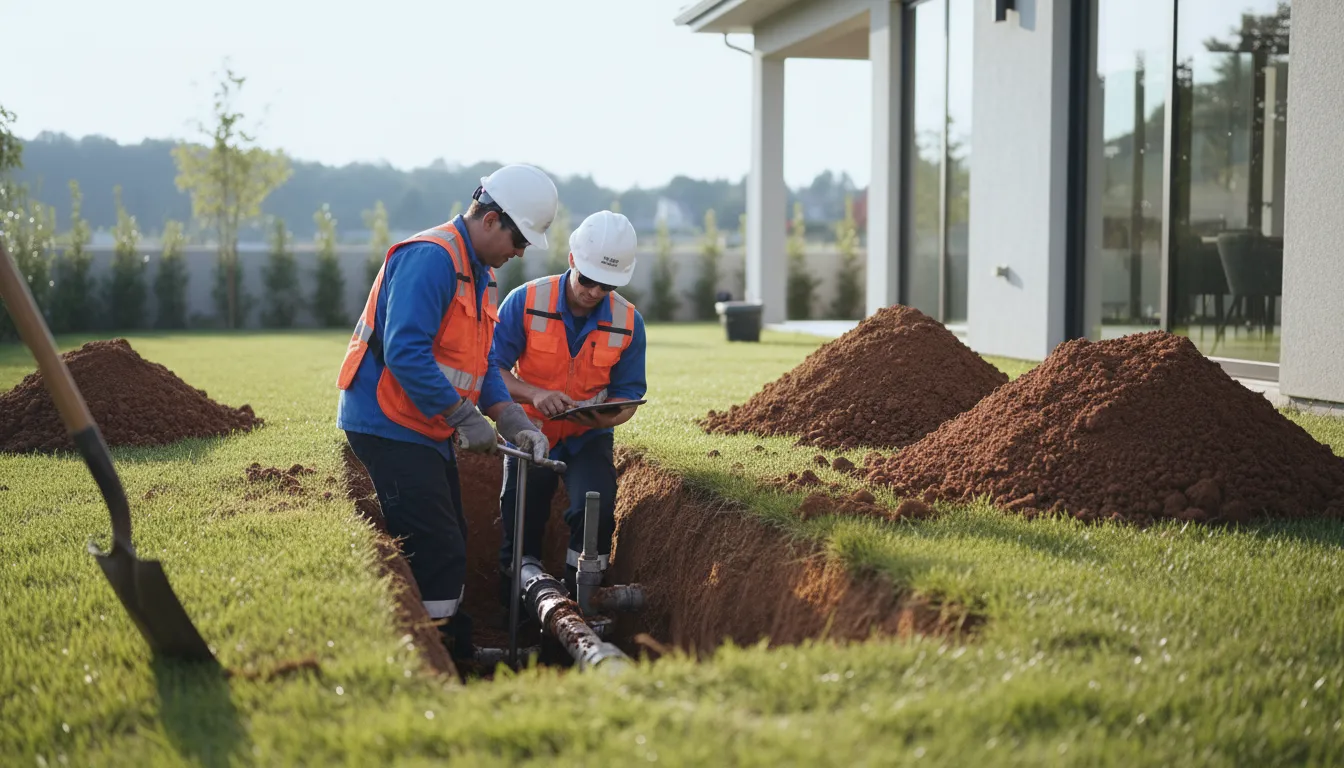
Find the Best Septic System Repair Companies for Your Business
No obligation • Fast responses • Nationwide coverage

Why you can trust Septic Spot
Septic Spot is a leading United States resource for understanding and comparing septic services. Our editors review providers using consistent criteria and verify key business details. Listings and scores are independent, and companies cannot pay to influence our content.
Search providers near you
Top Septic System Repair Companies in Fort Worth, Texas Ranked
When your septic system fails, it's more than an inconvenience-it's a potential health hazard and a significant property issue. Septic system repair involves diagnosing and fixing problems with your tank, pipes, drain field, or related components to restore proper wastewater treatment on your property. In Fort Worth and Tarrant County, these repairs are strictly regulated to protect groundwater and public health. This guide explains the local repair process, costs, regulations, and how to find qualified professionals to handle your septic tank repair or system restoration needs.
HomeField Parker County
617 Pine St, Aledo, TX 76008
HomeField Parker County is a septic service provider based in Fort Worth, TX, offering comprehensive septic system solutions for both residential and commercial clients. Their services include septic tank pumping, inspections, repairs, installations, drain field replacement, and system design. They also provide real estate septic inspections and maintenance plans to help customers stay compliant with local regulations. HomeField Parker County serves Parker, Johnson, and Hood counties, bringing local expertise to every job. Their team is equipped to handle emergency septic repairs and routine maintenance, ensuring systems operate efficiently and meet current standards.
Septic family
545 Harrold St apt 7001, Fort Worth, TX 76107
Septic Family is a septic tank pumping, cleaning, repair, and installation company serving Dallas, TX, and surrounding areas including Fort Worth and multiple nearby communities. The company specializes in both conventional and aerobic septic systems, offering maintenance contracts, installations, and repairs. With 17 years of experience, Septic Family provides bilingual services in English and Spanish and is available 24/7 for septic system needs.
Burleson Septic Cleaning
2410 SW Hulen St, Burleson, TX 76028
Burleson Septic Cleaning is a family-owned septic service provider based near Dallas, TX, serving Tarrant and Johnson Counties. Since 1972, they have offered residential and commercial septic tank pumping, system cleaning, and repair services. Their team uses state-of-the-art commercial vacuum trucks and specializes in lift station maintenance and repair. With over 50 years of experience, Burleson Septic Cleaning provides true 24/7 emergency service with live operators to handle septic issues anytime.
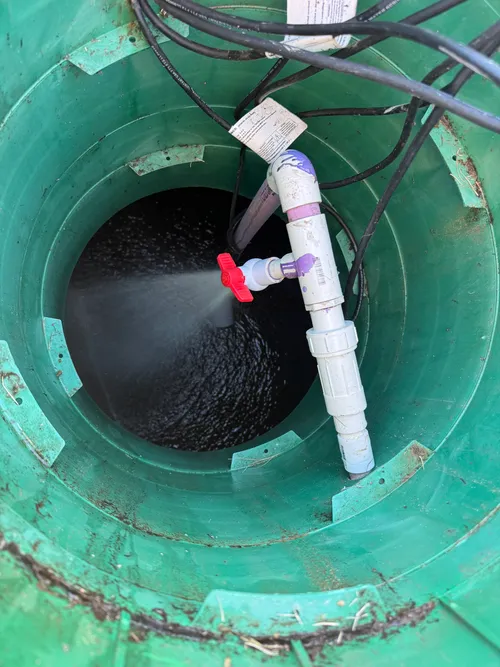
SB Septic and Sewer Ft Worth
8204 FM1902, Joshua, TX 76058
SB Septic and Sewer Ft Worth is a septic tank inspection and repair company based in Fort Worth, TX. They provide septic and sewer services across the greater Dallas-Fort Worth area, including multiple East Texas counties. The company offers photo documentation and warranties on repairs, with a licensed and insured technician team to support their work.
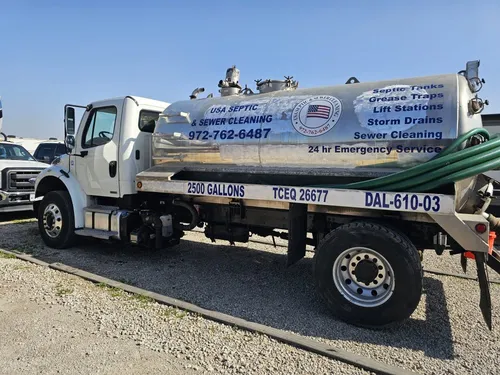
USA Septic and Sewer Cleaning
4661 Ray White Rd, Fort Worth, TX 76244
USA Septic and Sewer Cleaning is a licensed septic service provider based near Dallas, TX, serving Fort Worth, Keller, and Tarrant County. They offer septic tank pumping, inspection, system repair, lift station maintenance, and grease trap cleaning for residential and commercial clients. The company provides 24/7 emergency septic and lift station repair services to address backups, overflows, and pump failures promptly. Their team uses advanced equipment to maintain system efficiency and compliance, helping prevent costly repairs and blockages.
Understanding Septic System Repairs in Tarrant County
A septic system is a complex, buried wastewater treatment structure. Repairs can range from simple fixes, like replacing a clogged filter, to major undertakings, such as rehabilitating a failed drain field. Common issues requiring septic service in Fort Worth include sewage backups, foul odors, soggy ground over the drain field, and alarms from aerobic treatment units (ATUs).
The repair process is governed by the Texas Commission on Environmental Quality (TCEQ) and enforced locally by Tarrant County Public Health's Environmental Health department. Their primary goal is to ensure any work on an On-Site Sewage Facility (OSSF)-the official term for septic systems-is done correctly to prevent contamination. This means most repairs cannot be a simple DIY project; they require understanding of both the system's mechanics and local codes.
The Critical First Step: Permits and Regulations
Before any shovel hits the ground for a repair, you must understand Tarrant County's permitting rules. A permit is required for any repair, extension, or alteration of your OSSF. This includes fixing broken pipes, replacing baffles, or addressing drain field problems.
- Permitting Authority: All permits are issued through Tarrant County Public Health (Environmental Health) 1.
- Who Can Perform Work: Repairs must generally be performed by a TCEQ-licensed installer or site evaluator. However, a homeowner may perform work on their own single-family residence if they comply with all regulations and obtain the necessary permit 2.
- Emergency Situations: If a repair is urgently needed to prevent a health hazard (e.g., surfacing sewage), work may begin immediately. However, you are legally required to report this action to Tarrant County Environmental Health within 72 hours 3.
- Site Constraints: Even for repairs, existing rules apply. Systems must maintain minimum distances from property lines, water wells, buildings, and trees. In many Fort Worth area subdivisions, lots must be at least one acre for an OSSF 4 5.
Ignoring these regulations can result in fines and may complicate the sale of your property later. Always check with the county to confirm current requirements before proceeding.
Common Septic Repairs and Their Costs
Repair costs in Fort Worth vary widely based on the problem's severity and the system type (conventional vs. aerobic). Below is a breakdown of common septic fixes and their associated price ranges, based on local provider data.
Minor Component Repairs ($300 - $4,000) These are the most frequent service calls.
- Baffle Repair/Replacement: The inlet or outlet baffle inside your tank can deteriorate. Repairing or replacing it typically costs $300 to $900.
- Pipe Repair: Digging up and replacing broken, cracked, or clogged pipes between your house and tank or tank and drain field can range from $1,000 to $4,000.
- Pump or Alarm Service: For aerobic systems, repairing or replacing a malfunctioning pump, aerator, or alarm control panel often falls within this range.
Major System Repairs ($1,500 - $50,000+) These repairs are more invasive and costly.
- Tank Replacement: If a tank is cracked or structurally compromised, it must be replaced. The tank itself can cost $1,500 to $5,000, plus excavation and installation labor.
- Drain Field Repair: This is often the most expensive fix. Solutions can include cleaning clogged lines, installing new lateral lines, or a complete drain field replacement. Costs range from a few thousand dollars for partial repairs to $20,000-$50,000+ for a full replacement on a large system 6.
- Aerobic System Overhaul: Aerobic treatment units (ATUs) have more mechanical parts and require specialized knowledge. Annual maintenance contracts are common and cost $300-$600, but major component failures can be costly.
Find the perfect septic system repair companies for your needs
Get personalized recommendations and expert advice
The Professional Repair Process: From Diagnosis to Completion
A proper septic system restoration follows a logical sequence to ensure the root cause is addressed.
- Complaint & Initial Assessment: You contact a licensed professional describing symptoms (e.g., slow drains, odor). They will ask about your system's history and maintenance.
- Locate & Uncover: The technician will locate your tank and drain field. Having "risers" installed to grade makes this much easier and cheaper. They will uncover the tank access ports 7 8.
- Comprehensive Inspection: A thorough inspection is the cornerstone of an accurate repair. A pro will:
- Check for surface issues like wet spots or unusually lush grass.
- Measure sludge and scum levels inside the tank.
- Inspect the tank interior for cracks, baffle condition, and signs of leakage 9.
- Perform a flow test to see if water is moving properly to the drain field.
- For aerobic systems, test all pumps, alarms, and electrical components 10.
- Diagnosis & Proposal: The professional will explain the problem, provide a detailed repair plan, and an estimate. They should also advise if a county permit is needed for the proposed work.
- Permitting: The contractor or homeowner submits the repair plan to Tarrant County Public Health for a permit. Typical permit fees range from $400 to $800.
- Execution of Repair: Once permitted, the licensed crew performs the repair, adhering to all county and TCEQ standards.
- Final Inspection & Approval: After completion, the county may require a final inspection to close the permit and approve the work.
Why Professional Diagnosis is Non-Negotiable
While a homeowner might notice symptoms, accurately diagnosing a septic issue requires expertise. A common mistake is assuming a full tank is the problem when the issue is actually a blocked pipe or failing drain field. Pumping a tank when the drain field has failed provides only a very temporary fix. Professionals have the tools and knowledge to perform the tests (like a dye test or soil percolation test) that pinpoint the exact failure point, saving you money on unnecessary or incorrect repairs in the long run 11.
Planning for Major Repairs or Replacement
If your system is old or the drain field has failed, a repair may not be feasible. A full system replacement may be required. In Tarrant County, this involves a new site evaluation and design (costing $600-$1,200), a new permit, and installation. Total costs for a new conventional system typically start around $6,000, with complex or aerobic systems running $15,000 to $20,000 or more12 13 14. Financing options are often available through repair companies.
Maintaining Your System Post-Repair
After investing in a repair, protect that investment with proper maintenance. Have your tank pumped regularly (every 3-5 years for conventional, more often for aerobic), conserve water, and avoid flushing harmful chemicals or non-biodegradables. For aerobic systems, adhere strictly to the maintenance contract. Proper care is the best way to avoid another costly septic tank fix down the line.
Frequently asked questions
Sources
Footnotes
-
On-Site Sewage Facility Permit - Tarrant County - https://www.tarrantcountytx.gov/en/engineering-services/environmental/on-site-sewage-facility-permit.html ↩
-
TARRANT COUNTY PUBLIC HEALTH - https://www.tarrantcountytx.gov/content/dam/main/public-health/ph-environmental-health/OSSF_Procedure_Sheet_2023.pdf ↩
-
Advice for an Owner of an On-Site Sewage Facility (Septic System) - https://www.tceq.texas.gov/permitting/ossf/ossfadvice.html ↩
-
Basics for Septic Systems - https://www.tceq.texas.gov/assistance/water/fyiossfs.html ↩
-
Septic System FAQs - https://newtools.cira.state.tx.us/upload/page/7913/docs/Health/Water%20Quality/Water%20Quality%20FAQs%20%282%29.pdf ↩
-
How Much Does a Septic System & Septic Tank Cost - NexGen Septics - https://www.nexgenseptics.com/septic-system-cost/ ↩
-
How long does a septic inspection take in Dallas, Fort Worth? - https://texinspec.com/how-long-does-a-septic-inspection-take-in-dallas-fort-worth/ ↩
-
Preparing for Septic Tank Inspection: 7 Key Steps - https://septic911.com/preparing-for-septic-tank-inspection/ ↩
-
Septic System Inspections: A Step-by-Step How-To Guide - https://westcoastsanitationinc.com/septic-inspection-service/ ↩
-
Texas OSSF Inspection Requirements: Complete Guide for 2025 - https://www.fieldbaseos.com/blog/texas-ossf-inspection-requirements.html ↩
-
DIY vs Professional Septic Inspections: Do You Need Pro Help? - https://www.sterlingsepticandplumbing.com/blog/diy-vs-pro-septic-inspections/ ↩
-
Aerobic Septic System Cost in Texas (Updated 2026) - https://dillonseptic.com/aerobic-septic-system-cost-in-texas/ ↩
-
Cost Breakdown: How Much to Repair a Septic Tank? - https://www.wepumpitsepticservice.com/how-much-does-it-cost-to-repair-septic-tank ↩
-
Getting a Permit for an OSSF - Such as a Septic System - https://www.tceq.texas.gov/permitting/ossf/ossfpermits.html ↩