
Find the Best Septic System Repair Companies for Your Business
No obligation • Fast responses • Nationwide coverage

Why you can trust Septic Spot
Septic Spot is a leading United States resource for understanding and comparing septic services. Our editors review providers using consistent criteria and verify key business details. Listings and scores are independent, and companies cannot pay to influence our content.
Search providers near you
Top Septic System Repair Companies in Cedar Park, Texas Ranked
Maintaining a functional septic system is crucial for the health of your home and the local environment in Cedar Park. When your system shows signs of trouble-like slow drains, soggy ground over the drain field, or unpleasant odors-prompt septic system repair is essential to prevent a minor issue from becoming a major health hazard and an expensive replacement project. This guide explains the repair process, local regulations, and typical costs to help you navigate finding qualified local professionals to restore your system to proper working order.
Hambone Plumbing and Septic Pumping
818 W 2nd St, Taylor, TX 76574
Hambone Plumbing and Septic Pumping is a family-owned business serving the Austin, TX area with over 30 years of experience. They provide residential and commercial plumbing and septic services, including septic tank pumping, inspections, and repairs. Their licensed team offers comprehensive solutions such as water heater installation and flushing, drain and sewer line cleaning, and advanced leak detection using thermal imaging technology. Hambone Plumbing and Septic Pumping is available 24/7 to handle emergency plumbing needs and maintain efficient, safe plumbing systems.
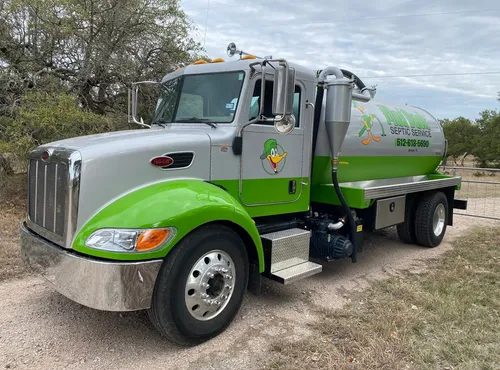
Mud Duck Septic Service
Austin, TX
Mud Duck Septic Service is a family-owned and locally operated company providing septic tank pumping, inspection, and repair services in Austin, TX. They serve nearby communities including Bertram, Burnet, Georgetown, Liberty Hill, and Spicewood. The company is fully licensed and insured, focusing on industry best practices and personalized consultations to address a range of septic system needs. Mud Duck Septic Service emphasizes careful workmanship and attention to detail in all projects.
Synergy Onsite Septic Solutions
Austin, TX
Synergy Onsite Septic Solutions is a septic tank inspection, repair, and installation company based in Austin, TX. They serve Austin and Central Texas, including many surrounding communities. Their services include repairs, diagnostics, locating and marking septic systems, installation, replacements, maintenance contracts, and consulting. The company is known for providing accurate assessments and appropriate solutions to septic system issues, often helping customers avoid unnecessary repairs. They also offer assistance with inspection preparation and referrals for pumping and design services.
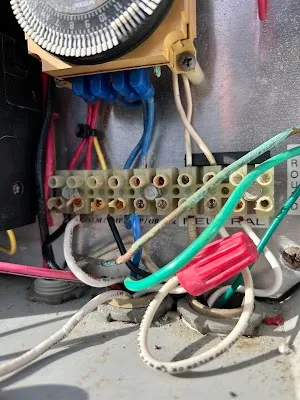
HomeField Williamson County
40203 Industrial Park Cir, Georgetown, TX 78626
HomeField Williamson County provides comprehensive septic system services in Austin, TX, covering residential and commercial needs. Their offerings include septic tank pumping, inspections, repairs, installations, drain field replacements, and system design. The company emphasizes local expertise and proactive maintenance plans to help prevent future problems. They serve Williamson County with a team familiar with local regulations and conditions, ensuring septic systems meet current requirements. HomeField also offers various maintenance plans tailored to different levels of coverage and support.
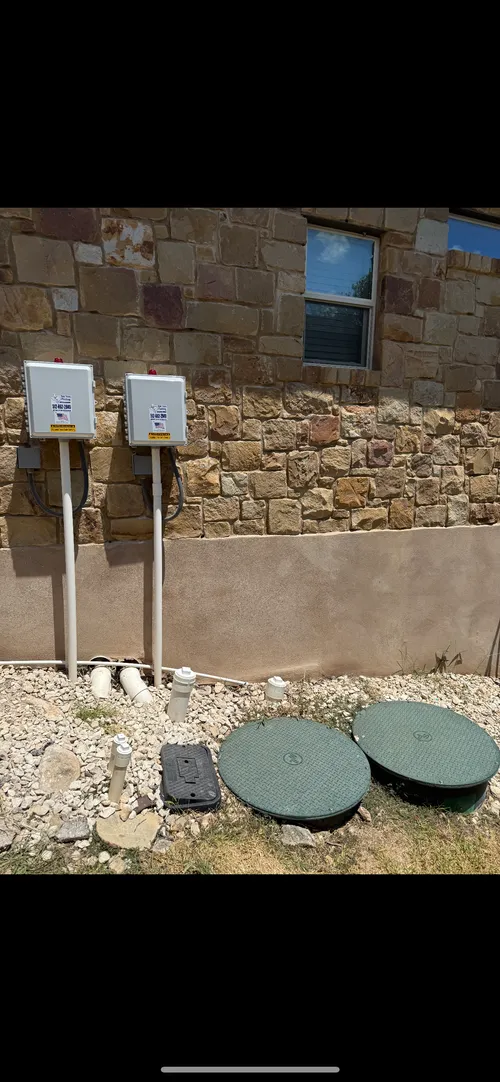
Real Texas Plumbing - Heating and Air
20811 Dawn Dr UNIT #706, Lago Vista, TX 78645
Real Texas Plumbing - Heating and Air is a septic system repair company based in Austin, TX. They specialize in septic pump repair and replacement, with a focus on diagnosing and fixing grinder pump and alarm issues. The company is known for identifying and addressing problems that other plumbers have missed, such as improper floaters and exposed wiring. Owner Efrain and his team provide clear explanations and practical solutions to septic system challenges.
Understanding Your Septic System and Common Failures
A septic system, or On-Site Sewage Facility (OSSF), is a private wastewater treatment system common in areas without centralized sewer service. In Cedar Park, systems are regulated by the Texas Commission on Environmental Quality (TCEQ) and enforced by local authorities like Williamson County. Most systems consist of a septic tank, where solids settle and begin to decompose, and a drain field (or leach field), where treated liquid effluent is dispersed into the soil for final purification.
Failures requiring septic system repair often manifest as:
- Sewage backups into household drains.
- Damp, spongy, or foul-smelling patches of grass over the drain field.
- Slowly draining sinks, tubs, or toilets.
- Alarms sounding from aerobic system control panels.
- Standing water or surfacing sewage around the tank or distribution box.
Local Regulations and Permit Requirements for Repairs
In Texas, nearly all septic system work requires oversight. For Cedar Park homeowners, understanding these rules is the first step in any repair project.
Permits Are Typically Required: A permit is mandatory to construct, alter, repair, or extend an OSSF. The permitting agency is usually the Williamson County Engineer's office or city authorities, who enforce TCEQ regulations (30 TAC 285). The scope of your repair will determine the permit needed.
Who Can Perform the Work? All septic system repair must be completed by a TCEQ-licensed installer, unless you are repairing the system serving your own single-family residence 1. For the vast majority of homeowners, hiring a licensed professional is not just a recommendation-it's often a legal requirement, especially for aerobic systems which have mandatory ongoing maintenance contracts.
Emergency Repairs: There is an exception for immediate emergency repairs, such as pumping out a flooded tank to halt a health hazard. However, these actions must be reported to the local permitting authority within 72 hours 2.
Types of Septic System Repairs in Cedar Park
Repairs can range from simple component swaps to extensive excavation. The type of system you have-conventional anaerobic or aerobic-will influence the common repair needs.
Aerobic System Repair
Aerobic Treatment Unit (ATU) systems, common in Central Texas due to soil conditions, use mechanical components to inject air into the wastewater, requiring more frequent maintenance and specific repairs.
- Aerator or Air Compressor Replacement: These pumps supply oxygen to the system; failure stops the treatment process.
- Sewage Effluent Pump Repair/Replacement: Moves treated water from the pump tank to the drain field.
- Control Panel and Alarm Repairs: Fixes electrical issues that manage timers and alert you to problems.
Tank Repairs
Issues with the septic tank itself often require excavation to access.
- Replacing Broken Baffles or Tees: These inlet/outlet devices prevent solids from exiting the tank; if broken, they can cause drain field clogs.
- Fixing Tank Leaks or Cracks: Can be caused by age, ground shifting, or root intrusion.
- Installing or Replacing Risers and Lids: Provides safe, easy access for future pumping and inspection.
Drain Field and Lateral Line Repair
This is often the most complex and costly type of septic system repair.
- Clearing or Replacing Clogged Leach Lines: Over time, biomat or root intrusion can clog the perforated pipes in the drain field.
- Repairing or Replacing a Distribution Box (D-Box): This component evenly distributes effluent to the drain field lines; if damaged or uneven, it can overload one section.
- Partial or Full Drain Field Replacement: In cases of severe failure, a new drain field area may need to be constructed.
Find the perfect septic system repair companies for your needs
Get personalized recommendations and expert advice
The Professional Repair Process: From Diagnosis to Final Inspection
A reputable licensed installer will follow a structured process to ensure the repair is effective and compliant.
- System Evaluation and Diagnosis: A technician will perform a thorough inspection, often including tank pumping, to assess all mechanical, electrical, and biological components. They will identify the root cause of the failure-whether it's a broken pump, a clogged line, or soil saturation 3.
- Permit Acquisition and Plan Submission: For repairs beyond simple part replacement, the installer will typically pull the required local permit on your behalf. An inspection report or repair plan may need to be submitted to the county authority.
- Execution of Repairs: The licensed professional will complete the necessary repairs, which may involve electrical work, plumbing, and excavation.
- Final Inspection and Documentation: For permitted alterations, the local authority (e.g., Williamson County) will often require a final inspection to ensure the work complies with state and local standards before the permit is closed 4 5. You should receive documentation of the repair and any warranties on parts or labor.
Cost Estimates for Septic Repairs
Repair costs in Cedar Park vary widely based on the system type, repair complexity, and soil conditions. The following estimates are based on typical local service ranges 6.
- Minor Repairs: Replacing a pump, aerator, or alarm panel, or installing a riser typically ranges from $300 to over $1,500.
- Major Tank or Component Repairs: Fixing a cracked tank (if possible), replacing a distribution box, or addressing significant electrical issues can cost between $1,000 and $3,000+.
- Drain Field Repair/Replacement: This is the most significant expense. Repairing or replacing a failing leach field can range from $5,000 to $15,000 or more, depending on the size and accessibility of the property.
- Permit Fees: Don't forget to factor in local permit fees, which can range from less than $100 to several hundred dollars depending on the repair's scope 7.
Proactive Maintenance to Avoid Costly Repairs
The best "repair" is prevention. Adhering to a consistent maintenance schedule can extend your system's life for decades.
- Pump Your Tank Regularly: Even with no obvious problems, septic tanks should be pumped every 3-5 years to remove accumulated solids that could otherwise flow into and clog the drain field 8.
- Maintain Aerobic System Contracts: If you have an ATU, adhere to the mandatory maintenance contract. These systems require quarterly inspections and servicing to keep mechanical parts functioning 9.
- Practice Smart Water Use: Fix leaks and spread out laundry loads to avoid hydraulically overloading the system.
- Mind What You Flush: Only human waste and toilet paper should go down the drain. Avoid chemicals, grease, diapers, and wipes (even "flushable" ones) 10.
- Protect the Drain Field: Never drive or park vehicles over it, and keep roof drains and landscaping irrigation away from the area.
Frequently asked questions
Sources
Footnotes
-
Getting a Permit for an OSSF - Such as a Septic System - https://www.tceq.texas.gov/permitting/ossf/ossfpermits.html ↩
-
Basics for Septic Systems - https://www.tceq.texas.gov/assistance/water/fyiossfs.html ↩
-
Maintenance of On-Site Sewage Facilities (Septic Systems) - https://www.tceq.texas.gov/permitting/ossf/ossfmaintenance.html ↩
-
The Ultimate Guide to Aerobic Septic System Maintenance ... - https://epicseptic.com/the-ultimate-guide-to-aerobic-septic-system-maintenance-repairs-in-central-texas/ ↩
-
Understanding the TCEQ: What Texas Homeowners Need to ... - https://brighteyestexas.com/understanding-the-tceq-what-texas-homeowners-need-to-know-about-septic-system-regulations/ ↩
-
Septic Tank Pumping Services | Cedar Park, TX - https://www.superiorseptictx.net/septic-tank-pumping-services-cedar-park-tx ↩
-
How a Septic System Works | Williamson County, TX - https://www.wilcotx.gov/651/How-a-Septic-System-Works ↩
-
Texas Septic Tank Rules - https://dillonseptic.com/texas-septic-tank-rules/ ↩
-
Texas Septic System Regulations - https://dillonseptic.com/texas-septic-system-regulations/ ↩
-
Septic System - Texas Water Resources Institute - https://twri.tamu.edu/wp-content/uploads/2024/04/em-126-septic-system-maintenance-inspection-pocket-guide.pdf ↩