
Find the Best Septic System Repair Companies for Your Business
No obligation • Fast responses • Nationwide coverage

Why you can trust Septic Spot
Septic Spot is a leading United States resource for understanding and comparing septic services. Our editors review providers using consistent criteria and verify key business details. Listings and scores are independent, and companies cannot pay to influence our content.
Search providers near you
Top Septic System Repair Companies in DeSoto, Texas Ranked
A failing septic system is more than an inconvenience; it's a health hazard and a significant property issue. Septic system repair involves diagnosing and fixing problems with your on-site sewage facility (OSSF), from the tank to the drain field. In DeSoto, these repairs are governed by specific state and local regulations to protect public health and groundwater. This guide will help you understand the repair process, local requirements, and how to find qualified professionals to restore your system's function.
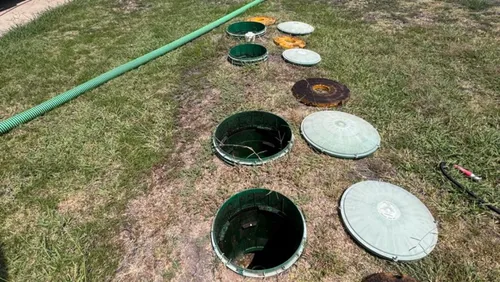
SB Septic and Sewer Service
9975 High Country Ln, Forney, TX 75126
SB Septic and Sewer Service provides septic tank inspection and septic system repair services in Dallas, TX. They serve the greater Dallas-Fort Worth area, including multiple East Texas counties such as Kaufman, Rockwall, Van Zandt, Dallas, Collin, Hunt, Tarrant, Johnson, Parker, Hood, and Ellis. The company offers photo documentation and warranties on repairs, with a licensed and insured technician team to support their work.

A Plus Environmental LLC
Dallas, TX
A Plus Environmental LLC is a septic tank inspection, repair, and installation company based in Dallas, TX. They offer a range of services including septic tank installation, repairs, inspections, and custom septic system design. The company also provides septic system monitoring contracts that comply with TCEQ and county regulations. A Plus Environmental LLC serves Ellis, Dallas, and Kaufman counties and is a licensed and insured OSSF installer and provider. They offer emergency septic services to address urgent issues promptly.
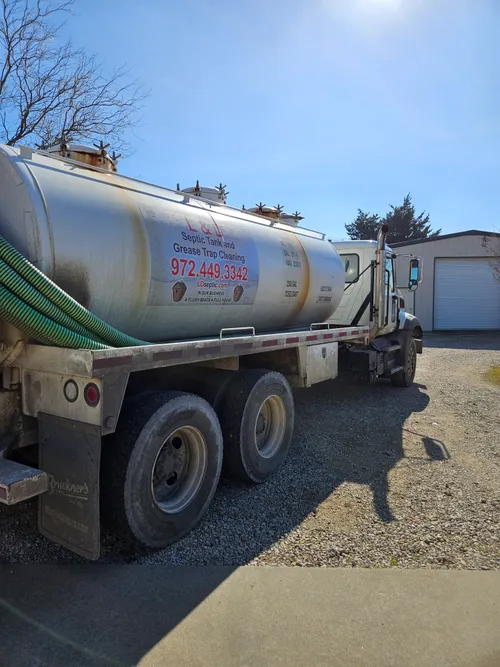
L & D Septic Tanks
Dallas, TX
L & D Septic Tanks provides comprehensive septic services in Dallas, TX, specializing in septic tank pumping, inspections, repairs, and installations. Serving Ellis County since 2003, the company offers expert maintenance and cleaning to keep septic systems operating efficiently. Their capabilities include aerobic treatment and precise excavation services for seamless system installation. With over two decades of experience, L & D Septic Tanks delivers thorough septic system care designed to prevent costly repairs and ensure long-term functionality.
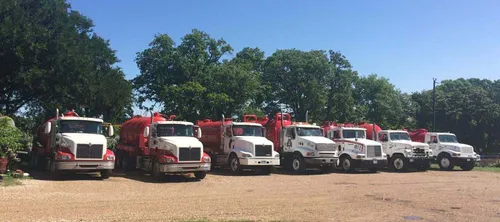
Harrington Environmental - Septic Pumping & Grease Trap Service
3778 Burleson Retta Rd, Burleson, TX 76028
Harrington Environmental - Septic Pumping & Grease Trap Service is a full-service liquid waste company based near Dallas, TX. They provide septic tank pumping, aerobic septic system installation and repair, and commercial grease trap services. Their licensed and certified technicians handle grease and sand trap cleaning, grit trap service, lift station pumping, and maintenance of aerobic systems. Harrington Environmental serves the Dallas-Fort Worth metroplex and surrounding counties, offering expertise in both residential and commercial environmental waste management.
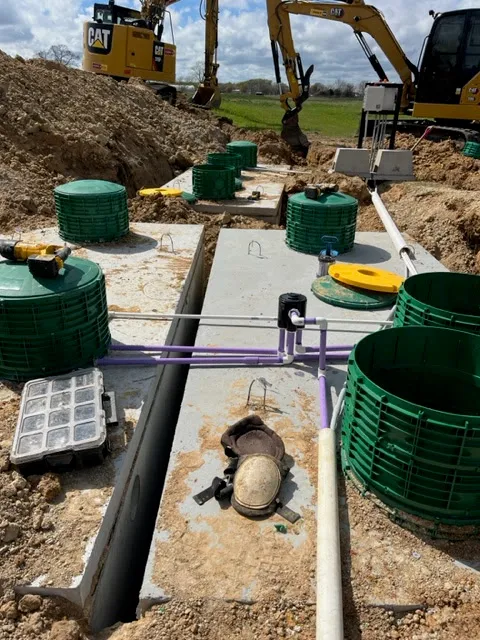
B2 Septic Services
9301 County Rd 519, Alvarado, TX 76009
B2 Septic Services is a licensed septic system repair and installation company based near Dallas, TX. They provide septic tank installation, septic pump repair, and lift station services tailored to individual customer needs. Their licensed status allows them to handle a range of septic system solutions efficiently.
Understanding Your Septic System and Common Failures
Your septic system is a self-contained wastewater treatment plant for your property. It consists of a septic tank, where solids settle and begin to decompose, and a drain field (or leach field), where the clarified liquid effluent is dispersed into the soil for final treatment. A failure can occur in any component. Common signs you might need septic repair services include:
- Sewage backups in household drains or toilets.
- Soggy ground, standing water, or foul odors in the yard, especially near the tank or drain field.
- Unusually green, lush grass over the drain field.
- Gurgling sounds in your plumbing.
- Slow drains throughout the house.
In DeSoto and across Texas, these systems are regulated as On-Site Sewage Facilities (OSSFs) by the Texas Commission on Environmental Quality (TCEQ) 1. Understanding this framework is the first step in addressing any malfunction.
DeSoto and Dallas County Repair Regulations
Before any repair work begins, it's crucial to understand the legal requirements. Most septic system repairs in DeSoto require a permit. The permitting authority is typically Dallas County or the City of DeSoto's Building Safety department, especially for new applications or major alterations.
- Permit Requirements: A permit is generally required for any repair that involves replacing parts of the system, such as the tank, drain field lines, or major mechanical components like pumps. The goal is to ensure the repair brings the system back into compliance with current standards.
- Emergency Repairs: There is an exception for true emergencies. If a repair can be made without removing the tank (like sealing a crack), work may begin immediately. However, the permitting authority must be notified within 72 hours.
- Who Can Perform Repairs: Repairs must be completed by a TCEQ-licensed installer. The only exception is if the homeowner is performing the repair on their primary residence 2. For the vast majority of homeowners, hiring a licensed professional is not just a recommendation-it's a legal requirement for most jobs.
- Aerobic System Contracts: If you have an aerobic treatment unit (ATU), Texas law often requires an ongoing maintenance contract with a licensed provider. These providers must file reports every four months, which helps catch problems early.
Types of Septic Repairs
The scope and cost of your septic tank repair depend entirely on the nature and location of the failure. Here are the most common types of repairs performed by OSSF specialists:
1. Tank Repairs: This involves fixing the structure of the septic tank itself. Common issues include cracks in concrete tanks, damaged or missing baffles (which prevent solids from exiting the tank), and broken or unsafe risers and lids. Sealing cracks or replacing baffles can often be done without full tank replacement if the structural integrity is still sound 3.
2. Drain Field Restoration: This is often the most complex and costly type of repair. A failing drain field shows itself through soggy areas or sewage surfacing. Solutions range from jetting or rodding to clear clogs in the lateral lines to more advanced soil fracturing techniques that restore the soil's ability to absorb effluent. In severe cases, partial or complete drain field replacement may be necessary 4 5.
3. Component Replacement: Mechanical parts do wear out. This includes replacing a faulty effluent pump (which moves liquid to the drain field) or an aerator pump in an aerobic system. It also covers repairing or replacing alarms, filters, and electrical controls.
4. Lateral Line Repair/Replacement: The network of perforated pipes that distributes effluent in the drain field can crack, collapse, or become clogged with roots or biomat. Repair may involve excavating to replace sections of pipe 6.
5. Essential Maintenance - Tank Pumping: While not a "repair" in the traditional sense, regular pumping is critical preventative maintenance. If the sludge and scum layers in your tank become too thick, solids can flow into and clog the drain field, causing a system failure. Pumping is a repair-avoidance strategy.
The Professional Inspection: Diagnosing the Problem
You can't fix what you haven't properly diagnosed. A professional septic inspection is the essential first step before any repair. A thorough inspection by a licensed provider typically includes 7 8:
- Locating the System: Pinpointing the tank and drain field boundaries using probes, records, or electronic locators.
- Uncovering and Inspecting the Tank: Opening access ports to check for structural damage, cracks, and water infiltration.
- Measuring Sludge and Scum: Using specialized tools to measure the layers of solids. If sludge occupies more than one-third of the tank depth, pumping is urgently needed 9.
- Checking Liquid Levels: Ensuring the liquid level is within the normal operating range (typically 8-12 inches from the top of the outlet).
- Testing All Components: Running pumps, aerators, and alarms to verify they function correctly. Inspecting filters and D-boxes (distribution boxes).
- Assessing the Drain Field: Walking the area to look for surfacing effluent, ponding water, or unpleasant odors-clear signs of a failure.
This inspection will provide a clear report on the system's condition and a recommended course of action, which forms the basis for any repair plan and permit application 10 11.
Find the perfect septic system repair companies for your needs
Get personalized recommendations and expert advice
Understanding Repair Costs in North Texas
The cost for septic system fixes in DeSoto and the surrounding area varies widely based on the repair type, system size, and soil conditions. It's always wise to get multiple estimates from licensed professionals. Based on regional data, here are typical cost ranges 12:
- Septic Tank Pumping: $300 - $600. This is a routine service needed every 3-5 years and is the least expensive way to prevent major failures 13.
- Aerator or Effluent Pump Replacement: $300 - $900. The cost depends on the pump model and accessibility.
- Drain Field Repair/Rejuvenation: $1,000 - $5,000+.
- Replacing Leach Lines: $20 - $45 per linear foot. The total cost depends on how many feet of piping need to be replaced and the depth of excavation.
- Permit Fees: Vary by municipality and the scope of the repair project. Always factor this into your budget 14.
The Repair Process: From Diagnosis to Completion
Navigating a septic repair project involves several key steps:
- Schedule a Professional Inspection: Contact a TCEQ-licensed septic repair company in the DeSoto area to perform a full system inspection and provide a detailed diagnosis.
- Obtain Repair Estimates: Get written estimates from at least two or three licensed installers. The estimate should detail the work, materials, and projected timeline.
- Apply for a Permit: Your chosen contractor will usually handle the permit application with Dallas County or the City of DeSoto, submitting the required plans and paying the fees 15 16.
- Schedule the Repair Work: Once the permit is approved, work can be scheduled. For emergency repairs, work may start immediately with proper notification 17.
- Final Inspection and Approval: After the repair is complete, the permitting authority may require a final inspection to ensure the work complies with the approved plans and regulations.
What to Do If Your System Fails
A failing septic system is a reportable issue. If you experience a failure, you should:
- Contact a licensed repair professional immediately to assess the situation and stop usage if possible to prevent environmental contamination.
- Apply for the necessary repair permit.
- If the issue involves a public health nuisance and is not being resolved by the local authority, you can file a complaint with the TCEQ Regional Office 18.
Regular maintenance is the best strategy. For aerobic systems, this means keeping your maintenance contract active. For conventional systems, it means regular pumping and being mindful of what goes down your drains 19 20.
Choosing a Repair Provider in DeSoto
Selecting the right professional is critical. Look for a company that:
- Holds a current TCEQ Installer License.
- Has extensive experience with repairs, not just pumping.
- Provides clear, detailed written estimates.
- Is familiar with Dallas County and DeSoto permit processes.
- Offers references from past repair clients.
- Carries proper insurance and warranties their work.
By understanding the repair process, local laws, and costs, you can make informed decisions to efficiently and effectively restore your home's wastewater system, protecting your property, your family's health, and the local environment.
Frequently asked questions
Sources
Footnotes
-
Basics for Septic Systems - https://www.tceq.texas.gov/assistance/water/fyiossfs.html ↩
-
Advice for an Owner of an On-Site Sewage Facility (Septic System) - https://www.tceq.texas.gov/permitting/ossf/ossfadvice.html ↩
-
Jeff's Septic Service | Septic Installs & Pumping | Eustace, TX - https://www.jeffssepticservice.com/ ↩
-
Septic Repair Ellis County, TX - A-Solution Plumbing - https://a-solutionplumbing.com/septic-repair-services-mabank-tx ↩
-
Septic System Repair Costs in Texas | 1 Source - https://tx1source.com/blog/septic-system-repair-costs-texas/ ↩
-
Basics for Septic Systems - https://www.tceq.texas.gov/assistance/water/fyiossfs.html ↩
-
Septic System Maintenance & Management | Denton County, TX - https://www.dentoncounty.gov/660/Septic-System-Maintenance-Management ↩
-
Septic System Inspections: A Step-by-Step How-To Guide - https://westcoastsanitationinc.com/septic-inspection-service/ ↩
-
Septic System Inspections - https://www.ensureinspections.com/septic-system-inspections/ ↩
-
Texas OSSF Inspection Requirements: Complete Guide for 2025 - https://www.fieldbaseos.com/blog/texas-ossf-inspection-requirements.html ↩
-
DIY Septic Tank Inspections - Flohawks - https://flohawks.com/diy-septic-tank-inspections-a-step-by-step-guide/ ↩
-
How Much Does a Leach or Drain Field Replacement Cost? (2026) - https://homeguide.com/costs/drain-leach-field-replacement-cost ↩
-
Septic Tank Maintenance: A Must for Houston Homes - https://accurateplumbingtx.com/septic-tank-maintenance-houston/ ↩
-
On-Site Sewage Facilities (Septic Systems): General Information - https://www.tceq.texas.gov/permitting/ossf/ossfgeneral.html ↩
-
Permit Application Submission - DeSoto, TX - Official Website - https://www.ci.desoto.tx.us/departments/development_services/building_safety/permit_guidelines.php ↩
-
Getting a Permit for an OSSF - Such as a Septic System - https://www.tceq.texas.gov/permitting/ossf/ossfpermits.html ↩
-
Basics for Septic Systems - https://www.tceq.texas.gov/assistance/water/fyiossfs.html ↩
-
Filing a Complaint Related to an On-Site Sewage Facility - https://www.tceq.texas.gov/permitting/ossf/10381.html ↩
-
Maintenance of On-Site Sewage Facilities (Septic Systems) - https://www.tceq.texas.gov/permitting/ossf/ossfmaintenance.html ↩
-
SEPTIC SYSTEM LAWS IN TEXAS - https://www.terseptic.com/posts/septic-systems-its-the-law ↩