Find the Best Septic System Repair Companies for Your Business
No obligation • Fast responses • Nationwide coverage

Why you can trust Septic Spot
Septic Spot is a leading United States resource for understanding and comparing septic services. Our editors review providers using consistent criteria and verify key business details. Listings and scores are independent, and companies cannot pay to influence our content.
Search providers near you
Top Septic System Repair Companies in Leander, Texas Ranked
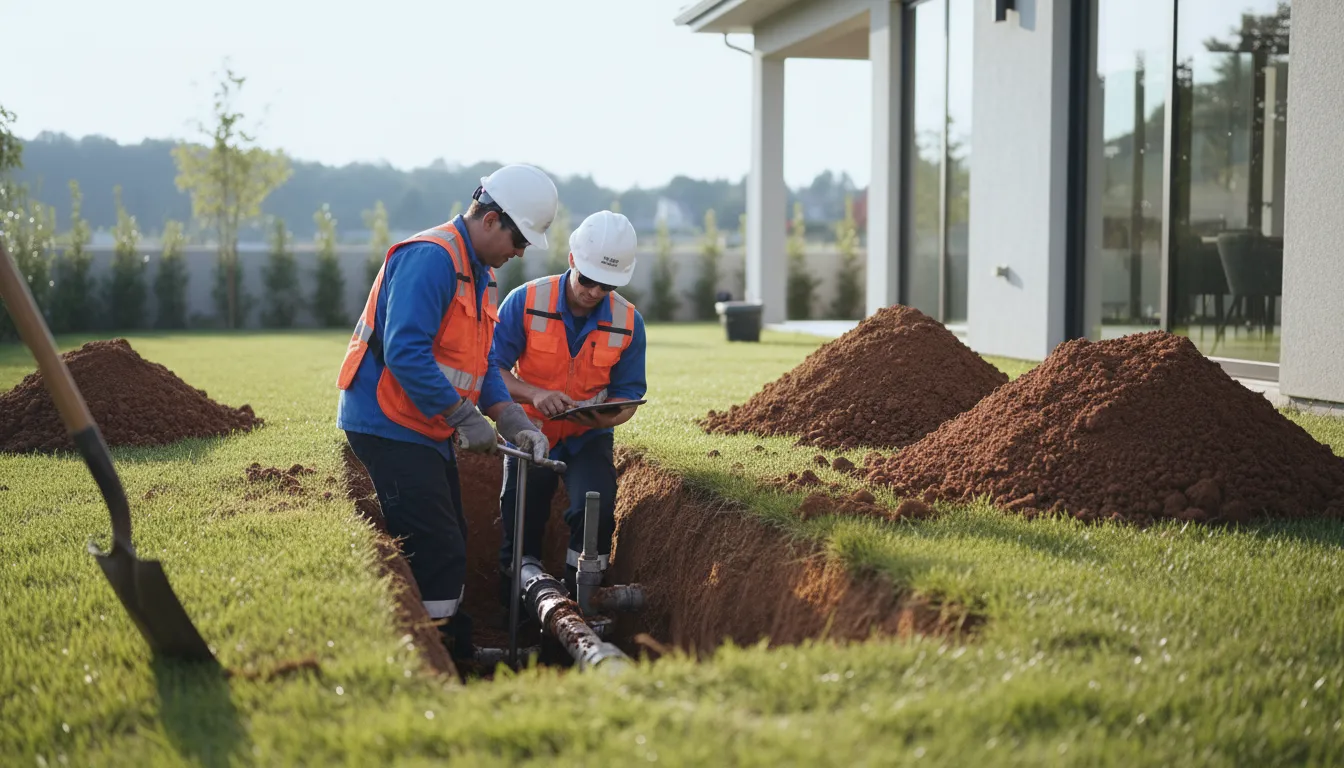
A failing septic system is more than an inconvenience; it's a significant health and environmental concern for your Leander property. Septic system repair involves diagnosing and fixing issues with your on-site sewage facility (OSSF), from mechanical components to the drain field, to restore safe and efficient wastewater treatment. In Williamson County, these repairs are strictly regulated, requiring licensed professionals and often permits. This guide explains the local repair process, common issues, and how to find qualified help to ensure your system complies with Texas and county regulations.
Hambone Plumbing and Septic Pumping
818 W 2nd St, Taylor, TX 76574
Hambone Plumbing and Septic Pumping is a family-owned business serving the Austin, TX area with over 30 years of experience. They provide residential and commercial plumbing and septic services, including septic tank pumping, inspections, and repairs. Their licensed team offers comprehensive solutions such as water heater installation and flushing, drain and sewer line cleaning, and advanced leak detection using thermal imaging technology. Hambone Plumbing and Septic Pumping is available 24/7 to handle emergency plumbing needs and maintain efficient, safe plumbing systems.
Mud Duck Septic Service
Austin, TX
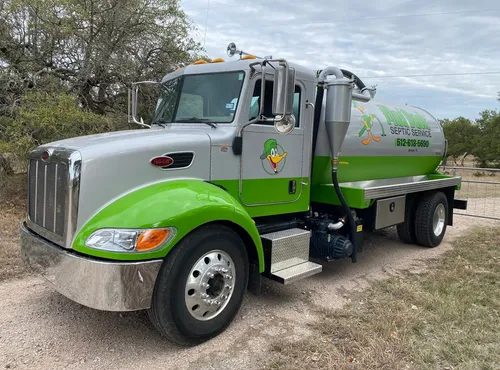
Mud Duck Septic Service is a family-owned and locally operated company providing septic tank pumping, inspection, and repair services in Austin, TX. They serve nearby communities including Bertram, Burnet, Georgetown, Liberty Hill, and Spicewood. The company is fully licensed and insured, focusing on industry best practices and personalized consultations to address a range of septic system needs. Mud Duck Septic Service emphasizes careful workmanship and attention to detail in all projects.
Synergy Onsite Septic Solutions
Austin, TX
Synergy Onsite Septic Solutions is a septic tank inspection, repair, and installation company based in Austin, TX. They serve Austin and Central Texas, including many surrounding communities. Their services include repairs, diagnostics, locating and marking septic systems, installation, replacements, maintenance contracts, and consulting. The company is known for providing accurate assessments and appropriate solutions to septic system issues, often helping customers avoid unnecessary repairs. They also offer assistance with inspection preparation and referrals for pumping and design services.
HomeField Williamson County
40203 Industrial Park Cir, Georgetown, TX 78626
HomeField Williamson County provides comprehensive septic system services in Austin, TX, covering residential and commercial needs. Their offerings include septic tank pumping, inspections, repairs, installations, drain field replacements, and system design. The company emphasizes local expertise and proactive maintenance plans to help prevent future problems. They serve Williamson County with a team familiar with local regulations and conditions, ensuring septic systems meet current requirements. HomeField also offers various maintenance plans tailored to different levels of coverage and support.
Real Texas Plumbing - Heating and Air
20811 Dawn Dr UNIT #706, Lago Vista, TX 78645
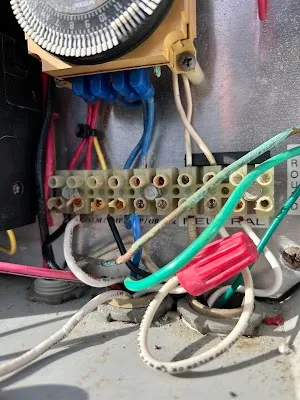
Real Texas Plumbing - Heating and Air is a septic system repair company based in Austin, TX. They specialize in septic pump repair and replacement, with a focus on diagnosing and fixing grinder pump and alarm issues. The company is known for identifying and addressing problems that other plumbers have missed, such as improper floaters and exposed wiring. Owner Efrain and his team provide clear explanations and practical solutions to septic system challenges.
Understanding Your Septic System and Local Regulations
In Leander and across Williamson County, all septic systems are classified as On-Site Sewage Facilities (OSSFs) and are regulated by both the Texas Commission on Environmental Quality (TCEQ) and the Williamson County Engineer's Office 1. This dual oversight means homeowners must navigate specific rules for any repair work. A fundamental rule is that all repairs must be conducted by a TCEQ-licensed installer or maintenance provider. Attempting a DIY fix on major components not only risks further damage but likely violates county and state codes.
Most repairs will require a permit from the county before work begins. The permit process ensures the proposed fix meets health and environmental standards. There is an exception for emergency repairs: if a repair can be made without removing the tank and is necessary to prevent an immediate health hazard, it may proceed. However, you must report this emergency work to the Williamson County Engineer's Office within 72 hours of starting. For homeowners with aerobic treatment systems, an additional layer exists-state law requires you to maintain a valid maintenance contract with a licensed provider, who must submit regular inspection reports to the county.
Common Septic Repairs in the Leander Area
The type of repair your system needs depends on its design (conventional, aerobic, or low-pressure dosing) and the component that has failed. Here are the most frequent repair scenarios technicians encounter in Central Texas:
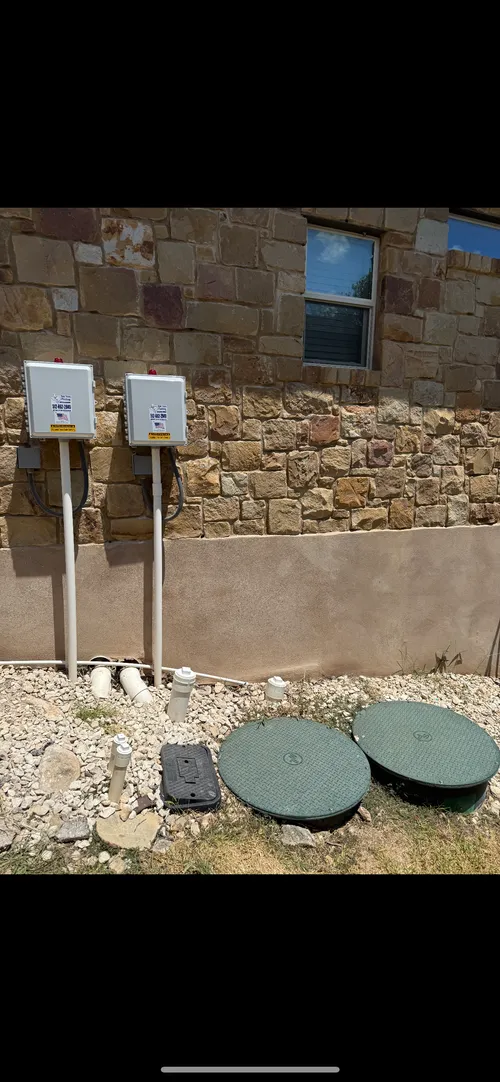
- Aerobic System Component Repair: Aerobic systems, common in the area, use mechanical parts to treat wastewater. Repairs often involve fixing or replacing spray heads, aerators, control panels, float switches, or air compressors. These components are essential for the oxygen-dependent treatment process and can fail due to electrical issues, clogs, or wear and tear.
- Septic Tank Repairs: The tank itself may need attention. Common tank fixes include installing or repairing watertight, securable risers (which provide safe access for pumping) and fixing internal baffles that are crucial for separating solids from liquids. A compromised tank lid or riser is a safety hazard and must be addressed immediately.
- Drain Field (Leach Field) Repair or Rejuvenation: This is often the most complex and costly repair. Issues include clogged or crushed distribution pipes, biomat buildup, and surfacing effluent-which appears as soggy, foul-smelling patches in your yard 2. Sometimes, specialized rejuvenation techniques can restore function, but severe cases require a partial or full drain field replacement.
- Pump Replacement: Systems that use a pump to move effluent to a raised drain field (pump-up systems) or through a low-pressure dosing (LPD) system will fail if the sewage pump stops working. Replacing a failed pump is a standard repair 3 4.
- Septic Tank Pumping: While not a repair per se, regular pumping every 3-5 years is critical preventative maintenance 5. Neglecting to pump out solids allows them to flow into and clog the drain field, which is a leading cause of expensive drain field failure and necessitates major repair work.
The Professional Repair Process: From Diagnosis to Inspection
When you contact a licensed professional for a suspected problem, they follow a systematic process to diagnose and resolve the issue in compliance with local rules.
- Initial Evaluation and Site Inspection: The technician will first discuss any symptoms you've noticed (slow drains, odors, wet spots) and then perform a visual site inspection. They will check for surfacing effluent, inspect the tank access points, and assess the condition of above-ground aerobic components 6 7.
- Component Testing and Diagnosis: For aerobic systems, the technician will test electrical components, alarms, and the aerator. They may also check water levels in the tank and distribution boxes to diagnose drainage problems 8. This step identifies the root cause of the system's failure.
- Reporting and Permit Acquisition: The provider will give you a detailed report of their findings. If the repair requires a permit, they will typically handle the application process with the county on your behalf, submitting the necessary plans and documentation 9.
- Performing the Repair: Once any required permit is secured, the licensed crew will complete the repair work using approved materials and methods.
- Final Inspection and Documentation: For permitted repairs, the Williamson County Engineer's Office requires a final inspection to close out the permit 10. Your maintenance provider will also update your system's records and, for aerobic systems, ensure the required inspection report is filed with the county 11.
Find the perfect septic system repair companies for your needs
Get personalized recommendations and expert advice
Understanding Repair and Replacement Costs
Costs for septic system work in Leander vary widely based on the repair's complexity, the system type, and the extent of the problem. The following estimates are based on typical market rates for Central Texas 12:
- Routine Maintenance & Minor Repairs: A standard tank pump-out and inspection typically costs several hundred dollars. Repairing an aerobic system component like a spray head or control panel can range from $500 to $1,500 or more, depending on the part and labor involved 13 14.
- Major Drain Field Work: Repairing or rejuvenating a failing drain field is a significant undertaking, with costs generally ranging from $1,500 to $5,00015. If a full replacement is necessary, it becomes a major installation project.
- Full System Replacement (Major Repair): When a system is beyond repair, full replacement is the only option. Costs are substantial and vary by system type:
These figures underscore the value of regular maintenance and addressing small issues before they escalate into catastrophic failures.
Choosing a Service Provider in Leander
Selecting the right professional is critical. Always verify that the company or individual holds a current TCEQ License as an Installer or Maintenance Provider. You can ask for their license number and confirm it with the TCEQ. Experience with your specific system type (especially aerobic systems) is a major plus. A reputable provider will be familiar with Williamson County's permit process and inspection requirements and should communicate this clearly. They should provide a detailed, written estimate before beginning any work and be willing to explain the necessary repairs and why they are needed. For ongoing care, especially for aerobic systems, establishing a maintenance contract with a reliable local provider is not just a good idea-it's a state requirement that helps avoid compliance issues and costly emergency repairs down the line 18 19.
Frequently asked questions
Sources
Footnotes
-
How a Septic System Works | Williamson County, TX - https://www.wilcotx.gov/651/How-a-Septic-System-Works ↩
-
On-Site Sewage Facilities (Septic Systems): General Information - https://www.tceq.texas.gov/permitting/ossf/ossfgeneral.html ↩
-
Leander Septic Tank Pumping, Cleaning, Repair & Installation - https://aplussepticaustin.com/leander-septic-tank-pumping/ ↩
-
Lone Star Septic Services: Home - Septic System Repairs TX - https://lonestarsepticservices.com/ ↩
-
Williamson County Engineer's Office - https://www.wilcotx.gov/DocumentCenter/View/3057/OSSF-Care-Brochure-PDF ↩
-
Septic Contractor | Leander, TX - https://www.mudduckseptic.com/septic-contractor-leander-tx ↩
-
Septic systems explained - Texas Water Resources Institute - https://twri.tamu.edu/blog/septic-systems-explained/ ↩
-
The Ultimate Guide to Aerobic Septic System Maintenance ... - https://epicseptic.com/the-ultimate-guide-to-aerobic-septic-system-maintenance-repairs-in-central-texas/ ↩
-
Getting a Permit for an OSSF - Such as a Septic System - https://www.tceq.texas.gov/permitting/ossf/ossfpermits.html ↩
-
Basics for Septic Systems - https://www.tceq.texas.gov/assistance/water/fyiossfs.html ↩
-
Aerobic Affidavit and Filing Instructions (PDF) - Williamson County - https://www.wilcotx.gov/DocumentCenter/View/16741/Aerobic-Affidavit-and-Filing-Instructions-PDF ↩
-
Cost of Septic Maintenance | Annual Expenses Explained | Blog - https://www.blueribbonseptic.com/blog/cost-of-septic-maintenance ↩
-
Leander Septic Pumping & Porta-Potty Rentals in Central Texas - https://septicpumpingburnetcounty.com/service-areas/leander/ ↩
-
Septic System Repair Costs in Texas | 1 Source - https://tx1source.com/blog/septic-system-repair-costs-texas/ ↩
-
How Much Does it Cost to Replace Leach Field - the Original Plumber - https://theoriginalplumber.com/plumbing-tips/cost-to-replace-leach-field/ ↩
-
Cost of a Septic System in Texas - https://dillonseptic.com/cost-of-a-septic-system-in-texas/ ↩
-
DIY vs. Professional Septic System Repairs: When to Call the Experts - https://jtserviceco.com/diy-vs-professional-septic-system-repairs/ ↩
-
Maintenance of On-Site Sewage Facilities (Septic Systems) - https://www.tceq.texas.gov/permitting/ossf/ossfmaintenance.html ↩
-
Advice for an Owner of an On-Site Sewage Facility (Septic System) - https://www.tceq.texas.gov/permitting/ossf/ossfadvice.html ↩