
Find the Best Septic System Repair Companies for Your Business
No obligation • Fast responses • Nationwide coverage

Why you can trust Septic Spot
Septic Spot is a leading United States resource for understanding and comparing septic services. Our editors review providers using consistent criteria and verify key business details. Listings and scores are independent, and companies cannot pay to influence our content.
Search providers near you
Top Septic System Repair Companies in Mesquite, Texas Ranked
A properly functioning septic system is essential for protecting your home's plumbing, your property value, and the local environment in Mesquite. When issues arise, timely and professional septic system repair is critical to prevent health hazards and costly property damage. This guide explains the common types of repairs, the regulatory landscape in Texas, and how to identify when you need service, helping you connect with qualified local professionals to restore your system's health.
Straight Shooter Plumbing and Rooter
629 National Dr, Rockwall, TX 75032
Straight Shooter Plumbing and Rooter is a plumbing company serving Dallas, TX, and surrounding Texas communities. They offer a wide range of plumbing services including septic tank installation and repair, sewer line services, drain cleaning, water heater installation, leak detection, and under slab tunneling for sewer and water line repairs. Their expertise in trenchless pipe repair and septic system services supports both residential and commercial needs. The company is family-run, with licensed, bonded, and insured plumbers, and provides a workmanship guarantee. They serve multiple cities across Texas, including Rockwall, Fort Worth, Garland, and Plano.
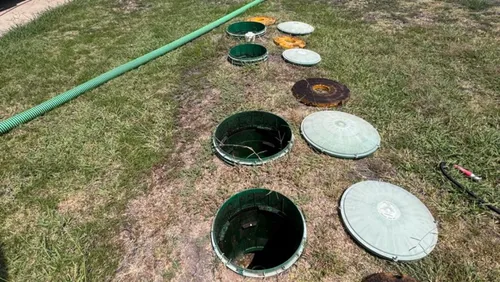
SB Septic and Sewer Service
9975 High Country Ln, Forney, TX 75126
SB Septic and Sewer Service provides septic tank inspection and septic system repair services in Dallas, TX. They serve the greater Dallas-Fort Worth area, including multiple East Texas counties such as Kaufman, Rockwall, Van Zandt, Dallas, Collin, Hunt, Tarrant, Johnson, Parker, Hood, and Ellis. The company offers photo documentation and warranties on repairs, with a licensed and insured technician team to support their work.
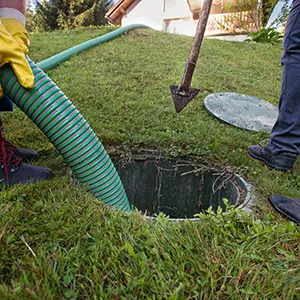
Sigma Solutions Septic Services LLC
4840 Co Rd 597, Farmersville, TX 75442
Sigma Solutions Septic Services LLC is a septic tank inspection and repair company serving Dallas, TX. They specialize in septic maintenance, including routine inspections and septic tank cleaning, to help prevent leaks, overflows, and system malfunctions. The company offers a full range of septic solutions, from initial inspections to complex repairs, using professional equipment and extensive knowledge to keep systems running efficiently. Sigma Solutions emphasizes clear communication by explaining options and pricing before starting any work.
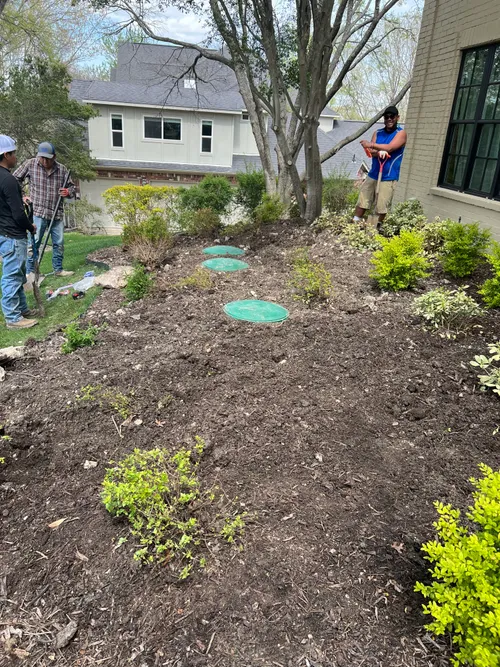
Year Round Septic
Dallas, TX
Year Round Septic is a septic service provider based in Dallas, TX. They specialize in septic tank installation for new construction and replacement projects, septic tank repair, and comprehensive septic tank inspections. The company offers 24/7 emergency services to address urgent septic system issues promptly. They also facilitate regular septic tank pumping for both residential and commercial properties to maintain system functionality and prevent problems.

A Plus Environmental LLC
Dallas, TX
A Plus Environmental LLC is a septic tank inspection, repair, and installation company based in Dallas, TX. They offer a range of services including septic tank installation, repairs, inspections, and custom septic system design. The company also provides septic system monitoring contracts that comply with TCEQ and county regulations. A Plus Environmental LLC serves Ellis, Dallas, and Kaufman counties and is a licensed and insured OSSF installer and provider. They offer emergency septic services to address urgent issues promptly.
Understanding Septic Systems and Common Failures
A residential septic system, or On-Site Sewage Facility (OSSF) as it's formally known in Texas, is a self-contained wastewater treatment system. It typically consists of a septic tank and a drain field (or leach field). Wastewater from your home flows into the tank, where solids settle and begin to decompose. The liquid effluent then exits into a network of perforated pipes in the drain field, where it is filtered through the soil. When any component of this system fails, it requires immediate attention.
Common signs that your system needs repair or maintenance include:
- Slow drains and gurgling plumbing fixtures throughout the house.
- Sewage odors in your yard or inside your home.
- Standing water or soggy, bright green grass over the drain field area.
- Sewage backing up into household drains or toilets.
- Alarms sounding on aerobic treatment unit (ATU) systems.
Ignoring these signs can lead to a complete system failure, environmental contamination, and violations of state health codes.
Texas and Dallas County Regulations for Septic Repairs
Repair work on septic systems in Mesquite is strictly regulated. The Texas Commission on Environmental Quality (TCEQ) sets the statewide standards, while local oversight is typically managed by Dallas County Health and Human Services (DCHHS) 1.
Permits are Required: A permit is mandatory for any construction, installation, repair, extension, or alteration of an OSSF. This means most repair work beyond simple pumping will need approval before it begins.
Licensed Professionals: All repair and pumping work must be performed by a TCEQ-licensed installer or maintenance provider, unless the homeowner is doing the work on their own primary residence 2 3. Hiring a licensed professional ensures the work meets code and protects you from liability.
Emergency Repairs: If a repair is needed to abate a health hazard and doesn't involve the disposal area (e.g., fixing a broken pipe between the house and tank), it may be classified as an emergency repair. However, you must report this work to the local permitting authority (Dallas County) within 72 hours.
Current Standards: A critical rule to understand is that if a repair involves the disposal field, the entire system generally must be brought up to current TCEQ design standards 4. This can significantly impact the scope and cost of a drain field repair project.
Aerobic System Rules: If your home has an aerobic treatment unit, Texas law requires you to maintain a valid maintenance contract with a licensed provider, and the system must be inspected every four months.
Common Types of Septic System Repairs
Professional septic service companies in the Mesquite area handle a wide range of repairs to restore system function.
1. Drain Field Restoration and Repair This is often the most extensive and costly type of repair. Problems occur when the soil becomes clogged (a condition called "biomat" buildup) or pipes crack and collapse. Repair options can include:
- Jet Cleaning: Using high-pressure water to clear clogs in drain field pipes.
- Pipe Replacement: Excavating to replace broken or crushed sections of the drain field piping.
- New Drain Field Installation: If the existing field has failed irreparably, a new field may need to be installed in a different location on your property 5.
2. Septic Tank Structural Repairs The concrete, fiberglass, or plastic tank itself can develop problems.
- Baffle Repair/Replacement: The inlet and outlet baffles inside the tank are crucial for preventing solids from flowing into the drain field. If they are damaged or missing, they must be fixed or replaced 6.
- Crack and Leak Sealing: Small cracks can sometimes be sealed from the inside with specialized compounds, but major structural damage may require tank replacement.
- Riser Installation: Adding access risers brings the tank lids to ground level, making future inspection, pumping, and repair much easier and less expensive 7.
3. Pump and Mechanical Component Repairs Systems with pumps, including many aerobic systems and systems where topography requires effluent to be pumped to the drain field, rely on mechanical parts.
- Effluent Pump Repair/Replacement: Submerged pumps that move liquid can fail and need to be replaced 8.
- Aerobic System Components: Aerators, air pumps, float switches, and control panels in aerobic treatment units all require occasional repair or replacement to maintain proper oxygenation and treatment.
- Alarm System Repair: Warning alarms for high water levels are a critical safety feature that must be kept in working order.
4. Line and Pipe Repairs The pipes connecting your home to the tank ("inlet") and the tank to the drain field ("outlet") can crack, clog, or collapse due to root intrusion, ground shifting, or age. Repairing these lines often involves excavation and replacement of the damaged section.
Find the perfect septic system repair companies for your needs
Get personalized recommendations and expert advice
The Professional Repair Process: From Inspection to Completion
A reputable repair follows a systematic process to ensure a correct and lasting solution.
Step 1: Comprehensive System Inspection Before any repair is proposed, a thorough inspection is essential. A licensed professional will:
- Locate the System: Use property records, probes, or cameras to find the tank and drain field.
- Inspect the Tank: Check the tank's structural integrity, liquid levels, and the condition of baffles and tees. They will measure sludge and scum layers; if solids fill more than one-third of the tank, pumping is needed 9 10.
- Evaluate the Drain Field: Check for signs of failure like surfacing effluent, soggy soil, or odors 11 12.
- Test Mechanical Components: For aerobic systems, test the aerator, pump, alarms, and sprinklers 13.
Step 2: Diagnosis and Permit Acquisition Based on the inspection, the contractor will diagnose the root cause of the failure. If the repair requires a permit, they will typically handle the application process with Dallas County, submitting the necessary plans and engineering reports. Never proceed with a major repair without verifying permit requirements.
Step 3: Performing the Repair Work The licensed installer will complete the approved repair work. This may involve heavy machinery for excavation. For drain field work, they must ensure the new or repaired components meet TCEQ standards for size, materials, and placement.
Step 4: Final Inspection and Backfilling Once the repair is installed, the local authority (Dallas County) may require a final inspection before the system is covered. After passing inspection, the site is backfilled and restored as much as possible.
Cost Considerations for Septic Repairs in Mesquite
Repair costs vary widely based on the system type, the extent of the problem, and local soil conditions. Below are general price ranges based on industry data; always get detailed, written estimates from local providers 14 15.
- System Inspection: $200 - $900 (Average around $550). This is the essential first step.
- Tank Pumping/Cleaning: $300 - $600+. Often required before repairs can be assessed or performed.
- Minor Repairs: (e.g., baffle replacement, small pipe repair) - Costs vary by contractor, often billed hourly or as a flat project fee.
- Major Drain Field Repair or Replacement: $3,000 - $10,000+. This is a significant project that may require bringing the entire system to current code.
- Aerobic Treatment Unit (ATU) Replacement: $12,000 - $20,000+.
- Annual Maintenance Contract (for Aerobic Systems): $400 - $800. This is a required ongoing cost for ATU owners 16 17.
Maintaining Your System After a Repair
After investing in a repair, proper maintenance is key to protecting that investment and avoiding future problems.
- Pump Regularly: Have the tank pumped every 3-5 years, or as recommended by your inspector, to prevent sludge from clogging the drain field.
- Conserve Water: Spread out laundry loads and fix leaky fixtures to avoid overwhelming the system.
- Mind What You Flush: Only human waste and toilet paper should go down the drain. Avoid fats, oils, grease, chemicals, wipes (even "flushable" ones), and feminine hygiene products.
- Protect the Drain Field: Never drive or park vehicles over it, and keep roof drains and sump pumps directed away from the area.
- Keep Records: Maintain all inspection, pumping, repair, and permit documents for your property.
Frequently asked questions
Sources
Disclaimer: Septic regulations can change. Always verify requirements with the Dallas County Health and Human Services and the Texas Commission on Environmental Quality (TCEQ) before beginning any repair work.
Footnotes
-
What laws in Texas apply to septic systems? - Water School - https://brazos.org/about-us/education/water-school/articleid/349/what-laws-in-texas-apply-to-septic-systems ↩
-
Advice for an Owner of an On-Site Sewage Facility (Septic System) - https://www.tceq.texas.gov/permitting/ossf/ossfadvice.html ↩
-
Basics for Septic Systems - https://www.tceq.texas.gov/assistance/water/fyiossfs.html ↩
-
Getting a Permit for an OSSF - Such as a Septic System - https://www.tceq.texas.gov/permitting/ossf/ossfpermits.html ↩
-
Leach Field Repair | A & M Septic | North Texas Area - https://www.amseptic.com/leach-field-repair ↩
-
Septic Tank Repair | A & M Septic | North Texas - https://www.amseptic.com/septic-tank-repair ↩
-
Septic Tank Laws in Texas - https://dillonseptic.com/septic-tank-laws-in-texas/ ↩
-
Septic Pump Repair | A & M Septic | North Texas - https://www.amseptic.com/septic-pump-repair ↩
-
Does Texas Require Septic Inspection - TexInspec - https://texinspec.com/does-texas-require-septic-inspection/ ↩
-
OSSF 101: How to Check and Maintain a Conventional ... - https://www.youtube.com/watch?v=TU4Qo9BIn-8&t=27 ↩
-
How to Inspect a Private Septic System - https://www.youtube.com/watch?v=URhIPaX-csA&t=20 ↩
-
How to Get Septic to Pass Inspection - https://www.guardianangelinspections.com/how-to-get-septic-to-pass-inspection ↩
-
DIY Septic Tank Inspections - Flohawks - https://flohawks.com/diy-septic-tank-inspections-a-step-by-step-guide/ ↩
-
Texas Septic Systems & OSSF Requirements | 2026 Guide - https://texaslandbrokerage.com/resources/texas-septic-systems-ossf-requirements-guide/ ↩
-
How Much Does a Septic Inspection Cost? [2026 Data] - Angi - https://www.angi.com/articles/septic-inspection-cost.htm ↩
-
Texas Septic Tank Rules - https://dillonseptic.com/texas-septic-tank-rules/ ↩
-
Pearland Septic Systems Guide | New Texas Homeowners - https://accurateplumbingtx.com/pearland-septic-systems-new-homeowner-guide/ ↩