
Find the Best Septic System Repair Companies for Your Business
No obligation • Fast responses • Nationwide coverage

Why you can trust Septic Spot
Septic Spot is a leading United States resource for understanding and comparing septic services. Our editors review providers using consistent criteria and verify key business details. Listings and scores are independent, and companies cannot pay to influence our content.
Search providers near you
Top Septic System Repair Companies in Richardson, Texas Ranked
When your home's on-site sewage facility (OSSF) shows signs of trouble, timely and professional septic system repair is essential for protecting your property, your health, and the local environment. In Richardson, Texas, these repairs are governed by specific state and county regulations, making it crucial to work with knowledgeable, licensed professionals. This guide explains the repair process, local requirements, and how to find qualified service providers to address issues with your septic tank or drain field.
Straight Shooter Plumbing and Rooter
629 National Dr, Rockwall, TX 75032
Straight Shooter Plumbing and Rooter is a plumbing company serving Dallas, TX, and surrounding Texas communities. They offer a wide range of plumbing services including septic tank installation and repair, sewer line services, drain cleaning, water heater installation, leak detection, and under slab tunneling for sewer and water line repairs. Their expertise in trenchless pipe repair and septic system services supports both residential and commercial needs. The company is family-run, with licensed, bonded, and insured plumbers, and provides a workmanship guarantee. They serve multiple cities across Texas, including Rockwall, Fort Worth, Garland, and Plano.
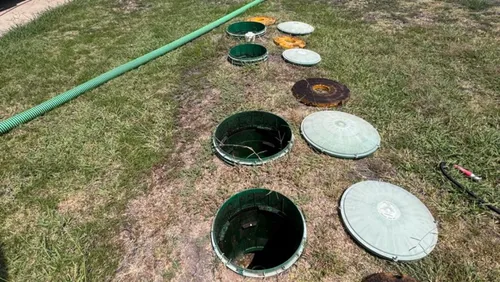
SB Septic and Sewer Service
9975 High Country Ln, Forney, TX 75126
SB Septic and Sewer Service provides septic tank inspection and septic system repair services in Dallas, TX. They serve the greater Dallas-Fort Worth area, including multiple East Texas counties such as Kaufman, Rockwall, Van Zandt, Dallas, Collin, Hunt, Tarrant, Johnson, Parker, Hood, and Ellis. The company offers photo documentation and warranties on repairs, with a licensed and insured technician team to support their work.
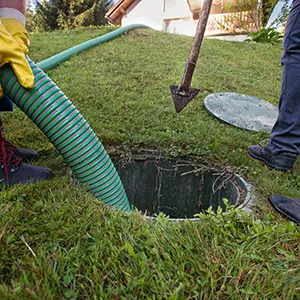
Sigma Solutions Septic Services LLC
4840 Co Rd 597, Farmersville, TX 75442
Sigma Solutions Septic Services LLC is a septic tank inspection and repair company serving Dallas, TX. They specialize in septic maintenance, including routine inspections and septic tank cleaning, to help prevent leaks, overflows, and system malfunctions. The company offers a full range of septic solutions, from initial inspections to complex repairs, using professional equipment and extensive knowledge to keep systems running efficiently. Sigma Solutions emphasizes clear communication by explaining options and pricing before starting any work.
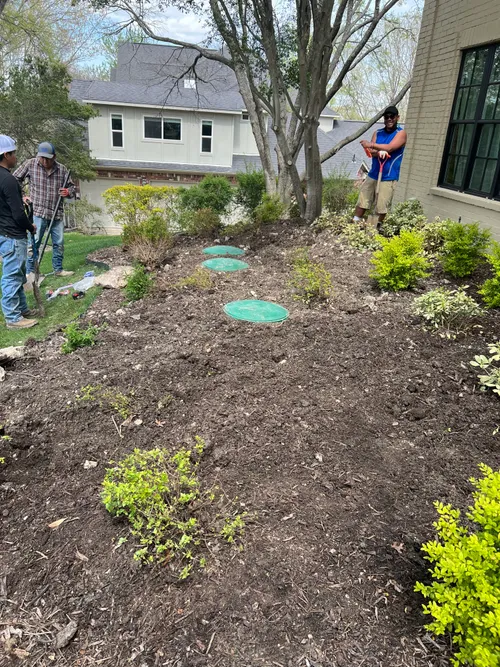
Year Round Septic
Dallas, TX
Year Round Septic is a septic service provider based in Dallas, TX. They specialize in septic tank installation for new construction and replacement projects, septic tank repair, and comprehensive septic tank inspections. The company offers 24/7 emergency services to address urgent septic system issues promptly. They also facilitate regular septic tank pumping for both residential and commercial properties to maintain system functionality and prevent problems.
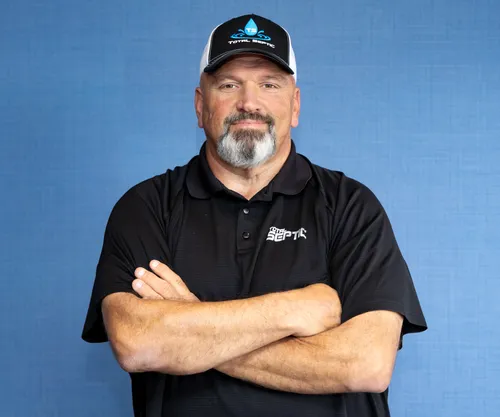
Total Septic
3300 Maroon Creek Rd, Aubrey, TX 76227
Total Septic is a locally owned and operated company based in Dallas, TX, offering a full range of septic system services including installation, pumping, inspection, and repair. They serve multiple Texas counties such as Collin, Grayson, Denton, Rockwall, Fannin, and Hunt. The company specializes in various septic systems including traditional, aerobic, plastic/poly, and concrete tanks, ensuring each installation meets local codes and site conditions. Total Septic also provides excavation services like land clearing, grading, trenching, and demolition for residential and commercial projects. With decades of combined experience, they manage projects with modern equipment and a focus on compliance and safety.
Understanding Septic Systems and Common Failures
A residential septic system is a self-contained wastewater treatment structure, typically consisting of a tank and a soil absorption field (drain field). Solids settle in the tank, where bacteria begin decomposition, while liquid effluent flows out to the drain field for further filtration through the soil. Common signs that your OSSF needs attention include slow-draining fixtures, gurgling pipes, sewage odors indoors or outdoors, soggy ground or standing water over the drain field, and unusually lush grass growth in that area 1.
Failures often stem from a lack of maintenance, such as infrequent pumping, which allows solids to clog the system. Other causes include physical damage from vehicle traffic over the drain field, tree root intrusion, non-biodegradable materials flushed into the system, and the natural aging of system components.
Richardson and Dallas County Repair Regulations
Repairs to an on-site sewage facility in Richardson fall under the jurisdiction of the Dallas County Environmental Health Department, which enforces standards set by the Texas Commission on Environmental Quality (TCEQ), primarily under 30 TAC Chapter 285.
Key regulatory points for homeowners:
- Permit Requirement: A permit is generally required for any construction, installation, alteration, extension, or repair of a septic system 2. The major exception is for certain "emergency repairs" that do not involve removing the tank; however, this work must be reported to the local permitting authority within 72 hours of completion 3.
- Licensed Professionals: All major repair work must be performed by a TCEQ-licensed installer 4 5. If a repair involves replacing the drain field, a soil analysis and system design by a licensed site evaluator or professional engineer are typically required.
- Aerobic System Rules: Aerobic treatment units (ATUs), common in North Texas due to soil conditions, have additional rules. They must be under a valid maintenance contract with a licensed maintenance provider and receive regular inspections.
Navigating these regulations is a primary reason to hire a qualified professional. They will handle the necessary permits and ensure the repair meets all code requirements, preventing future legal or functional issues.
Types of Septic System Repairs
Not all system problems require a full replacement. Many issues can be resolved with targeted repairs. Here are common septic service interventions:
- Pumping and Cleaning: The most fundamental service. Routine removal of accumulated sludge and scum (recommended every 3-5 years) is preventative maintenance that can avoid more serious repairs.
- Baffle or Tee Replacement: The inlet and outlet baffles (or tees) inside the tank prevent solids from exiting into the drain field. If these are damaged or corroded, they must be repaired or replaced 6.
- Filter Cleaning/Replacement: Many modern tanks have an effluent filter on the outlet. A clogged filter can cause backups and requires cleaning or replacement.
- Drain Field Repair/Rejuvenation: This can range from cleaning clogged perforated pipes with high-pressure jetting to more extensive procedures like "terra-lifting." If the soil itself has failed (become biomatted), a new drain field area may need to be installed 7.
- Aerobic System Component Repair: Fixing or replacing mechanical parts like aerators, air pumps, spray heads, or control panels is common for ATUs.
- Riser Installation: Adding access risers from the tank lids to the ground surface makes future inspection, pumping, and repair much easier and is a highly recommended upgrade 8.
Find the perfect septic system repair companies for your needs
Get personalized recommendations and expert advice
The Professional Inspection and Diagnosis Process
Before any repair, a thorough inspection is necessary to accurately diagnose the problem. A professional inspection in Richardson will typically involve 9 10 11:
- Locating the System: Using probe rods or records to find the tank and drain field boundaries.
- Exposing Access Ports: Carefully digging to uncover the tank manhole cover(s).
- Assessing Tank Conditions: Opening the lid and measuring the sludge and scum layers. If sludge fills more than one-third of the tank depth, pumping is immediately needed 12. The inspector will also check the baffles/tees, filter, and tank structure for cracks or damage.
- Evaluating the Drain Field: Visually inspecting the area for ponding, effluent surfacing, or odors. They may also use a soil probe to check for saturation.
- Testing Mechanical Components: For aerobic systems, this includes testing the air pump, aerator, spray heads, and alarm circuits.
This process provides a clear report on the system's health and a precise scope for any required repairs.
Repair Cost Considerations in North Texas
Repair costs vary widely based on the problem's complexity. Here is a general range for the Richardson area, though you should always get multiple estimates 13 14:
- Standard Pumping/Service: $300 - $600.
- Aerobic System Component Repair: Replacing an aerator or pump can cost between $500 and $2,000.
- Drain Field Repair: Partial repairs or rejuvenation can range from $2,000 to $6,000. A complete new drain field installation is a major project, often costing $2,000 to $10,000 or more, depending on size and soil conditions.
- Full System Replacement: When a repair is not feasible, full replacement is necessary. For a conventional system, costs typically range from $7,000 to $15,000. Aerobic systems can be $9,500 to $15,000, and specialized mound systems for difficult soils can reach $10,000 to $18,000 15 16.
Remember that the cost of a proper repair is almost always less than the cost of property damage, environmental contamination, or fines from a non-compliant system.
Proactive Maintenance to Avoid Major Repairs
The best repair is the one you avoid. Adopting good habits can extend your system's life for decades 17 18 19:
- Pump Regularly: Schedule pumping every 3-5 years, or as recommended by your inspector.
- Conserve Water: Fix leaks and spread out laundry loads to avoid hydraulically overloading the system.
- Mind What You Flush: Only human waste and toilet paper. Never flush wipes (even "flushable" ones), feminine hygiene products, grease, chemicals, or medications.
- Protect the Drain Field: Never drive or park vehicles over it. Keep roof drains, sump pumps, and other rainwater runoff directed away from the area.
- Maintain Landscaping: Plant only grass over the drain field; tree and shrub roots can cause severe damage.
For aerobic systems, adhering to the mandatory maintenance contract is non-negotiable for proper function and compliance 20 21.
Frequently asked questions
Sources
Footnotes
-
New Homeowners' Guide to Septic Maintenance: What to Expect from a Septic Service - https://www.septicconnection.com/new-homeowners-guide-to-septic-maintenance-what-to-expect-from-a-septic-service ↩
-
Basics for Septic Systems - https://www.tceq.texas.gov/assistance/water/fyiossfs.html ↩
-
Advice for an Owner of an On-Site Sewage Facility (Septic System) - https://www.tceq.texas.gov/permitting/ossf/ossfadvice.html ↩
-
Private Septic Information | Dallas County, IA - https://www.dallascountyiowa.gov/383/Private-Septic-Information ↩
-
chapter 366. on-site sewage disposal systems - Texas Statutes - https://statutes.capitol.texas.gov/GetStatute.aspx?Code=HS&Value=366 ↩
-
Frequently Asked Questions about Septic Systems - https://septicsolutionstexas.com/FAQ.htm ↩
-
Are There Regulations or Guidelines for Septic Tank Drain ... - https://weebeewasteservices.com/are-there-regulations-or-guidelines-for-septic-tank-drain-field-maintenance-in-texas/ ↩
-
Septic System - Texas Water Resources Institute - https://twri.tamu.edu/wp-content/uploads/2024/04/em-126-septic-system-maintenance-inspection-pocket-guide.pdf ↩
-
Preparing for Septic Tank Inspection: 7 Key Steps - https://septic911.com/preparing-for-septic-tank-inspection/ ↩
-
Septic Inspection Process: What Homeowners Should Know ... - https://www.lunspro.com/vlog/the-septic-system-inspection-process-what-homeowners-should-know ↩
-
OSSF 101: How to Check and Maintain a Conventional ... - https://www.youtube.com/watch?v=TU4Qo9BIn-8&t=27 ↩
-
Septic System Inspections Western Kentucky | Licensed Inspectors - https://www.wurthbrothersplumbing.com/septic-system-inspections ↩
-
How Often Should You Pump Your Septic Tank: 3 Factors Solved - https://www.frasiers.com/blog/sewage-tank-pump-frequency/ ↩
-
Septic Tank FAQ and Septic System FAQ - https://dillonseptic.com/faq/ ↩
-
Cost of a Septic System in Texas - https://dillonseptic.com/cost-of-a-septic-system-in-texas/ ↩
-
How Often to Pump Septic Tank Pearland | Cost Guide 2025 - https://accurateplumbingtx.com/septic-tank-pumping-frequency-pearland/ ↩
-
Advice for an Owner of an On-Site Sewage Facility (Septic ... - https://www.tceq.texas.gov/permitting/ossf/ossfadvice.html ↩
-
Do-It-Yourself Septic System Inspection Field Guide - https://doh.wa.gov/sites/default/files/legacy/Documents/Pubs//337-122.pdf ↩
-
Untitled - https://www.gpbr.com/resources/pimages/1479/files/A%20Guide%20to%20Your%20Septic%20System%20from%20St%20Clair%20County.pdf ↩
-
Texas Septic Systems & OSSF Requirements | 2026 Guide - https://texaslandbrokerage.com/resources/texas-septic-systems-ossf-requirements-guide/ ↩
-
Texas OSSF Inspection Requirements: Complete Guide for 2025 - https://www.fieldbaseos.com/blog/texas-ossf-inspection-requirements.html ↩