
Find the Best Septic System Repair Companies for Your Business
No obligation • Fast responses • Nationwide coverage

Why you can trust Septic Spot
Septic Spot is a leading United States resource for understanding and comparing septic services. Our editors review providers using consistent criteria and verify key business details. Listings and scores are independent, and companies cannot pay to influence our content.
Search providers near you
Top Septic System Repair Companies in San Marcos, Texas Ranked
A failing septic system is more than an inconvenience; it's a serious health and environmental hazard. In Texas, where many homes rely on On-Site Sewage Facilities (OSSFs), understanding the repair process is crucial. This guide provides clear, practical information on navigating septic system repairs in Texas, from regulations and permits to costs and finding qualified professionals. You can use this resource to understand your responsibilities, budget effectively, and connect with local experts who can assess and fix your system correctly.
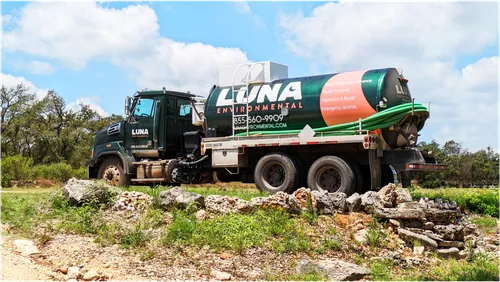
Luna Environmental
151 Las Flores Dr Suite 201, Wimberley, TX 78676
Luna Environmental is a septic service company based in Austin, TX, providing septic tank pumping, inspection, maintenance, and repair services. They serve residential and commercial clients throughout Central Texas, offering tailored solutions to keep septic systems functioning properly. The company is equipped to handle 24-hour emergency maintenance and pumping, ensuring prompt response to urgent septic issues. Luna Environmental emphasizes comprehensive reporting and environmental stewardship in their work, aiming to support sustainable septic system health and community well-being.
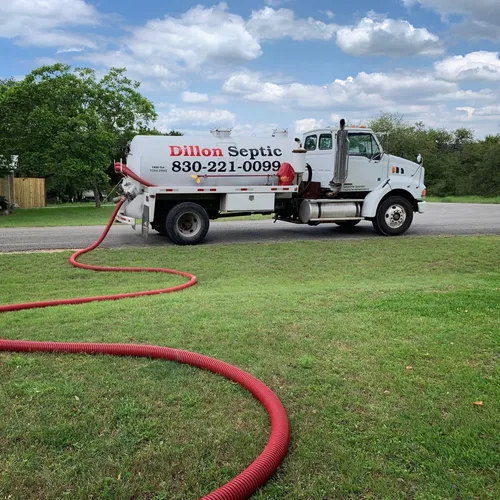
Dillon Septic
136 Sycamore Cir, Spring Branch, TX 78070
Dillon Septic offers a full range of septic services including pumping, inspections, repairs, and new installations for residential and commercial properties in San Antonio, TX. The company has years of experience and a skilled team that handles all aspects of septic system care, ensuring efficient and reliable operation. Dillon Septic is licensed and trained to provide maintenance, emergency repairs, and complete system installations with a focus on clear communication and tailored solutions.

DryNow Restoration & Plumbing
136 Sycamore Cir, Spring Branch, TX 78070
DryNow Restoration & Plumbing provides septic system services in San Antonio, TX, covering residential and commercial properties. The company offers a full range of septic solutions including pumping, inspections, repairs, and new installations. Their team is experienced in maintaining and restoring septic systems to ensure proper function and safety. DryNow Restoration & Plumbing emphasizes personalized service and clear communication to address each customer's specific needs.

Hines Septic Of San Marcos
Austin, TX
Hines Septic Of San Marcos is a family-owned septic service provider operating in Austin, TX, as well as San Marcos and San Antonio. They offer septic tank pumping, inspection, installation, repair, and drain field repair or replacement. The company is fully licensed and insured, ensuring all work meets code requirements. They provide a one-year labor warranty on new septic tank and drain field installations. Hines Septic also offers 24/7 emergency septic services to support urgent needs in the area.
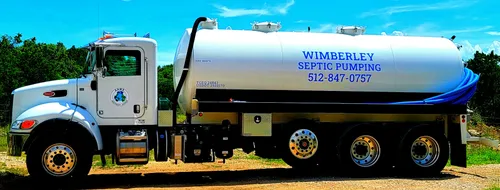
Wimberley Septic Pumping, LLC
Austin, TX
Wimberley Septic Pumping, LLC is a septic service provider based in Austin, TX, offering septic tank pumping, inspection, repair, and installation services. The company serves the Austin area and surrounding communities, including Hays and Northern Comal counties. They specialize in septic system maintenance, including aerobic septic systems, lift stations, and grinder pump repairs. Established in 1999, Wimberley Septic Pumping has over two decades of experience in the wastewater service industry. They also provide 24/7 emergency septic services to address urgent issues promptly.
Understanding Texas Septic System Regulations
Repairing a septic system in Texas is governed by state and local rules designed to protect public health and groundwater. The Texas Commission on Environmental Quality (TCEQ) sets the statewide standards under Title 30, Chapter 285 of the Texas Administrative Code (30 TAC 285). However, day-to-day permitting and enforcement are typically handled by local "authorized agents," which are often county health departments.
The core principle is that most repairs require a permit. According to TCEQ rules, a permit is required for constructing, altering, extending, or repairing an OSSF. This means you generally cannot simply hire a contractor to dig up and replace a drain field without first obtaining approval from your local authority. The permit process ensures the repair complies with technical standards for setbacks from wells, property lines, and structures, and that it is appropriate for your site's specific soil and groundwater conditions.
When is a Permit Required?
The permit requirement covers a wide range of repair activities, including:
- Replacing or repairing a drain field (soil absorption system).
- Installing a new septic tank or replacing a failed one.
- Altering or extending any component of the existing system.
- Major repairs to aerobic treatment unit (ATU) components.
Emergency Repair Exceptions
Texas regulations provide a narrow exception for emergency repairs. If a repair is urgently needed to correct a health hazard and does not involve removing the septic tank, it may proceed without a pre-issued permit 1. However, this is not a free pass. The homeowner or the repair professional must report the emergency repair to the local permitting authority within 72 hours of completing the work 1. It is critical to confirm what constitutes an "emergency" with your local county office before proceeding.
The Site Evaluation: The Foundation of Any Repair
Many system failures, especially drain field issues, are symptoms of underlying site conditions. A proper repair in Texas isn't just about swapping broken parts; it requires a professional site assessment 2. This evaluation focuses on:
- Soil Properties: The soil's texture (clay, sand, loam) and percolation rate determine how quickly wastewater can be absorbed. A repair must match the system's design to the soil's capability.
- Groundwater Depth: Texas law mandates that septic systems must not pollute groundwater 3. The depth to the seasonal high water table is a critical factor. If the water table is too high, a standard drain field will not function and may contaminate groundwater. Repairs in such areas may require advanced system types 3.
- Setbacks: All system components must maintain minimum distances from water wells (typically 50-100 feet), property lines, building foundations, and other sensitive features 4. A repair cannot violate these setbacks.
Skipping this evaluation often leads to a recurring failure. A licensed professional will conduct this assessment to inform the repair plan, which is usually required for the permit application.
Common Septic System Repairs and Cost Ranges in Texas
Repair costs in Texas vary dramatically based on the problem's severity, system type, soil conditions, and local labor rates. Below is a breakdown of typical repair scenarios and their associated cost ranges.
Minor Repairs ($300 - $1,200)
These are fixes that typically don't involve major excavation or system alteration.
- Replacing Baffles or Tees: The inlet or outlet baffles inside the tank can deteriorate. Replacing them is crucial for preventing solids from clogging the drain field. Cost: $300 - $600 5.
- Repairing or Replacing Tank Lids: Concrete lids can crack or become unsafe. Replacing a lid improves safety and access. Cost: $500 - $1,200.
- Unclogging Inlet/Outlet Pipes: Clearing a blockage between the house and the tank or from the tank to the drain field. Cost: $200 - $600.
Moderate Repairs ($1,000 - $4,000)
These repairs involve more labor and may require a permit.
- Pipe Repairs/Replacement: Excavating and replacing broken or crushed distribution pipes in the drain field. Cost: $1,000 - $4,000.
- Aerobic System Pump or Component Repair: Fixing or replacing a failed aerator pump, compressor, or alarm in an Aerobic Treatment Unit (ATU). Cost: $600 - $3,000+.
- Tank Pump-Out and Inspection: While maintenance, a severe clog or backup might require this as a first diagnostic step. Cost: $300 - $600.
Major Repairs and Partial Replacements ($2,500 - $15,000+)
These are significant projects that almost always require a permit and professional site evaluation.
- Drain Field (Leach Field) Replacement: This is the most common major repair. If the soil absorption area has failed, a new field may need to be installed. Cost: $2,500 - $15,000+.
- Septic Tank Replacement: Required if the tank is structurally compromised (cracked, collapsed). Cost: $1,500 - $5,000 for the tank, plus installation 6 7.
- Complete System Replacement: For catastrophic failures or properties where the existing system and site are non-compliant. Cost: $5,000 - $20,000+ 8.
Average Overall Repair Cost: For most homeowners facing a non-catastrophic failure, the total repair bill often falls in the range of $1,500 to $3,500, though the full spectrum can be from $600 to over $6,000 depending on complexity 9 10.
Find the perfect septic system repair companies for your needs
Get personalized recommendations and expert advice
The Step-by-Step Repair Process in Texas
Navigating a repair systematically can save time, money, and regulatory headaches.
- Identify the Problem: Signs include sewage backups, soggy ground or foul odors near the drain field, and gurgling drains.
- Contact Your Local Authority: This is the most important first step. Call your county health department or environmental office (the local authorized agent). Explain the issue. They can confirm if a permit is needed, outline the process, and may have a list of licensed installers/repair professionals in your area.
- Hire a Licensed Professional: Engage a TCEQ-licensed or county-approved septic system contractor. They should:
- Perform a site evaluation and diagnose the root cause.
- Prepare the engineering repair plan or "design" for permit submission.
- Pull the required permit on your behalf.
- Execute the Repair: The contractor performs the approved work. For repairs involving soil disturbance (like a new drain field), the local authority will typically require an inspection before the system is covered with soil 11 12.
- Final Inspection and Paperwork: Once the repair passes inspection, the authority will provide a final approval. Keep all permits and inspection reports for your property records.
Special Considerations for Aerobic Systems in Texas
Aerobic Treatment Units (ATUs) are common in areas with poor soil or high groundwater. They have mechanical components and require more frequent maintenance. In many Texas counties, homeowners with ATUs are legally required to maintain a maintenance contract with a licensed provider and have the system inspected regularly (often 1-4 times per year) 13 14. Repairs to ATUs should always be handled by specialists familiar with these complex systems. Annual maintenance contracts themselves typically cost $200 - $350, which can help catch small problems before they become expensive repairs 15.
Choosing a Repair Professional in Texas
Selecting the right contractor is critical. Look for:
- State and Local Licenses: Verify they hold a current TCEQ license (Installers I, II, or Apprentice) and are registered with your county.
- Experience with Local Soils: Texas has diverse soil conditions. Choose someone experienced in your specific area.
- Insurance: Ensure they carry liability and workers' compensation insurance.
- Detailed Estimates: Get written, detailed estimates that break down labor, materials, permit fees, and site evaluation costs.
- References: Ask for and contact references from recent repair jobs.
Never feel pressured into an immediate, cash-only deal. Reputable professionals understand the permit process and will work within it.
Frequently asked questions
Sources
Footnotes
-
Advice for an Owner of an On-Site Sewage Facility (Septic System) - https://www.tceq.texas.gov/permitting/ossf/ossfadvice.html ↩ ↩2
-
Septic Installation + Repairs - https://www.castenvservices.com/installs ↩
-
Understanding the TCEQ: What Texas Homeowners Need to ... - https://brighteyestexas.com/understanding-the-tceq-what-texas-homeowners-need-to-know-about-septic-system-regulations/ ↩ ↩2
-
Texas Septic System Regulations - https://dillonseptic.com/texas-septic-system-regulations/ ↩
-
How Much Does It Cost to Repair a Septic Tank? - https://www.wepumpitsepticservice.com/how-much-does-it-cost-to-repair-septic-tank ↩
-
How Much Does Septic Tank Repair Cost? [2026 Data] | Angi - https://www.angi.com/articles/how-much-does-repairing-septic-tank-cost.htm ↩
-
Septic Tank Repair Cost in 2026 | Average Prices & Repair Types - https://modernize.com/plumbing/septic-tank-repair-cost ↩
-
How Much Does Failed Septic System Cost? - https://www.septicconnection.com/how-much-does-failed-septic-system-cost ↩
-
Septic Repair Costs in 2025: Full Pricing Guide for Homeowners - https://www.goebelseptic.com/how-much-does-septic-repair-cost-in-2025-a-complete-pricing-breakdown/ ↩
-
How Much Does Septic Repair Cost in 2025? | Blog - https://www.blueribbonseptic.com/blog/septic-repair-cost-sacramento-2025 ↩
-
Getting a Permit for an OSSF - Such as a Septic System - Texas Commission on Environmental Quality - https://www.tceq.texas.gov/permitting/ossf/ossfpermits.html ↩
-
What laws in Texas apply to septic systems? - Water School - https://brazos.org/about-us/education/water-school/articleid/349/what-laws-in-texas-apply-to-septic-systems ↩
-
Texas Septic Tank Rules - https://dillonseptic.com/texas-septic-tank-rules/ ↩
-
On-Site Sewage Facilities | Bexar County, TX - Official Website - https://www.bexar.org/3218/On-Site-Sewage-Facilities ↩
-
Texas Septic System Regulations - https://dillonseptic.com/texas-septic-system-regulations/ ↩