
Find the Best Septic System Repair Companies for Your Business
No obligation • Fast responses • Nationwide coverage

Why you can trust Septic Spot
Septic Spot is a leading United States resource for understanding and comparing septic services. Our editors review providers using consistent criteria and verify key business details. Listings and scores are independent, and companies cannot pay to influence our content.
Search providers near you
Top Septic System Repair Companies in Sugar Land, Texas Ranked
When your home's on-site sewage facility (OSSF) shows signs of trouble, timely and professional repair is essential for protecting your property, your health, and the local environment. Septic system repair involves diagnosing and fixing issues with the tank, drainfield, pumps, or other components to restore proper wastewater treatment. For homeowners in Sugar Land, navigating the repair process means working with licensed professionals and understanding Fort Bend County's specific regulations. This guide will help you understand common repair scenarios, the required steps, and how to find qualified local specialists to get your system functioning correctly again.
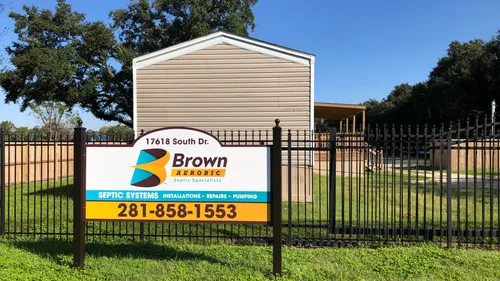
Brown Aerobic Septic Specialists
17618 South Dr, Cypress, TX 77433
Brown Aerobic Septic Specialists is a licensed septic and excavation company serving Houston, TX, and surrounding counties. They provide a wide range of services including aerobic and conventional septic system installation, repair, pumping, inspections, and drain field replacement. Their team also offers excavation services such as grading, land clearing, trenching, and pond construction. With a focus on local soil and weather conditions, they ensure systems meet code and perform reliably. The company is led by a second-generation septic professional and has experience servicing over 1,000 systems.
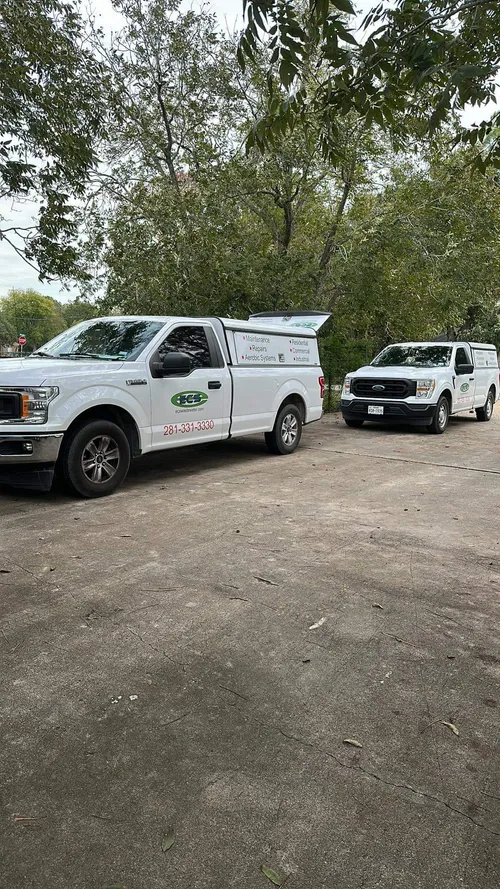
Environmental Construction Services
8916 Quail Valley Dr, Manvel, TX 77578
Environmental Construction Services is a licensed and insured septic system company serving Houston, TX, and surrounding counties. Since 1992, they have provided residential and commercial septic system installation, maintenance, and repair services, specializing in aerobic septic systems. Their technicians are licensed by the Texas Commission on Environmental Quality and are available seven days a week to address septic system needs. The company serves a large area including Brazoria, Fort Bend, Galveston, and Harris counties. Environmental Construction Services also offers maintenance contracts and uses quality parts to help extend the life of septic systems.
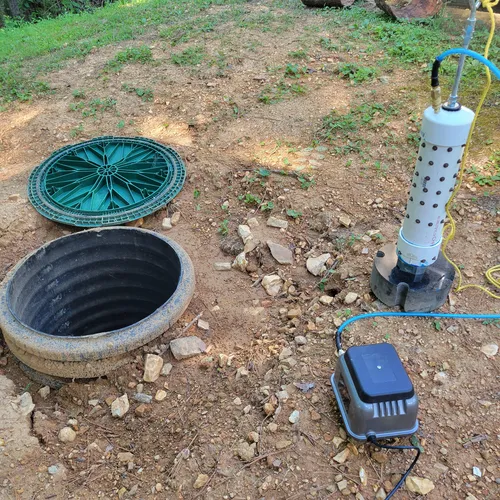
Briggs Septic Service
16842 Southwest Fwy unit 2, Sugar Land, TX 77479
Briggs Septic Service provides comprehensive septic system services in Houston, TX, including septic tank installation, pumping, inspection, repair, drain field installation, and maintenance. They serve both residential and commercial clients, using advanced equipment and adhering to local regulations to ensure quality and environmental responsibility. Their team is fully licensed and certified, offering expertise tailored to the unique soil and land conditions of the area. Briggs Septic Service has years of experience and offers 24/7 emergency service to address urgent septic needs promptly.
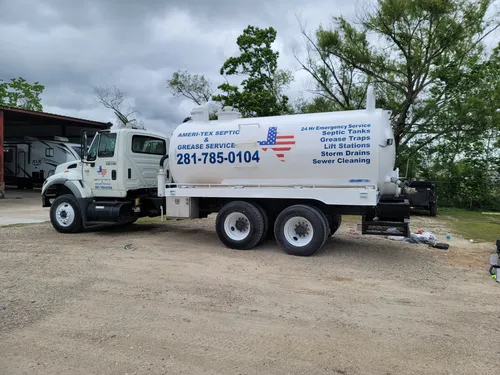
Ameri-Tex Septic and Grease Service
Houston, TX
Ameri-Tex Septic and Grease Service is a septic tank pumping, inspection, and repair company serving Houston, TX, and the Greater Houston area. They provide services for residential and commercial clients, including septic tank cleanouts, grease trap repairs, lift station maintenance, and sewer line cleaning. With 35 years of industry experience, they handle emergency septic and sewer issues to prevent backflow and maintain proper wastewater flow. Ameri-Tex offers same-day services and is available for urgent plumbing needs.
Advanced Aerobic Systems
Pasadena, TX
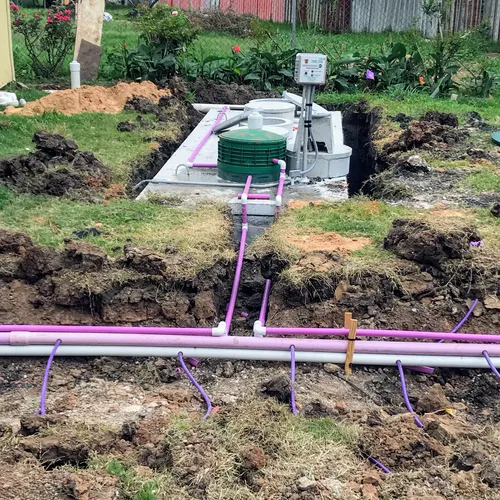
Advanced Aerobic Systems is a septic tank installation, pumping, inspection, and repair company serving Pasadena, TX. They specialize in aerobic septic systems and provide services from permitting and installation to final inspection and maintenance. The company emphasizes quality parts and detailed inspection techniques to reduce long-term maintenance costs and avoid emergency repairs. Established in 1982, Advanced Aerobic Systems has over 20 years of experience and offers a vacuum septic pumping service. Their technicians receive yearly training to maintain industry standards.
Understanding Septic System Failures and Repair Needs
A failing septic system is more than an inconvenience; it's a public health concern. Problems often manifest as slow drains, sewage backups into the home, soggy ground or standing water over the drainfield, or unpleasant odors around the tank area 1. In Sugar Land, these issues require immediate attention from a TCEQ-licensed professional. The repair process always begins with a thorough system evaluation, where a licensed technician assesses the mechanical, electrical, and biological components to pinpoint the root cause of the failure. This inspection covers tank levels, pump function, and drainfield saturation, resulting in a detailed report for the homeowner that is often required to be filed with the county, especially for aerobic system maintenance 2.
The most critical rule for Sugar Land homeowners is that all construction, installation, alteration, or major repair of an On-Site Sewage Facility requires a permit from Fort Bend County Environmental Health. There is no "grandfathering" for older systems; any change, such as replacing a tank, requires the entire system to be brought up to current Texas Administrative Code standards 3. This ensures repairs are done correctly and safely for the long term.
Common Types of Septic System Repairs
Repairs can range from minor component replacements to major system overhauls. The type of system you have-conventional anaerobic or aerobic-largely determines the nature of the work.
Aerobic System Repair: Aerobic treatment units (ATUs), common in areas with less ideal soil, are more mechanically complex. Common fixes include:
- Replacing the air compressor (aerator), which is the heart of the system.
- Repairing or replacing the sewage pump or spray pump.
- Fixing electrical components like control panels, timers, or alarm systems.
- Cleaning or replacing clogged filters and spray heads 4.
Conventional System Repair: For traditional anaerobic systems, typical repairs involve:
- Fixing broken inlet or outlet pipes.
- Replacing damaged or deteriorated septic tank baffles.
- Addressing a failed drainfield, which is often the most serious and costly repair.
- Installing risers for easier future access and maintenance.
- Adding an effluent filter to protect the drainfield from solids 5.
Find the perfect septic system repair companies for your needs
Get personalized recommendations and expert advice
The Regulatory and Permit Process in Fort Bend County
Before any shovel hits the ground, you must navigate the local permit process. This is a non-negotiable step designed to protect public health and groundwater.
- Submit Plans: A new plan and permit application must be filed with the Fort Bend County Permit Office before repairs begin 6. This typically requires the involvement of a licensed installer or professional engineer.
- Maintenance Agreement: If you have an aerobic system, a valid maintenance contract with a licensed provider must already be on file with the county. This is a state requirement for ATUs, and the county must be notified of any contract changes.
- Professional Installation: All repair work must be performed by a TCEQ-licensed installer, site evaluator, or professional engineer 7. Using an unlicensed individual is illegal and can result in fines and an unpermitted system.
- Final Inspection: Once the repair is complete, the work must be inspected and approved by the county's environmental health authority before it can be covered up or put into full operation 8.
In rare cases of emergency repairs-such as a tank that can be fixed without removal to prevent an immediate health hazard-work may proceed, but the permitting authority must be notified within 72 hours 9.
Cost Considerations for Septic Repairs
Repair costs in Sugar Land vary widely based on the system type and the extent of the damage. It's important to get a detailed evaluation and estimate from a licensed professional. Based on regional data:
- A system evaluation or site test typically costs between $350 and $750.
- Conventional system repairs can range from $6,000 to $12,000 or more, depending on whether it's a component fix or a partial drainfield replacement.
- Aerobic system replacements or major overhauls are often more expensive, ranging from $12,000 to over $20,000.
- For aerobic system owners, an annual maintenance contract (which is mandatory) generally costs between $400 and $800 per year. This contract helps catch small issues before they become major, costly repairs 10.
Remember, these are estimates. The final cost depends on your specific site conditions, accessibility, and the exact nature of the failure.
Choosing a Qualified Repair Specialist in Sugar Land
Selecting the right professional is the most important decision you'll make. Look for a provider who is:
- TCEQ-Licensed: Verify their license status for installation, repair, or site evaluation.
- Local Experience: Familiarity with Fort Bend County's specific permit office procedures and soil conditions is a significant advantage.
- Transparent: They should provide a clear, written scope of work and estimate, explain the permit process, and outline the steps for county inspection.
- Insured: Ensure they carry adequate liability and workers' compensation insurance. A reputable specialist will handle the permit paperwork, perform the repair to code, and coordinate the final county inspection, providing you with all necessary documentation for your records 11 12.
Maintaining Your System After a Repair
A successful repair is a new beginning for your system. Protect your investment with proper care:
- Pump Regularly: Even after repairs, have your tank pumped every 3-5 years (or as recommended) to prevent solids from damaging components.
- Conserve Water: Reduce strain on the system by fixing leaks and spreading out laundry loads.
- Mind What You Flush: Only human waste and toilet paper should go down the drain. Avoid chemicals, grease, wipes, and other non-biodegradables.
- Landscape Carefully: Keep heavy vehicles, patios, and pools off the drainfield. Direct surface water away from the system area. For aerobic systems, adhering to your mandatory annual maintenance contract is not just a recommendation-it's the law and your best defense against future costly breakdowns 13 14.
Frequently asked questions
Sources
Footnotes
-
Septic systems explained - Texas Water Resources Institute - https://twri.tamu.edu/blog/septic-systems-explained/ ↩
-
What is Included in Your Limited Septic Inspection - https://www.dooleyhomeinspection.com/what-is-included-in-your-limited-septic-inspection/ ↩
-
Getting a Permit for an OSSF - Such as a Septic System - https://www.tceq.texas.gov/permitting/ossf/ossfpermits.html ↩
-
The Ultimate Guide to Aerobic Septic System Maintenance ... - https://epicseptic.com/the-ultimate-guide-to-aerobic-septic-system-maintenance-repairs-in-central-texas/ ↩
-
Septic System - Texas Water Resources Institute - https://twri.tamu.edu/wp-content/uploads/2024/04/em-126-septic-system-maintenance-inspection-pocket-guide.pdf ↩
-
On-Site Sewage Facility Permits / Packets - Fort Bend County - https://www.fortbendcountytx.gov/government/departments/health-and-human-services/environmental-health/on-site-sewage-facility-permits-packets ↩
-
Basics for Septic Systems - https://www.tceq.texas.gov/assistance/water/fyiossfs.html ↩
-
Milam County, Texas - https://newtools.cira.state.tx.us/page/milam.health.septic ↩
-
Advice for an Owner of an On-Site Sewage Facility (Septic System) - https://www.tceq.texas.gov/permitting/ossf/ossfadvice.html ↩
-
Texas Septic Systems & OSSF Requirements | 2026 Guide - https://texaslandbrokerage.com/resources/texas-septic-systems-ossf-requirements-guide/ ↩
-
Texas Septic System Regulations - https://dillonseptic.com/texas-septic-system-regulations/ ↩
-
Texas Septic Tank Rules - https://dillonseptic.com/texas-septic-tank-rules/ ↩
-
Maintenance of On-Site Sewage Facilities (Septic Systems) - https://www.tceq.texas.gov/permitting/ossf/ossfmaintenance.html ↩
-
Aerobic Maintenance Information | Fort Bend County - https://www.fortbendcountytx.gov/government/departments/health-and-human-services/environmental-health/aerobic-maintenance-information ↩