
Find the Best Septic System Repair Companies for Your Business
No obligation • Fast responses • Nationwide coverage

Why you can trust Septic Spot
Septic Spot is a leading United States resource for understanding and comparing septic services. Our editors review providers using consistent criteria and verify key business details. Listings and scores are independent, and companies cannot pay to influence our content.
Search providers near you
Top Septic System Repair Companies in Temple, Texas Ranked
When your home's wastewater treatment system fails, it's more than an inconvenience-it's a potential health hazard and a significant property issue. Septic system repair in Temple, Texas, involves diagnosing and fixing problems with your On-Site Sewage Facility (OSSF), which can range from a simple component replacement to a complete drain field overhaul. This work is strictly regulated and must be performed by licensed professionals to ensure environmental safety and compliance with state and county codes. This guide will help you understand the repair process, local requirements, and how to find qualified specialists to restore your system to proper working order.
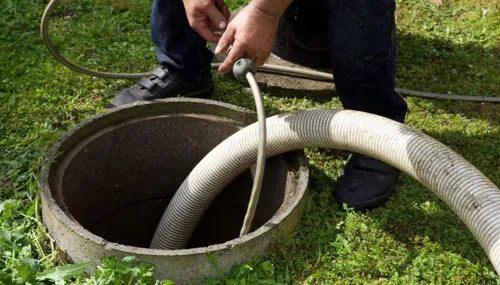
Hometown Septic Services
Austin, TX
Hometown Septic Services provides comprehensive septic system solutions in Austin, TX, and surrounding communities. They serve both residential and commercial clients, offering services such as septic tank pumping, inspections, repairs, and pump replacements. The company specializes in septic pump repairs to ensure efficient wastewater management and compliance with local regulations. Hometown Septic also offers emergency septic services to address urgent system failures promptly. Their team is equipped to handle a wide range of septic system needs, maintaining system functionality and preventing future issues.
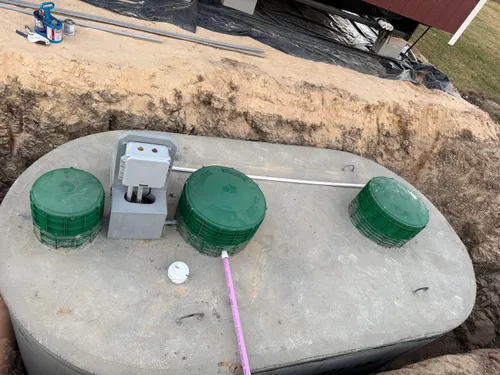
Best Texas Septic
11244 TX-36 Unit D, Temple, TX 76504
Best Texas Septic is a septic tank pumping, inspection, and repair company serving Killeen, TX. They provide professional septic system services for both residential and commercial properties, focusing on tailored solutions to meet specific property needs. The company emphasizes long-term care and preventative maintenance to extend the life of septic systems. They handle emergency service calls promptly, including weekends, aiming to respond within 48 hours and often the same day.
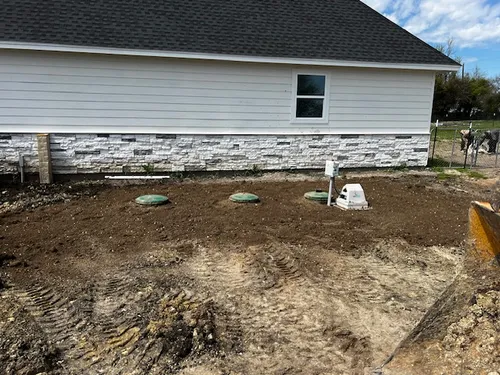
K&M Contracting LLC
Waco, TX
K&M Contracting LLC provides septic system installation, inspection, and repair services in Waco, TX, and the surrounding Central Texas region. They specialize in septic solutions for homeowners, businesses, and property developers, with expertise in local soil conditions and regulatory requirements. The company serves areas including Waco, Woodway, Hewitt, Robinson, Bellmead, China Spring, and Lorena. K&M Contracting offers tailored septic system services designed to address challenges such as clay-heavy soils and fluctuating water tables common in Central Texas.

All About Septic
4631 US-190, Belton, TX 76513
All About Septic is a septic tank inspection and repair company serving Killeen, TX, and surrounding areas. They specialize in maintaining and repairing various aerobic septic systems, including Pro Flo, Clearstream, Nayadic, Norweco Singulair Green, Aqua Aire, and Enviro Flo. With over 16 years of experience, the company offers expertise in evaluating and servicing septic systems to ensure they meet property needs and environmental standards.
Understanding Your Septic System and Common Failures
Before diving into repairs, it's helpful to know what you're dealing with. Most homes in the Temple area use either a conventional septic system or an aerobic treatment system (ATS). A conventional system relies on anaerobic bacteria in the tank and soil in the drain field to treat wastewater. An aerobic system uses an electric pump to inject air into the tank, fostering different bacteria that break down waste more efficiently, often required for smaller lots or less ideal soil conditions.
Both types can fail, and the signs are usually unmistakable:
- Sewage odors around the tank or drain field.
- Slow-draining sinks, tubs, and toilets.
- Gurgling sounds in your plumbing.
- Standing water or soggy, bright green grass over the drain field.
- Backups into your home.
These symptoms indicate that wastewater is not being properly treated and absorbed, creating an immediate need for inspection and likely septic system servicing or repair.
Temple and Bell County Repair Regulations: Permits and Licensing
One of the most critical aspects of septic work in Texas is compliance. A permit is required for any repair, alteration, or expansion of an On-Site Sewage Facility (OSSF). The primary regulatory bodies for Temple are the Bell County Public Health Department and the Texas Commission on Environmental Quality (TCEQ).
- Licensing Requirement: All repair work must be performed by a state-licensed OSSF installer. While Texas law allows an owner of a single-family residence to perform their own work, obtaining the proper permit and passing inspection is complex. Using a licensed professional is strongly advised to ensure the repair meets all legal and technical standards.
- The Permit Process: Your chosen contractor will typically handle the permit application, which includes submitting plans for the proposed repair. The authority will review these plans before work begins.
- Emergency Repairs: If a situation poses an immediate health hazard (e.g., a surface breakout), emergency repairs can start without a pre-issued permit. However, the permitting authority must be notified within 72 hours of beginning the emergency work 1.
- Final Inspection: Once repairs are complete, the local authority will conduct a final inspection to ensure the work matches the approved plans and complies with all regulations.
Types of Septic System Repairs
The scope and cost of your project depend entirely on what has failed. Here's a breakdown of common septic fixes in Central Texas.
Conventional System Repairs
These repairs often focus on the tank and the soil absorption field (drain field).
- Tank Component Repair: Fixing or replacing damaged inlet/outlet baffles, repairing cracks in the tank (if minor), or fixing a damaged tank lid.
- Pipe and Distribution Box Repair: Repairing broken pipes between the house and tank or from the tank to the drain field. Fixing or leveling a damaged distribution box that unevenly disperses effluent to the drain field lines.
- Drain Field Rehabilitation: This is often the most extensive and costly repair. Solutions can include repairing broken lateral lines, using techniques to alleviate soil compaction, or in cases of complete failure, installing a entirely new replacement drain field in a different location 2 3 4.
Aerobic System Repairs
Aerobic Treatment Systems (ATS) have more mechanical and electrical components, leading to a different repair profile.
- Aerator or Air Pump Repair/Replacement: The aerator is the heart of the system, pumping air into the treatment tank. Failure stops the treatment process and triggers an alarm.
- Submersible Pump Repair: These pumps move effluent from the pump tank to the spray field. They can fail due to electrical issues, clogs, or wear.
- Control Panel and Alarm Fixes: Repairing faulty wiring, timers, or alarm floats that monitor tank levels.
- Spray Head Maintenance: Unclogging or replacing sprinkler heads in the spray field that have become blocked.
Drain Field/Lateral Line Issues
Regardless of system type, drain field failure is a serious concern. Repair options are limited and may include:
- Jet Cleaning: High-pressure water jetting to clear minor clogs in lateral lines.
- Pipe Replacement: Excavating to replace sections of crushed or root-intruded pipes.
- Full Drain Field Replacement: When the soil is permanently clogged (a condition called "biomat" saturation), the only solution is to abandon the old field and install a new one according to current codes, which may require a larger area or advanced treatment.
Find the perfect septic system repair companies for your needs
Get personalized recommendations and expert advice
The Professional Repair Process: From Diagnosis to Completion
Engaging a licensed professional ensures the job is done correctly. Here's what a typical repair process looks like:
- System Evaluation and Diagnosis: A technician will perform a comprehensive assessment. This includes locating all system components, checking for sludge/scum levels in the tank, inspecting electrical components and alarms (for aerobic systems), and evaluating the drain field for signs of saturation. This diagnosis determines the exact repair needed.
- Permit Acquisition and Planning: The contractor will prepare the necessary repair plans and submit them to the Bell County Public Health Department or TCEQ for a permit. Work cannot legally proceed until the permit is approved 5.
- Execution of Repairs: With permit in hand, the crew will perform the agreed-upon work, whether it's replacing a pump, excavating to repair pipes, or installing a new drain field.
- Testing and Final Inspection: Once repairs are complete, the system will be tested. For aerobic systems, this includes verifying that effluent quality meets standards. The contractor will then schedule a final inspection with the permitting authority to close out the permit 6.
The Critical Role of Inspections and Maintenance
Many major repairs can be prevented with proactive care. Texas emphasizes regular maintenance, especially for aerobic systems.
- Inspection Frequency: Routine inspections are recommended every 3-5 years for conventional systems. For aerobic systems, state rules often require maintenance visits every four months to check the aerator, pumps, alarms, and chlorine tablets (if used) 7 8.
- Maintenance Contracts: Many local providers offer annual maintenance contracts for aerobic systems, typically ranging from $400 to $800 per year. These contracts cover the required quarterly inspections and minor adjustments, providing peace of mind and helping to catch small problems before they become expensive failures.
- Pumping is Essential: Regardless of system type, regular pumping is the cornerstone of prevention. Sludge buildup that escapes into the drain field is a leading cause of catastrophic failure. The general guideline is to pump your tank every 3 to 5 years, though frequency depends on household size and usage 9.
Understanding Repair and Replacement Costs in Temple
Costs can vary widely based on the repair type, system size, and soil conditions. Below are general estimates for the Temple area:
- Diagnostic/Inspection Visit: $250-$500+, often applied toward repair work if you hire the same company.
- Conventional System Major Repair/Replacement: Significant drain field work or full system replacement can range from $6,000 to $12,000 or more.
- Aerobic System Major Repair/Replacement: Due to more complex components, a full aerobic system replacement can cost between $12,000 and $20,000+. Smaller component repairs (like an aerator pump) will be less but still significant.
- Annual Aerobic Maintenance Contract: As noted, $400-$800 per year for quarterly service visits 10.
Investing in proper repair is not just a home expense; it's a legal and environmental responsibility that protects your property value and community health.
Frequently asked questions
Sources
Footnotes
-
Advice for an Owner of an On-Site Sewage Facility (Septic System) - https://www.tceq.texas.gov/permitting/ossf/ossfadvice.html ↩
-
Texas Septic Tank Rules - https://dillonseptic.com/texas-septic-tank-rules/ ↩
-
Septic System Repair: Essential Guidelines for Homeowners - https://smartsepticpros.com/blog/septic-system-repair-guidelines/ ↩
-
Septic Tank Regulations Homeowners Compliance Guide | Blog - https://www.blueribbonseptic.com/blog/septic-tank-regulations-homeowners-compliance ↩
-
Septic Tank Laws in Texas - https://dillonseptic.com/septic-tank-laws-in-texas/ ↩
-
Texas Septic System Regulations - https://dillonseptic.com/texas-septic-system-regulations/ ↩
-
The Ultimate Guide to Aerobic Septic System Maintenance ... - https://epicseptic.com/the-ultimate-guide-to-aerobic-septic-system-maintenance-repairs-in-central-texas/ ↩
-
Maintenance of On-Site Sewage Facilities (Septic Systems) - https://www.tceq.texas.gov/permitting/ossf/ossfmaintenance.html ↩
-
New Homebuyer's Guide to Septic Systems - EPA - https://www.epa.gov/sites/default/files/2017-08/documents/170803-homebuyerssepticguide_508c.pdf ↩
-
Texas Septic Systems & OSSF Requirements | 2026 Guide - https://texaslandbrokerage.com/resources/texas-septic-systems-ossf-requirements-guide/ ↩