Find the Best Septic System Repair Companies for Your Business
No obligation • Fast responses • Nationwide coverage

Why you can trust Septic Spot
Septic Spot is a leading United States resource for understanding and comparing septic services. Our editors review providers using consistent criteria and verify key business details. Listings and scores are independent, and companies cannot pay to influence our content.
Search providers near you
Top Septic System Repair Companies in The Colony, Texas Ranked
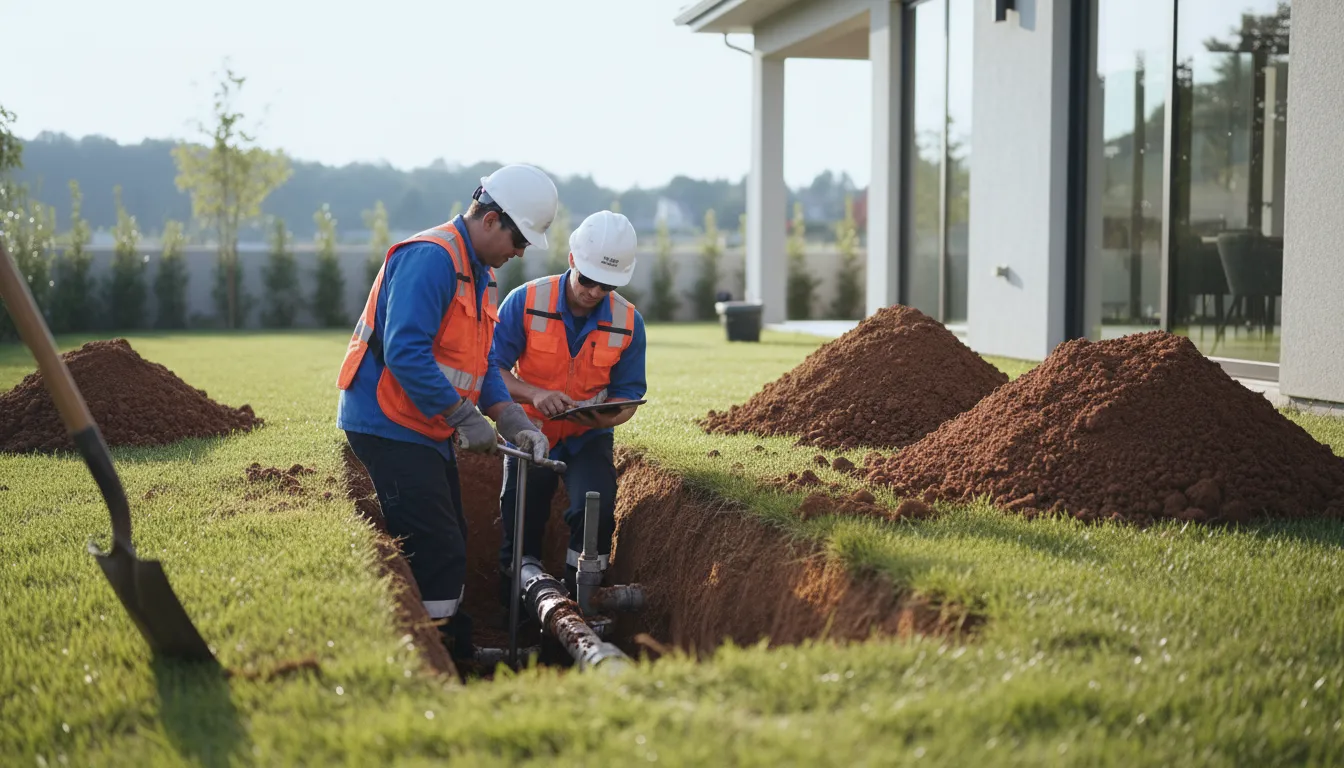
Maintaining a functional septic system is a critical responsibility for homeowners in The Colony. When issues arise, timely and proper septic system repair is essential to protect your property, your health, and the local environment. This guide explains the common types of repairs, the regulatory landscape in Denton County, and how you can find qualified local professionals to address your system's needs effectively.
Straight Shooter Plumbing and Rooter
629 National Dr, Rockwall, TX 75032
Straight Shooter Plumbing and Rooter is a plumbing company serving Dallas, TX, and surrounding Texas communities. They offer a wide range of plumbing services including septic tank installation and repair, sewer line services, drain cleaning, water heater installation, leak detection, and under slab tunneling for sewer and water line repairs. Their expertise in trenchless pipe repair and septic system services supports both residential and commercial needs. The company is family-run, with licensed, bonded, and insured plumbers, and provides a workmanship guarantee. They serve multiple cities across Texas, including Rockwall, Fort Worth, Garland, and Plano.
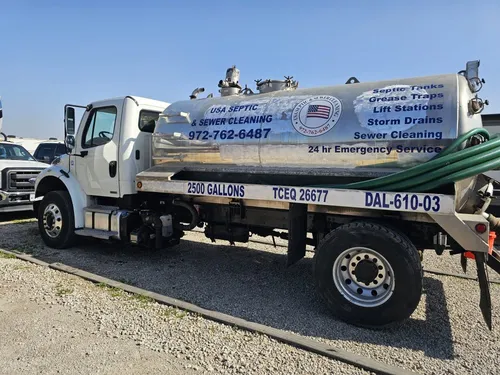
USA Septic and Sewer Cleaning
4661 Ray White Rd, Fort Worth, TX 76244
USA Septic and Sewer Cleaning is a licensed septic service provider based near Dallas, TX, serving Fort Worth, Keller, and Tarrant County. They offer septic tank pumping, inspection, system repair, lift station maintenance, and grease trap cleaning for residential and commercial clients. The company provides 24/7 emergency septic and lift station repair services to address backups, overflows, and pump failures promptly. Their team uses advanced equipment to maintain system efficiency and compliance, helping prevent costly repairs and blockages.
Sigma Solutions Septic Services LLC
4840 Co Rd 597, Farmersville, TX 75442
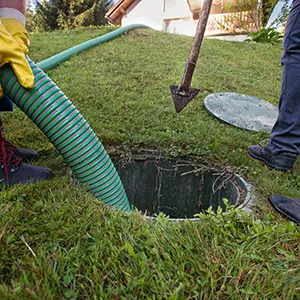
Sigma Solutions Septic Services LLC is a septic tank inspection and repair company serving Dallas, TX. They specialize in septic maintenance, including routine inspections and septic tank cleaning, to help prevent leaks, overflows, and system malfunctions. The company offers a full range of septic solutions, from initial inspections to complex repairs, using professional equipment and extensive knowledge to keep systems running efficiently. Sigma Solutions emphasizes clear communication by explaining options and pricing before starting any work.
Year Round Septic
Dallas, TX
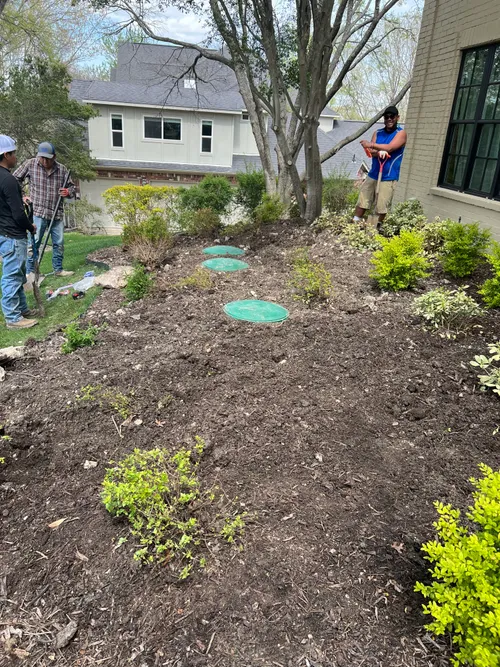
Year Round Septic is a septic service provider based in Dallas, TX. They specialize in septic tank installation for new construction and replacement projects, septic tank repair, and comprehensive septic tank inspections. The company offers 24/7 emergency services to address urgent septic system issues promptly. They also facilitate regular septic tank pumping for both residential and commercial properties to maintain system functionality and prevent problems.
Total Septic
3300 Maroon Creek Rd, Aubrey, TX 76227
Total Septic is a locally owned and operated company based in Dallas, TX, offering a full range of septic system services including installation, pumping, inspection, and repair. They serve multiple Texas counties such as Collin, Grayson, Denton, Rockwall, Fannin, and Hunt. The company specializes in various septic systems including traditional, aerobic, plastic/poly, and concrete tanks, ensuring each installation meets local codes and site conditions. Total Septic also provides excavation services like land clearing, grading, trenching, and demolition for residential and commercial projects. With decades of combined experience, they manage projects with modern equipment and a focus on compliance and safety.
Understanding Your Septic System and Common Failures
A septic system is an on-site wastewater treatment structure, typically consisting of a tank and a drain field (also known as a leach field or soil absorption field). Wastewater from your home flows into the tank, where solids settle and begin to decompose. The clarified liquid then exits into the drain field, where it is further treated by the soil. A failure occurs when this process is disrupted, often leading to sewage backups in the home or wastewater surfacing in the yard.
Common signs you may need septic tank repair or system servicing include:
- Slow-draining sinks, tubs, or toilets.
- Gurgling sounds in your plumbing.
- Sewage odors inside your home or around the yard.
- Unusually lush, green grass or soggy ground over the drain field.
- Standing water or surfacing sewage in your yard.
Texas and Denton County Regulations for Septic Repairs
In Texas, septic systems are formally known as On-Site Sewage Facilities (OSSFs). All repairs, alterations, or extensions to an OSSF in The Colony are regulated by the Texas Commission on Environmental Quality (TCEQ) and enforced locally by the Denton County Health Department.
Key regulatory points for homeowners:
- Permits Are Required: Almost all repair work requires a permit from the local permitting authority (Denton County) before any digging or repair begins 1.
- Licensed Professionals: Repairs must be performed by a TCEQ-licensed installer, with very few exceptions. Homeowners may perform repairs on their own single-family residence, but they must still obtain the proper permits and ensure the work meets all current Texas Administrative Code standards.
- Emergency Repairs: If a repair can be made without removing the tank-such as fixing a broken pipe-it may be classified as an emergency repair. In such cases, you must notify the permitting authority within 72 hours of completing the work 2.
- System Upgrades: If your system is failing and cannot be repaired to its original design, the repair may require an upgrade to meet current standards, which could include converting a conventional system to an aerobic treatment unit (ATU).
Always contact the Denton County Health Department to verify the most current rules and permit requirements before starting any repair project 3.
Common Types of Septic System Repairs
The scope of necessary septic work can range from simple component replacement to major drain field rehabilitation.
1. Tank Pumping and Cleaning
While not a "repair" in the structural sense, regular pumping (every 3-5 years) is the most crucial preventive maintenance to avoid system failure. If sludge and scum layers are allowed to build up and escape into the drain field, they will cause clogging and hydraulic failure, necessitating expensive drain field repairs.
2. Component Repair or Replacement
This is common for aerobic treatment systems, which have mechanical parts. Repairs may include:
- Replacing a failed effluent pump or air pump.
- Fixing or replacing aerator diffusers.
- Repairing float switches or a malfunctioning high-water alarm 4.
3. Drain Field Rehabilitation
A failing drain field is one of the most serious and costly problems. Solutions vary:
- Jet Cleaning: High-pressure water jetting can sometimes clear minor blockages in the distribution pipes.
- Pipe Replacement: Severely damaged or crushed pipes may need to be excavated and replaced.
- New Drain Field: In cases of complete soil saturation or failure, installing a new replacement drain field (or "repair field") may be the only option. In heavy clay soils common in parts of Texas, this might be coupled with converting to an aerobic system for better wastewater treatment.
4. Structural Tank Repairs
Cracks, leaks, or baffle failures in the concrete or fiberglass tank itself require immediate attention. Depending on the damage, repairs might involve internal sealing or, in severe cases, partial excavation and patching. A completely collapsed tank will require full replacement 5.
Find the perfect septic system repair companies for your needs
Get personalized recommendations and expert advice
The Diagnostic Process: Inspection Before Repair
A proper repair begins with a thorough system inspection to accurately diagnose the problem. A qualified professional will typically 6 7 8:
- Locate and Access: Find the tank and distribution box, then uncover the access lids.
- Assess Tank Conditions: Measure the depth of scum and sludge layers to determine if pumping is needed.
- Check Components: Test pumps, alarms, and electrical controls in aerobic systems.
- Evaluate the Drain Field: Visually inspect the area for signs of surfacing effluent, soggy ground, or odors. A probe may be used to check for soil saturation.
The U.S. Environmental Protection Agency recommends having your system inspected every one to three years by a licensed professional to catch small issues before they become major failures.
The Importance of Preventative Maintenance and Cost Considerations
Investing in routine maintenance is far more economical than emergency septic system restoration. The cost of pumping your tank every few years is minor compared to the expense of a full drain field replacement, which can run into the tens of thousands of dollars 9 10.
For example, a drain field failure in The Colony's heavy clay soil might require not just a new field but also an upgrade to an aerobic treatment unit to function properly, significantly increasing the project cost 11. Regular inspections and pumping are the best ways to extend the life of your entire system and avoid these catastrophic repair bills.
Choosing a Service Provider in The Colony
When you need septic work, it's vital to choose a reputable, licensed professional. Look for a TCEQ-licensed installer with experience in Denton County. They will be familiar with local soil conditions, county health department procedures, and the specific permit requirements for your repair. Always ask for proof of licensing, references, and a detailed written estimate that outlines the diagnostic process, the proposed repair, necessary permits, and a clear cost breakdown.
Frequently asked questions
Sources
Footnotes
-
Basics for Septic Systems - https://www.tceq.texas.gov/assistance/water/fyiossfs.html ↩
-
Advice for an Owner of an On-Site Sewage Facility (Septic System) - https://www.tceq.texas.gov/permitting/ossf/ossfadvice.html ↩
-
Septic System Maintenance & Management | Denton County, TX - https://www.dentoncounty.gov/660/Septic-System-Maintenance-Management ↩
-
How a Septic System Works | Williamson County, TX - https://www.wilcotx.gov/651/How-a-Septic-System-Works ↩
-
Septic Tank FAQ and Septic System FAQ - https://dillonseptic.com/faq/ ↩
-
Homeowner's Guide to Septic Systems - Lakeway-tx.gov - https://www.lakeway-tx.gov/DocumentCenter/View/35501/EPA---Homeowners-Guide-for-Septic-Systems ↩
-
Texas OSSF Inspection Requirements: Complete Guide for 2025 - https://www.fieldbaseos.com/blog/texas-ossf-inspection-requirements.html ↩
-
Understanding the Septic System Inspection Process - https://kaylorseptic.com/understanding-the-septic-system-inspection-process/ ↩
-
Frequent Questions on Septic Systems | US EPA - https://www.epa.gov/septic/frequent-questions-septic-systems ↩
-
Repairing Septic Systems: A Detailed Manual - https://ky-pd.com/blog/fixing-septic-system/ ↩
-
Texas Septic Tank Rules - https://dillonseptic.com/texas-septic-tank-rules/ ↩