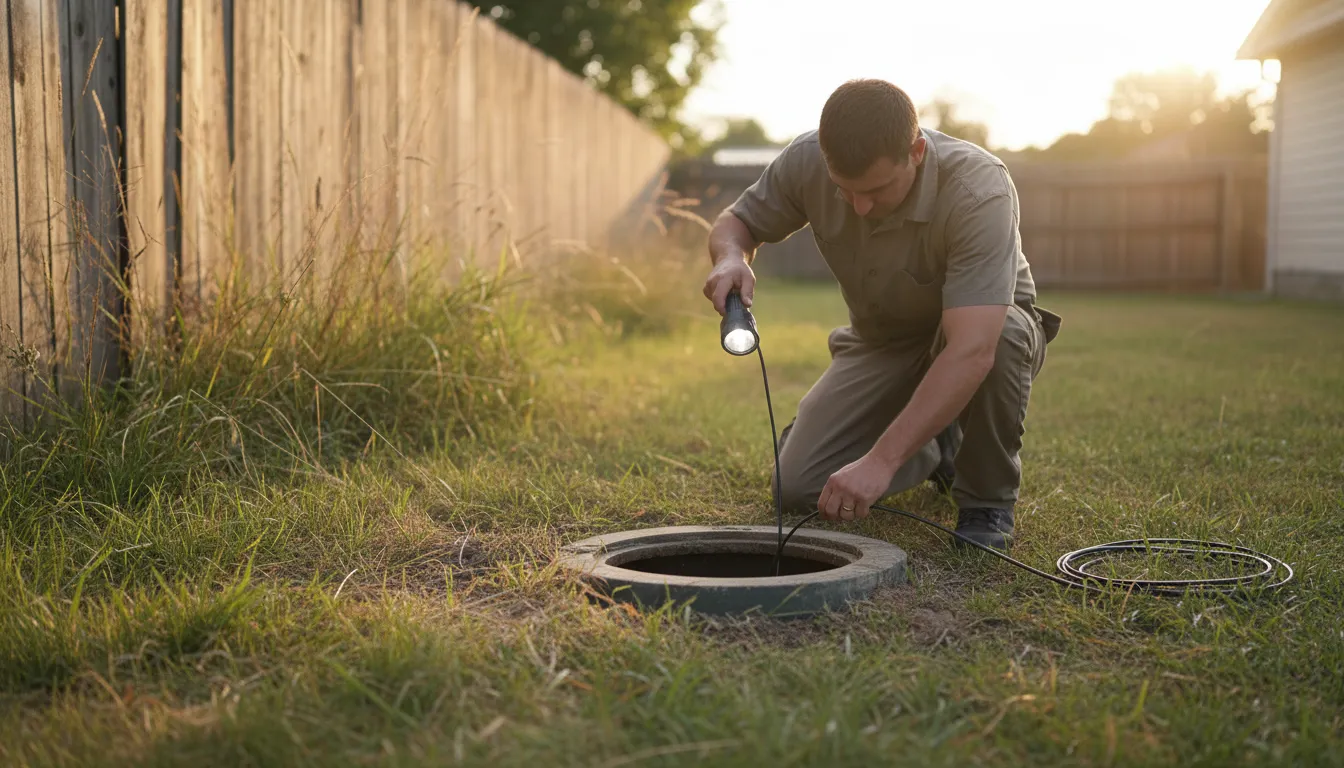
Find the Best Septic Tank Inspection Companies for Your Business
No obligation • Fast responses • Nationwide coverage

Why you can trust Septic Spot
Septic Spot is a leading United States resource for understanding and comparing septic services. Our editors review providers using consistent criteria and verify key business details. Listings and scores are independent, and companies cannot pay to influence our content.
Search providers near you
Top Septic Tank Inspection Companies in Arlington, Texas Ranked
A septic system inspection is a critical evaluation of your home's on-site wastewater treatment system, ensuring it is functioning safely and in compliance with local regulations. In Arlington, where many homes rely on these private systems, a professional assessment is essential for protecting your property value, your family's health, and the local environment. This guide will help you understand the process, requirements, and local considerations for finding qualified professionals to evaluate your septic system.
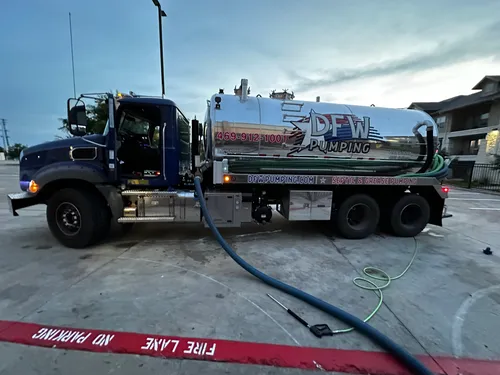
DFW Septic and Grease Services
4881 Montgomery Rd, Midlothian, TX 76065
DFW Septic and Grease Services provides septic tank pumping and inspection services in Dallas, TX. They serve both residential and commercial properties across multiple counties including Ellis, Tarrant, Dallas, Rockwall, Kaufman, Henderson, Navarro, Johnson, and Hill. Their services include septic system cleaning, grease trap maintenance, and thorough onsite inspections for various facilities such as restaurants, retirement homes, and grocery stores. The company offers expert advice and waste collection to help maintain efficient septic systems.

Ninnis Home Inspection
Clubview Dr, Argyle, TX 76226
Ninnis Home Inspection provides certified home inspection services in Dallas, TX, and the surrounding DFW Metroplex area. Their offerings include septic tank inspections, buyers and sellers inspections, pool and spa inspections, water well testing, and new build phase inspections. The company is Texas Real Estate Commission (TREC) certified and serves multiple locations such as Argyle, Denton, Keller, Frisco, and Plano. Ninnis Home Inspection focuses on detailed and thorough inspections to help clients make informed decisions about their homes.
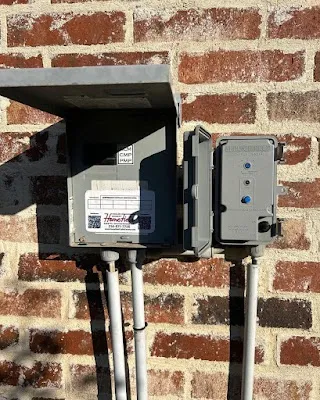
HomeField Parker County
617 Pine St, Aledo, TX 76008
HomeField Parker County is a septic service provider based in Fort Worth, TX, offering comprehensive septic system solutions for both residential and commercial clients. Their services include septic tank pumping, inspections, repairs, installations, drain field replacement, and system design. They also provide real estate septic inspections and maintenance plans to help customers stay compliant with local regulations. HomeField Parker County serves Parker, Johnson, and Hood counties, bringing local expertise to every job. Their team is equipped to handle emergency septic repairs and routine maintenance, ensuring systems operate efficiently and meet current standards.
Inspect360
8074 Precinct Line Rd, Colleyville, TX 76034
Inspect360 is a septic tank inspection company based in Dallas, TX, offering professional home and commercial inspection services throughout the Dallas-Fort Worth Metroplex and East Texas. Since 2006, their certified master inspectors have provided specialized inspections including septic, termite, pool, sprinkler, and sewer scope inspections. They use state-of-the-art software to deliver inspection reports within 24 hours, complete with digital photos and detailed findings. Inspect360 also offers complimentary home assistant services with each inspection.
SB Septic and Sewer Ft Worth
8204 FM1902, Joshua, TX 76058
SB Septic and Sewer Ft Worth is a septic tank inspection and repair company based in Fort Worth, TX. They provide septic and sewer services across the greater Dallas-Fort Worth area, including multiple East Texas counties. The company offers photo documentation and warranties on repairs, with a licensed and insured technician team to support their work.
Understanding Septic Systems in Arlington
Arlington, Texas, falls under the regulatory jurisdiction of Tarrant County for On-Site Sewage Facilities (OSSFs), which must also adhere to statewide standards set by the Texas Commission on Environmental Quality (TCEQ). Unlike municipal sewer connections, a septic system is a self-contained wastewater treatment plant on your property. It typically consists of a septic tank, where solids settle and begin to decompose, and a drain field (or leach field), where treated liquid effluent is dispersed into the soil. In Arlington, many systems are aerobic treatment units (ATUs), which use oxygen to break down waste more efficiently and often include spray fields. Understanding this basic setup is the first step in recognizing why regular professional evaluations are non-negotiable.
When is a Septic System Inspection Required?
Knowing the local triggers for a mandatory inspection can save you from legal and financial headaches. In Arlington and Tarrant County, several key situations necessitate a professional septic system check:
- Property Transfer: While Texas state law does not universally mandate a septic inspection for every home sale, it is highly recommended and often required by lenders or as a condition of sale. A certified, third-party inspection provides assurance that the system meets TCEQ standards and is not on the verge of failure, which can be a costly discovery for a new homeowner.
- Aerobic System Maintenance: If your home has an aerobic treatment system, TCEQ regulations require you to maintain a valid maintenance contract with a licensed provider. This contract typically includes inspections every four months to ensure mechanical components like aerators, pumps, and alarms are working correctly.
- System Installation or Major Repair: Any new installation or significant alteration to an OSSF must be performed by a licensed installer and will involve inspections to gain county approval.
- Suspected System Failure: Signs like slow drains, sewage backups, foul odors indoors or outdoors, soggy ground over the drain field, or unusually lush grass in the spray area are red flags that demand an immediate professional assessment.
What Does a Professional Inspection Involve?
A comprehensive septic system evaluation is far more than a quick look. Licensed inspectors or maintenance providers follow a detailed process to assess every component. Here's what you can expect during a thorough inspection:
- Pre-Inspection Information Gathering: The inspector will first try to locate the system's "as-built" diagram, which shows the tank and drain field location. If this isn't available, they will need to probe or dig to find the tank lids.
- Tank Access and Visual Inspection: Risers or lids are opened. The inspector checks the tank's structural integrity for cracks, checks the security of the lids, and examines the inlet and outlet baffles to ensure they are intact and functional.
- Sludge and Scum Measurement: Using a tool called a "sludge judge," the inspector measures the levels of accumulated solids (sludge) and floating scum 1. Pumping is generally recommended when the sludge layer exceeds 25-33% of the tank's liquid depth 2 3.
- Hydraulic Load Test: To check the drain field's absorption capacity, the inspector may run a significant amount of water through the system (often 50-100 gallons per minute for 30-60 minutes) and monitor for surfacing or backup. This test is crucial for identifying a failing leach field.
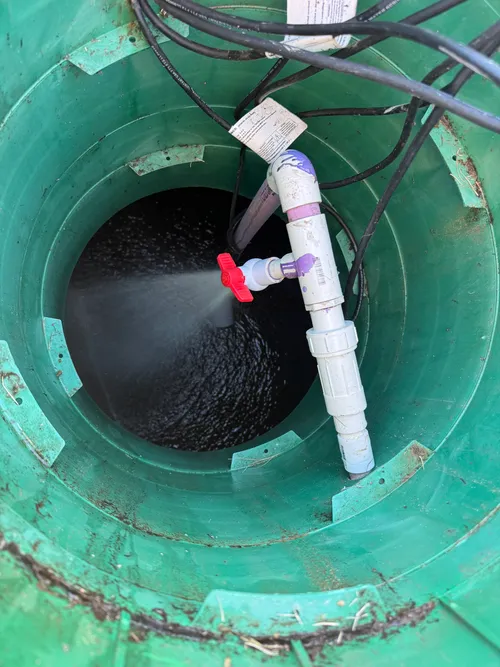
- Drain Field/Spray Field Assessment: The area above and around the drain field is examined for signs of failure, including standing water, surfacing effluent, or overly saturated soil. For aerobic systems with spray heads, the distribution and spray patterns are checked.
- Component Check (for Aerobic Systems): The aerator pump, air diffusers, control panel, and alarm systems are all tested to ensure proper operation, as required by the maintenance contract 4.
Find the perfect septic tank inspection companies for your needs
Get personalized recommendations and expert advice
Local Regulations and Compliance in Tarrant County
Staying compliant with local rules is a key reason for regular inspections. Tarrant County Engineering Services oversees OSSF permits and enforcement. Key regulations include:
- Maintenance Contracts: As noted, aerobic systems must have an active maintenance contract. Failure to maintain this contract can result in notifications from the county and potential fines 5.
- Pumping and Waste Disposal: When your tank is pumped, it is crucial to hire a registered sludge transporter. These professionals are licensed to haul and dispose of septage at approved facilities, ensuring environmental safety 6.
- System Modifications: Any repair or alteration to the system requires a permit from Tarrant County. Unpermitted work can lead to compliance orders and costly corrections down the line 7.
Understanding these rules helps you choose a service provider who is not only skilled but also knowledgeable about local bureaucratic requirements, ensuring your system remains legal and operational.
Costs of Inspection and Related Services in Arlington
Investing in an inspection is far less expensive than dealing with a full system replacement. Costs in the Arlington area vary based on system type, size, and accessibility:
- Basic Septic Inspection: A standard inspection for a conventional system typically ranges from $300 to $600+. The price can increase if the tank lids need to be located and excavated or if the system is particularly large or complex 8.
- Aerobic System Maintenance Contract: The annual contract for an aerobic system, which usually includes three inspections (every four months), often costs between $200 and $400 9.
- Septic Tank Pumping: If the inspection reveals the tank needs pumping, that service generally costs $300 to $600+, depending on tank size (e.g., 1,000-gallon vs. 1,500-gallon) and how easy it is to access 10 11.
Always request a detailed quote that breaks down inspection fees versus pumping fees before work begins.
Choosing a Qualified Inspection Provider
Not all septic service companies are equal. When searching for a provider in Arlington, look for the following:
- Proper Licensing: Ensure the company or individual holds the appropriate TCEQ license for either OSSF maintenance (for aerobic contracts) or sludge transportation (for pumping). Inspectors should also be certified through a reputable organization like InterNACHI or hold a professional engineer license.
- Local Experience: Choose a provider familiar with Tarrant County's specific soil conditions, common system types, and permit office procedures.
- Detailed Reporting: A reputable inspector will provide a written report with findings, measurements (like sludge depth), photographs, and clear recommendations for any necessary repairs or pumping.
- Transparent Pricing: Avoid companies that give vague estimates over the phone without seeing your property.
By selecting a qualified professional, you transform the inspection from a simple check-box activity into a valuable assessment that provides peace of mind and a roadmap for long-term system care.
Frequently asked questions
Sources
Footnotes
-
Septic System Inspections - InterNACHI - https://www.nachi.org/inspecting-septic-systems.htm ↩
-
Septic System - Texas Water Resources Institute - https://twri.tamu.edu/wp-content/uploads/2024/04/em-126-septic-system-maintenance-inspection-pocket-guide.pdf ↩
-
Does Texas Require Septic Inspection - TexInspec - https://texinspec.com/does-texas-require-septic-inspection/ ↩
-
Texas Septic System Regulations - https://dillonseptic.com/texas-septic-system-regulations/ ↩
-
SEPTIC SYSTEM LAWS IN TEXAS - https://www.terseptic.com/posts/septic-systems-its-the-law ↩
-
Basics for Septic Systems - https://www.tceq.texas.gov/assistance/water/fyiossfs.html ↩
-
Frequently Asked Questions - Tarrant County - https://www.tarrantcountytx.gov/en/engineering-services/environmental/ossf/frequently-asked-questions.html ↩
-
Septic System Inspections - A-Action Realty Inspection Services - https://a-actionhomeinspection.com/septic-system-inspections/ ↩
-
Stay Compliant: Avoid Fines with Septic System Regulations - https://smartsepticpros.com/blog/septic-system-regulations/ ↩
-
Texas Septic Tank Rules - https://dillonseptic.com/texas-septic-tank-rules/ ↩
-
Texas OSSF Inspection Requirements: Complete Guide for 2025 - https://www.fieldbaseos.com/blog/texas-ossf-inspection-requirements.html ↩