Find the Best Septic Tank Inspection Companies for Your Business
No obligation • Fast responses • Nationwide coverage

Why you can trust Septic Spot
Septic Spot is a leading United States resource for understanding and comparing septic services. Our editors review providers using consistent criteria and verify key business details. Listings and scores are independent, and companies cannot pay to influence our content.
Search providers near you
Top Septic Tank Inspection Companies in San Antonio, Texas Ranked
A septic tank inspection is a professional assessment of your on-site sewage facility (OSSF) to ensure it is functioning safely and in compliance with local and state regulations. In San Antonio and Bexar County, these evaluations are critical for protecting your property, your health, and the local environment, particularly in the sensitive Hill Country aquifer region. This guide helps you understand the inspection process, local requirements, and how to connect with qualified, licensed professionals in your area.
Lone Star Inspections
32882 I-10 #203, Boerne, TX 78006
Lone Star Inspections is a family-owned home inspection company serving San Antonio, TX, and nearby areas. They provide a range of inspection services including septic tank inspection, roof, pool, and termite inspections for home buyers, sellers, real estate agents, and builders. The company uses advanced technology such as infrared cameras to detect hidden moisture and insulation issues, ensuring thorough evaluations of home systems and safety equipment. With over ten years of experience, Lone Star Inspections offers a one-year warranty on their work and flexible scheduling to meet client needs.
Texas Environmental Pump Services LLC
San Antonio, TX
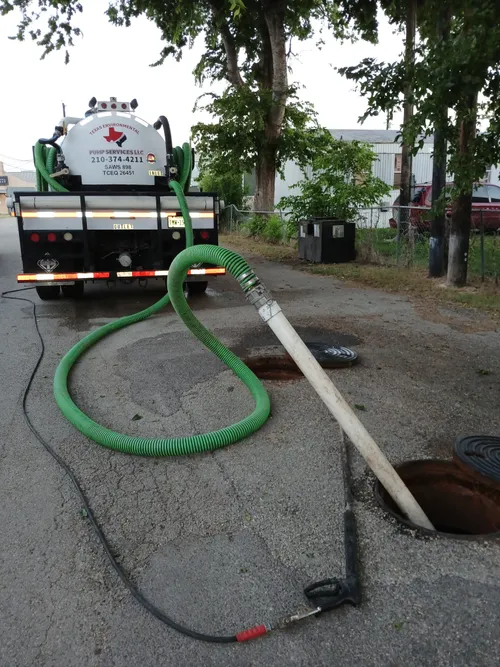
Texas Environmental Pump Services LLC is a family-owned septic and grease pumping company based in San Antonio, TX. They serve both residential and commercial customers, including homes, restaurants, and businesses. The company is licensed by the Texas Commission on Environmental Quality (TCEQ) and offers septic tank and grease trap pumping, routine maintenance, and preventive inspections. They provide emergency and after-hours services to support their community when needed.
Superior Plus Septic Service
San Antonio, TX
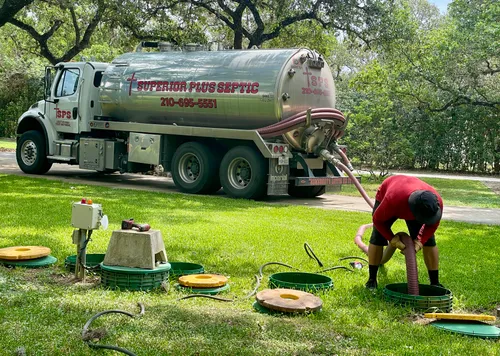
Superior Plus Septic Service provides septic tank pumping and inspection services in San Antonio, TX, and surrounding areas including Helotes, New Braunfels, Schertz, Boerne, and Universal City. The company has been operating since 2001 and offers residential septic system maintenance, including riser lid installation and aerobic system pumping. They use industry-leading tools and techniques and are fully insured. Superior Plus Septic Service also offers 24/7 availability for septic emergencies, ensuring timely support when needed.
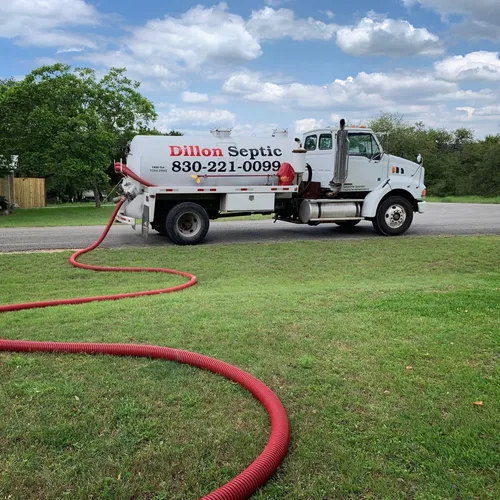
Dillon Septic
136 Sycamore Cir, Spring Branch, TX 78070
Dillon Septic offers a full range of septic services including pumping, inspections, repairs, and new installations for residential and commercial properties in San Antonio, TX. The company has years of experience and a skilled team that handles all aspects of septic system care, ensuring efficient and reliable operation. Dillon Septic is licensed and trained to provide maintenance, emergency repairs, and complete system installations with a focus on clear communication and tailored solutions.

DryNow Restoration & Plumbing
136 Sycamore Cir, Spring Branch, TX 78070
DryNow Restoration & Plumbing provides septic system services in San Antonio, TX, covering residential and commercial properties. The company offers a full range of septic solutions including pumping, inspections, repairs, and new installations. Their team is experienced in maintaining and restoring septic systems to ensure proper function and safety. DryNow Restoration & Plumbing emphasizes personalized service and clear communication to address each customer's specific needs.
Understanding Septic Systems and Local Regulations
In Texas, septic systems are formally known as On-Site Sewage Facilities (OSSFs). In San Antonio and the surrounding Bexar County areas, these systems are regulated by the Texas Commission on Environmental Quality (TCEQ) under Chapter 285 rules, with local enforcement handled by the Bexar County Public Works department or other authorized agents. If your property is outside San Antonio city limits, Bexar County is typically your direct permitting and inspection authority.
The regulatory landscape here is strict for good reason. Properly functioning systems prevent groundwater contamination, which is vital for an area that relies on aquifers. Failure to maintain your system can lead to significant penalties from local authorities. Whether you're a new homeowner, selling your property, or maintaining an existing system, understanding these rules is your first step.
When Is a Septic System Inspection Required?
Inspections aren't just a good idea-they are often mandated by law. Knowing the triggers for a mandatory evaluation can save you from legal and financial headaches.
Property Transactions: While Texas state law does not universally require a septic inspection for home sales, it is an extremely common and highly recommended contingency. Most buyers will request one, and in areas with specific health district rules or for certain loan types, it may be obligatory. An inspection provides a compliance statement that is crucial for closing 1 2.
New Installations and Major Repairs: Any new septic system installation or significant repair in Bexar County requires permitting and multiple inspections. A critical "pre-cover" inspection must occur after the tanks and drainfield are installed but before they are backfilled. A final inspection is also required once the system is operational.
Permit Renewals: Systems operating under a permit, especially aerobic systems, require regular inspections to renew their operating permit, which is typically valid for five years.
Routine Maintenance for Aerobic Systems: If you have an aerobic treatment unit (ATU), state law requires you to maintain a service contract with a licensed provider. These contracts usually include inspections every four months to check mechanical components, alarms, and spray heads.
Suspected System Failure: Signs like slow drains, sewage odors indoors or in the yard, soggy ground over the drainfield, or surfacing effluent are clear indicators you need an immediate professional assessment.
What Does a Professional Inspection Cover?
A comprehensive septic system evaluation goes far beyond just looking at a tank. A qualified inspector will conduct a multi-point check to assess the entire system's health.
Document Review & Site Evaluation: The process often starts with reviewing available permits, "as-built" diagrams of your system, and maintenance records. The inspector will also note the system's age, type, and location relative to your home and property lines.
Tank Inspection: This is the core of the service. A professional will locate and uncover the tank access lids. They will then:
- Measure the sludge and scum layers to determine if pumping is needed.
- Inspect the tank interior (if accessible) and exterior for cracks, leaks, or corrosion.
- Check the inlet and outlet baffles or tees to ensure they are intact and not blocked.
- Examine any effluent filters, cleaning them if necessary 3.
Drainfield Assessment: The inspector will evaluate the drainfield (or leach field) area for any signs of failure. This includes looking for:
- Standing water or soggy, bright green grass over the field.
- Surfacing sewage or foul odors.
- Any soil compaction or unauthorized driving over the area 4.
Mechanical & Electrical Components (For Aerobic Systems): For ATUs, the inspection is more involved. The inspector will:
- Test the aerator motor and diffusers to ensure proper oxygenation.
- Check all pumps (sewage pump, effluent pump, spray pump) for operation.
- Verify that the control panel and alarm system are functioning correctly.
- Inspect spray heads for proper rotation and distribution 5.
Flow Test & Dye Test (If Applicable): In some cases, an inspector may introduce a non-staining dye into household drains to check for surfacing effluent or confirm flow direction, especially if a problem is suspected.
Find the perfect septic tank inspection companies for your needs
Get personalized recommendations and expert advice
Types of Septic Systems in the San Antonio Area
The type of system you have directly impacts inspection complexity, frequency, and cost. The common systems in our region include:
Conventional Gravity Systems: The most basic type, relying on gravity to move wastewater from the tank to a drainfield. Inspections focus primarily on tank condition and drainfield performance.
Aerobic Treatment Systems (ATUs): Very common in areas with poor soil percolation. These systems use an aerator to break down waste more efficiently and include spray heads for effluent dispersal. They require the most frequent and detailed inspections due to their mechanical components 6.
Chamber Systems: Use plastic chambers in the drainfield instead of traditional gravel. The inspection process is similar to a conventional system but verifies the chambers are not crushed or blocked.
Drip Irrigation Systems: A variation often paired with aerobic systems, where treated effluent is slowly dispersed via a network of drip lines. Inspections must verify line integrity and pump function.
Inspection Costs and Related Fees in San Antonio
Understanding the potential costs helps you budget appropriately. Prices can vary based on system type, size, and accessibility.
Standard Inspection for Home Sale: A typical inspection for a conventional system during a real estate transaction generally ranges from $200 to $600+ in the San Antonio area. Inspections for aerobic systems are typically more expensive, often starting at the higher end of that range or above, due to the additional time required to test mechanical components 7.
Pumping Costs: If the inspection reveals your tank needs to be pumped, that is a separate service. Pumping a residential septic tank in this region typically costs between $300 and $600+, depending on tank size (e.g., 500-gallon vs. 1,500-gallon) and how easy it is to access the lids 8 9.
Permit and Administrative Fees: Bexar County charges fees for permit applications, renewals, and inspections. For example, renewing an existing system's operating permit may involve a nominal fee (e.g., $30 in some jurisdictions) along with submitting a recent pumping receipt 10. Fees for new construction or repair permits are higher.
Maintenance Contract Costs: For aerobic system owners, the required annual maintenance contract is an ongoing cost that includes the quarterly inspections. These contracts vary in price based on the provider and services included.
Choosing a Qualified Septic Inspector in Bexar County
Not all inspectors are equal. For your protection, it's essential to hire a properly credentialed professional.
Licensing is Non-Negotiable: In Texas, anyone performing diagnostics, repairs, or installations on an OSSF must be licensed by the TCEQ. Always ask for their TCEQ License number and verify their standing. A licensed installer or maintenance provider is qualified to perform inspections.
Experience with Local Regulations: Choose an inspector familiar with Bexar County and San Antonio-specific requirements. They will know the local authorities, permit processes, and common soil and system types in our area.
Detailed Reporting: A good inspector will provide a thorough written report, including photos, measurements, and a clear compliance statement. For real estate transactions, this document is as important as the inspection itself.
Scope of Services: Understand what is and isn't included. Does the quoted price include lifting the tank lids (which may require excavation), or is that extra? For aerobic systems, does it cover testing all pumps and the alarm?
Avoiding Conflicts of Interest: Be wary of an inspector who offers a suspiciously low inspection fee but immediately insists on very expensive repairs or a new system. While many companies offer both inspection and repair services, the assessment should be unbiased.
The Consequences of Skipping an Inspection
Foregoing a necessary septic system evaluation can lead to severe problems:
Health and Environmental Hazards: A failing system can contaminate groundwater with bacteria, viruses, and nitrates, posing a direct risk to your family and neighbors. It can also pollute local creeks and contribute to aquifer contamination 11 12.
Costly Repairs and Replacements: A minor issue caught early during an inspection, like a blocked filter or a failing pump, can be fixed relatively cheaply. Ignored, it can lead to a completely clogged drainfield, requiring a $10,000+ replacement.
Legal and Financial Liability: If your malfunctioning system creates a public health nuisance, you can be fined by Bexar County or the TCEQ. You may also be liable for cleanup costs and held responsible during a property sale if you did not disclose known issues 13 14.
Failed Real Estate Transaction: In a home sale, a failed septic inspection can derail the deal, force you to make costly repairs under time pressure, or significantly reduce your selling price.
Frequently asked questions
Sources
Footnotes
-
Texas OSSF Inspection Requirements: Complete Guide for 2025 ↩
-
Maintenance of On-Site Sewage Facilities (Septic Systems) - TCEQ ↩
-
How Much Does a Septic Inspection Cost? [2026 Data] | Angi ↩
-
On-Site Sewage Facilities | Bexar County, TX - Official Website ↩
-
What laws in Texas apply to septic systems? - Water School ↩
-
What You Should Know About Septic Systems When Building ... ↩