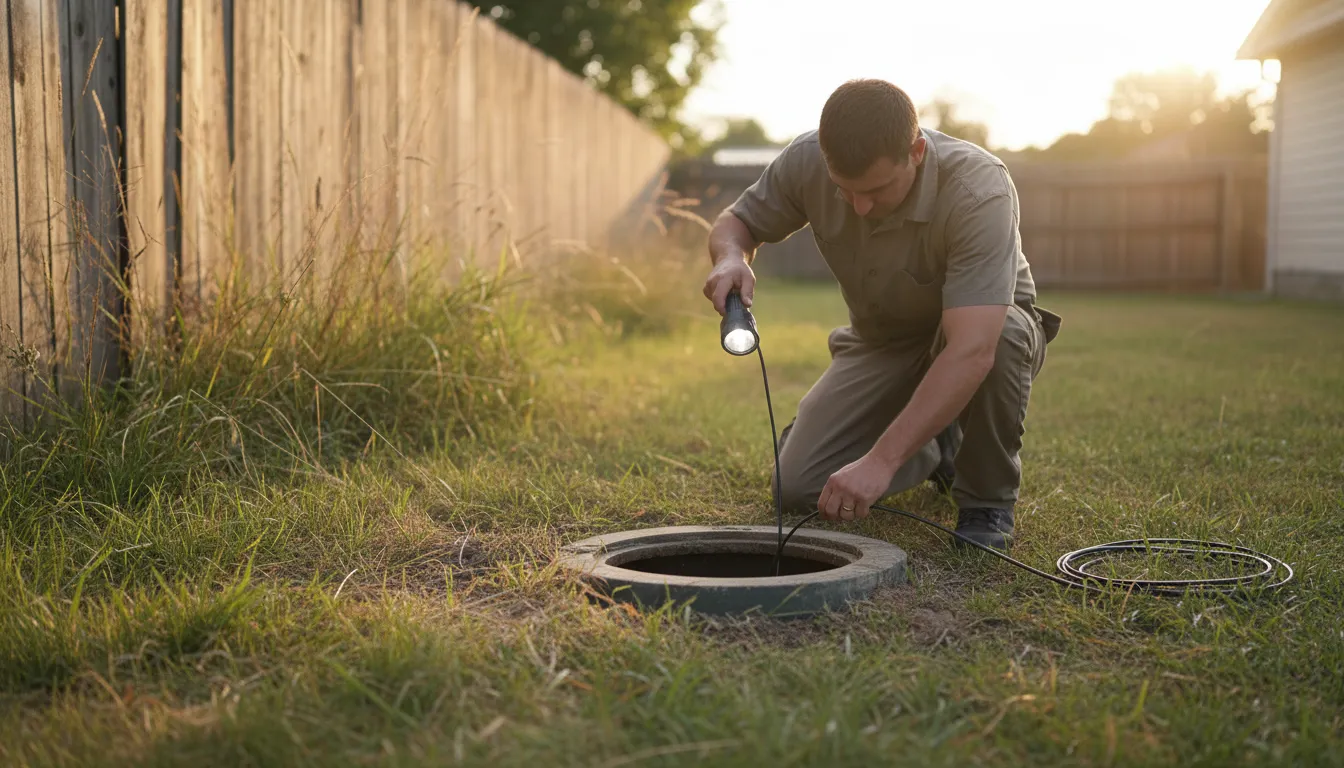
Find the Best Septic Tank Inspection Companies for Your Business
No obligation • Fast responses • Nationwide coverage

Why you can trust Septic Spot
Septic Spot is a leading United States resource for understanding and comparing septic services. Our editors review providers using consistent criteria and verify key business details. Listings and scores are independent, and companies cannot pay to influence our content.
Search providers near you
Top Septic Tank Inspection Companies in Garland, Texas Ranked
A septic tank inspection is a professional evaluation of your home's on-site wastewater treatment system to ensure it is functioning safely and efficiently. This process is critical for protecting your property value, your family's health, and the local environment. For Garland homeowners, finding a qualified local professional to perform this essential service is the first step in responsible homeownership and system compliance.

Kissee Inspection Services
5000 Eldorado Pkwy # 150-103, Frisco, TX 75033
Kissee Inspection Services is a septic tank inspection company based in Dallas, TX. They provide comprehensive property inspections that include septic systems along with structural components, electrical, plumbing, HVAC, and ancillary services such as pools and lawn sprinklers. Their inspectors hold multiple certifications, including septic and thermal imaging qualifications, ensuring thorough evaluations. Established in 2009, Kissee Inspection Services has over a decade of experience and emphasizes clear communication and customer support throughout the inspection process.
SB Septic and Sewer Service
9975 High Country Ln, Forney, TX 75126
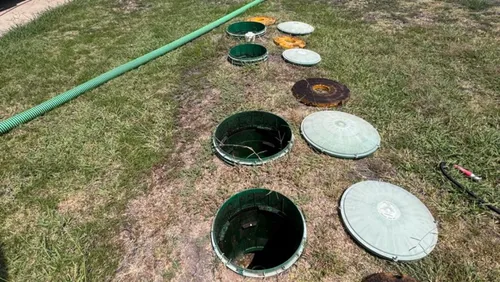
SB Septic and Sewer Service provides septic tank inspection and septic system repair services in Dallas, TX. They serve the greater Dallas-Fort Worth area, including multiple East Texas counties such as Kaufman, Rockwall, Van Zandt, Dallas, Collin, Hunt, Tarrant, Johnson, Parker, Hood, and Ellis. The company offers photo documentation and warranties on repairs, with a licensed and insured technician team to support their work.
Sigma Solutions Septic Services LLC
4840 Co Rd 597, Farmersville, TX 75442
Sigma Solutions Septic Services LLC is a septic tank inspection and repair company serving Dallas, TX. They specialize in septic maintenance, including routine inspections and septic tank cleaning, to help prevent leaks, overflows, and system malfunctions. The company offers a full range of septic solutions, from initial inspections to complex repairs, using professional equipment and extensive knowledge to keep systems running efficiently. Sigma Solutions emphasizes clear communication by explaining options and pricing before starting any work.
Year Round Septic
Dallas, TX
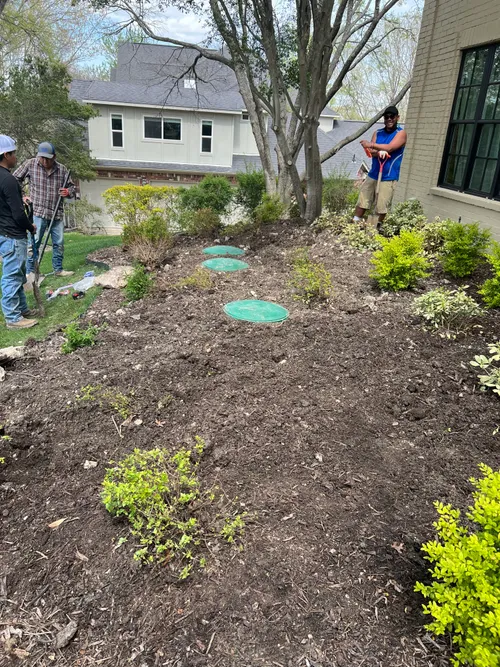
Year Round Septic is a septic service provider based in Dallas, TX. They specialize in septic tank installation for new construction and replacement projects, septic tank repair, and comprehensive septic tank inspections. The company offers 24/7 emergency services to address urgent septic system issues promptly. They also facilitate regular septic tank pumping for both residential and commercial properties to maintain system functionality and prevent problems.
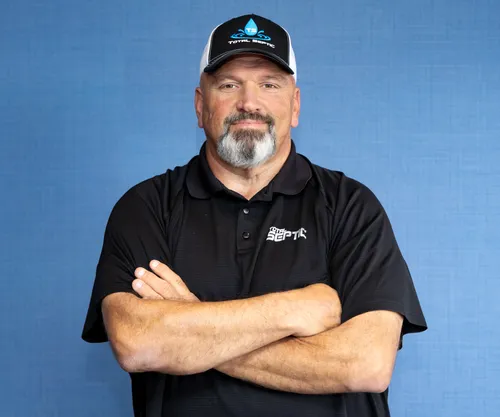
Total Septic
3300 Maroon Creek Rd, Aubrey, TX 76227
Total Septic is a locally owned and operated company based in Dallas, TX, offering a full range of septic system services including installation, pumping, inspection, and repair. They serve multiple Texas counties such as Collin, Grayson, Denton, Rockwall, Fannin, and Hunt. The company specializes in various septic systems including traditional, aerobic, plastic/poly, and concrete tanks, ensuring each installation meets local codes and site conditions. Total Septic also provides excavation services like land clearing, grading, trenching, and demolition for residential and commercial projects. With decades of combined experience, they manage projects with modern equipment and a focus on compliance and safety.
Why Septic System Inspections Are Essential in Garland
In Garland, as in much of Texas, homes not connected to municipal sewer lines rely on On-Site Sewage Facilities (OSSFs), commonly known as septic systems. These systems are a significant investment and a long-term responsibility. Regular septic system evaluations are not just a good idea-they are often a regulatory requirement and are always a cornerstone of preventative maintenance. A thorough inspection can identify minor issues before they escalate into major, costly failures, such as drainfield collapse or sewage backing up into your home. It also provides peace of mind that your system is processing household wastewater effectively, preventing contamination of groundwater, which is a shared resource in our community.
Understanding Texas and Garland Septic Inspection Regulations
Septic system oversight in Texas falls under the Texas Commission on Environmental Quality (TCEQ). Local authorities, including those in Garland, enforce state guidelines, which mandate specific inspection schedules based on your system type 1.
- Conventional/Gravity Systems: The TCEQ recommends these systems be inspected every 1 to 3 years and pumped every 3 to 5 years, though more frequent checks may be advised based on household size and usage.
- Aerobic Treatment Systems (ATS): These more complex systems, common in areas where soil conditions require advanced treatment, have stricter rules. Texas law requires homeowners with aerobic systems to maintain a valid maintenance contract with a licensed provider. This contract typically includes inspections every four months to ensure mechanical components like pumps, compressors, and alarms are working correctly.
- Licensing is Non-Negotiable: All inspections, repairs, and installations must be performed by a licensed OSSF installer or maintenance professional. Hiring a licensed technician ensures the work meets state code (Title 30, Chapter 285 of the Texas Administrative Code) and protects you from liability 2.
What a Comprehensive Septic Inspection Covers
A professional septic tank check-up is a multi-step process that goes beyond just looking at the tank. A qualified inspector will evaluate the entire system from the house to the drainfield.
1. Locating and Accessing the System The first step is often to locate all system components, including the tank, distribution box, and drainfield. The inspector will locate and uncover the inspection ports, which are required to be installed over the inlet and outlet baffles of the tank 3.
2. Evaluating Tank Conditions and Contents This is the core of the inspection. The technician will:
- Measure the levels of sludge (solid waste at the bottom) and scum (floating fats and greases). If these layers are too thick, they can clog the outlet and cause system failure, indicating an immediate need for pumping.
- Inspect the tank's structural integrity for cracks, leaks, or signs of deterioration.
- Check the condition of the tank lid and baffles (inlet and outlet tees), which are crucial for proper flow and preventing solids from entering the drainfield.
3. Inspecting System Components (Especially for Aerobic Systems) For aerobic systems, this step is detailed and critical. The inspector will test:
- The air pump or compressor, which is the heart of the aerobic treatment process.
- All electrical components, including float switches, control panels, and alarm systems.
- The effluent pump (if present) and spray heads in the spray field.
4. Assessing the Drainfield or Disposal Area The inspector will examine the soil absorption field (drainfield) or spray area for any signs of failure. Red flags include:
- Surfacing effluent (standing water or soggy ground over the field).
- Unpleasant odors.
- Unusually lush or green grass over the drainfield, which can indicate nutrient-rich wastewater is coming to the surface 4.
Find the perfect septic tank inspection companies for your needs
Get personalized recommendations and expert advice
Common Issues Uncovered During Inspections
Inspections in Garland often reveal predictable problems, many of which are preventable with regular maintenance. Frequent findings include:
- Overfull Tanks: The most common issue, where sludge and scum levels have accumulated to the point of risking system backup.
- Baffle Blockages or Deterioration: Broken or clogged baffles allow solids to escape into the drainfield, leading to rapid clogging and failure.
- Mechanical Failures in Aerobic Systems: Failed air pumps, stuck float switches, or malfunctioning alarms are common in systems without regular maintenance contracts.
- Drainfield Saturation: Caused by hydraulic overload (too much water use) or a clogged tank outlet, this is a serious issue that can require significant repair 5 6.
Cost of Septic Inspections and Related Services in Garland
Understanding potential costs helps homeowners budget for this necessary expense. Pricing can vary based on system type, size, and accessibility.
- Basic Septic Inspection (Conventional System): A standard visual and operational inspection typically ranges from $250 to $500.
- Aerobic System Maintenance Visit: As part of a required annual contract, a single inspection visit usually costs between $100 and $200 7 8.
- Septic Tank Pumping: If the inspection reveals the tank needs to be pumped, this service generally costs $300 to $600 or more, depending on tank size (e.g., 1,000-gallon vs. 1,500-gallon) and how easy it is to access 9 10.
It's important to note that an inspection fee is often separate from pumping or repair costs. However, many companies will apply the inspection fee toward the cost of pumping if you choose to have it done with them at the time of service.
The Consequences of Skipping an Inspection
Neglecting a septic system evaluation can lead to severe and expensive outcomes. Beyond the obvious health hazards of sewage backup, financial and legal repercussions include:
- Costly Emergency Repairs: Replacing a failed drainfield can cost tens of thousands of dollars, far exceeding the cost of decades of routine inspections and pumping.
- Property Value Impact: A malfunctioning or non-compliant septic system can derail a home sale. Most buyers will require a passing inspection before closing.
- Regulatory Fines: Failure to maintain a required maintenance contract for an aerobic system can result in fines from local health authorities 11.
- Environmental Damage: A failing system can contaminate nearby wells, waterways, and groundwater, posing a public health risk.
Preparing for Your Septic Inspection
To ensure your inspection goes smoothly, you can take a few simple steps:
- Locate Your System Records: Have any available "as-built" diagrams, past inspection reports, or maintenance records ready for the inspector.
- Ensure Access: Clear any debris, landscaping, or stored items away from the tank lid, inspection ports, and drainfield area.
- Know Your System: Be able to tell the inspector what type of system you have (conventional or aerobic) and note any issues you've observed, like slow drains or odors.
- Be Prepared for Pumping: Since inspections often reveal the need for pumping, be prepared to schedule this service. Ensure the pumper truck can access your tank (within 100 feet is ideal) 12.
Frequently asked questions
Sources
Footnotes
-
Basics for Septic Systems - https://www.tceq.texas.gov/assistance/water/fyiossfs.html ↩
-
Getting a Permit for an OSSF - Such as a Septic System - https://www.tceq.texas.gov/permitting/ossf/ossfpermits.html ↩
-
What is Included in Septic Inspection? - TexInspec - https://texinspec.com/what-is-included-in-septic-inspection/ ↩
-
Does Texas Require Septic Inspection | TexInspec - https://texinspec.com/does-texas-require-septic-inspection/ ↩
-
30 Tex. Admin. Code § 285.32 - Criteria for Sewage Treatment ... - https://www.law.cornell.edu/regulations/texas/30-Tex-Admin-Code-SS-285-32 ↩
-
What Is a Septic Tank Inspection - https://martinseptic.com/what-does-a-septic-tank-inspection-involve/ ↩
-
The Ultimate Guide to Aerobic Septic System Maintenance & ... - https://epicseptic.com/the-ultimate-guide-to-aerobic-septic-system-maintenance-repairs-in-central-texas/ ↩
-
Yearly Maintenance - Septic Pumping & Maintenance - Central Texas - https://septicpumpingburnetcounty.com/services/maintenance-contracts/yearly-maintenance-contract/ ↩
-
Frequent Questions on Septic Systems | US EPA - https://www.epa.gov/septic/frequent-questions-septic-systems ↩
-
Septic Tank Maintenance: A Must for Houston Homes - https://accurateplumbingtx.com/septic-tank-maintenance-houston/ ↩
-
Septic Tank Laws in Texas - https://dillonseptic.com/septic-tank-laws-in-texas/ ↩
-
Certified Septic Inspection Services in Dallas-Fort Worth - TexInspec - https://texinspec.com/service/septic-inspections/ ↩