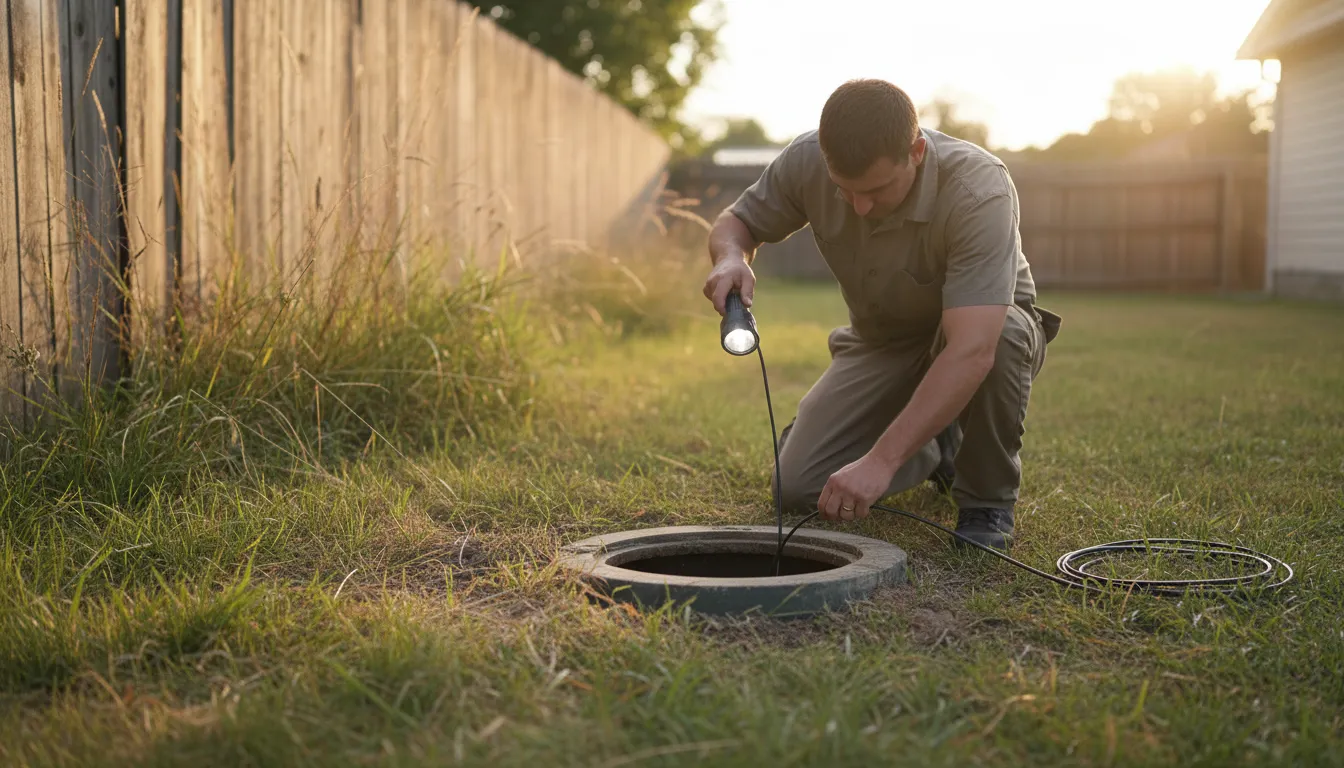
Find the Best Septic Tank Inspection Companies for Your Business
No obligation • Fast responses • Nationwide coverage

Why you can trust Septic Spot
Septic Spot is a leading United States resource for understanding and comparing septic services. Our editors review providers using consistent criteria and verify key business details. Listings and scores are independent, and companies cannot pay to influence our content.
Search providers near you
Top Septic Tank Inspection Companies in Houston, Texas Ranked
A septic tank inspection is a critical evaluation of your on-site sewage facility (OSSF) to ensure it is functioning safely and in compliance with local regulations. In Houston and Harris County, these inspections are not just a good idea-they are often a legal requirement to protect public health and the environment. This resource helps you understand the process, local rules, and how to connect with qualified, licensed professionals who can perform this essential service for your home or business.
A-Action Home Inspection Houston
10718 Russett Dr, Houston, TX 77042
A-Action Home Inspection Houston provides septic tank inspection services in Houston, TX. They offer thorough home inspections, including thermal water leak detection, to help homeowners understand the condition of their property. The company focuses on identifying potential issues beneath the home to support maintenance and informed buying decisions.

A Plus Inspections of Texas
25700 Interstate 45 N Suite 4325 Suite 4325, The Woodlands, TX 77386
A Plus Inspections of Texas is a septic tank inspection company serving Houston, TX. They specialize in thorough home inspections with detailed reporting, including photographic evidence and data to support their findings. The company is known for providing clear explanations and timely delivery of inspection results, helping buyers make informed decisions.

Houston Inspections
7700 San Felipe St Suite 120, Houston, TX 77063
Houston Inspections is a septic tank inspection company based in Houston, TX. They offer property inspection services using licensed inspectors and advanced tools to help clients make informed decisions. Their expertise includes thorough septic tank inspections to assess system condition and functionality.
Houston Inspections
32302 Tamina Rd Suite A-1, Magnolia, TX 77354
Houston Inspections is a property inspection company based in Houston, TX. They offer a range of inspection services, including septic tank inspections, using licensed inspectors and advanced tools to support property buyers. Their team focuses on thorough inspections to help clients make informed decisions when purchasing property.
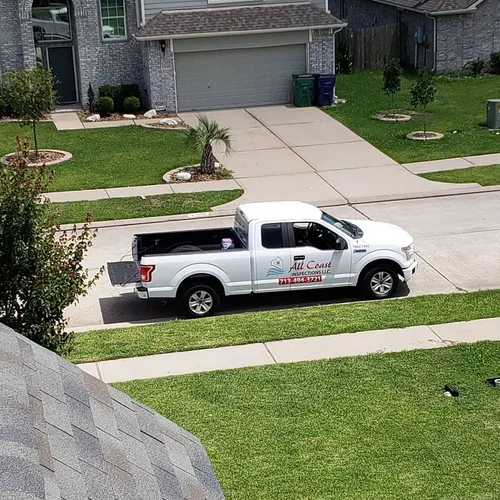
All Coast Home Inspections
Pearland, TX
All Coast Home Inspections is a veteran-owned company providing home and septic tank inspection services in Pearland, TX, and the Greater Houston Area. Since 2003, they have offered detailed inspections covering various property components, including septic systems, water wells, and new construction phases. Their septic inspections include checking the inside of tanks and filtration systems for clogs, leaks, or damage to ensure proper operation. With over 20 years of experience, All Coast Home Inspections uses advanced equipment to deliver thorough and accurate reports tailored to local housing conditions.
Understanding Septic Systems in Harris County
In the Greater Houston area, most homes not connected to a municipal sewer line rely on a septic system, officially known as an On-Site Sewage Facility (OSSF). These systems are regulated by the Texas Commission on Environmental Quality (TCEQ), with local oversight provided by the Harris County Engineer's Office and the Harris County Permits Office 1. Whether you have a conventional anaerobic system or a more complex aerobic treatment unit, regular professional evaluations are mandated to prevent system failures that can lead to costly repairs, property damage, and groundwater contamination.
The local permitting authority requires a permit for any new system installation or major repair and must be notified 24 hours before a scheduled inspection. This structured regulatory environment underscores the importance of working with providers who are thoroughly familiar with Harris County's specific codes and reporting requirements.
Why Regular Septic Inspections Are Non-Negotiable
Skipping a septic system evaluation can have serious consequences. A failing system is a health hazard, potentially exposing your family and neighbors to untreated wastewater. From a practical standpoint, it can also:
- Prevent Property Transactions: Many banks and buyers require a passing inspection report before finalizing a home sale.
- Avoid Costly Emergencies: Catching a small issue like a failing pump or a developing clog early can prevent a full system backup or drain field failure.
- Ensure Legal Compliance: Failing to maintain mandatory inspection schedules for aerobic systems can result in violations and fines from the county.
- Protect Your Investment: A well-maintained septic system significantly extends the lifespan of your entire wastewater treatment setup.
Regular check-ups provide peace of mind, confirming that your system is processing household waste effectively and safely.
What a Professional Septic Inspection Involves
A comprehensive septic tank assessment is a multi-step process conducted by a licensed maintenance provider. It goes far beyond just looking at the tank. Here's what you can expect during a typical evaluation:
- System Mapping: The inspector will first locate and identify all critical components, including the tank, distribution box, pipes, and the drain field area.
- Tank Assessment: This is the core of the inspection. The technician will open the tank access ports to:
- Check the liquid level.
- Measure the depth of the sludge and scum layers. Pumping is recommended before the combined sludge and scum volume exceeds one-third of the tank's capacity.
- Inspect the structural integrity of the tank for cracks or leaks.
- Examine inlet and outlet baffles to ensure they are intact and functioning.
- Component Testing (for Aerobic Systems): Aerobic treatment units have mechanical parts that require specific checks. The inspector will test the aerator, pumps, alarms, and control panel to ensure they are operating correctly.
- Drain Field Evaluation: The inspector will examine the drain field (or leach field) for tell-tale signs of failure, such as overly saturated soil, surfacing effluent, or persistent foul odors.
- Reporting: Following the inspection, you should receive a formal, detailed report of the findings. For systems under regulatory oversight, this report must be filed with the Harris County Permits Office to verify compliance.
Find the perfect septic tank inspection companies for your needs
Get personalized recommendations and expert advice
Houston's Inspection and Maintenance Requirements
Texas law delegates OSSF regulation to counties and cities, and Harris County has established clear maintenance rules2. The type of system you have dictates the required inspection frequency:
- Aerobic Treatment Systems: These systems are subject to the strictest rules. They must be inspected by a licensed maintenance provider every three to four months. This frequent schedule is due to their mechanical complexity.
- Conventional (Anaerobic) Systems: While not always subject to the same mandatory quarterly inspections, conventional systems are recommended to have a professional inspection every 1 to 3 years3. Regular maintenance is crucial for long-term performance.
It's important to note that regulations can vary slightly between incorporated cities within Harris County and its unincorporated areas. Always verify specific requirements with your local permitting office.
Septic Tank Pumping: A Related Essential Service
An inspection often reveals the need for pumping. Pumping is the process of removing the accumulated solids (sludge and scum) from the tank. Even a perfectly functioning septic tank will eventually fill with solids and require pumping to prevent them from flowing into and clogging the drain field.
How often should you pump? While the common guideline is every 3 to 5 years, the actual frequency depends entirely on your household size, tank capacity, and water usage4. The only reliable way to know if your tank needs pumping is through a professional inspection that measures the sludge level. Never wait for a problem to occur; proactive pumping based on inspection data is the most cost-effective strategy.
Understanding Costs for Inspection and Pumping in Houston
Investing in routine maintenance is far less expensive than dealing with a system replacement. Costs in the Houston area can vary based on your tank's size, location, and system type.
- Septic Inspection Cost: A standard inspection for a conventional system typically ranges from $200 to $500+. Inspections for aerobic systems may be at the higher end of this range or slightly more due to the additional time required for testing mechanical components and the frequency with which they are needed5 6.
- Septic Pumping Cost: The average cost to pump a residential septic tank in Houston is between $300 and $600+, influenced by tank size (e.g., 1,000-gallon vs. 1,500-gallon) and accessibility for the service truck7 8.
Remember, these are essential maintenance services that protect your property's value and your family's health. When comparing providers, ensure they are licensed to work in Harris County and can provide the necessary documentation for regulatory compliance.
Choosing a Qualified Service Provider in Houston
Not all septic service companies are equal. For something as important as your wastewater system, due diligence is key. Look for a provider who:
- Holds a current Texas On-Site Sewage Facility (OSSF) License from the TCEQ.
- Has extensive experience with both conventional and aerobic systems common in the Houston area.
- Can clearly explain the local Harris County regulations and permit requirements.
- Offers transparent, upfront pricing and provides detailed, written reports.
- Has positive, verifiable reviews from local customers.
A qualified inspector acts as your partner in system health, offering honest recommendations for repairs or pumping to keep your OSSF running smoothly for years to come.
Frequently asked questions
Sources
Footnotes
-
Residential Construction & On-site Sewage System (Septic) - https://oce.harriscountytx.gov/Services/Permits/Permits-A-to-Z/Residential-Construction-On-site-Sewage-System-Septic ↩
-
What laws in Texas apply to septic systems? - Water School - https://brazos.org/about-us/education/water-school/articleid/349/what-laws-in-texas-apply-to-septic-systems ↩
-
Septic Tank Laws in Texas - https://dillonseptic.com/septic-tank-laws-in-texas/ ↩
-
Basics for Septic Systems - https://www.tceq.texas.gov/assistance/water/fyiossfs.html ↩
-
Septic Inspections near Harris County, Texas | Clear Answers ... - https://brownaerobic.com/septic-inspections-near-harris-county-texas ↩
-
Does Texas Require Septic Inspection | TexInspec - https://texinspec.com/does-texas-require-septic-inspection/ ↩
-
Texas Septic Tank Rules - https://dillonseptic.com/texas-septic-tank-rules/ ↩
-
How Much Does It Cost To Install a Septic System in Houston, TX? - https://www.angi.com/articles/what-does-it-cost-install-septic-system/tx/houston ↩