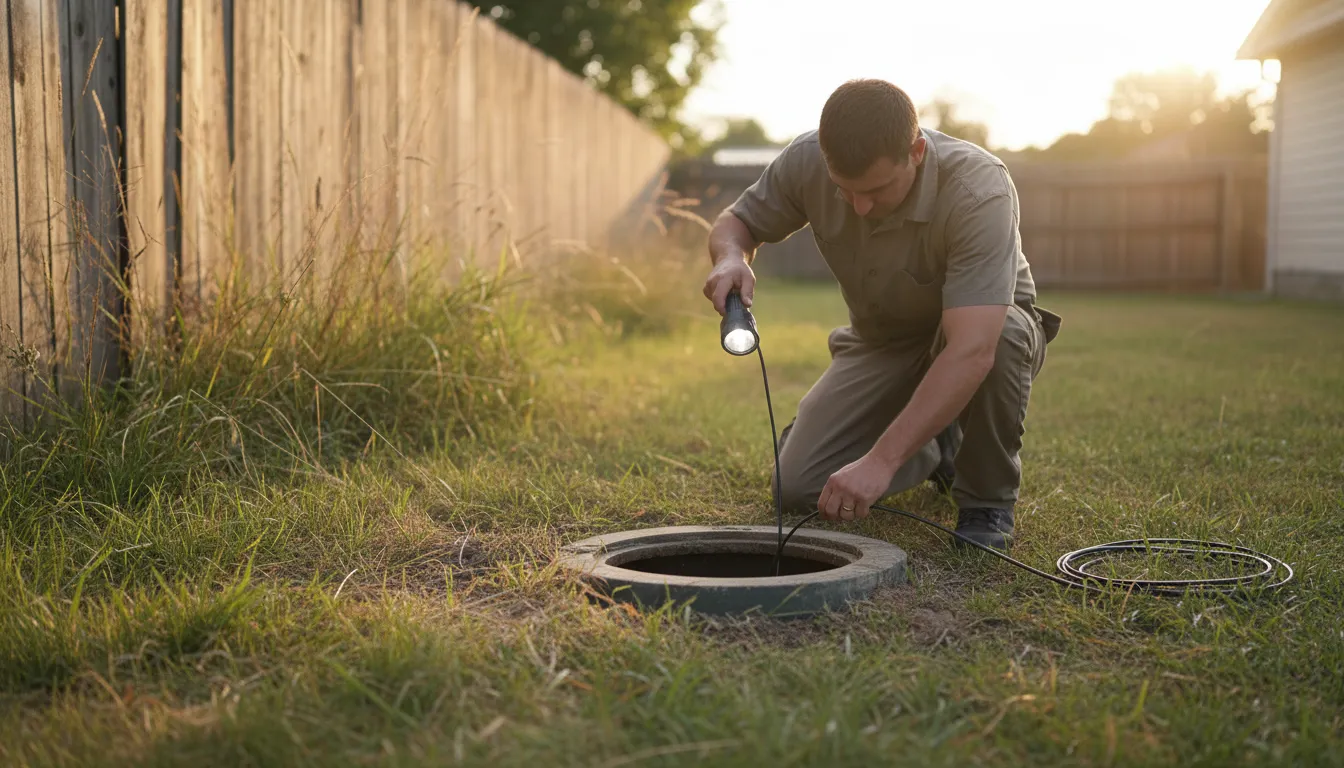
Find the Best Septic Tank Inspection Companies for Your Business
No obligation • Fast responses • Nationwide coverage

Why you can trust Septic Spot
Septic Spot is a leading United States resource for understanding and comparing septic services. Our editors review providers using consistent criteria and verify key business details. Listings and scores are independent, and companies cannot pay to influence our content.
Search providers near you
Top Septic Tank Inspection Companies in McKinney, Texas Ranked
A septic tank inspection is a critical evaluation of your on-site sewage facility (OSSF) to ensure it is functioning safely and in compliance with Texas regulations. For homeowners in McKinney, especially in areas not served by municipal sewer lines, these assessments are vital for protecting your property value, your family's health, and the local environment. This guide will help you understand the process, requirements, and local considerations for septic system evaluations, empowering you to find qualified professionals for your needs.

Kissee Inspection Services
5000 Eldorado Pkwy # 150-103, Frisco, TX 75033
Kissee Inspection Services is a septic tank inspection company based in Dallas, TX. They provide comprehensive property inspections that include septic systems along with structural components, electrical, plumbing, HVAC, and ancillary services such as pools and lawn sprinklers. Their inspectors hold multiple certifications, including septic and thermal imaging qualifications, ensuring thorough evaluations. Established in 2009, Kissee Inspection Services has over a decade of experience and emphasizes clear communication and customer support throughout the inspection process.
Sigma Solutions Septic Services LLC
4840 Co Rd 597, Farmersville, TX 75442
Sigma Solutions Septic Services LLC is a septic tank inspection and repair company serving Dallas, TX. They specialize in septic maintenance, including routine inspections and septic tank cleaning, to help prevent leaks, overflows, and system malfunctions. The company offers a full range of septic solutions, from initial inspections to complex repairs, using professional equipment and extensive knowledge to keep systems running efficiently. Sigma Solutions emphasizes clear communication by explaining options and pricing before starting any work.
Year Round Septic
Dallas, TX
Year Round Septic is a septic service provider based in Dallas, TX. They specialize in septic tank installation for new construction and replacement projects, septic tank repair, and comprehensive septic tank inspections. The company offers 24/7 emergency services to address urgent septic system issues promptly. They also facilitate regular septic tank pumping for both residential and commercial properties to maintain system functionality and prevent problems.

Total Septic
3300 Maroon Creek Rd, Aubrey, TX 76227
Total Septic is a locally owned and operated company based in Dallas, TX, offering a full range of septic system services including installation, pumping, inspection, and repair. They serve multiple Texas counties such as Collin, Grayson, Denton, Rockwall, Fannin, and Hunt. The company specializes in various septic systems including traditional, aerobic, plastic/poly, and concrete tanks, ensuring each installation meets local codes and site conditions. Total Septic also provides excavation services like land clearing, grading, trenching, and demolition for residential and commercial projects. With decades of combined experience, they manage projects with modern equipment and a focus on compliance and safety.
HomeField Collin County
McKinney, TX
HomeField Collin County provides septic system services in McKinney, TX, including septic tank pumping, inspection, repair, installation, and pump replacement. The company is known for thorough septic system repairs and maintenance, with technicians who explain system components clearly to customers. HomeField Collin County serves residential clients throughout the area, offering knowledgeable and responsive service to address various septic needs.
Understanding Septic System Regulations in Collin County
In Texas, all septic systems are regulated by the Texas Commission on Environmental Quality (TCEQ) under Title 30, Chapter 285 of the Texas Administrative Code (30 TAC §285) 1. For McKinney residents, these state standards are typically enforced at the local level by Collin County Environmental Services, particularly for properties in the county's rural areas. A key point of regulation is the permit; any installation, repair, or significant alteration of an OSSF requires a permit from the local authorized agent (LAA) 2.
One of the most important regulations for many McKinney homeowners concerns aerobic treatment systems. If your property uses an aerobic system with spray irrigation-a common type in areas with denser soil-state law mandates that you have a valid maintenance contract with a licensed provider. This contract ensures your system receives mandatory, recurring inspections: every four months for the first two years after installation, and every six months thereafter 3. Inspection reports from these visits must be sent to the permitting authority, making professional, documented maintenance non-negotiable.
When is a Septic Inspection Required?
While regular maintenance is wise for any system, certain events typically trigger the need for a formal septic system evaluation.
- Property Transactions: A septic inspection is very often required during the sale of a home. Buyers frequently make their offer contingent on a satisfactory septic assessment to verify the system's compliance and functionality, avoiding costly surprises after closing.
- System Malfunction: Signs like slow drains, sewage backups, foul odors indoors or outdoors, or soggy, bright green grass over the drain field are clear indicators that a professional inspection is urgently needed.
- Routine Maintenance & Pumping: Experts recommend having your tank pumped and inspected every 3-5 years, depending on usage and tank size. A thorough inspection during pumping is the best way to assess the tank's internal condition.
- Permit Applications: Applying for a permit to repair or expand your system will usually require an inspection to determine the current system's status and needs.
What Does a Comprehensive Septic Inspection Include?
A standard septic tank inspection in McKinney is a multi-step process designed to evaluate every component of your on-site wastewater system. A qualified inspector will typically follow this sequence:
1. System Location & Preliminary Site Evaluation
The inspector first works to locate all components-the tank, distribution box, and drain field-using available records and probing tools. They then conduct a visual survey of the property, looking for warning signs like surface effluent pooling, unusual odors, or overly lush vegetation over the leach field 4.
2. Tank Access & Internal Assessment
This is the core of the inspection. The inspector will excavate and open the tank's access lids (or use installed risers). Key checks include:
- Structural Integrity: Looking for cracks, leaks, or corrosion in the tank walls.
- Sludge and Scum Levels: Measuring the depth of sludge at the bottom and scum at the top. A general rule is that the combined sludge and scum should not fill more than one-third of the tank's liquid volume. Excessive buildup is a primary reason for pumping 5.
- Baffles and Outlets: Inspecting inlet and outlet baffles or tees to ensure they are intact and not blocked, which is crucial for preventing solids from entering the drain field.
- Effluent Filter: Checking and cleaning the outlet filter if present.
3. Component and Functional Testing
- Drain Field Evaluation: The inspector assesses the condition of the drain field by checking for saturation and may perform a "perc" test or use a camera to check for clogging in distribution lines 6.
- Flow Test: Running a significant amount of water (often hundreds of gallons) through the household plumbing to verify the system can handle a surge and that effluent is moving from the tank to the drain field without backup 7 8.
- Aerobic System Specifics: For aerobic systems, the inspection is more involved. It includes testing the aerator, air pump, and alarm systems, checking spray heads for clogs, and verifying the disinfection system (like a chlorine tablet feeder) is operating correctly to ensure the treated effluent is safe for surface irrigation 9.
Find the perfect septic tank inspection companies for your needs
Get personalized recommendations and expert advice
Types of Septic Systems in McKinney and Inspection Focus
The type of system on your property dictates the inspection's specific focus.
- Conventional Anaerobic Systems: These are simpler, gravity-fed systems. The inspection primarily focuses on sludge/scum levels, baffle condition, and the hydraulic performance of the drain field. The soil's ability to absorb and treat the effluent is a key factor 10.
- Aerobic Treatment Systems (ATS): Common in McKinney due to less permeable soils, these systems use oxygen to break down waste more efficiently. The inspection is more technical, emphasizing the mechanical components-the aerator, pumps, timers, and disinfection units-as required by TCEQ maintenance rules 11. Ensuring these components are operational is essential for the system to be legally compliant.
Understanding Costs: Inspection and Pumping
Investing in a professional septic inspection provides peace of mind and can prevent far more expensive repairs. In the McKinney area, you can expect the following cost ranges:
- Septic Inspection Cost: A thorough, standard inspection typically costs between $300 and $600 12. The final price depends on the system's type (anaerobic vs. aerobic), size, accessibility, and whether the tank needs to be pumped to facilitate a proper internal assessment.
- Septic Tank Pumping Cost: Pumping the septic tank is a separate but often concurrent service, usually costing between $400 and $70013 14. While not always mandatory for a visual inspection, pumping is highly recommended to accurately evaluate the tank's bottom and assess sludge levels. Many homeowners combine pumping and inspection into a single maintenance visit.
Preparing for a Septic Inspection
To ensure a smooth inspection process:
- Locate Records: Have any available system diagrams, permits, or maintenance records ready for the inspector.
- Ensure Access: Clear the area around the septic tank lid, distribution box, and drain field. Trim overgrown grass or brush.
- Provide Water Access: The inspector will need access to a water source, typically via an outdoor spigot, to perform the flow test.
- Be Prepared for Digging: The inspector may need to excavate to find and open the tank lids if risers are not installed.
Frequently asked questions
Sources
Footnotes
-
What laws in Texas apply to septic systems? - Water School - https://brazos.org/about-us/education/water-school/articleid/349/what-laws-in-texas-apply-to-septic-systems ↩
-
Texas Septic System Regulations - https://dillonseptic.com/texas-septic-system-regulations/ ↩
-
Septic Inspections in Tampa Bay - https://www.acesepticandwaste.com/septic-inspection-services/ ↩
-
How to Get Septic to Pass Inspection - https://www.guardianangelinspections.com/how-to-get-septic-to-pass-inspection ↩
-
Does Texas Require Septic Inspection | TexInspec - https://texinspec.com/does-texas-require-septic-inspection/ ↩
-
Texas OSSF Inspection Requirements: Complete Guide for 2025 - https://www.fieldbaseos.com/blog/texas-ossf-inspection-requirements.html ↩
-
What is Included in Septic Inspection? - TexInspec - https://texinspec.com/what-is-included-in-septic-inspection/ ↩
-
Septic System Inspections: A Step-by-Step How-To Guide - https://westcoastsanitationinc.com/septic-inspection-service/ ↩
-
FAQs | Rockwall, Allen, McKinney & Lucas, TX - https://www.qualityseptic.net/faqs ↩
-
Basics for Septic Systems - https://www.tceq.texas.gov/assistance/water/fyiossfs.html ↩
-
Maintenance of On-Site Sewage Facilities (Septic Systems) - https://www.tceq.texas.gov/permitting/ossf/ossfmaintenance.html ↩
-
Septic System Inspection: Costs, Precautions, and More - https://www.realtor.com/advice/sell/is-the-seller-obligated-to-get-a-septic-system-inspection-on-a-home/ ↩
-
Septic System Inspections for Homes in Rural DFW Areas - https://www.sfrinspections.com/septic-system-inspections-for-homes-in-mckinney-and-rural-dfw-areas ↩
-
Septic System Inspections: A Step-by-Step How-To Guide - https://westcoastsanitationinc.com/septic-inspection-service/ ↩