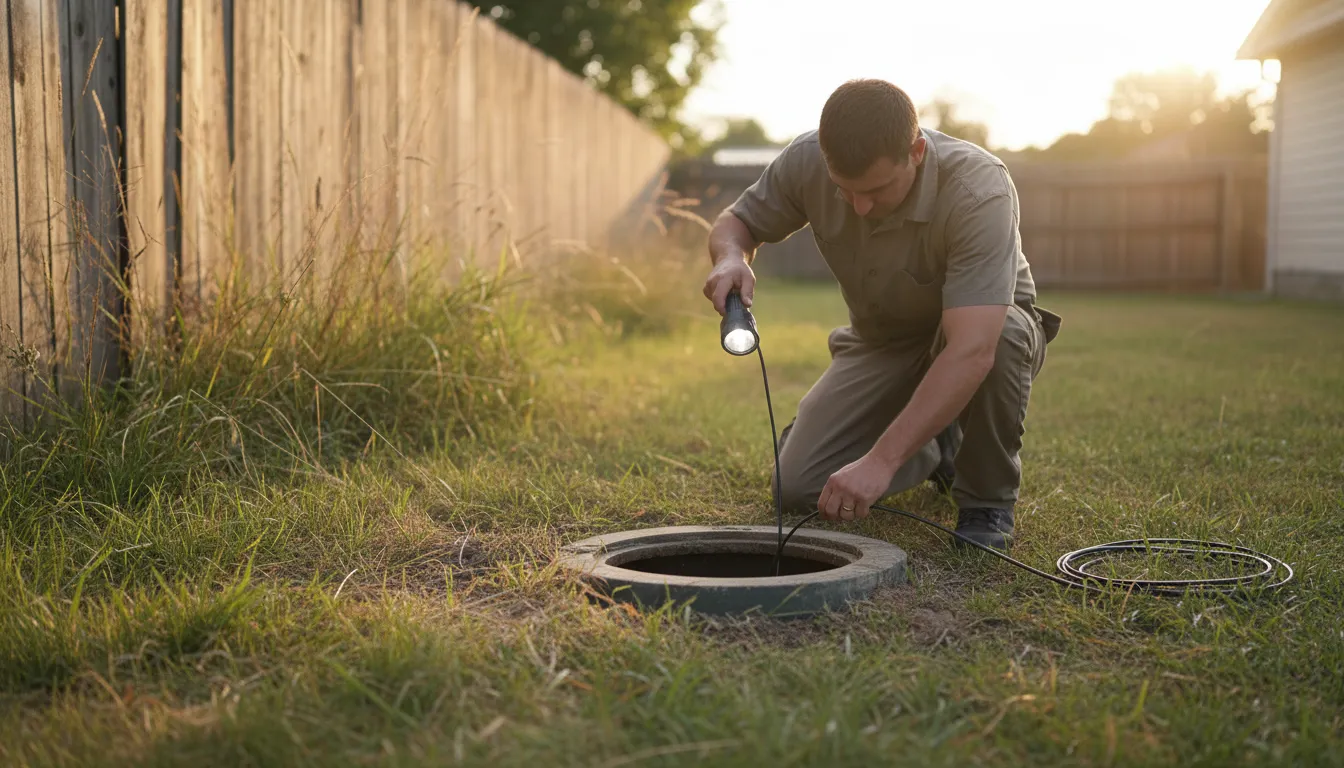
Find the Best Septic Tank Inspection Companies for Your Business
No obligation • Fast responses • Nationwide coverage

Why you can trust Septic Spot
Septic Spot is a leading United States resource for understanding and comparing septic services. Our editors review providers using consistent criteria and verify key business details. Listings and scores are independent, and companies cannot pay to influence our content.
Search providers near you
Top Septic Tank Inspection Companies in Tyler, Texas Ranked
A septic tank inspection is a critical evaluation of your home's on-site wastewater treatment system to ensure it is functioning safely and efficiently. In Tyler, where many homes rely on septic systems, regular inspections are not just a good idea-they are often required by law to protect public health and the local environment. This guide will help you understand the process, regulations, and typical costs for septic system evaluations in Smith County, empowering you to find qualified local professionals to assess your property.
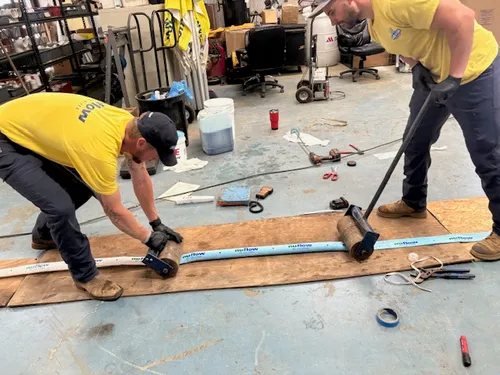
Rub-A-Dub Plumbing
13213 State Hwy 155 Ste A, Tyler, TX 75703
Rub-A-Dub Plumbing is a plumbing company based in Tyler, TX, offering a range of services including septic tank pumping, inspection, repair, and installation. They serve Tyler and surrounding areas such as Lindale, Longview, Athens, and Cedar Creek Lake. With over 25 years of experience, Rub-A-Dub Plumbing provides comprehensive septic system services and is equipped to handle plumbing emergencies with 24/7 availability. Their technicians undergo continuous training and background checks to ensure skilled and trustworthy service.
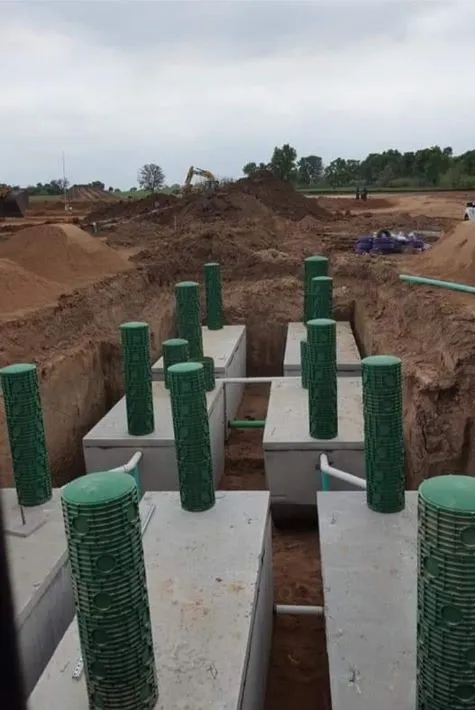
C9 Septic & Irrigation
23283 County Rd 448, Lindale, TX 75771
C9 Septic & Irrigation is a family-owned business serving Tyler, TX, and surrounding East Texas counties since 2020. They provide a range of septic services including installation, pumping, repairs, and inspections for both residential and commercial properties. The company is licensed and certified by the Texas Commission on Environmental Quality, offering site evaluations and maintenance contracts to ensure septic systems meet local standards. Additionally, they provide irrigation system design and installation, along with landscaping services. The owner is actively involved on-site to oversee projects and maintain service quality.
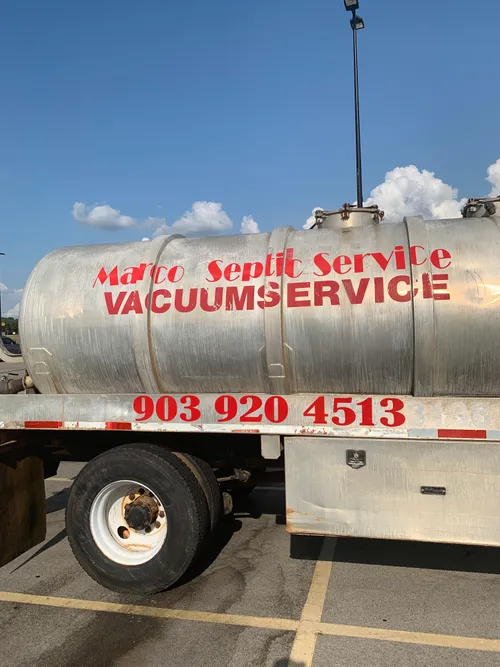
Marco Septic Service
Tyler, TX
Marco Septic Service provides comprehensive septic system services in Tyler, TX, including septic tank pumping, inspection, repair, and installation. The company handles all aspects of septic system maintenance and repair, ensuring systems are durable and environmentally safe. Marco Septic Service covers Tyler and surrounding areas such as New Chapel Hill, Liberty, and Whitehouse. The business emphasizes professional handling of repairs and installations to prevent leaks and extend system lifespan.
JR Septic Tank Installing & Repairing Services LLC
Tyler, TX
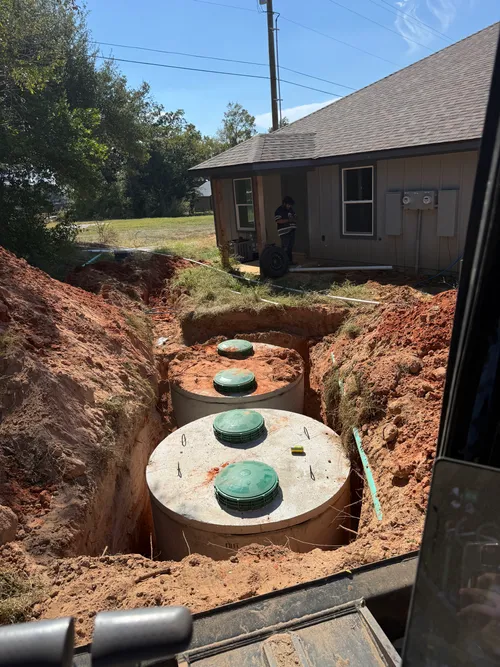
JR Septic Tank Installing & Repairing Services LLC provides septic tank installation, pumping, inspection, maintenance, and repair services in Tyler, TX. With over 11 years of experience, the company handles septic tank replacement and ensures systems operate efficiently to protect property and the environment. They serve Tyler and surrounding areas including Smith County, Winona, New Chapel Hill, Emerald Bay, Kilgore, and Liberty. Their approach includes personalized assessments and detailed planning to meet each client's specific needs.
Flores Septic Tank Cleaning & Installing Service's
313 E Bow St, Tyler, TX 75702
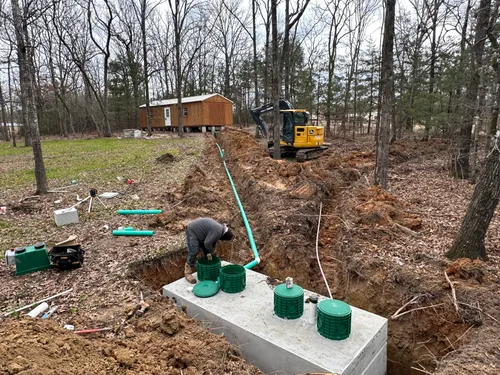
Flores Septic Tank Cleaning & Installing Service's is a septic tank company based in Tyler, TX. They provide septic tank pumping, inspections, and installation services tailored to meet the specific needs of each client. Established in 2000, the company has over two decades of experience in the industry. Their services focus on efficient and professional septic system maintenance and installation, aiming to deliver quality results with clear communication throughout the process.
Understanding Septic System Regulations in Tyler
In Texas, septic systems are formally known as On-Site Sewage Facilities (OSSFs). All installation, repair, and maintenance must be performed by a licensed installer or maintenance provider. Before any new system is built or an existing one is altered or repaired, a permit and an approved plan are required from the local authority, which is typically Smith County or the Texas Commission on Environmental Quality (TCEQ) 1.
Mandatory inspections are a cornerstone of these regulations. Inspections are required for the initial system design, the final installation (before the system is covered), and during ongoing operations 2. For homeowners with aerobic treatment systems, the rules are even more specific: a maintenance contract with a licensed professional is mandatory, and these systems typically require an operational inspection every four months 3 4.
What Does a Comprehensive Septic Inspection Include?
A professional septic system evaluation in Tyler is a multi-step process designed to assess every component. It's more than just looking at the tank; it's a full system diagnostic.
Site and Soil Evaluation The inspection often begins with an assessment of the property's drainage and soil conditions. This helps determine if the original system design was appropriate and if the drain field is still functioning correctly.
Tank Access and Structural Check The inspector will locate and excavate to access the tank's lids. They will check for structural integrity, looking for cracks, corrosion, or signs of leakage that could allow wastewater to escape or groundwater to enter.
Sludge and Scum Measurement This is a key quantitative part of the inspection. Using specialized tools, the inspector measures the depth of the sludge layer at the bottom of the tank and the scum layer floating on top. These measurements determine if the tank needs to be pumped. A common rule is that pumping is required when sludge fills one-third of the tank's volume, though the EPA recommends pumping when the sludge and scum combined take up two-thirds of the total volume.
Component and Drainfield Assessment For systems with pumps, alarms, or electrical components (common in aerobic systems), each part is tested for proper operation. The inspector will also examine the drain field area for tell-tale signs of failure, such as soggy ground, foul odors, or surfacing sewage.
When and How Often Should You Schedule an Inspection?
Beyond the legally mandated inspections for new installations or aerobic systems, proactive homeowners should schedule routine septic tank evaluations.
- Before a Property Transaction: A septic inspection is highly recommended, and often required by lenders, when buying or selling a home with a septic system.
- Routine Maintenance: Even for conventional gravity systems, a professional inspection every 3-5 years is a wise practice 5. This can identify minor issues before they become expensive failures.
- Signs of Trouble: If you notice slow drains, gurgling pipes, sewage backups, or lush green patches over your drain field, schedule an inspection immediately.
Find the perfect septic tank inspection companies for your needs
Get personalized recommendations and expert advice
The Link Between Inspection and Pumping
An inspection will almost always reveal whether your tank needs to be pumped. Pumping is a routine but vital part of septic system care, removing the accumulated solids that the bacterial action cannot break down. In Tyler, the average cost to pump a standard 1,000-gallon tank is around $268, with typical ranges from $246 to $289 6. For a general pumping service, homeowners can expect an average cost of about $380, with prices commonly ranging from $280 to $520 depending on tank size and accessibility 7.
It's important to understand that while pumping costs are relatively straightforward, inspection fees can vary. They may be offered as a standalone service, bundled with a pumping package, or included as part of a broader real estate home inspection. The complexity of your system (conventional vs. aerobic) will also influence the inspection price.
Choosing a Qualified Inspector in Smith County
Given the strict Texas regulations, selecting the right professional is crucial. Always verify that the provider is licensed by the TCEQ to perform OSSF inspections, installation, or maintenance. For aerobic systems, ensure they are authorized to provide the mandatory maintenance contract. Look for companies with strong local reputations, proper insurance, and those who provide detailed, written reports with photos and clear recommendations. A good inspector will take the time to explain their findings and answer your questions about system care.
The Consequences of Neglecting Your Septic System
Failing to maintain your septic system through regular inspections and pumping can lead to serious problems. A failing system can contaminate groundwater, which is a public health hazard. It can also cause sewage to back up into your home or pool on your lawn, creating unsanitary conditions and unpleasant odors. Financially, the cost of repairing or replacing a failed drain field is many times greater than the cost of routine inspections and pumping. Furthermore, being out of compliance with TCEQ or county regulations can result in fines and legal complications, especially during a property sale.
Maintaining Your System Between Inspections
Good daily habits extend the life of your septic system. Avoid pouring grease, chemicals, or non-biodegradable items down the drain. Use water efficiently and space out laundry loads to prevent hydraulically overloading the drain field. Know where your tank and drain field are located and avoid parking or building structures over them. Keeping a record of all inspections, pumpings, and repairs is invaluable for your own maintenance planning and for future real estate disclosures.
Frequently asked questions
Sources
Footnotes
-
Getting a Permit for an OSSF - Such as a Septic System - https://www.tceq.texas.gov/permitting/ossf/ossfpermits.html ↩
-
Texas Septic System Regulations - https://dillonseptic.com/texas-septic-system-regulations/ ↩
-
Basics for Septic Systems - https://www.tceq.texas.gov/assistance/water/fyiossfs.html ↩
-
Texas OSSF Inspection Requirements: Complete Guide for 2025 - https://www.fieldbaseos.com/blog/texas-ossf-inspection-requirements.html ↩
-
Frequent Questions on Septic Systems | US EPA - https://www.epa.gov/septic/frequent-questions-septic-systems ↩
-
Tyler Septic Systems Costs & Prices - ProMatcher Cost Report - https://septic-systems.promatcher.com/cost/tyler-tx-septic-systems-costs-prices.aspx ↩
-
Septic Pumping in Tyler, TX - Costs 03 / 2026 - Homeyou - https://www.homeyou.com/tx/septic-pumping-tyler-costs ↩