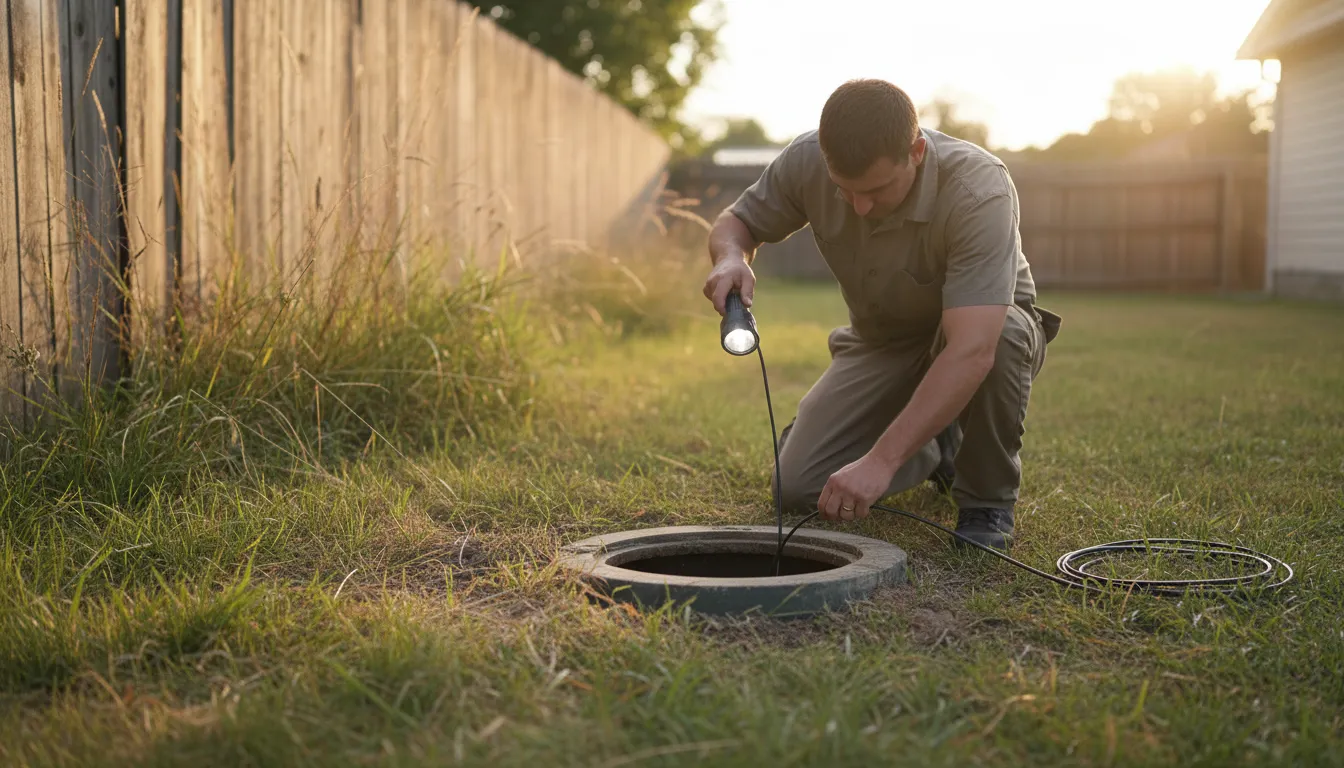
Find the Best Septic Tank Inspection Companies for Your Business
No obligation • Fast responses • Nationwide coverage

Why you can trust Septic Spot
Septic Spot is a leading United States resource for understanding and comparing septic services. Our editors review providers using consistent criteria and verify key business details. Listings and scores are independent, and companies cannot pay to influence our content.
Search providers near you
Top Septic Tank Inspection Companies in Denton, Texas Ranked
A septic system inspection is a critical evaluation of your property's on-site wastewater treatment system, ensuring it functions safely and complies with local health regulations. For homeowners in Denton, these assessments are not just about maintenance-they are a key part of protecting your property value, your family's health, and the local environment. This guide will help you understand the process, local requirements, and how to connect with qualified professionals who can perform this essential service.

Ninnis Home Inspection
Clubview Dr, Argyle, TX 76226
Ninnis Home Inspection provides certified home inspection services in Dallas, TX, and the surrounding DFW Metroplex area. Their offerings include septic tank inspections, buyers and sellers inspections, pool and spa inspections, water well testing, and new build phase inspections. The company is Texas Real Estate Commission (TREC) certified and serves multiple locations such as Argyle, Denton, Keller, Frisco, and Plano. Ninnis Home Inspection focuses on detailed and thorough inspections to help clients make informed decisions about their homes.

Inspect360
8074 Precinct Line Rd, Colleyville, TX 76034
Inspect360 is a septic tank inspection company based in Dallas, TX, offering professional home and commercial inspection services throughout the Dallas-Fort Worth Metroplex and East Texas. Since 2006, their certified master inspectors have provided specialized inspections including septic, termite, pool, sprinkler, and sewer scope inspections. They use state-of-the-art software to deliver inspection reports within 24 hours, complete with digital photos and detailed findings. Inspect360 also offers complimentary home assistant services with each inspection.

Kissee Inspection Services
5000 Eldorado Pkwy # 150-103, Frisco, TX 75033
Kissee Inspection Services is a septic tank inspection company based in Dallas, TX. They provide comprehensive property inspections that include septic systems along with structural components, electrical, plumbing, HVAC, and ancillary services such as pools and lawn sprinklers. Their inspectors hold multiple certifications, including septic and thermal imaging qualifications, ensuring thorough evaluations. Established in 2009, Kissee Inspection Services has over a decade of experience and emphasizes clear communication and customer support throughout the inspection process.
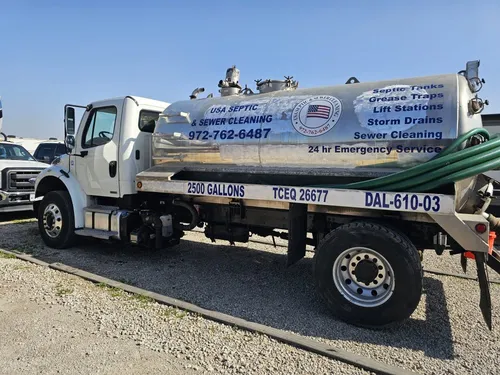
USA Septic and Sewer Cleaning
4661 Ray White Rd, Fort Worth, TX 76244
USA Septic and Sewer Cleaning is a licensed septic service provider based near Dallas, TX, serving Fort Worth, Keller, and Tarrant County. They offer septic tank pumping, inspection, system repair, lift station maintenance, and grease trap cleaning for residential and commercial clients. The company provides 24/7 emergency septic and lift station repair services to address backups, overflows, and pump failures promptly. Their team uses advanced equipment to maintain system efficiency and compliance, helping prevent costly repairs and blockages.

Total Septic
3300 Maroon Creek Rd, Aubrey, TX 76227
Total Septic is a locally owned and operated company based in Dallas, TX, offering a full range of septic system services including installation, pumping, inspection, and repair. They serve multiple Texas counties such as Collin, Grayson, Denton, Rockwall, Fannin, and Hunt. The company specializes in various septic systems including traditional, aerobic, plastic/poly, and concrete tanks, ensuring each installation meets local codes and site conditions. Total Septic also provides excavation services like land clearing, grading, trenching, and demolition for residential and commercial projects. With decades of combined experience, they manage projects with modern equipment and a focus on compliance and safety.
Understanding Septic System Inspections
A septic tank inspection, often referred to as a system evaluation or assessment, is a thorough examination of all components of your On-Site Sewage Facility (OSSF). It goes far beyond simply checking the tank. A proper inspection evaluates the entire system's health, from the inlet pipe to the drain field, identifying current problems and potential failures before they become costly emergencies 1. In Denton County, these evaluations are particularly important due to specific local regulations governing both conventional and aerobic systems.
Regular inspections are a cornerstone of responsible homeownership for properties not connected to municipal sewer lines. They provide peace of mind by verifying that wastewater is being treated effectively, preventing contamination of groundwater-a shared resource in our community.
Denton County Regulations and Requirements
Denton County has established clear rules for septic systems to protect public health and water quality. Understanding these mandates is the first step for any property owner.
Permitting and Final Inspections: All new installations, repairs, or major alterations to a septic system require a construction permit from the Denton County Environmental Health Division. The process involves a notarized application, a professional site evaluation, and a system design by a licensed engineer or sanitarian. Crucially, the county must perform a final inspection before the system is backfilled, which typically requires 2-day advance notice to schedule.
Ongoing Inspection Mandates: Requirements differ based on your system type:
- Aerobic Systems: These advanced systems are subject to strict, ongoing oversight. Texas law and Denton County require that aerobic systems be under a mandatory maintenance contract with a state-registered provider. This contract includes inspections at least every four months to ensure the aerator, pumps, spray heads, and alarms are functioning correctly. The maintenance provider is responsible for filing inspection reports directly with the county.
- Conventional (Anaerobic) Systems: While not under the same mandatory contract law, the Texas Commission on Environmental Quality (TCEQ) and Denton County strongly advise that conventional systems be inspected every 1 to 3 years 2 3. Regular checks are the best defense against system failure.
City of Denton Note: If your property is within the city limits of Denton, additional municipal ordinances may apply alongside county rules 4. It's always wise to verify requirements with the City of Denton's relevant department.
What a Comprehensive Inspection Involves
A professional septic system evaluation in the North Texas area is a multi-step process designed to assess every critical component. Here's what you can expect:
- System Location & Access: The inspector will locate and uncover the tank's access lids and identify the drain field area.
- Tank Assessment: This is the core of the inspection. The inspector will measure the levels of sludge and scum inside the tank. A general rule is that the sludge layer should not fill more than one-third of the tank's volume, indicating a need for pumping 5.
- Component Check: All mechanical and structural parts are examined. This includes inlet and outlet baffles (or tees), effluent filters, and, if present, pumps and siphons for damage or blockages 6.
- Drain Field Evaluation: The inspector will examine the soil over the drain field (leach field) for signs of failure, such as soggy ground, surfacing effluent, or unusually lush vegetation, which indicate the soil is not properly absorbing treated wastewater.
- Functional Testing (for Aerobic Systems): Aerobic systems undergo additional checks. The aerator, spray heads, alarm panel, and electrical components are all tested to ensure proper operation.
Find the perfect septic tank inspection companies for your needs
Get personalized recommendations and expert advice
Common Costs for Inspection and Related Services
While prices can vary based on your property's specifics, system type, and the provider, here are general cost ranges for the Denton area:
- Basic Septic System Inspection: A standard evaluation for a conventional system typically costs between $250 and $500 7. More complex systems or those requiring extensive locating may be higher.
- Septic Tank Pumping: If the inspection reveals the tank needs to be emptied, pumping usually costs $300 to $600 or more, depending on tank size (e.g., 1,000-gallon vs. 1,500-gallon) and accessibility.
- Aerobic System Maintenance Contract: The mandatory annual service contract for aerobic systems, which includes the required quarterly inspections, often ranges from $200 to $400+ per year, frequently payable in installments 8 9.
Signs Your Denton Home Needs an Inspection
Don't wait for a routine schedule if you notice these warning signs. Contact a professional for an assessment immediately if you observe:
- Slow drains or gurgling sounds from toilets and sinks throughout the house.
- Unpleasant sewage odors in your yard or inside your home.
- Wet, spongy, or soggy soil over the drain field area, especially when it hasn't rained.
- Patches of abnormally lush, green grass over the septic field.
- Sewage backing up into household drains or toilets 10 11.
Addressing these issues promptly can prevent environmental contamination, property damage, and much more expensive repairs down the line.
Choosing a Qualified Inspection Provider in Denton
For any septic system work, especially inspections, choosing the right professional is paramount. For aerobic systems, you must select a TCEQ-registered Maintenance Provider 12. These licensed specialists are authorized to perform the legally required inspections and file the official reports with Denton County. For conventional system inspections, look for experienced, licensed septic contractors with strong local references. Always verify their credentials and ensure they carry proper insurance.
Preparing for Your Septic Inspection
To ensure a smooth and efficient inspection process, you can take a few preparatory steps:
- Locate Records: Have any available system diagrams, permits, or past maintenance records ready for the inspector.
- Clear Access: Ensure the inspector has clear access to the septic tank lids and the drain field area. This may involve moving lawn furniture, vehicles, or landscaping features.
- Know Your System: Be able to tell the inspector the approximate age of your system and any past issues you've noticed.
- Be Present: Plan to be home during the inspection to answer questions and receive preliminary findings.
Frequently asked questions
Sources
Footnotes
-
https://www.dentoncounty.gov/DocumentCenter/View/1441/What-You-Must-Know-PDF ↩
-
https://septic911.com/preparing-for-septic-tank-inspection/ ↩
-
https://www.facebook.com/groups/843322015703234/posts/7745313188837381/ ↩
-
https://texinspec.com/what-is-included-in-septic-inspection/ ↩
-
https://www.michigan.gov/egle/faqs/drinking-water/septic-systems ↩
-
https://www.tceq.texas.gov/permitting/ossf/ossfmaintenance.html ↩