Find the Best Septic Tank Inspection Companies for Your Business
No obligation • Fast responses • Nationwide coverage

Why you can trust Septic Spot
Septic Spot is a leading United States resource for understanding and comparing septic services. Our editors review providers using consistent criteria and verify key business details. Listings and scores are independent, and companies cannot pay to influence our content.
Search providers near you
Top Septic Tank Inspection Companies in Baytown, Texas Ranked
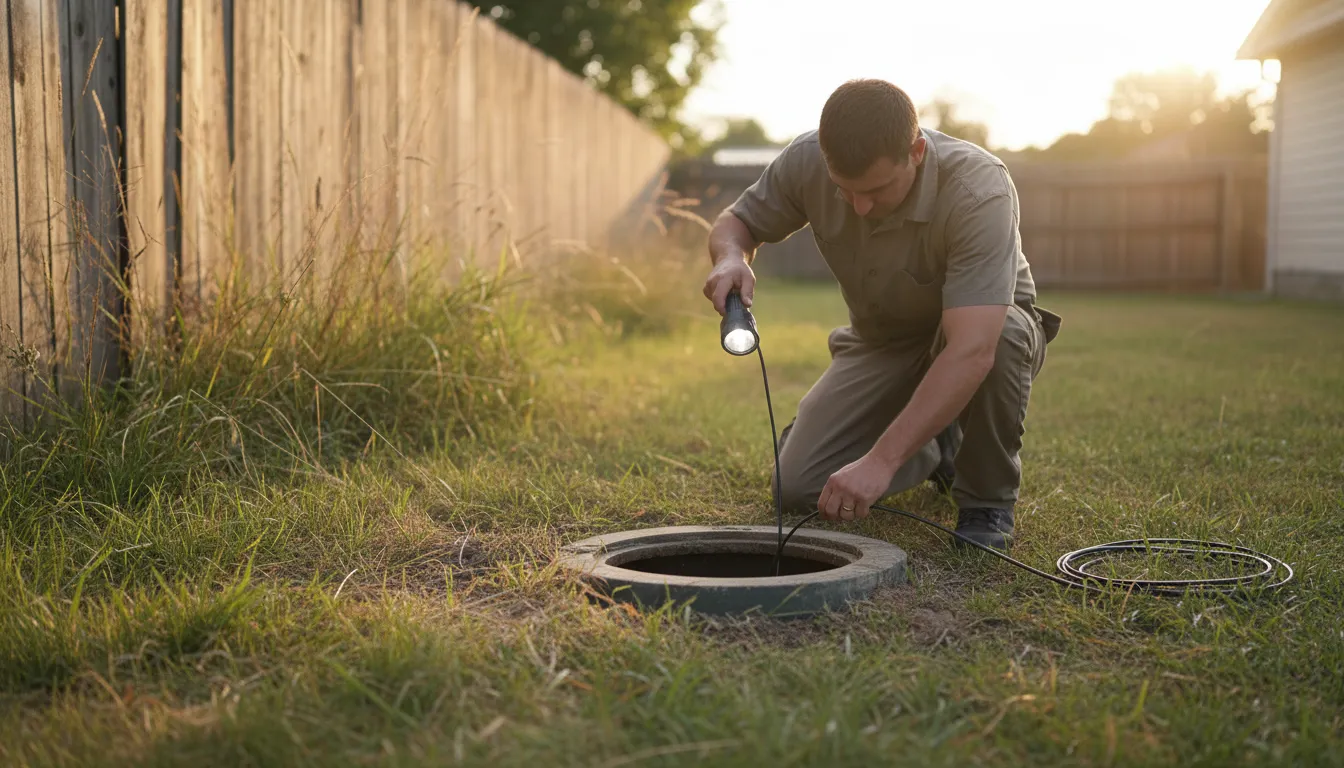
A professional septic tank inspection is a critical evaluation of your home's on-site wastewater treatment system. In Baytown, where many homes rely on these private systems, regular assessments are essential for protecting your property value, ensuring public health, and complying with Texas regulations. This guide explains the local requirements, inspection process, and how to find qualified, licensed professionals to evaluate your septic or aerobic treatment unit.
All Coast Home Inspections
Pearland, TX
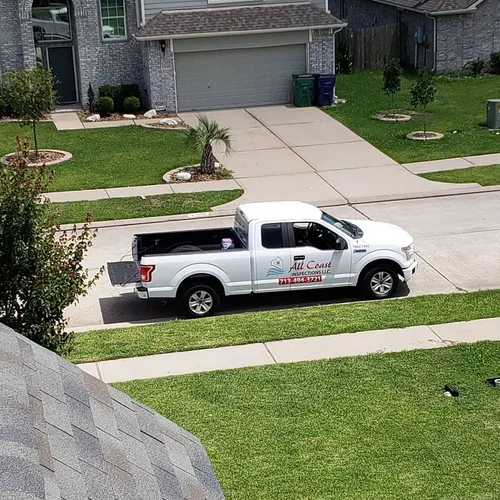
All Coast Home Inspections is a veteran-owned company providing home and septic tank inspection services in Pearland, TX, and the Greater Houston Area. Since 2003, they have offered detailed inspections covering various property components, including septic systems, water wells, and new construction phases. Their septic inspections include checking the inside of tanks and filtration systems for clogs, leaks, or damage to ensure proper operation. With over 20 years of experience, All Coast Home Inspections uses advanced equipment to deliver thorough and accurate reports tailored to local housing conditions.

ABET Home Services
10050 Northwest Fwy Suite 140, Houston, TX 77092
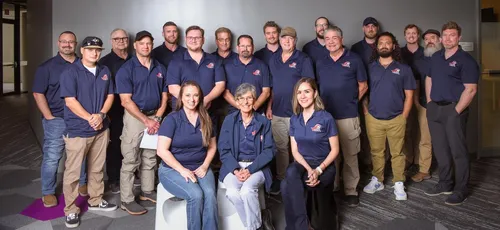
ABET Home Services is a family-owned home inspection company serving Houston, TX, and surrounding communities within a 50-mile radius. Established in 1979, they offer a wide range of inspection services including septic tank inspections, home inspections, pest control, and sewer scope inspections. Their inspectors are TREC-licensed and InterNACHI-certified, using advanced technology such as thermal imaging, drone roof inspections, and foundation elevation readings to provide detailed and accurate reports. With over 45 years of experience and more than 20,000 inspections completed, ABET Home Services is a well-established provider in the Houston area.
RedFish Inspections
1018 Hercules Ave, Houston, TX 77058
RedFish Inspections is a certified home and septic tank inspection company based in Houston, TX. They provide detailed inspection services including septic system evaluations, sewer scope inspections, and thermal imaging to detect hidden issues. With over 15 years of experience and more than 17,900 inspections completed, RedFish Inspections offers same-day reports with photos and videos to help clients make informed decisions. They serve Houston and surrounding areas, including The Woodlands, Conroe, Cypress, and more.
GreenWorks Inspections & Engineering
5100 Westheimer Rd #200, Houston, TX 77056
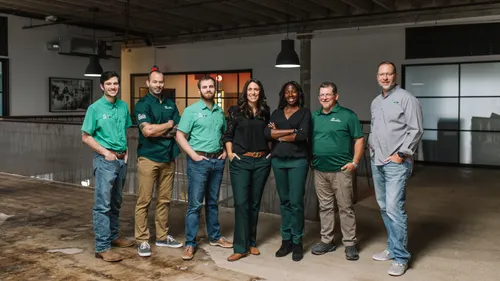
GreenWorks Inspections & Engineering is a licensed inspection company based in Houston, TX, offering a range of services including septic system inspections. Their certified team provides thorough evaluations to identify signs of wear, leaks, or malfunctions in septic systems, helping clients avoid costly repairs. GreenWorks has extensive experience in residential and commercial inspections, adhering to Texas Department of Licensing and Regulation standards. They also provide specialized services such as sewer line inspections using advanced camera technology. The company has been serving the Houston area for several years.
Brighteyes Septic
395 County Rd 608, Dayton, TX 77535
Brighteyes Septic is a septic tank pumping, inspection, repair, and installation company serving Houston, TX, and surrounding areas including Liberty, Dayton, and Baytown. The company offers comprehensive septic system services with a focus on professional installation and maintenance. With over 125 combined years of experience, Brighteyes Septic provides knowledgeable staff who prioritize customer education and environmental care. They serve multiple counties and communities around Houston and are known for their thorough inspections and timely repairs.
Understanding Septic System Regulations in Baytown
Septic systems, or On-Site Sewage Facilities (OSSF), in Baytown fall under the jurisdiction of the Texas Commission on Environmental Quality (TCEQ) under 30 TAC 285 rules. Day-to-day enforcement is typically handled by the local county health department-either Harris County or Chambers County, depending on your property's location. These regulations mandate that all maintenance, inspections, and pumping be performed by a TCEQ-licensed professional.
A key local requirement involves aerobic treatment units. If your home has an aerobic system, Texas law requires you to have a mandatory, ongoing maintenance contract with a licensed provider. These systems must be inspected at least once every four months, a much more frequent schedule than conventional septic tanks.
When Is a Septic Inspection Required?
Knowing when you need a system evaluation can save you from legal headaches and costly emergency repairs. Inspections are not just a recommendation; they are legally required in several scenarios:
- Property Transfers: One of the most common triggers is the sale of a home. A passing inspection is often a contingency for closing1.
- New System Installation: Before any construction begins, a site evaluation must be conducted to test soil composition, groundwater levels, and slope2. After installation, the system must be inspected and permitted.
- Routine Maintenance: For conventional septic systems, inspections are recommended every 1-3 years. For aerobic systems, every four months is the law.
- System Modifications or Repairs: A permit and subsequent inspection are required for any significant repair or alteration to an existing OSSF3.
The Step-by-Step Septic Inspection Process
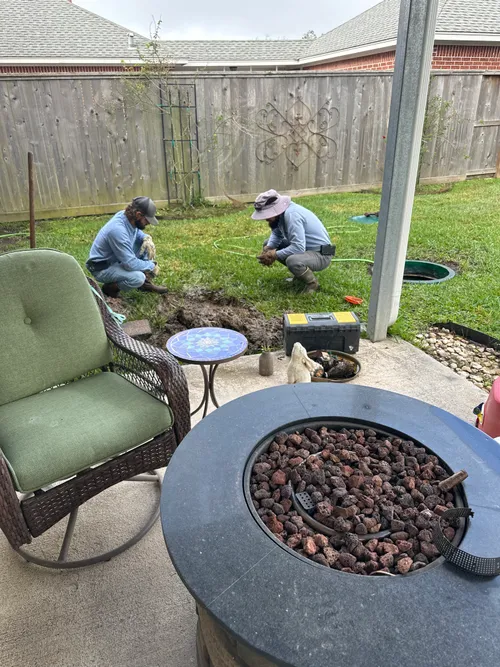
A comprehensive septic system evaluation by a licensed technician involves a series of methodical checks. Here's what you can expect during a standard inspection 4 5:
- Locating & Accessing the Tank: The inspector will locate the tank and distribution box lids, which may require light excavation if they are buried. They will check for visible damage, settling, or unauthorized traffic over the tank area.
- Checking Liquid Levels: The technician will measure the liquid level inside the tank. An abnormally high level can indicate a blockage in the outlet or drain field failure, while a low level may suggest a leak.
- Measuring Sludge and Scum: This is a crucial quantitative step. Using specialized tools, the inspector measures the depth of the sludge layer at the bottom and the scum layer at the top. If the combined sludge and scum occupy more than one-third of the tank's liquid depth, pumping is immediately needed.
- Component Inspection: All mechanical and structural components are examined. This includes:
- Inlet/Outlet Baffles: Checking for cracks or blockages.
- Pipes: Ensuring the inlet and outlet pipes are intact and free of obstructions.
- Electrical Components (for aerobic systems): Verifying that aerators, pumps, control panels, and alarms are functioning correctly.
- Drain Field Observation: While a full drain field excavation isn't part of a standard inspection, the inspector will look for signs of failure, such as soggy ground, foul odors, or unusually lush grass over the field area.
- Documentation and Reporting: Upon completion, the licensed professional will provide you with a detailed report of their findings. If the inspection was for a property transfer or permit, a copy must also be submitted to the relevant local permitting authority.
Inspection and Maintenance Frequency
Adhering to a schedule is the best way to prevent system failure. For a typical conventional septic tank in Baytown, a professional inspection is advised every 1 to 3 years 6. Pumping is generally needed less frequently, about every 3 to 5 years, but this depends entirely on household size, water usage, and tank capacity 6.
As emphasized, aerobic treatment units operate under a strict mandated schedule. They require servicing and an inspection by a licensed contractor every four months without exception7 8.
Find the perfect septic tank inspection companies for your needs
Get personalized recommendations and expert advice
Understanding Costs for Septic Services in Baytown
Costs for septic services can vary based on tank size, system type, accessibility, and the scope of work. The following are general price ranges based on industry standards9 10 11 12:
- Basic Inspection: A standard visual and operational inspection typically ranges from $200 to $500. This covers the steps outlined above for a conventional system.
- Full Inspection (with excavation): If the tank lids are deeply buried or a more thorough drain field assessment is needed, costs can rise to over $500.
- Pumping and Cleaning: This separate but often related service generally ranges from $300 to $600 or more, depending heavily on tank capacity (e.g., 1,000-gallon vs. 1,500-gallon).
Disclaimer: Regulations and prices can change. Always contact your local county health department for the most accurate information and obtain quotes from licensed providers.
Choosing a Licensed Septic Inspection Provider
Since Texas law requires a TCEQ license for this work, verifying credentials is your first step13 14. A reputable provider will:
- Hold a current TCEQ OSSF License.
- Carry adequate insurance and bonding.
- Provide clear, written estimates and detailed inspection reports.
- For aerobic systems, offer compliant ongoing maintenance contracts.
Before an inspection, help the technician by providing any existing records of your system, including the "as-built" diagram showing tank and field location. Clear the area around your tank lids and ensure they are accessible.
The Consequences of a Failing System
Neglecting septic inspections can lead to catastrophic and expensive outcomes. A failing system can cause sewage to back up into your home or bubble up in your yard, creating severe health hazards and environmental contamination. You may face enforcement action from the county health department, including fines and a mandated, costly repair or full system replacement. Furthermore, an undocumented or failing system can derail a home sale entirely.
Regular professional evaluations are a small investment that protects your family's health, your property's value, and the local environment of Baytown.
Frequently asked questions
Sources
Footnotes
-
Does Texas Require Septic Inspection - TexInspec - https://texinspec.com/does-texas-require-septic-inspection/ ↩
-
Texas Septic System Regulations - https://dillonseptic.com/texas-septic-system-regulations/ ↩
-
Getting a Permit for an OSSF - Such as a Septic System - https://www.tceq.texas.gov/permitting/ossf/ossfpermits.html ↩
-
What to Expect from a Septic Inspection - https://www.wrenvironmental.com/blog/2023/may/what-to-expect-from-a-septic-inspection/ ↩
-
How to Get Septic to Pass Inspection - https://www.guardianangelinspections.com/how-to-get-septic-to-pass-inspection ↩
-
Texas Septic Tank Rules - https://dillonseptic.com/texas-septic-tank-rules/ ↩ ↩2
-
Maintenance of On-Site Sewage Facilities (Septic Systems) - https://www.tceq.texas.gov/permitting/ossf/ossfmaintenance.html ↩
-
SEPTIC SYSTEM LAWS IN TEXAS - https://www.terseptic.com/posts/septic-systems-its-the-law ↩
-
Frequent Questions on Septic Systems | US EPA - https://www.epa.gov/septic/frequent-questions-septic-systems ↩
-
What is Included in Septic Inspection? - TexInspec - https://texinspec.com/what-is-included-in-septic-inspection/ ↩
-
NC SEPTIC LAW - https://www.elitehomeinspectionsnc.com/nc-septic-law ↩
-
Septic Tank FAQ and Septic System FAQ - https://dillonseptic.com/faq/ ↩
-
Basics for Septic Systems - https://www.tceq.texas.gov/assistance/water/fyiossfs.html ↩
-
Septic Tank Laws in Texas - https://dillonseptic.com/septic-tank-laws-in-texas/ ↩