Find the Best Septic Tank Inspection Companies for Your Business
No obligation • Fast responses • Nationwide coverage

Why you can trust Septic Spot
Septic Spot is a leading United States resource for understanding and comparing septic services. Our editors review providers using consistent criteria and verify key business details. Listings and scores are independent, and companies cannot pay to influence our content.
Search providers near you
Top Septic Tank Inspection Companies in Cedar Park, Texas Ranked
A septic tank inspection is a professional assessment of your on-site sewage facility (OSSF) to ensure it is functioning safely and efficiently. In Cedar Park, where many homes rely on these private wastewater systems, a thorough evaluation is crucial for protecting your property value, your family's health, and the local environment. This guide explains what a septic system inspection entails, when you need one, and how to find qualified local professionals to perform this essential service.
Septic Squad
Austin, TX
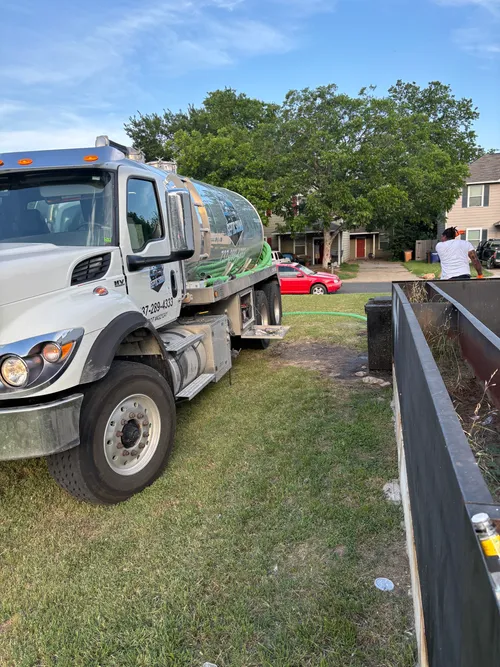
Septic Squad provides septic tank pumping, cleaning, and inspection services in Austin, TX, and nearby communities. They offer full system inspections, safe pumping, and grease trap cleaning to maintain residential and commercial septic systems. Their licensed technicians deliver detailed maintenance reports and conduct thorough evaluations to identify issues such as blockages or leaks. Septic Squad serves multiple counties including Williamson and Hays, covering cities like Round Rock, Cedar Park, and Kyle.
Hambone Plumbing and Septic Pumping
818 W 2nd St, Taylor, TX 76574
Hambone Plumbing and Septic Pumping is a family-owned business serving the Austin, TX area with over 30 years of experience. They provide residential and commercial plumbing and septic services, including septic tank pumping, inspections, and repairs. Their licensed team offers comprehensive solutions such as water heater installation and flushing, drain and sewer line cleaning, and advanced leak detection using thermal imaging technology. Hambone Plumbing and Septic Pumping is available 24/7 to handle emergency plumbing needs and maintain efficient, safe plumbing systems.
Mud Duck Septic Service
Austin, TX
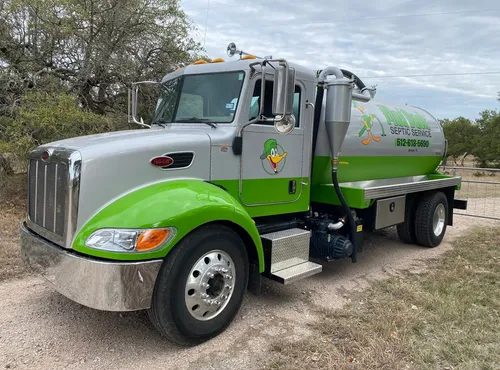
Mud Duck Septic Service is a family-owned and locally operated company providing septic tank pumping, inspection, and repair services in Austin, TX. They serve nearby communities including Bertram, Burnet, Georgetown, Liberty Hill, and Spicewood. The company is fully licensed and insured, focusing on industry best practices and personalized consultations to address a range of septic system needs. Mud Duck Septic Service emphasizes careful workmanship and attention to detail in all projects.
Synergy Onsite Septic Solutions
Austin, TX
Synergy Onsite Septic Solutions is a septic tank inspection, repair, and installation company based in Austin, TX. They serve Austin and Central Texas, including many surrounding communities. Their services include repairs, diagnostics, locating and marking septic systems, installation, replacements, maintenance contracts, and consulting. The company is known for providing accurate assessments and appropriate solutions to septic system issues, often helping customers avoid unnecessary repairs. They also offer assistance with inspection preparation and referrals for pumping and design services.
HomeField Williamson County
40203 Industrial Park Cir, Georgetown, TX 78626
HomeField Williamson County provides comprehensive septic system services in Austin, TX, covering residential and commercial needs. Their offerings include septic tank pumping, inspections, repairs, installations, drain field replacements, and system design. The company emphasizes local expertise and proactive maintenance plans to help prevent future problems. They serve Williamson County with a team familiar with local regulations and conditions, ensuring septic systems meet current requirements. HomeField also offers various maintenance plans tailored to different levels of coverage and support.
Why Septic System Inspections Matter in Cedar Park
In Cedar Park, Texas, residential properties outside the municipal sewer network depend on septic systems to treat and disperse household wastewater. A failing system is more than an inconvenience; it can lead to sewage backups in your home, contamination of groundwater, and costly environmental hazards on your property. Regular inspections help catch minor issues-like a developing clog or a small tank leak-before they escalate into major repairs or a complete system failure 1. For homeowners, this proactive approach is a key part of responsible property maintenance.
Furthermore, Texas law, administered by the Texas Commission on Environmental Quality (TCEQ), has specific regulations governing these systems 2. While not always mandatory for existing homeowners, an inspection is a common and often required step during real estate transactions in Cedar Park. A clean inspection report provides peace of mind to buyers and can be a decisive factor in closing a sale. Whether you're buying, selling, or simply maintaining your home, understanding the inspection process is vital.
Understanding Local Regulations: TCEQ and County Oversight
Septic systems in Cedar Park are regulated as On-Site Sewage Facilities (OSSFs). The primary regulatory body is the Texas Commission on Environmental Quality (TCEQ), which sets the statewide standards for design, installation, and maintenance 3. However, local enforcement often falls to county health departments. Most of Cedar Park is located within Williamson County, with some areas in Travis County, and both counties have programs that implement TCEQ rules 4.
Key regulatory points for Cedar Park homeowners include:
- Permits and Plans: Any new installation or major alteration of a septic system requires a permit from the local county authority and must be based on an engineer-approved site plan 5.
- Setback Requirements: Systems must be installed a minimum distance from property lines, wells, water bodies, and structures, as defined by TCEQ regulations.
- Aerobic System Mandates: If your home has an aerobic treatment system (which uses oxygen to break down waste), Texas law requires you to maintain a valid maintenance contract with a licensed provider. This contract includes mandatory inspections every four months to check mechanical components and chlorine levels 6.
Staying informed about these rules helps ensure your system remains compliant and protects you from potential fines or legal issues.
When Do You Need a Septic Inspection?
Scheduling a septic system evaluation is recommended in several specific scenarios:
- During a Real Estate Transaction: This is the most common trigger. Lenders often require an inspection, and buyers are wise to make their offer contingent on a satisfactory report. Sellers can also benefit by having an inspection done pre-listing to address any problems upfront 7.
- Routine Maintenance: Even if not legally required for conventional systems, experts recommend a professional inspection every 3-5 years, typically coordinated with the recommended pumping schedule.
- Suspected Problems: Warning signs like slow drains, sewage odors in the yard, unusually lush grass over the drainfield, or gurgling sounds in plumbing all warrant an immediate inspection.
- Before Renovations or Additions: Adding a bathroom or increasing your home's occupancy load puts more demand on your septic system. An inspection can determine if your current system can handle the increased flow.
- Compliance for Aerobic Systems: As noted, aerobic system owners must have quarterly inspections as part of their state-required maintenance contract.
The Step-by-Step Septic Inspection Process
A comprehensive septic tank inspection in Cedar Park is a detailed process conducted by a licensed professional. Here's what you can typically expect:
- Record Review & Site Evaluation: The inspector will review any available system records (the "as-built" diagram) and walk the property to locate the tank, distribution box, and drainfield.
- Locating and Exposing the Tank: Using probing tools or electronic locators, the inspector finds the tank lids. If "risers" (access ports to the surface) are not installed, they may need to dig to access the lids-highlighting why installing risers is a valuable upgrade for future access.
- Tank Interior Assessment: This is the core of the inspection. The inspector will:
- Check Structural Integrity: They look for cracks, leaks, or corrosion in the tank walls, lids, and baffles. The baffles (or tees) at the inlet and outlet are critical for preventing solids from flowing out to the drainfield.
- Inspect Inlet/Outlet Flow: They check that wastewater is flowing in and out properly without blockages.
- Drainfield Evaluation: The inspector examines the drainfield (or leach field) area for signs of failure, such as surfacing sewage, soggy soil, or persistent foul odors 10.
- Aerobic System Components: For aerobic systems, the inspection is more involved, testing the aerator pump, air compressor, spray heads, and disinfection (chlorine) levels to ensure the system is fully operational 11.
- Reporting: Finally, you will receive a detailed written report outlining the findings, any deficiencies noted, and recommended actions.
Find the perfect septic tank inspection companies for your needs
Get personalized recommendations and expert advice
What Influences the Cost of an Inspection?
The price for a septic system inspection in the Cedar Park area can vary based on several factors. Generally, you can expect a range of $300 to $600 or more for a standard inspection 12.
Key cost factors include:
- System Type: A conventional gravity system inspection is usually on the lower end of the scale. Inspecting an aerobic treatment system is more complex and time-consuming, often costing more.
- Tank Accessibility: If your tank lacks risers and requires excavation to uncover the lids, the inspector will likely charge extra for the time and labor involved.
- Property Size and System Complexity: Larger properties, multiple tanks, or complex drainfield designs can increase inspection time and cost.
- Additional Services: Often, an inspection is bundled with pumping. Pumping a standard 1,000-1,500 gallon tank typically costs an additional $300 to $600 13 14. For aerobic systems, annual maintenance contracts that include the required quarterly inspections generally range from $200 to $400 per year 13.
While cost is a consideration, the value of an inspection performed by a licensed, experienced professional far outweighs the risk of missing a critical problem that could cost tens of thousands of dollars to remediate.
Choosing a Qualified Inspection Professional
Not all contractors are qualified to perform thorough septic inspections. When searching for a provider in Cedar Park, look for the following:
- State and County Licensing: Ensure the company or individual is licensed by the TCEQ as a Registered Sanitarian or is a licensed septic installer/repair professional authorized to perform inspections. They should also be familiar with Williamson/Travis County requirements.
- Experience and Reputation: Look for established companies with strong local references and positive reviews. Ask how long they have been in business and if they specialize in inspections.
- Detailed Reporting: A reputable inspector will provide a comprehensive written report with photos, not just a verbal summary.
- Insurance: Verify that the inspector carries general liability insurance.
- Scope of Service: Confirm exactly what is included in their inspection fee. Does it include opening the tank? Measuring sludge? A full drainfield evaluation?
Taking the time to select a qualified professional ensures the inspection is accurate, compliant, and truly useful for your decision-making.
Maintaining Your System Post-Inspection
An inspection report is a roadmap for ongoing care. If pumping is recommended, schedule it promptly. If repairs are needed, address them with a licensed contractor. For long-term health, practice good septic habits: conserve water, avoid flushing anything besides human waste and toilet paper, and never pour grease or harsh chemicals down the drain. Regularly inspecting and maintaining your system is the most effective way to extend its lifespan and avoid emergencies.
Frequently asked questions
Sources
Footnotes
-
Frequent Questions on Septic Systems | US EPA - https://www.epa.gov/septic/frequent-questions-septic-systems ↩
-
What laws in Texas apply to septic systems? - Water School - https://brazos.org/about-us/education/water-school/articleid/349/what-laws-in-texas-apply-to-septic-systems ↩
-
Texas Septic System Regulations - https://dillonseptic.com/texas-septic-system-regulations/ ↩
-
Understanding the TCEQ: What Texas Homeowners Need to ... - https://brighteyestexas.com/understanding-the-tceq-what-texas-homeowners-need-to-know-about-septic-system-regulations/ ↩
-
Getting a Permit for an OSSF - Such as a Septic System - https://www.tceq.texas.gov/permitting/ossf/ossfpermits.html ↩
-
Basics for Septic Systems - https://www.tceq.texas.gov/assistance/water/fyiossfs.html ↩
-
Does Texas Require Septic Inspection - TexInspec - https://texinspec.com/does-texas-require-septic-inspection/ ↩
-
What is Included in Septic Inspection? - TexInspec - https://texinspec.com/what-is-included-in-septic-inspection/ ↩
-
How to Get Septic to Pass Inspection - https://www.guardianangelinspections.com/how-to-get-septic-to-pass-inspection ↩
-
Septic System Inspections - InterNACHI - https://www.nachi.org/inspecting-septic-systems.htm ↩
-
Texas Septic Tank Rules - https://dillonseptic.com/texas-septic-tank-rules/ ↩
-
What to Expect During a Septic Inspection: A Step-by-Step Inspection Process - Septic System Installation Burlington WA - https://northsoundseptic.com/blog/what-to-expect-during-a-septic-inspection-a-step-by-step-inspection-process/ ↩
-
Pearland Septic Systems Guide | New Texas Homeowners - https://accurateplumbingtx.com/pearland-septic-systems-new-homeowner-guide/ ↩ ↩2
-
Is Your Pearland Septic Tank Full? | 3-Minute Test - https://accurateplumbingtx.com/pearland-septic-tank-full-inspection-test/ ↩