Find the Best Septic Tank Inspection Companies for Your Business
No obligation • Fast responses • Nationwide coverage

Why you can trust Septic Spot
Septic Spot is a leading United States resource for understanding and comparing septic services. Our editors review providers using consistent criteria and verify key business details. Listings and scores are independent, and companies cannot pay to influence our content.
Search providers near you
Top Septic Tank Inspection Companies in DeSoto, Texas Ranked
A septic tank inspection is a critical evaluation of your on-site wastewater system to ensure it is functioning safely and in compliance with local and state regulations. In DeSoto, these assessments are especially important for protecting your property value, your family's health, and the local environment. This guide explains the process, requirements, and local considerations for septic system evaluations, helping you connect with qualified professionals to maintain your system properly.
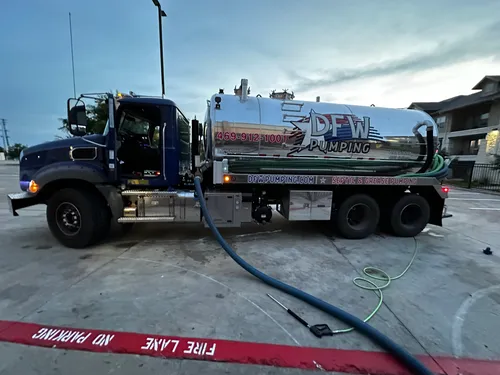
DFW Septic and Grease Services
4881 Montgomery Rd, Midlothian, TX 76065
DFW Septic and Grease Services provides septic tank pumping and inspection services in Dallas, TX. They serve both residential and commercial properties across multiple counties including Ellis, Tarrant, Dallas, Rockwall, Kaufman, Henderson, Navarro, Johnson, and Hill. Their services include septic system cleaning, grease trap maintenance, and thorough onsite inspections for various facilities such as restaurants, retirement homes, and grocery stores. The company offers expert advice and waste collection to help maintain efficient septic systems.
Inspect360
8074 Precinct Line Rd, Colleyville, TX 76034
Inspect360 is a septic tank inspection company based in Dallas, TX, offering professional home and commercial inspection services throughout the Dallas-Fort Worth Metroplex and East Texas. Since 2006, their certified master inspectors have provided specialized inspections including septic, termite, pool, sprinkler, and sewer scope inspections. They use state-of-the-art software to deliver inspection reports within 24 hours, complete with digital photos and detailed findings. Inspect360 also offers complimentary home assistant services with each inspection.
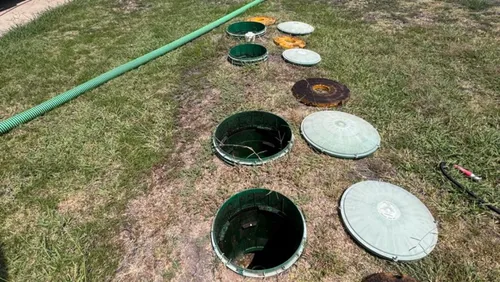
SB Septic and Sewer Service
9975 High Country Ln, Forney, TX 75126
SB Septic and Sewer Service provides septic tank inspection and septic system repair services in Dallas, TX. They serve the greater Dallas-Fort Worth area, including multiple East Texas counties such as Kaufman, Rockwall, Van Zandt, Dallas, Collin, Hunt, Tarrant, Johnson, Parker, Hood, and Ellis. The company offers photo documentation and warranties on repairs, with a licensed and insured technician team to support their work.

Detail Home Inspection, LLC
312 S Hampton Rd, Crowley, TX 76036
Detail Home Inspection, LLC is a home inspection company based in Dallas, TX. They provide a range of inspection services including septic system inspections, foundation, roof, HVAC, plumbing, electrical, and grading inspections. Their reports include photos and videos when necessary. Additional inspection options cover wood destroying insects, pools and spas, lawn irrigation, outbuildings, boat docks, and water bulkheads.

SERVPRO of Downtown Fort Worth / Team Nicholson
509 Pecan St STE 102, Fort Worth, TX 76102
SERVPRO of Downtown Fort Worth / Team Nicholson is a septic tank inspection company based in Fort Worth, TX. They provide septic tank inspections and related services within the Fort Worth area. The team is known for detailed inspections and clear explanations. While specific years in business are not stated, the company is recognized locally for its attentive and responsible staff.
Why Septic Inspections Are Essential in DeSoto
For homes not connected to municipal sewer lines, a private septic system is responsible for treating all household wastewater. A malfunctioning system can lead to sewage backups into your home, foul odors, and contamination of groundwater and soil, posing serious public health risks. In DeSoto, specific city ordinances and Texas Commission on Environmental Quality (TCEQ) rules govern these systems1. Regular septic system inspections are not just a good idea-they are often a legal requirement, particularly during a property transfer. Staying proactive with evaluations helps you avoid costly emergency repairs and environmental violations.
Local Regulations and Inspection Requirements
Understanding the regulatory landscape is the first step for any DeSoto homeowner with a septic system.
State and City Mandates: All septic system work in Texas, including inspections, maintenance, and repairs, falls under TCEQ regulations (30 TAC §285) 2. Locally, the City of DeSoto has a specific requirement: a Private Wastewater Inspection is mandatory for any property with a septic system that is being sold. This resale inspection ensures the system is operational and compliant before the property changes hands.
Licensing is Non-Negotiable: Only licensed On-Site Sewage Facility (OSSF) professionals registered with the TCEQ should perform inspections and maintenance in Texas. Hiring a licensed technician guarantees the inspection will be recognized by the city and state authorities.
Riser and Lid Rule: A key safety and accessibility regulation in Texas requires that all septic tanks have at-grade risers and secure, locking lids3 4. This rule prevents accidental falls, keeps children and pets out, and makes locating and uncovering the tank for inspection significantly easier and less costly.
The Septic Inspection Process: What to Expect
A thorough septic system evaluation is a multi-step process conducted by a licensed inspector. Here's what typically happens during a comprehensive assessment.
1. Preparation and Access: Before the inspector arrives, the homeowner is responsible for locating and uncovering all septic tank lids and pump tank access points5. If risers are not already installed, this may involve digging, which can add to the inspection cost. Ensuring clear access saves time and money.
2. Tank Integrity and Liquid Level Check: The inspector will examine the tank structure for cracks, leaks, or corrosion. They will also check the liquid level inside the tank. A level that is too low can indicate an inlet or tank leak, while a level that is too high may signal a blockage in the outlet or a failure in the drain field.
3. Scum and Sludge Measurement: This is a core part of the inspection. The inspector measures the depth of the scum layer (floating solids) and the sludge layer (settled solids) at the bottom of the tank. According to the EPA, a tank should be pumped when the sludge depth equals one-third of the liquid depth or when the bottom of the scum layer is within 3 inches of the bottom of the outlet baffle. This measurement determines if immediate pumping is necessary.
4. Component Testing: For systems with pumps, alarms, or electrical components (common in aerobic treatment systems), the inspector will test these parts for proper operation6. They will also inspect baffles and tees to ensure they are intact and functioning, which is crucial for preventing solids from escaping into the drain field.
5. Drain Field Assessment: While a full drain field excavation is not part of a standard inspection, the inspector will look for signs of failure. This includes checking for soggy ground or surfacing sewage above the drain field area, and they may perform a simple water flow test to assess absorption7 8.
6. Reporting: Following the inspection, the licensed professional will provide a detailed report to the homeowner. If the inspection is for a real estate transaction, a copy must typically be submitted to the City of DeSoto's building inspections department within 14 days. This report will note the system's condition, any deficiencies, and required actions.
Find the perfect septic tank inspection companies for your needs
Get personalized recommendations and expert advice
Understanding Costs for Inspection and Maintenance
The cost of a septic inspection in DeSoto can vary based on your system's type and complexity. Being informed helps you budget appropriately.
Inspection Fees: A standard visual and operational inspection for a conventional septic system typically ranges from $150 to $4009. Inspections for more complex aerobic treatment systems (ATUs) often cost more due to the additional electrical and mechanical components that require testing.
Pumping Costs: If the inspection reveals that pumping is needed, that service is separate. Pumping a standard 1,000-gallon septic tank in the DeSoto area usually costs between $300 and $600. The final price can depend on tank size, accessibility, and the distance to the disposal facility.
Combined Service: Many homeowners opt for a combined inspection and pumping service. For this bundled work, you can expect a total cost generally ranging from $450 to $1,000 or more10 11. While this is an investment, it is far less expensive than dealing with a system failure or a failed real estate inspection.
Maintaining Your System Between Inspections
Regular maintenance is the best way to ensure your system passes its next inspection and lasts for decades.
Pump Regularly: The EPA and TCEQ recommend pumping your septic tank every 3 to 5 years, but the exact frequency depends on household size, tank size, and water usage 12. Never let solids fill more than one-third of your tank's capacity. Keeping a record of all pumping and maintenance is highly advised.
Practice Smart Water Use and Waste Disposal: Spread out laundry loads, fix leaky faucets, and avoid pouring fats, oils, or chemicals down the drain. Do not flush anything besides human waste and toilet paper. Items like wipes, feminine hygiene products, and coffee grounds can quickly clog your system.
Protect Your Drain Field: Never park vehicles or build structures over your drain field. Keep roof drains and other surface water runoff directed away from the area to prevent saturation.
Permit All Work: Remember, any repair, alteration, or new installation on your septic system requires a permit from the TCEQ, usually obtained through a local authorized agent13. Always use a licensed professional for any work beyond basic visual checks.
Frequently asked questions
Sources
Footnotes
-
Private Wastewater Systems (Septic) - De Soto, KS - https://www.desotoks.us/178/Private-Wastewater-Systems-Septic ↩
-
What laws in Texas apply to septic systems? - Water School - https://brazos.org/about-us/education/water-school/articleid/349/what-laws-in-texas-apply-to-septic-systems ↩
-
Texas Septic System Regulations - https://dillonseptic.com/texas-septic-system-regulations/ ↩
-
Basics for Septic Systems - https://www.tceq.texas.gov/assistance/water/fyiossfs.html ↩
-
De Soto Building Inspections Private Wastewater Resale Inspection ... - https://www.desotoks.us/DocumentCenter/View/458/Residential-Resale-Inspection-Procedure-PDF ↩
-
Everything You Need to Know About Septic Tank Inspections - https://www.theplumbingexperts.com/everything-you-need-to-know-about-septic-tank-inspections ↩
-
How to Get Septic to Pass Inspection - https://www.guardianangelinspections.com/how-to-get-septic-to-pass-inspection ↩
-
Does Texas Require Septic Inspection - TexInspec - https://texinspec.com/does-texas-require-septic-inspection/ ↩
-
Well and Septic (Aeration - Spray or, Drip - or Conventional) Inspections | TX FL GA CO CA AL - https://noble-pi.com/wellseptic ↩
-
Frequent Questions on Septic Systems | US EPA - https://www.epa.gov/septic/frequent-questions-septic-systems ↩
-
Is Your Pearland Septic Tank Full? | 3-Minute Test - https://accurateplumbingtx.com/pearland-septic-tank-full-inspection-test/ ↩
-
Maintenance of On-Site Sewage Facilities (Septic Systems) - https://www.tceq.texas.gov/permitting/ossf/ossfmaintenance.html ↩
-
Getting a Permit for an OSSF - Such as a Septic System - https://www.tceq.texas.gov/permitting/ossf/ossfpermits.html ↩