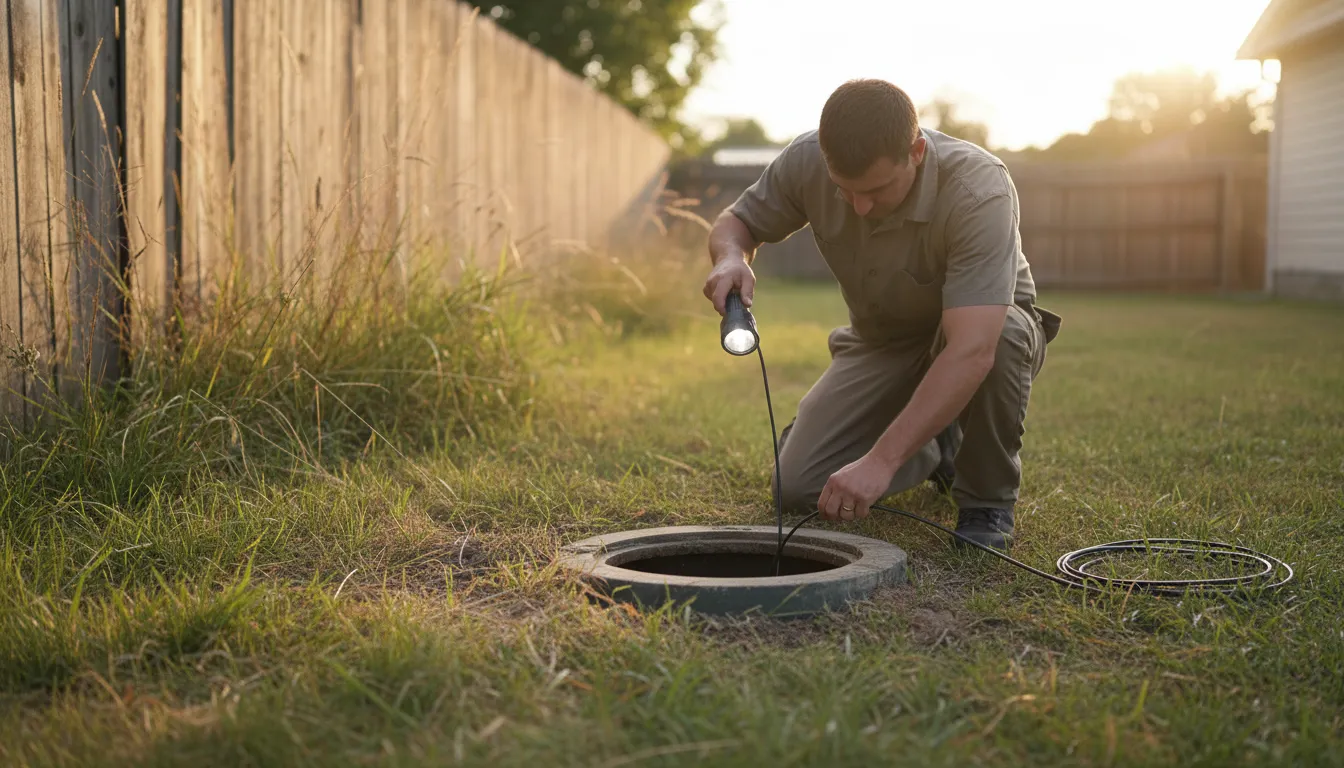
Find the Best Septic Tank Inspection Companies for Your Business
No obligation • Fast responses • Nationwide coverage

Why you can trust Septic Spot
Septic Spot is a leading United States resource for understanding and comparing septic services. Our editors review providers using consistent criteria and verify key business details. Listings and scores are independent, and companies cannot pay to influence our content.
Search providers near you
Top Septic Tank Inspection Companies in Georgetown, Texas Ranked
A septic tank inspection is a professional evaluation of your on-site sewage facility (OSSF) to ensure it is functioning safely and efficiently. This process is critical for protecting your property investment, maintaining public health, and complying with local regulations in Williamson County. Whether you're a homeowner scheduling routine maintenance, a prospective buyer evaluating a property, or a seller preparing for a transaction, understanding the local inspection process helps you find qualified professionals to assess your system.
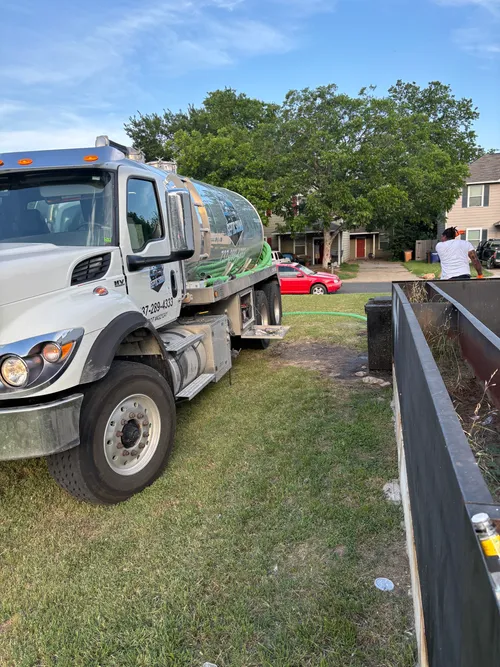
Septic Squad
Austin, TX
Septic Squad provides septic tank pumping, cleaning, and inspection services in Austin, TX, and nearby communities. They offer full system inspections, safe pumping, and grease trap cleaning to maintain residential and commercial septic systems. Their licensed technicians deliver detailed maintenance reports and conduct thorough evaluations to identify issues such as blockages or leaks. Septic Squad serves multiple counties including Williamson and Hays, covering cities like Round Rock, Cedar Park, and Kyle.
Hambone Plumbing and Septic Pumping
818 W 2nd St, Taylor, TX 76574
Hambone Plumbing and Septic Pumping is a family-owned business serving the Austin, TX area with over 30 years of experience. They provide residential and commercial plumbing and septic services, including septic tank pumping, inspections, and repairs. Their licensed team offers comprehensive solutions such as water heater installation and flushing, drain and sewer line cleaning, and advanced leak detection using thermal imaging technology. Hambone Plumbing and Septic Pumping is available 24/7 to handle emergency plumbing needs and maintain efficient, safe plumbing systems.
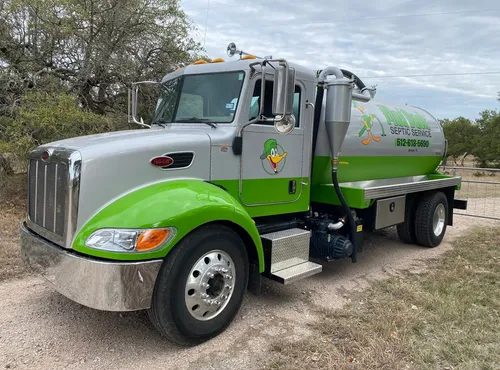
Mud Duck Septic Service
Austin, TX
Mud Duck Septic Service is a family-owned and locally operated company providing septic tank pumping, inspection, and repair services in Austin, TX. They serve nearby communities including Bertram, Burnet, Georgetown, Liberty Hill, and Spicewood. The company is fully licensed and insured, focusing on industry best practices and personalized consultations to address a range of septic system needs. Mud Duck Septic Service emphasizes careful workmanship and attention to detail in all projects.
Synergy Onsite Septic Solutions
Austin, TX
Synergy Onsite Septic Solutions is a septic tank inspection, repair, and installation company based in Austin, TX. They serve Austin and Central Texas, including many surrounding communities. Their services include repairs, diagnostics, locating and marking septic systems, installation, replacements, maintenance contracts, and consulting. The company is known for providing accurate assessments and appropriate solutions to septic system issues, often helping customers avoid unnecessary repairs. They also offer assistance with inspection preparation and referrals for pumping and design services.
HomeField Williamson County
40203 Industrial Park Cir, Georgetown, TX 78626
HomeField Williamson County provides comprehensive septic system services in Austin, TX, covering residential and commercial needs. Their offerings include septic tank pumping, inspections, repairs, installations, drain field replacements, and system design. The company emphasizes local expertise and proactive maintenance plans to help prevent future problems. They serve Williamson County with a team familiar with local regulations and conditions, ensuring septic systems meet current requirements. HomeField also offers various maintenance plans tailored to different levels of coverage and support.
Why Septic System Evaluations Are Essential in Georgetown
Georgetown's growth and its location in the Texas Hill Country make proper wastewater management a priority for both environmental and community health. A failing septic system can lead to costly repairs, property damage, and contamination of groundwater. Regular septic system assessments are not just a good idea-they are often a regulatory requirement, especially for the aerobic treatment units (ATUs) common in the area. These inspections help identify minor issues before they become major failures, saving homeowners significant money and hassle.
In Williamson County, the local permitting and regulatory authority is the Infrastructure Department. They enforce rules established by the Texas Commission on Environmental Quality (TCEQ) 1. For homeowners, this means any new installation, repair, or major modification to a septic system requires a permit and must be inspected by county staff at specific stages. Furthermore, if you own an aerobic system, state law mandates that you maintain a valid contract with a licensed maintenance provider, who must inspect the system at least every four months.
What a Professional Septic Inspection Involves
A comprehensive septic tank checkup is a multi-step process conducted by a licensed inspector or maintenance provider. It goes beyond just looking at the tank and evaluates the entire system's health. Here's what you can typically expect during a standard evaluation 2 3:
- System Loading Test: The inspector will run water through fixtures in the home to check for proper drainage, slow drains, or backups, which can indicate a clog or drainfield issue.
- Tank Access and Scum/Sludge Measurement: The tank lids are located and opened. The inspector measures the levels of scum (floating layer) and sludge (settled solids) at the bottom. If the sludge depth is more than one-third of the liquid depth, pumping is usually recommended.
- Tank Integrity Check: The tank itself is examined for cracks, leaks, signs of corrosion, or improper water levels that could signal a structural problem.
- Baffle and Tee Inspection: The inlet and outlet baffles (or tees) are checked to ensure they are intact. These components are crucial for preventing solids from flowing out of the tank and into the drainfield, where they can cause clogging and system failure.
- Drainfield Observation: The inspector will examine the drainfield area for signs of failure, such as surfacing sewage, overly lush grass, or soggy soil.
- Component Testing: For systems with pumps, siphons, or alarms, these mechanical components are tested to ensure they are operational. In aerobic systems, the aerator and other treatment components are also evaluated.
Find the perfect septic tank inspection companies for your needs
Get personalized recommendations and expert advice
Local Regulations and the Inspection Process
Navigating the rules for onsite wastewater facilities in Georgetown requires an understanding of both county and state guidelines. The Williamson County Infrastructure Department is your primary local contact for all OSSF permits and regulatory inspections.
Key Local Requirements:
- Permits: A permit is required for the installation of a new system, the repair of an existing system, or any modification. The system must be built exactly to the approved design plans.
- County Inspections: During installation or repair, a licensed installer must call for mandatory inspections by county staff at critical stages, such as before the tank is backfilled. A crucial rule: never backfill or cover any part of the system before receiving final approval from the county inspector. Doing so can result in penalties and require costly re-excavation for re-inspection.
- Setbacks: Tanks and drainfields must be placed specific distances from property features. For example, septic tanks generally must be at least 5 feet from a building and 50 feet from a water well, though specific requirements depend on the system type and local ordinances.
- Aerobic System Maintenance Contracts: If your home uses an aerobic treatment system, you are legally required to keep a maintenance contract with a licensed provider. This provider will perform the required quarterly (every 4 months) inspections and service.
Understanding Inspection Costs and Timing
The cost of a septic system inspection in Georgetown can vary based on the type of system, its size, and its accessibility. A standard inspection for a conventional gravity system typically ranges from $300 to $600 4. Inspections for more complex systems, like aerobic treatment units or those with pumps and advanced treatment components, may be higher due to the additional time and expertise required.
It's important to distinguish between a septic inspection and septic tank pumping. Pumping is a service that removes the accumulated solids from the tank and is often recommended as a result of an inspection. Pumping in the Georgetown area usually costs $400 to $800+, depending on tank size 5 6. While inspections assess overall health, pumping is a vital maintenance task to prevent system failure.
Recommended Schedule:
- Routine Inspection: Every 1-3 years for conventional systems.
- Mandatory Inspection: Every 4 months for aerobic systems (via maintenance contract).
- Routine Pumping: Every 3-5 years for most households, but frequency depends on usage and tank size.
The Role of Inspections in Property Transactions
A septic tank evaluation is one of the most important steps when buying or selling a home in Georgetown. For buyers, it provides peace of mind and reveals any potential environmental liabilities or repair costs. For sellers, a clean inspection report can make a property more attractive and facilitate a smoother sale.
Texas law does not universally require a septic inspection for all home sales, but it is almost always required by lenders, title companies, or as a contingency in the sales contract. Given the high cost of repairing or replacing a failed drainfield, a pre-purchase inspection is a wise investment. Always retain copies of all inspection and maintenance reports for your property records, as they are valuable for future sales and service visits 7 8.
Maintaining Your System Between Inspections
Professional checkups are essential, but homeowners play a key role in daily system care. Proper maintenance extends the life of your septic system and helps it pass inspections with flying colors.
- Conserve Water: Spread out laundry loads and fix leaky fixtures to avoid overloading the drainfield.
- Mind What You Flush: Only human waste and toilet paper should go down the drain. Avoid flushing wipes (even "flushable" ones), feminine hygiene products, cooking grease, and chemicals.
- Protect the Drainfield: Never park vehicles or build structures over the drainfield. Keep roof drains, sump pumps, and other surface water away from the area.
- Keep Records: Maintain a file with your system's design (as-built), all inspection reports, pumping receipts, and maintenance contracts. This history is invaluable.
Frequently asked questions
Sources
Footnotes
-
What laws in Texas apply to septic systems? - Water School - https://brazos.org/about-us/education/water-school/articleid/349/what-laws-in-texas-apply-to-septic-systems ↩
-
What is Included in Septic Inspection? - TexInspec - https://texinspec.com/what-is-included-in-septic-inspection/ ↩
-
What to Expect from a Septic Inspection - https://www.wrenvironmental.com/blog/2023/may/what-to-expect-from-a-septic-inspection/ ↩
-
Texas Septic Tank Rules - https://dillonseptic.com/texas-septic-tank-rules/ ↩
-
Frequent Questions on Septic Systems | US EPA - https://www.epa.gov/septic/frequent-questions-septic-systems ↩
-
Does Texas Require Septic Inspection - TexInspec - https://texinspec.com/does-texas-require-septic-inspection/ ↩
-
On-Site Sewage Facility (OSSF) Guide for Williamson County - https://www.wilcotx.gov/DocumentCenter/View/16734/OSSF-Guide-PDF ↩
-
What You Should Know About Septic Systems When Building ... - https://riverhillsbuilder.com/septic-systems-hill-country/ ↩