Find the Best Septic Tank Inspection Companies for Your Business
No obligation • Fast responses • Nationwide coverage

Why you can trust Septic Spot
Septic Spot is a leading United States resource for understanding and comparing septic services. Our editors review providers using consistent criteria and verify key business details. Listings and scores are independent, and companies cannot pay to influence our content.
Search providers near you
Top Septic Tank Inspection Companies in Irving, Texas Ranked
A septic tank inspection is a critical evaluation of your home's private wastewater treatment system, ensuring it functions safely and complies with local health and environmental regulations. For Irving homeowners, these assessments are not just about maintenance-they are often a legal requirement tied to property transfers, system installations, and ongoing care. This guide helps you understand the local rules, what happens during an inspection, and how to connect with qualified professionals to protect your property and community.
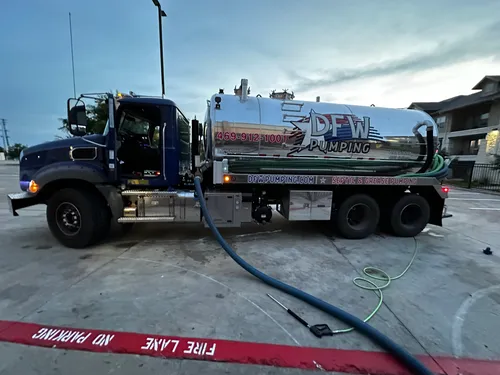
DFW Septic and Grease Services
4881 Montgomery Rd, Midlothian, TX 76065
DFW Septic and Grease Services provides septic tank pumping and inspection services in Dallas, TX. They serve both residential and commercial properties across multiple counties including Ellis, Tarrant, Dallas, Rockwall, Kaufman, Henderson, Navarro, Johnson, and Hill. Their services include septic system cleaning, grease trap maintenance, and thorough onsite inspections for various facilities such as restaurants, retirement homes, and grocery stores. The company offers expert advice and waste collection to help maintain efficient septic systems.

Ninnis Home Inspection
Clubview Dr, Argyle, TX 76226
Ninnis Home Inspection provides certified home inspection services in Dallas, TX, and the surrounding DFW Metroplex area. Their offerings include septic tank inspections, buyers and sellers inspections, pool and spa inspections, water well testing, and new build phase inspections. The company is Texas Real Estate Commission (TREC) certified and serves multiple locations such as Argyle, Denton, Keller, Frisco, and Plano. Ninnis Home Inspection focuses on detailed and thorough inspections to help clients make informed decisions about their homes.

Inspect360
8074 Precinct Line Rd, Colleyville, TX 76034
Inspect360 is a septic tank inspection company based in Dallas, TX, offering professional home and commercial inspection services throughout the Dallas-Fort Worth Metroplex and East Texas. Since 2006, their certified master inspectors have provided specialized inspections including septic, termite, pool, sprinkler, and sewer scope inspections. They use state-of-the-art software to deliver inspection reports within 24 hours, complete with digital photos and detailed findings. Inspect360 also offers complimentary home assistant services with each inspection.

Kissee Inspection Services
5000 Eldorado Pkwy # 150-103, Frisco, TX 75033
Kissee Inspection Services is a septic tank inspection company based in Dallas, TX. They provide comprehensive property inspections that include septic systems along with structural components, electrical, plumbing, HVAC, and ancillary services such as pools and lawn sprinklers. Their inspectors hold multiple certifications, including septic and thermal imaging qualifications, ensuring thorough evaluations. Established in 2009, Kissee Inspection Services has over a decade of experience and emphasizes clear communication and customer support throughout the inspection process.
SB Septic and Sewer Service
9975 High Country Ln, Forney, TX 75126
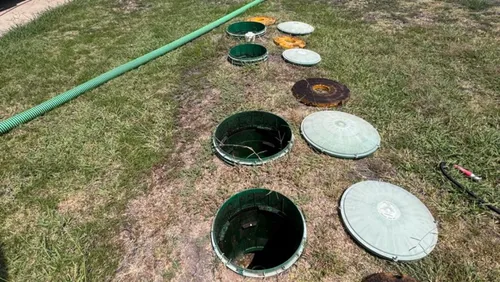
SB Septic and Sewer Service provides septic tank inspection and septic system repair services in Dallas, TX. They serve the greater Dallas-Fort Worth area, including multiple East Texas counties such as Kaufman, Rockwall, Van Zandt, Dallas, Collin, Hunt, Tarrant, Johnson, Parker, Hood, and Ellis. The company offers photo documentation and warranties on repairs, with a licensed and insured technician team to support their work.
Understanding Septic System Regulations in Irving
In Irving, septic systems, formally known as On-Site Sewage Facilities (OSSFs), are regulated by the Texas Commission on Environmental Quality (TCEQ) and typically managed locally by Dallas County Health and Human Services. Texas law mandates that any construction, repair, or alteration of an OSSF requires a permit from the local permitting authority 1. This framework is designed to protect groundwater and public health, making compliance essential.
A key distinction in Texas is between conventional (anaerobic) and aerobic treatment systems. While all systems need routine care, aerobic systems have stricter, legally binding requirements. If you own an aerobic system, you are required by the TCEQ to have a maintenance contract with a licensed provider and to have the system inspected every four months. The inspection reports must be submitted to the permitting authority, ensuring continuous oversight.
When Is a Septic Inspection Required?
Knowing when to schedule a system evaluation can save you from costly repairs and legal headaches. Here are the most common scenarios necessitating a septic inspection in Irving:
- Property Transactions: A septic system evaluation is frequently required during the sale of a home. A clean inspection report provides assurance to the buyer and is often a contingency for closing.
- System Installation or Modification: A permit inspection is mandatory before a new septic system can be put into use or after any significant repair or alteration 2.
- Routine Maintenance: For conventional systems, experts recommend a professional inspection every 1 to 3 years, alongside pumping every 3 to 5 years, to catch issues early.
- Aerobic System Compliance: As noted, aerobic systems require quarterly inspections by a licensed maintenance provider to meet state law.
- Suspected Problems: Signs like slow drains, sewage odors indoors or in the yard, soggy ground over the drain field, or unusually lush grass near the system are clear indicators you need an inspection immediately.
What Does a Professional Septic Inspection Involve?
A comprehensive septic system assessment is a multi-step process conducted by a licensed installer, site evaluator, or maintenance provider 3. Here's what you can expect during a standard inspection:
- System Location & Access: The inspector will locate the tank, distribution box, and drain field. This may involve probing the ground or referencing property records.
- Tank Integrity Check: The tank lid is opened, and the inspector examines the tank's structure for cracks, corrosion, or signs of collapse. The baffles (inlet and outlet tees) are checked to ensure they are intact and functioning.
- Sludge and Scum Measurement: This is a core part of the inspection. The inspector measures the levels of sludge (solid waste at the bottom) and scum (floating fats and grease). If the combined sludge and scum depth exceeds one-third of the tank's liquid depth, pumping is recommended.
- Hydraulic Function Test: The inspector checks the inlet and outlet pipes for blockages and assesses the liquid level in the tank to ensure proper flow into the drain field.
- Component Testing (Aerobic Systems): For aerobic systems, this includes testing the aerator, air pump, alarm, spray heads, and other electrical and mechanical components to ensure they are operating within design specifications 4 5.
- Drain Field Evaluation: The inspector surveys the drain field (also called a leach field) for telltale signs of failure. These include surfacing sewage, pooling or soggy soil, and abnormally green grass, which indicate the soil is no longer properly absorbing and treating the effluent 6.
Find the perfect septic tank inspection companies for your needs
Get personalized recommendations and expert advice
Understanding Inspection Costs in Irving
The cost of a septic inspection in Irving varies based on the system type and scope of work. A basic visual inspection for a conventional system typically ranges from $150 to $4507. For homeowners with an aerobic system under a maintenance contract, each quarterly inspection visit usually costs between $100 and $200, often prepaid as part of the annual contract 8 9. It's important to note that if an inspection reveals the tank needs to be pumped, that is a separate service. Septic tank pumping in the area generally costs between $300 and $600, depending on tank size and accessibility 10 7. Always request a detailed quote that outlines what the inspection includes before work begins.
Maintaining Your System Between Inspections
Professional inspections are crucial, but day-to-day care extends the life of your system. Follow these best practices to keep your septic system healthy:
- Mind Your Water Use: Spread out laundry loads and fix leaky faucets to avoid hydraulically overloading the system, which can push untreated waste into the drain field.
- Watch What You Flush: Only human waste and toilet paper should go down the drain. Never flush wet wipes (even "flushable" ones), feminine hygiene products, diapers, grease, or chemicals. These can clog pipes, destroy beneficial bacteria, and cause premature system failure 11 12.
- Protect the Drain Field: Never park vehicles or place heavy structures (like sheds) on the drain field. Keep large trees and shrubs at a distance, as roots can infiltrate and damage pipes 13.
- Keep Records: Maintain a file of all inspection reports, pumping receipts, repair records, and your system's original design. This is invaluable for troubleshooting and during property sales.
Choosing a Licensed Inspection Provider in Irving
Because Texas law requires inspections to be performed by licensed professionals, verifying credentials is your first step 14. Ensure the provider holds a current license from the TCEQ as a Maintenance Provider, Installer, or Site Evaluator. They should be familiar with Dallas County's specific permitting and reporting procedures. Ask for proof of insurance and references from past clients in the Irving area. A reputable inspector will be willing to walk you through their process and explain their findings in detail after the evaluation.
Disclaimer: Local regulations and requirements can change. It is always advisable to contact Dallas County Health and Human Services directly to confirm the specific rules applicable to your property before initiating any septic system work 15.
Frequently asked questions
Sources
Footnotes
-
Basics for Septic Systems - https://www.tceq.texas.gov/assistance/water/fyiossfs.html ↩
-
Getting a Permit for an OSSF - Such as a Septic System - https://www.tceq.texas.gov/permitting/ossf/ossfpermits.html ↩
-
Advice for an Owner of an On-Site Sewage Facility (Septic System) - https://www.tceq.texas.gov/permitting/ossf/ossfadvice.html ↩
-
Texas OSSF Inspection Requirements: Complete Guide for 2025 - https://www.fieldbaseos.com/blog/texas-ossf-inspection-requirements.html ↩
-
What to Expect from a Septic Inspection - https://www.wrenvironmental.com/blog/2023/may/what-to-expect-from-a-septic-inspection/ ↩
-
Does Texas Require Septic Inspection | TexInspec - https://texinspec.com/does-texas-require-septic-inspection/ ↩
-
Septic Tank Inspection Cost: Here's The 2026 Average - https://ibuyer.com/blog/how-much-is-a-septic-tank-inspection/ ↩ ↩2
-
Maintenance of On-Site Sewage Facilities (Septic Systems) - https://www.tceq.texas.gov/permitting/ossf/ossfmaintenance.html ↩
-
Texas Septic Tank Rules - https://dillonseptic.com/texas-septic-tank-rules/ ↩
-
Frequent Questions on Septic Systems | US EPA - https://www.epa.gov/septic/frequent-questions-septic-systems ↩
-
Septic System - Texas Water Resources Institute - https://twri.tamu.edu/wp-content/uploads/2024/04/em-126-septic-system-maintenance-inspection-pocket-guide.pdf ↩
-
Interpreting Septic Tank Inspection Results | Septic System Professionals - https://septic911.com/interpreting-septic-tank-inspection-results/ ↩
-
Septic Tank Laws in Texas - https://dillonseptic.com/septic-tank-laws-in-texas/ ↩
-
Texas Septic System Regulations - https://dillonseptic.com/texas-septic-system-regulations/ ↩
-
What laws in Texas apply to septic systems? - Water School - https://brazos.org/about-us/education/water-school/articleid/349/what-laws-in-texas-apply-to-septic-systems ↩