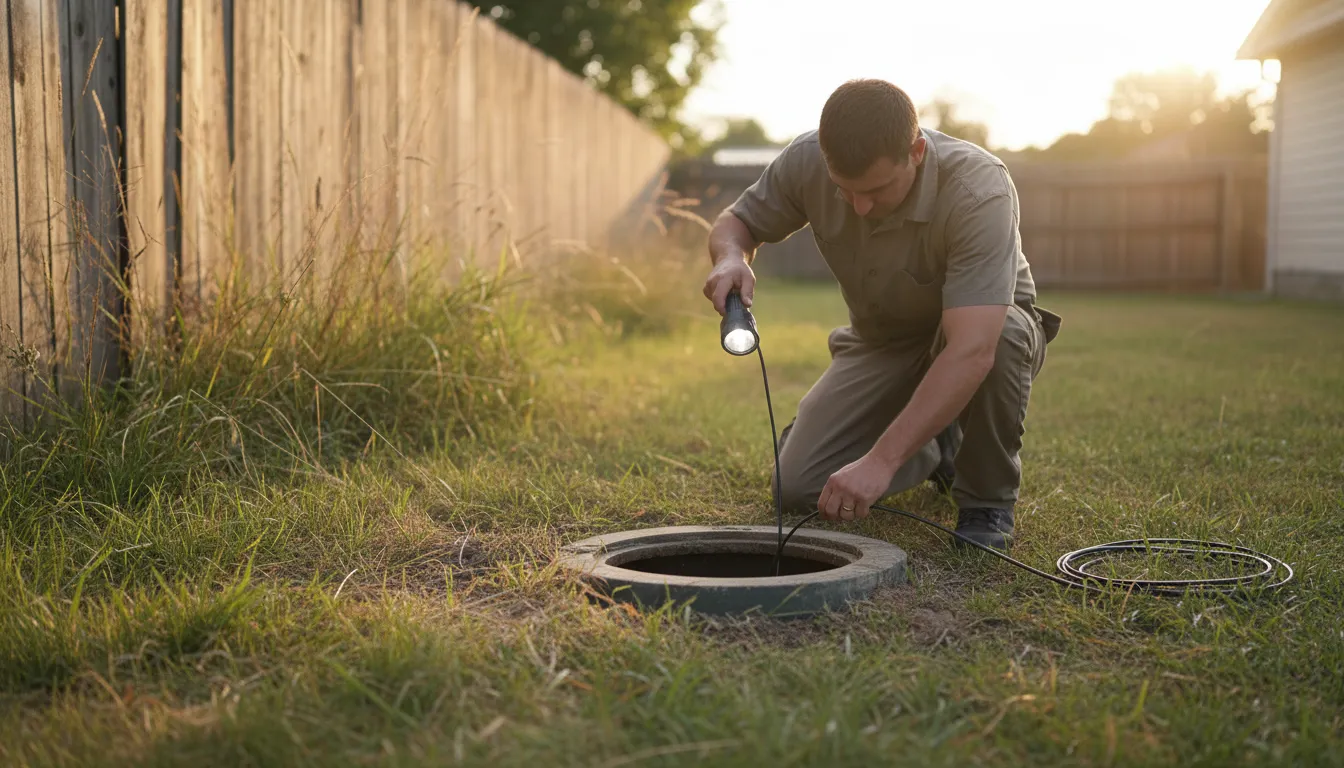
Find the Best Septic Tank Inspection Companies for Your Business
No obligation • Fast responses • Nationwide coverage

Why you can trust Septic Spot
Septic Spot is a leading United States resource for understanding and comparing septic services. Our editors review providers using consistent criteria and verify key business details. Listings and scores are independent, and companies cannot pay to influence our content.
Search providers near you
Top Septic Tank Inspection Companies in Kyle, Texas Ranked
A septic tank inspection is a professional evaluation of your home's on-site wastewater treatment system. In Kyle, where many homes rely on these private systems, regular checks are crucial for protecting your property value, ensuring public health, and complying with local Hays County and Texas Commission on Environmental Quality (TCEQ) regulations. This guide helps you understand the process, requirements, and local considerations for septic system evaluations, empowering you to find qualified professionals for maintenance, compliance, and peace of mind.
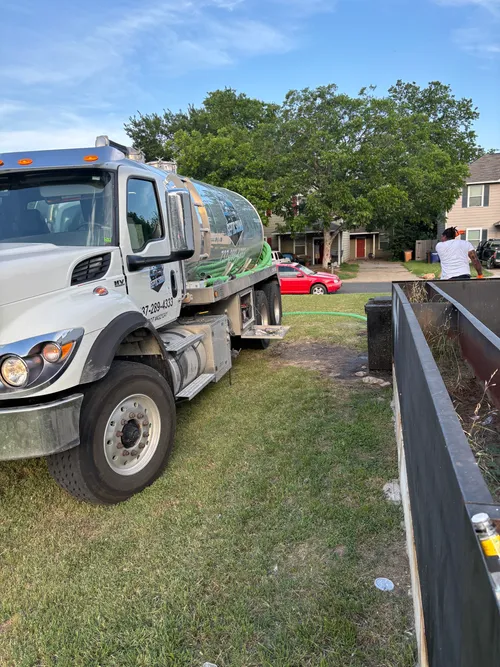
Septic Squad
Austin, TX
Septic Squad provides septic tank pumping, cleaning, and inspection services in Austin, TX, and nearby communities. They offer full system inspections, safe pumping, and grease trap cleaning to maintain residential and commercial septic systems. Their licensed technicians deliver detailed maintenance reports and conduct thorough evaluations to identify issues such as blockages or leaks. Septic Squad serves multiple counties including Williamson and Hays, covering cities like Round Rock, Cedar Park, and Kyle.
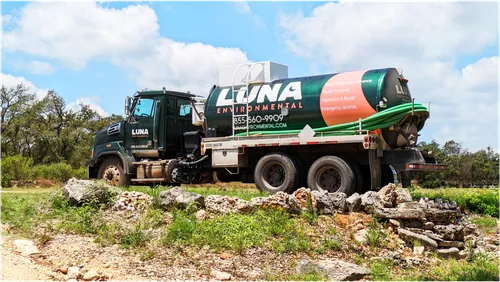
Luna Environmental
151 Las Flores Dr Suite 201, Wimberley, TX 78676
Luna Environmental is a septic service company based in Austin, TX, providing septic tank pumping, inspection, maintenance, and repair services. They serve residential and commercial clients throughout Central Texas, offering tailored solutions to keep septic systems functioning properly. The company is equipped to handle 24-hour emergency maintenance and pumping, ensuring prompt response to urgent septic issues. Luna Environmental emphasizes comprehensive reporting and environmental stewardship in their work, aiming to support sustainable septic system health and community well-being.
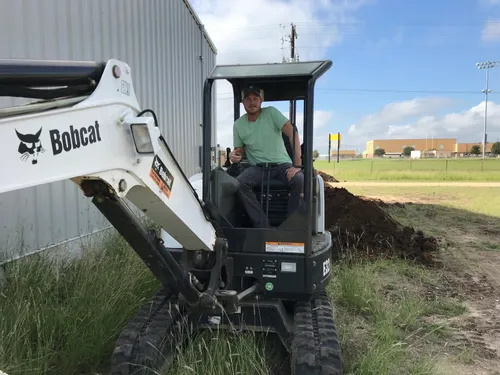
Synergy Onsite Septic Solutions
Austin, TX
Synergy Onsite Septic Solutions is a septic tank inspection, repair, and installation company based in Austin, TX. They serve Austin and Central Texas, including many surrounding communities. Their services include repairs, diagnostics, locating and marking septic systems, installation, replacements, maintenance contracts, and consulting. The company is known for providing accurate assessments and appropriate solutions to septic system issues, often helping customers avoid unnecessary repairs. They also offer assistance with inspection preparation and referrals for pumping and design services.
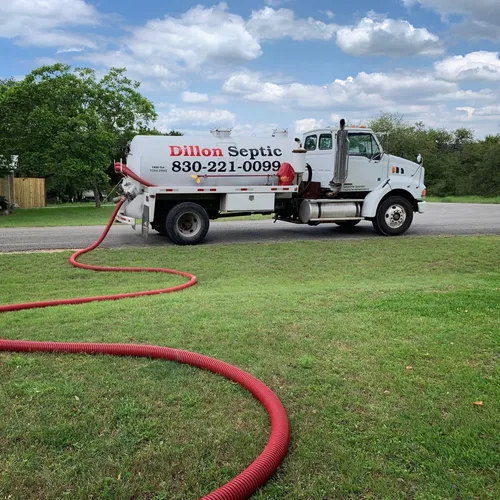
Dillon Septic
136 Sycamore Cir, Spring Branch, TX 78070
Dillon Septic offers a full range of septic services including pumping, inspections, repairs, and new installations for residential and commercial properties in San Antonio, TX. The company has years of experience and a skilled team that handles all aspects of septic system care, ensuring efficient and reliable operation. Dillon Septic is licensed and trained to provide maintenance, emergency repairs, and complete system installations with a focus on clear communication and tailored solutions.

DryNow Restoration & Plumbing
136 Sycamore Cir, Spring Branch, TX 78070
DryNow Restoration & Plumbing provides septic system services in San Antonio, TX, covering residential and commercial properties. The company offers a full range of septic solutions including pumping, inspections, repairs, and new installations. Their team is experienced in maintaining and restoring septic systems to ensure proper function and safety. DryNow Restoration & Plumbing emphasizes personalized service and clear communication to address each customer's specific needs.
Understanding Septic Systems in Hays County
In Kyle and the surrounding Hays County area, septic systems are formally known as On-Site Sewage Facilities (OSSFs). These systems are a vital part of the local infrastructure, especially in areas not served by municipal sewer lines. Texas state law, administered locally, provides the framework for their installation, operation, and maintenance. There are two primary types of systems you'll encounter: conventional (or anaerobic) systems and aerobic treatment units (ATUs).
Conventional systems rely on bacterial action in a sealed tank to break down solids, with the liquid effluent then flowing into a drain field (or leach field) for further soil-based treatment. Aerobic systems use an added mechanical component-an aerator-to pump oxygen into the tank, which supports a more aggressive bacterial process and results in a higher quality of effluent that is often sprayed over a designated area. The type of system on your property significantly impacts the inspection rules and required maintenance frequency.
Why Septic Inspections Are Non-Negotiable in Kyle
Skipping a septic system evaluation is a risk no homeowner should take. A failing system can lead to sewage backing up into your home, foul odors in your yard, and contamination of groundwater-a serious public health and environmental hazard. From a practical standpoint, a malfunctioning OSSF can cause soggy, unusable patches in your drain field and kill surrounding vegetation.
Beyond health and property concerns, there are legal and financial incentives. Hays County has specific rules, particularly for aerobic systems, which mandate a maintenance contract with a licensed provider and inspections every four months 1 2. While conventional systems don't have a state-mandated routine inspection interval, homeowners are legally responsible for ensuring their system does not create a nuisance or pollution 3. Furthermore, if you plan to sell your home, most lenders and buyers will require a passing septic inspection as a condition of the sale, making a current inspection report a powerful asset during real estate transactions 4.
What a Professional Septic System Inspection Covers
A comprehensive OSSF inspection in Kyle is a detailed process that goes far beyond just looking at the tank. A licensed inspector will evaluate the entire system from the house connection to the drain field. Here's a breakdown of what you can expect during a standard septic tank check 5:
- Locating and Accessing the Tank: The inspector first locates the tank and access lids. If "risers" (concrete or plastic tubes leading to the surface) are not installed, the inspector may need to dig to access the tank, which can add to the inspection time and cost.
- Tank Integrity and Liquid Levels: The tank is checked for structural cracks, leaks, and the condition of the inlet and outlet pipes. The liquid level inside the tank is assessed; a level that is too high can indicate a blockage, while a level that is too low may suggest a leak 6.
- Sludge and Scum Measurement: This is a critical quantitative step. The inspector measures the thickness of the sludge layer at the bottom and the scum layer at the top. If the combined sludge and scum occupy more than one-third of the tank's liquid depth, pumping is immediately recommended to prevent solids from flowing into and clogging the drain field 7.
- Baffle and Filter Inspection: The baffles (tees) at the inlet and outlet are checked to ensure they are intact and functioning. Their job is to prevent solids from exiting the tank. Many modern tanks also have an effluent filter, which requires cleaning.
- Drain Field Evaluation: The inspector will examine the drain field area for signs of failure, such as standing water (ponding), overly saturated soil, or unpleasant sewage odors. A healthy drain field is essential for the final treatment and dispersal of wastewater.
- Aerobic System Specific Checks: For homes with an ATU, the inspection is more involved. The inspector will test the aerator pump, check alarm systems, assess the quality of the treated effluent, and inspect spray heads or dispersal mechanisms for proper operation 8.
Find the perfect septic tank inspection companies for your needs
Get personalized recommendations and expert advice
Local Regulations: What Kyle Homeowners Must Know
Navigating the regulatory landscape is key to responsible septic system ownership. The Texas Commission on Environmental Quality (TCEQ) sets the statewide standards, but enforcement and permitting are handled locally by Hays County Development Services.
- Permitting: Any new installation, repair, or significant modification to an OSSF requires a permit from the county. Always verify that any work done on your system was properly permitted.
- The Aerobic System Rule: This is a major local requirement. If your home has an aerobic treatment unit, you must have a valid maintenance contract with a TCEQ-licensed Maintenance Provider. This contract typically includes the required four inspections per year, with reports submitted directly to the county by the provider. Failure to maintain this contract can result in county enforcement action.
- Inspections at Property Transfer: While Texas state law does not universally mandate a septic inspection during home sales, it is an almost universal practice in Kyle. Buyers and their lenders routinely require a full inspection and a compliance statement from a licensed inspector or professional engineer to ensure the system is functioning properly before closing.
- Homeowner Responsibility: Ultimately, the property owner is responsible for the proper operation and maintenance of their OSSF, ensuring it does not endanger public health or the environment 9.
Understanding Costs for Inspection and Maintenance
The cost of septic services in Kyle varies based on your system type, size, and accessibility. Here's a general overview based on local data:
- Routine Inspection: A standard inspection for a conventional system typically ranges from $300 to $600. The cost can be higher for aerobic systems due to the additional components tested, or if tank risers are not present and excavation is needed 10 11.
- Pumping/Cleanout: If the inspection reveals the tank needs pumping, this service usually costs between $300 and $700, depending primarily on the tank's size (commonly 1,000 to 1,500 gallons in residential settings) 12.
- Annual Maintenance Contract (Aerobic Systems): The mandatory contract for aerobic systems, covering the four annual inspections and basic servicing, generally runs between $200 and $500 per year 13 14.
Investing in these routine services is far more economical than the cost of repairing or replacing a failed drain field, which can run into the tens of thousands of dollars.
Choosing a Qualified Service Provider in Kyle
Not all septic service companies are equal. For inspections, especially those related to real estate transactions or regulatory compliance, it's essential to choose a qualified professional. Look for providers who are licensed by the TCEQ as either a Maintenance Provider (for aerobic systems) or an Installer (who can also perform inspections). They should carry proper insurance and be familiar with Hays County's specific paperwork and submission processes. Ask for a detailed report that includes all the inspection points, measurements (like sludge depth), and clear recommendations. A reputable inspector will be able to explain their findings and the relevant regulations in plain language.
Maintaining Your System Between Inspections
Professional inspections are vital, but day-to-day care extends their lifespan. Use water efficiently to avoid overloading the system. Avoid flushing anything besides human waste and toilet paper-never dispose of cooking grease, hygiene products, wipes (even "flushable" ones), or chemicals down the drain. Be mindful of what you plant over your drain field; deep-rooted trees and shrubs can damage pipes. Finally, keep a detailed record of all inspections, pumping services, and repairs. This log is invaluable for troubleshooting, proves diligent maintenance, and is a key document for future home buyers.
Frequently asked questions
Sources
Disclaimer: Regulations and costs can change. Always check with Hays County Development Services and licensed local professionals for the most current requirements and advice tailored to your specific property.
Footnotes
-
Maintenance of On-Site Sewage Facilities (Septic Systems) - https://www.tceq.texas.gov/permitting/ossf/ossfmaintenance.html ↩
-
Texas Septic System Regulations - https://dillonseptic.com/texas-septic-system-regulations/ ↩
-
Are There Regulations or Guidelines for Septic Tank Drain Field ... - https://weebeewasteservices.com/are-there-regulations-or-guidelines-for-septic-tank-drain-field-maintenance-in-texas/ ↩
-
Does Texas Require Septic Inspection | TexInspec - https://texinspec.com/does-texas-require-septic-inspection/ ↩
-
What is Included in Septic Inspection? - TexInspec - https://texinspec.com/what-is-included-in-septic-inspection/ ↩
-
SEPTIC SYSTEM INSPECTION and COMPLIANCE STATEMENT - https://berkeleylake.com/Assets/Files/Docs/Administration/Forms%20and%20Checklists/Septic%20Permit/Septic%20Tank%20Inspection%20Form.pdf ↩
-
Texas OSSF Inspection Requirements: Complete Guide for 2025 - https://www.fieldbaseos.com/blog/texas-ossf-inspection-requirements.html ↩
-
30 Tex. Admin. Code § 285.32 - Criteria for Sewage Treatment ... - https://www.law.cornell.edu/regulations/texas/30-Tex-Admin-Code-SS-285-32 ↩
-
What laws in Texas apply to septic systems? - Water School - https://brazos.org/about-us/education/water-school/articleid/349/what-laws-in-texas-apply-to-septic-systems ↩
-
Buying a Home with Septic? Inspection in Kentucky & Ohio - https://kentuckyinspectionservices.com/services/septic-inspection/ ↩
-
Septic System Inspections: A Step-by-Step How-To Guide - https://westcoastsanitationinc.com/septic-inspection-service/ ↩
-
Septic Tank Laws in Texas - https://dillonseptic.com/septic-tank-laws-in-texas/ ↩
-
Frequent Questions on Septic Systems | US EPA - https://www.epa.gov/septic/frequent-questions-septic-systems ↩
-
Pearland Septic Systems Guide | New Texas Homeowners - https://accurateplumbingtx.com/pearland-septic-systems-new-homeowner-guide/ ↩