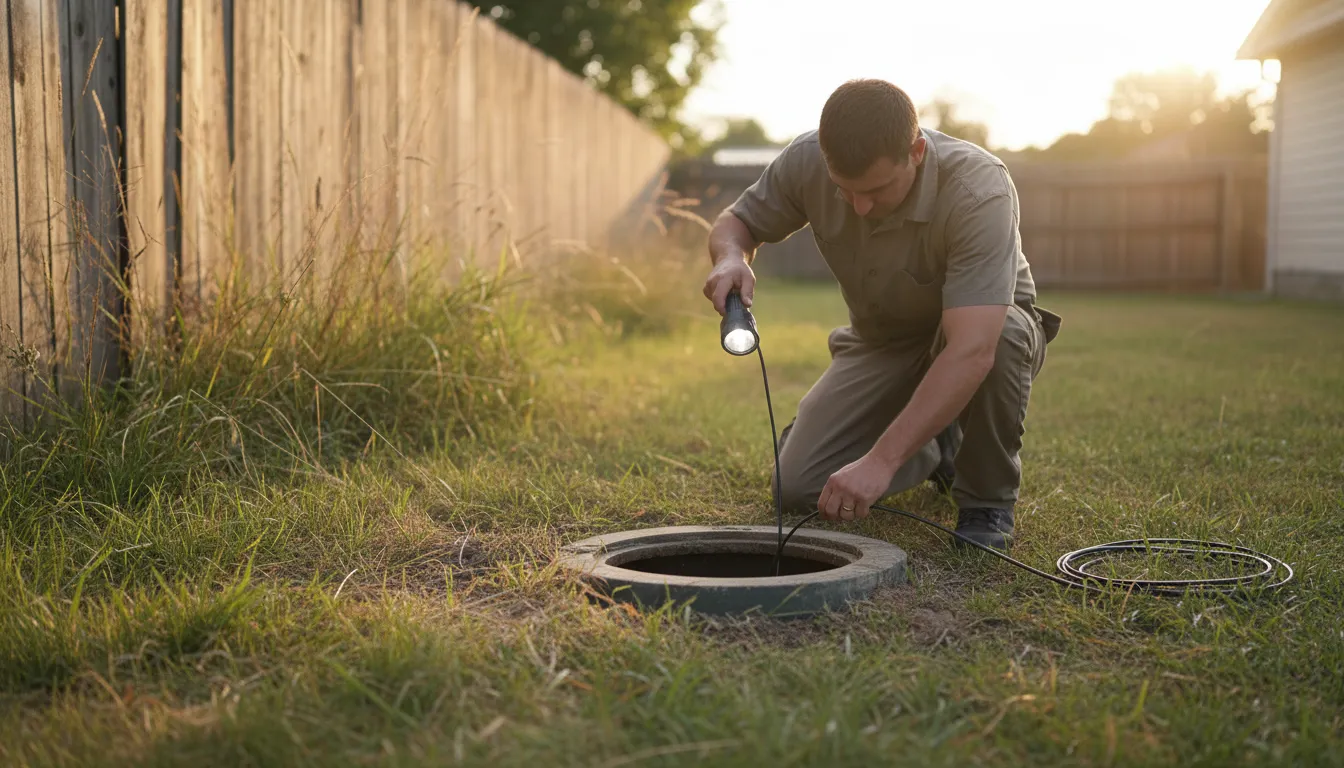
Find the Best Septic Tank Inspection Companies for Your Business
No obligation • Fast responses • Nationwide coverage

Why you can trust Septic Spot
Septic Spot is a leading United States resource for understanding and comparing septic services. Our editors review providers using consistent criteria and verify key business details. Listings and scores are independent, and companies cannot pay to influence our content.
Search providers near you
Top Septic Tank Inspection Companies in Mesquite, Texas Ranked
A septic tank inspection is a critical evaluation of your home's on-site wastewater treatment system. For homeowners in Mesquite, these assessments are essential for protecting your property value, ensuring public health, and complying with Texas environmental regulations. This guide explains what a septic system evaluation entails, why it matters for your home, and how you can find qualified local professionals to perform this vital service.
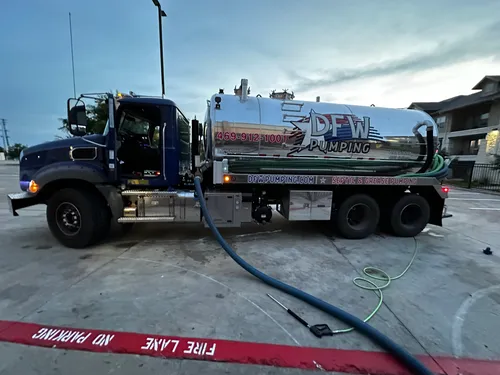
DFW Septic and Grease Services
4881 Montgomery Rd, Midlothian, TX 76065
DFW Septic and Grease Services provides septic tank pumping and inspection services in Dallas, TX. They serve both residential and commercial properties across multiple counties including Ellis, Tarrant, Dallas, Rockwall, Kaufman, Henderson, Navarro, Johnson, and Hill. Their services include septic system cleaning, grease trap maintenance, and thorough onsite inspections for various facilities such as restaurants, retirement homes, and grocery stores. The company offers expert advice and waste collection to help maintain efficient septic systems.
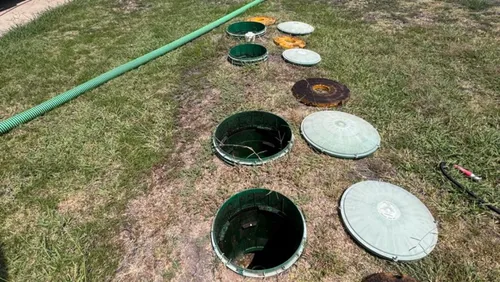
SB Septic and Sewer Service
9975 High Country Ln, Forney, TX 75126
SB Septic and Sewer Service provides septic tank inspection and septic system repair services in Dallas, TX. They serve the greater Dallas-Fort Worth area, including multiple East Texas counties such as Kaufman, Rockwall, Van Zandt, Dallas, Collin, Hunt, Tarrant, Johnson, Parker, Hood, and Ellis. The company offers photo documentation and warranties on repairs, with a licensed and insured technician team to support their work.
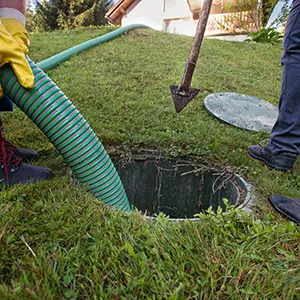
Sigma Solutions Septic Services LLC
4840 Co Rd 597, Farmersville, TX 75442
Sigma Solutions Septic Services LLC is a septic tank inspection and repair company serving Dallas, TX. They specialize in septic maintenance, including routine inspections and septic tank cleaning, to help prevent leaks, overflows, and system malfunctions. The company offers a full range of septic solutions, from initial inspections to complex repairs, using professional equipment and extensive knowledge to keep systems running efficiently. Sigma Solutions emphasizes clear communication by explaining options and pricing before starting any work.
Year Round Septic
Dallas, TX
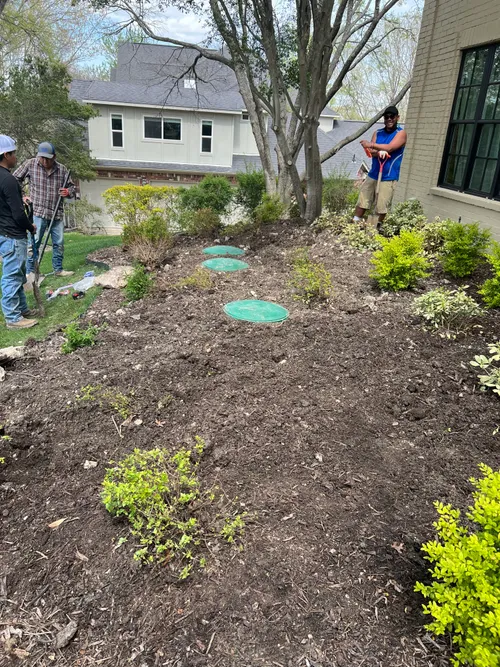
Year Round Septic is a septic service provider based in Dallas, TX. They specialize in septic tank installation for new construction and replacement projects, septic tank repair, and comprehensive septic tank inspections. The company offers 24/7 emergency services to address urgent septic system issues promptly. They also facilitate regular septic tank pumping for both residential and commercial properties to maintain system functionality and prevent problems.
A Plus Environmental LLC
Dallas, TX
A Plus Environmental LLC is a septic tank inspection, repair, and installation company based in Dallas, TX. They offer a range of services including septic tank installation, repairs, inspections, and custom septic system design. The company also provides septic system monitoring contracts that comply with TCEQ and county regulations. A Plus Environmental LLC serves Ellis, Dallas, and Kaufman counties and is a licensed and insured OSSF installer and provider. They offer emergency septic services to address urgent issues promptly.
Why Septic System Inspections Are Essential in Mesquite
In Mesquite, as in much of Texas, many homes rely on On-Site Sewage Facilities (OSSFs), commonly known as septic systems, instead of municipal sewer lines. These systems are a significant investment and a key component of your property's infrastructure. A professional inspection is the best way to verify that your system is functioning correctly, safely treating wastewater, and not posing a risk of contamination to groundwater or nearby wells 1. Regular check-ups can identify minor issues before they escalate into costly repairs or complete system failures, which can lead to unpleasant backups and environmental hazards.
Texas state law, enforced by the Texas Commission on Environmental Quality (TCEQ), sets the standards for these systems. While not every inspection is mandated by law for existing homeowners, they are highly recommended and are often required during real estate transactions, before major renovations, or if a system is suspected of failing. Proactive maintenance through inspections is far less expensive than emergency repairs or a full system replacement.
Understanding Texas and Mesquite Septic System Regulations
Septic systems in Texas are regulated by the TCEQ, with local oversight often provided by county health departments, such as Dallas County Health and Human Services 2. These regulations are designed to protect water quality and public health. Key rules that impact inspections and maintenance include:
- System Setbacks: Your septic tank and drain field must be located specific distances from other features. Common Texas setbacks include at least 50 feet from a private water well, 10 feet from property lines, and 10 feet from buildings 3 4.
- Inspection Frequency: For conventional (gravity) systems, the TCEQ and EPA recommend an inspection every 1 to 3 years. Pumping is typically needed every 3 to 5 years, depending on household size and water usage.
- Aerobic System Requirements: If your home has an aerobic treatment unit (ATU), state law requires a maintenance contract with a licensed provider. These systems must be inspected by a professional at least once every four months, making regular service visits a legal necessity.
- Licensing: Always ensure your inspector or maintenance provider is licensed by the state of Texas. A licensed professional will be familiar with all TCEQ guidelines and local Dallas County codes.
What Does a Comprehensive Septic Inspection Include?
A thorough septic system evaluation goes beyond just looking at the tank. A qualified inspector will perform a multi-step process to assess the entire system's health 5.
1. Locating and Accessing the System The inspector will first locate all components of your system, including the tank, distribution box, and drain field. This may involve reviewing property records or using probing tools. The tank lids are then carefully opened to allow for internal examination.
2. Assessing Tank Conditions and Levels This is the core of the inspection. The professional will:
- Check Liquid Levels: The liquid level in the tank is measured. A level that is too high can indicate a blockage in the outlet pipe or a failing drain field 6.
- Measure Sludge and Scum: Using specialized tools, the inspector measures the depth of the sludge layer (solid waste at the bottom) and the scum layer (grease and floating solids at the top). If the combined sludge and scum exceed one-third of the tank's liquid depth, pumping is immediately recommended to prevent solids from flowing into the drain field 7 8.
- Inspect Tank Structure: The interior walls, baffles (or tees), and inlet/outlet pipes are examined for cracks, corrosion, or damage. Compromised baffles can allow solids to escape and clog the drain field.
3. Evaluating the Drain Field The inspector will examine the area above and around the drain field (leach field) for tell-tale signs of failure:
- Surfacing sewage or effluent
- Unusually soggy, spongy, or bright green grass
- Foul odors emanating from the soil
4. Functional Flow Test (If Applicable) In some inspections, particularly for real estate, the inspector may introduce water into the home's plumbing system to check for slow drainage or backups, which can indicate a system struggling to handle its load.
Find the perfect septic tank inspection companies for your needs
Get personalized recommendations and expert advice
Conventional vs. Aerobic Systems: Inspection Differences
Understanding your system type is crucial, as it dictates the inspection protocol and legal requirements.
- Conventional Gravity Systems: These are the most common type. They rely on gravity to move liquids from the tank to the drain field. Inspections focus on the tank's internal condition, sludge levels, and the visual health of the drain field. An inspection every 1-3 years is sufficient for maintenance purposes.
- Aerobic Treatment Systems (ATS): These systems use an electric pump to inject air into the treatment tank, accelerating the breakdown of waste. They are often used where soil conditions are poor. Critical Point: Aerobic systems have mechanical components (air pumps, spray heads) that require frequent monitoring. Texas law mandates that they be inspected and serviced by a licensed maintenance provider every four months 9 10. These inspections check electrical components, alarms, spray heads, and the clarity of the treated effluent.
What to Expect: Inspection Duration and Cost
How long does it take? A standard septic inspection for a conventional system typically takes between 1 to 3 hours, depending on the ease of locating the system components and the property's size 11. Aerobic system maintenance visits are usually quicker, as they are part of a routine service contract.
What does it cost? Costs in the Mesquite area can vary based on system type, tank size, and property specifics.
- Septic Inspection: A standard inspection typically ranges from $250 to $600 or more 12. Real estate transfer inspections or those requiring a detailed report may be on the higher end.
- Septic Pumping: If pumping is recommended during the inspection, this is a separate service. Pumping costs generally range from $300 to $600, influenced by tank size (e.g., 1,000-gallon vs. 1,500-gallon) and the amount of waste removed.
- Aerobic System Maintenance: These are usually covered under an annual contract, with individual service visits typically costing between $150 and $300+ per visit 13. Given the required four-month schedule, annual costs are a necessary budget item for aerobic system owners.
Preparing for a Septic Inspection
To ensure a smooth and efficient inspection process, homeowners can take a few simple steps:
- Locate Your Records: Have any available system diagrams, maintenance records, or permit information ready for the inspector.
- Clear Access: Ensure the area around the septic tank lids and the drain field is clear of vehicles, lawn furniture, sheds, or overgrown vegetation.
- Know Your System: Be able to tell the inspector the location of your tank and drain field, if known, and whether you have a conventional or aerobic system.
- Be Available: Plan to be home during the inspection to provide access and answer any questions about your household's water usage.
The Consequences of Neglecting Septic Inspections
Skipping regular septic system check-ups can lead to severe and expensive problems:
- System Failure: A clogged or failing drain field can cause sewage to back up into your home or bubble up in your yard, creating a health hazard and requiring a costly replacement.
- Property Damage: Sewage backups can ruin floors, drywall, and personal belongings.
- Environmental Contamination: A leaking tank or failed field can contaminate groundwater, nearby wells, and surface water with harmful bacteria and nutrients.
- Legal and Financial Liability: You could be held responsible for contamination cleanup costs and may face fines from regulatory agencies. A failing system will also likely fail a real estate inspection, jeopardizing a home sale.
Finding a Qualified Inspector in Mesquite
When searching for a septic service professional, prioritize licensed, insured, and experienced providers. Look for companies with specific knowledge of TCEQ regulations and local Dallas County requirements. Read reviews, ask for references, and ensure they provide a detailed written report of their findings. A reputable inspector will clearly explain their process, what they found, and any recommended actions, without using high-pressure sales tactics.
Frequently asked questions
Sources
Footnotes
-
Frequent Questions on Septic Systems | US EPA - https://www.epa.gov/septic/frequent-questions-septic-systems ↩
-
Basics for Septic Systems - https://www.tceq.texas.gov/assistance/water/fyiossfs.html ↩
-
Texas Septic Tank Rules - https://dillonseptic.com/texas-septic-tank-rules/ ↩
-
Texas Septic System Regulations - https://dillonseptic.com/texas-septic-system-regulations/ ↩
-
Septic System Inspections - InterNACHI® - https://www.nachi.org/inspecting-septic-systems.htm ↩
-
What is Included in Septic Inspection? - TexInspec - https://texinspec.com/what-is-included-in-septic-inspection/ ↩
-
What is involved in a septic inspection for a house? - https://www.facebook.com/groups/198549713999592/posts/2276842636170279/ ↩
-
How to Get Septic to Pass Inspection - https://www.guardianangelinspections.com/how-to-get-septic-to-pass-inspection ↩
-
Advice for an Owner of an On-Site Sewage Facility (Septic System) - https://www.tceq.texas.gov/permitting/ossf/ossfadvice.html ↩
-
Maintenance of On-Site Sewage Facilities (Septic Systems) - https://www.tceq.texas.gov/permitting/ossf/ossfmaintenance.html ↩
-
How long does a septic inspection take in Dallas, Fort Worth? - https://texinspec.com/how-long-does-a-septic-inspection-take-in-dallas-fort-worth/ ↩
-
What's Entailed in Septic Inspections - https://septiccleanings.com/blog/septic-inspections/ ↩
-
Average Cost to Install Septic System in Texas - https://dillonseptic.com/average-cost-to-install-septic-system-in-texas/ ↩