Find the Best Septic Tank Inspection Companies for Your Business
No obligation • Fast responses • Nationwide coverage

Why you can trust Septic Spot
Septic Spot is a leading United States resource for understanding and comparing septic services. Our editors review providers using consistent criteria and verify key business details. Listings and scores are independent, and companies cannot pay to influence our content.
Search providers near you
Top Septic Tank Inspection Companies in North Richland Hills, Texas Ranked
A septic tank inspection is a critical evaluation of your on-site sewage facility (OSSF) to ensure it is functioning safely and legally. In North Richland Hills, these assessments are vital for protecting your property value, your family's health, and the local environment. This guide will help you understand the local requirements, what happens during an inspection, and how to find qualified professionals to evaluate your system.
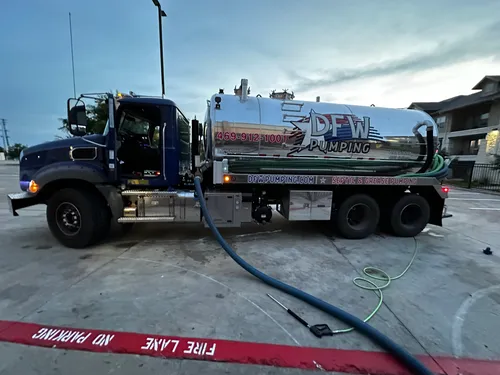
DFW Septic and Grease Services
4881 Montgomery Rd, Midlothian, TX 76065
DFW Septic and Grease Services provides septic tank pumping and inspection services in Dallas, TX. They serve both residential and commercial properties across multiple counties including Ellis, Tarrant, Dallas, Rockwall, Kaufman, Henderson, Navarro, Johnson, and Hill. Their services include septic system cleaning, grease trap maintenance, and thorough onsite inspections for various facilities such as restaurants, retirement homes, and grocery stores. The company offers expert advice and waste collection to help maintain efficient septic systems.

Ninnis Home Inspection
Clubview Dr, Argyle, TX 76226
Ninnis Home Inspection provides certified home inspection services in Dallas, TX, and the surrounding DFW Metroplex area. Their offerings include septic tank inspections, buyers and sellers inspections, pool and spa inspections, water well testing, and new build phase inspections. The company is Texas Real Estate Commission (TREC) certified and serves multiple locations such as Argyle, Denton, Keller, Frisco, and Plano. Ninnis Home Inspection focuses on detailed and thorough inspections to help clients make informed decisions about their homes.
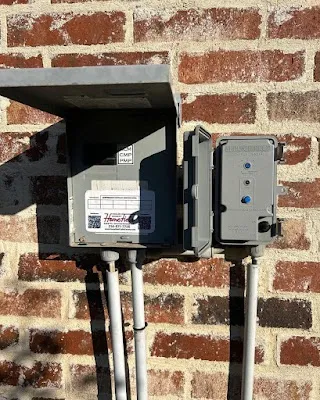
HomeField Parker County
617 Pine St, Aledo, TX 76008
HomeField Parker County is a septic service provider based in Fort Worth, TX, offering comprehensive septic system solutions for both residential and commercial clients. Their services include septic tank pumping, inspections, repairs, installations, drain field replacement, and system design. They also provide real estate septic inspections and maintenance plans to help customers stay compliant with local regulations. HomeField Parker County serves Parker, Johnson, and Hood counties, bringing local expertise to every job. Their team is equipped to handle emergency septic repairs and routine maintenance, ensuring systems operate efficiently and meet current standards.

Inspect360
8074 Precinct Line Rd, Colleyville, TX 76034
Inspect360 is a septic tank inspection company based in Dallas, TX, offering professional home and commercial inspection services throughout the Dallas-Fort Worth Metroplex and East Texas. Since 2006, their certified master inspectors have provided specialized inspections including septic, termite, pool, sprinkler, and sewer scope inspections. They use state-of-the-art software to deliver inspection reports within 24 hours, complete with digital photos and detailed findings. Inspect360 also offers complimentary home assistant services with each inspection.
SB Septic and Sewer Ft Worth
8204 FM1902, Joshua, TX 76058
SB Septic and Sewer Ft Worth is a septic tank inspection and repair company based in Fort Worth, TX. They provide septic and sewer services across the greater Dallas-Fort Worth area, including multiple East Texas counties. The company offers photo documentation and warranties on repairs, with a licensed and insured technician team to support their work.
Why Septic System Inspections Are Required in North Richland Hills
Property owners in North Richland Hills are responsible for the proper maintenance of their wastewater systems 1. While state and local codes don't mandate annual inspections for all systems, they are often triggered by specific events. A common reason is a property sale, where a septic evaluation is a standard part of the real estate transaction to satisfy lender and buyer concerns 2. Furthermore, the Texas Commission on Environmental Quality (TCEQ) recommends regular checks, and local ordinances have specific triggers. For instance, if a building has been without electrical service for 12 months or more, the septic system must be certified as functional by the local health department before power can be reconnected 1 3. Staying ahead of these requirements with proactive inspections can prevent costly legal and repair headaches down the line.
Understanding Local Regulations and Permits
Navigating the rules for on-site sewage systems in Texas starts with the TCEQ, which sets the design and performance standards for all OSSFs. In North Richland Hills, additional local permits come into play. Any liquid waste hauler-including companies that pump septic tanks-must obtain a permit from the city and have their vehicles inspected annually. This local oversight helps ensure that waste is transported and disposed of properly. When you hire a professional for a septic tank inspection or pumping, verifying they hold this local permit is a good first step. For specific questions about system compliance or permitting, you can contact the North Richland Hills Health Department or consult the TCEQ's On-Site Sewage Facilities program resources.
What a Comprehensive Septic Inspection Involves
A thorough septic system evaluation is more than just looking into the tank. A qualified inspector will follow a detailed process to assess the entire system's health, from the house to the drain field.
1. Locating and Gaining Access The first step is often finding the tank and drain field, especially if the property records are unclear or risers (access ports to the surface) are not installed. Inspectors may use probing tools or electronic locators. If the tank lid is buried, digging to access it may incur an additional fee.
2. Tank Integrity and Internal Inspection Once opened, the inspector checks the tank's structure for cracks, leaks, or signs of deterioration. They will examine the inlet and outlet baffles (or tees) to ensure they are intact, which is crucial for preventing solids from flowing into the drain field 4. The condition of any effluent filter is also noted and cleaned if necessary.
3. Sludge and Scum Level Measurement This is a key quantitative part of the inspection. Using specialized tools, the inspector measures the depth of the sludge layer at the bottom and the scum layer at the top. These measurements determine if the tank needs to be pumped. As a rule, pumping is recommended when the sludge depth is within 12 inches of the bottom of the outlet baffle or the scum layer is within 3 inches of the top of the baffle 5.
4. Drain Field Evaluation The inspector will walk the drain field area looking for telltale signs of failure. This includes soggy or spongy soil, standing water (ponding), foul odors, or unusually lush grass growth. These symptoms indicate that the soil is no longer absorbing and treating the liquid effluent, which is a serious issue.
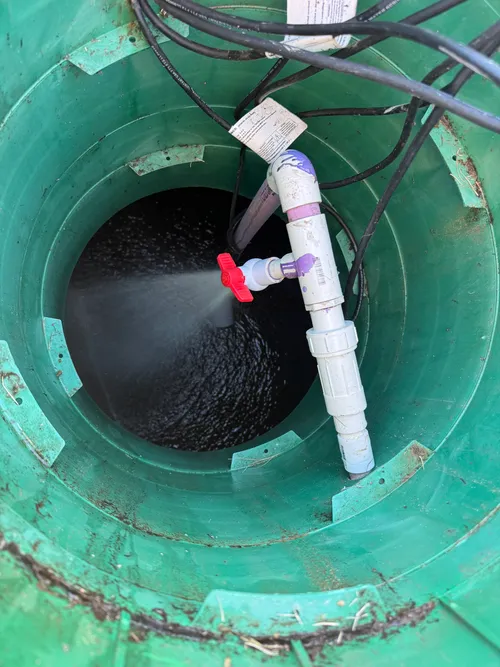
5. Component Testing for Aerobic Systems Many homes in the region use aerobic treatment units (ATUs), which have mechanical components. For these systems, the inspection includes testing the air pump, aerators, spray heads, and alarm systems to ensure everything is operating correctly 6 7.
Inspection Frequency and Maintenance Schedules
How often you need a septic system check depends largely on the type of system you have and local guidelines.
- Conventional (Anaerobic) Systems: The TCEQ and most experts recommend inspecting and pumping conventional septic tanks every 3 to 5 years, depending on household size and usage 8 9. An inspection can determine the exact pumping schedule needed.
- Aerobic Treatment Units (ATUs): These more complex systems require much more frequent attention. State law typically requires aerobic systems to be inspected and maintained under a contract with a licensed maintenance provider, often every 4 months (three times per year) 10 11. This regular service is non-negotiable for keeping the system's mechanical parts functioning and its state permit in good standing.
Adhering to these schedules is the best way to extend the life of your system and avoid premature-and very expensive-drain field replacement.
Cost Expectations for Inspection and Pumping
Understanding potential costs helps in budgeting for this essential home maintenance. Prices can vary based on system size, complexity, and accessibility.
- Basic Septic Inspection: A standard inspection for a conventional system typically ranges from $200 to $500 12. The cost may be higher for aerobic systems due to the additional component checks, or if the inspection is a comprehensive evaluation for a real estate transaction.
- Septic Tank Pumping: If the inspection reveals the tank needs to be emptied, pumping costs in the North Richland Hills area generally range from $300 to $600 or more 13. The final price depends on tank size (in gallons) and the hauler's distance to the approved disposal facility.
- Additional Fees: Be aware that there may be extra charges for locating a buried tank, digging to expose the lid, or for repairs noted during the inspection, such as replacing a broken baffle 14.
Find the perfect septic tank inspection companies for your needs
Get personalized recommendations and expert advice
The Consequences of a Failing System
Ignoring septic system maintenance can lead to inspection failures, which have serious ramifications. A failing drain field can cause sewage to back up into your home or surface in your yard, creating a health hazard. Environmentally, it can contaminate groundwater. From a legal and financial perspective, you could face fines from the city or TCEQ for creating a nuisance or public health threat 15. Furthermore, an uncertified system can derail a property sale, as no buyer or lender will proceed without a clean inspection report. Proactive inspections are a small investment compared to the cost of a full system replacement, which can run into the tens of thousands of dollars.
Choosing a Qualified Inspection Professional
Selecting the right person for the job is crucial. Look for a licensed septic system inspector or a reputable pumping company that also offers inspection services. Ensure they are familiar with both TCEQ regulations and North Richland Hills local codes. As mentioned, liquid waste haulers must have a city permit 16. Don't hesitate to ask for proof of licensing, insurance, and local permits. A good inspector will provide a detailed written report after the evaluation, explaining their findings, any necessary repairs, and recommended pumping intervals. You can verify qualified professionals through the TCEQ website or by contacting the local health department for recommendations.
Interpreting Your Inspection Report
After the inspection, you should receive a formal report. This document is your roadmap for maintenance. It should clearly state:
- The condition of the tank (structure, baffles).
- The measured sludge and scum levels.
- The observed condition of the drain field.
- For aerobic systems, the operational status of all pumps and alarms.
- A clear recommendation: either "System Passed" or "System Failed," with specific reasons for any failure.
- A list of any required repairs and a recommendation for when to pump the tank.
Keep this report with your important home maintenance records. It will be invaluable for future service and is essential documentation if you plan to sell your home.
Frequently asked questions
Sources
Footnotes
-
SEWER CONNECTIONS AND ON-SITE DISPOSAL SYSTEMS - https://ecode360.com/46057903 ↩ ↩2
-
Does Texas Require Septic Inspection - TexInspec - https://texinspec.com/does-texas-require-septic-inspection/ ↩
-
Septic Tank Laws in Texas - https://dillonseptic.com/septic-tank-laws-in-texas/ ↩
-
Septic System - Texas Water Resources Institute - https://twri.tamu.edu/wp-content/uploads/2024/04/em-126-septic-system-maintenance-inspection-pocket-guide.pdf ↩
-
What to Expect from a Septic Inspection - https://www.wrenvironmental.com/blog/2023/may/what-to-expect-from-a-septic-inspection/ ↩
-
Texas OSSF Inspection Requirements: Complete Guide for 2025 - https://www.fieldbaseos.com/blog/texas-ossf-inspection-requirements.html ↩
-
Do's and Don'ts of Septic Tanks and Drain Fields - https://northtexasaerobicseptic.com/dos-and-donts ↩
-
How to Check and Maintain a Conventional (Anaerobic) OSSF System - https://www.youtube.com/watch?v=TU4Qo9BIn-8 ↩
-
Maintenance of On-Site Sewage Facilities (Septic Systems) - https://www.tceq.texas.gov/permitting/ossf/ossfmaintenance.html ↩
-
The Basics - https://www.flowermound.gov/1257/General-Information ↩
-
Texas Septic System Regulations - https://dillonseptic.com/texas-septic-system-regulations/ ↩
-
Septic Tank Inspection Report: How to Read It Correctly - https://dandhsepticservices.com/septic-tank-inspection-report/ ↩
-
Septic System Inspections: A Step-by-Step How-To Guide - https://westcoastsanitationinc.com/septic-inspection-service/ ↩
-
Septic Systems - https://housetohomeinspector.com/septic-systems ↩
-
What laws in Texas apply to septic systems? - Water School - https://brazos.org/about-us/education/water-school/articleid/349/what-laws-in-texas-apply-to-septic-systems ↩
-
Waste Hauler Permit | North Richland Hills, TX - Official Website - https://www.nrhtx.com/279/Waste-Haulers ↩