Find the Best Septic Tank Inspection Companies for Your Business
No obligation • Fast responses • Nationwide coverage

Why you can trust Septic Spot
Septic Spot is a leading United States resource for understanding and comparing septic services. Our editors review providers using consistent criteria and verify key business details. Listings and scores are independent, and companies cannot pay to influence our content.
Search providers near you
Top Septic Tank Inspection Companies in Temple, Texas Ranked
A septic tank inspection is a critical evaluation of your onsite sewage facility (OSSF) to ensure it is functioning safely and in compliance with local and state regulations. For homeowners in Temple, these assessments are essential for protecting your property value, preventing environmental contamination, and avoiding costly system failures. This guide will help you understand the inspection process, local requirements, and how to find qualified professionals to evaluate your septic system.
Hometown Septic Services
Austin, TX
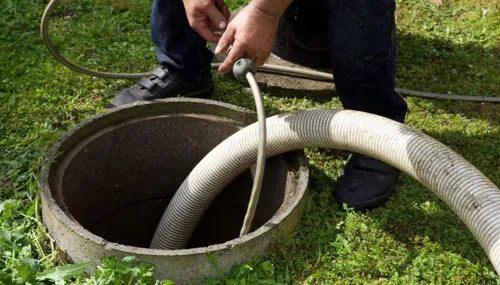
Hometown Septic Services provides comprehensive septic system solutions in Austin, TX, and surrounding communities. They serve both residential and commercial clients, offering services such as septic tank pumping, inspections, repairs, and pump replacements. The company specializes in septic pump repairs to ensure efficient wastewater management and compliance with local regulations. Hometown Septic also offers emergency septic services to address urgent system failures promptly. Their team is equipped to handle a wide range of septic system needs, maintaining system functionality and preventing future issues.

Heart of Texas Pumping LLC
Waco, TX
Heart of Texas Pumping LLC provides septic tank pumping and inspection services in Waco, TX, and surrounding Central Texas communities including Temple, Belton, Moody, and Salado. They serve residential, commercial, and agricultural clients with comprehensive septic solutions such as routine pumping, sludge removal, and emergency cleanouts. The company uses advanced camera imaging and locating tools to diagnose septic issues without unnecessary digging. They offer 24/7 emergency septic pumping to address urgent system failures. With years of hands-on experience, their licensed and insured technicians prioritize safety and environmental responsibility in every job.
Best Texas Septic
11244 TX-36 Unit D, Temple, TX 76504
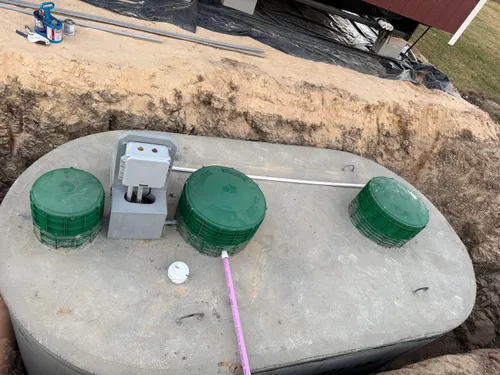
Best Texas Septic is a septic tank pumping, inspection, and repair company serving Killeen, TX. They provide professional septic system services for both residential and commercial properties, focusing on tailored solutions to meet specific property needs. The company emphasizes long-term care and preventative maintenance to extend the life of septic systems. They handle emergency service calls promptly, including weekends, aiming to respond within 48 hours and often the same day.
K&M Contracting LLC
Waco, TX
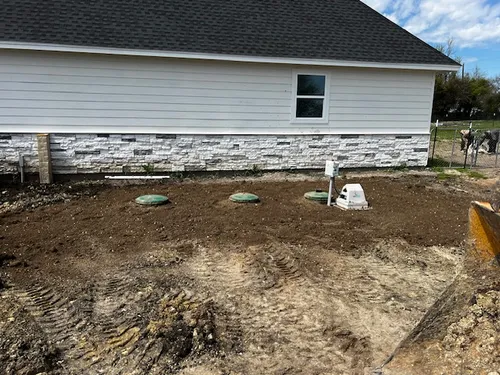
K&M Contracting LLC provides septic system installation, inspection, and repair services in Waco, TX, and the surrounding Central Texas region. They specialize in septic solutions for homeowners, businesses, and property developers, with expertise in local soil conditions and regulatory requirements. The company serves areas including Waco, Woodway, Hewitt, Robinson, Bellmead, China Spring, and Lorena. K&M Contracting offers tailored septic system services designed to address challenges such as clay-heavy soils and fluctuating water tables common in Central Texas.

All About Septic
4631 US-190, Belton, TX 76513
All About Septic is a septic tank inspection and repair company serving Killeen, TX, and surrounding areas. They specialize in maintaining and repairing various aerobic septic systems, including Pro Flo, Clearstream, Nayadic, Norweco Singulair Green, Aqua Aire, and Enviro Flo. With over 16 years of experience, the company offers expertise in evaluating and servicing septic systems to ensure they meet property needs and environmental standards.
Understanding Septic Systems in Bell County
In Temple and throughout Bell County, septic systems are regulated by a combination of state and local authorities. The Texas Commission on Environmental Quality (TCEQ) sets the overarching standards under Title 30, Chapter 285 of the Texas Administrative Code (30 TAC 285). Locally, the Bell County Environmental Health Services Department administers permits and enforces these rules for any new installation, modification, or repair of an OSSF.
There are primarily two types of systems in the area: conventional (anaerobic) systems and aerobic treatment units (ATUs). The type of system you have significantly impacts its maintenance and inspection requirements. A conventional system relies on bacterial activity in an oxygen-free tank and a drain field for final treatment, while an aerobic system uses pumps to inject air, accelerating the treatment process before effluent is dispersed.
Why Septic Inspections Are Necessary
Regular septic system evaluations are not just a good idea-they are often a legal and practical necessity. For homeowners, a thorough inspection can identify problems like sludge buildup, cracked tanks, or failing drain fields before they lead to sewage backups or property damage. For buyers and sellers, a passing inspection is frequently a contingency in real estate transactions to ensure the system is sound and legally compliant.
State law mandates that all aerobic systems must be under a maintenance contract with a licensed provider, which includes inspections several times a year. Even if you have a conventional system not under contract, proactive inspections are the key to long-term system health and avoiding violations.
The Septic Inspection Process: A Step-by-Step Look
A professional septic inspection in Temple is a detailed process. Here's what you can expect a qualified inspector to do:
1. Locating and Accessing the System: The inspector will first locate the tank and drain field, often using probe rods or diagrams. They will then excavate to uncover the inspection ports and manhole cover.
2. Tank Integrity and Component Check: The inspector examines the tank structure for cracks, leaks, or corrosion. They check the inlet and outlet baffles or tees to ensure they are intact, as damaged baffles can allow solids to clog the drain field 1.
3. Sludge and Scum Measurement: This is a core part of the inspection. Using specialized tools, the inspector measures the depth of the sludge layer at the bottom of the tank and the scum layer floating on top. If the combined sludge and scum occupy more than one-third of the tank's liquid depth, pumping is immediately recommended 2.
4. Drain Field Evaluation: The inspector surveys the drain field area for telltale signs of failure. This includes looking for soggy ground, standing water (ponding), foul odors, or unusually lush grass-all indicators that the field is saturated and not properly absorbing treated effluent 3 4.
5. Functional Flow Test: The inspector may run water from the house to verify that wastewater flows properly into the tank and that the liquid level inside the tank is normal, indicating no blockages in the inlet or outlet pipes 5.
6. Special Checks for Aerobic Systems: If you have an ATU, the inspection is more involved. The inspector will test the aerator or air pump, check all electrical controls and alarms, and verify that the disinfection component (like a chlorinator) is working if present.
Find the perfect septic tank inspection companies for your needs
Get personalized recommendations and expert advice
Local Permitting and Legal Requirements
Before any new septic system is installed or an existing one is significantly repaired, a permit from Bell County is required 6. The process begins with a site evaluation conducted by a licensed site evaluator or professional engineer. This evaluation tests soil permeability (percolation rate) and determines the appropriate size and type of system for your property 7 8.
It's the homeowner's ultimate responsibility to ensure their system is operational and does not create a public health nuisance. A failing system that discharges sewage to the surface is a violation of state law and can result in significant fines and mandated repairs 9. Regular inspections are your best defense against reaching this point.
Inspection Costs and What Influences Price
The cost of a septic inspection in Temple varies based on the type of system and the scope of service. Here's a general breakdown:
- Standard Inspection (Conventional System): Typically ranges from $250 to $500. This is common for real estate transactions or routine checks and includes the visual assessment, sludge measurement, and drain field evaluation 10 11.
- Aerobic System Maintenance Inspection: Usually costs between $150 and $250 per visit. These are more frequent but may be less comprehensive individually, as they are often part of an annual maintenance contract 12.
- Pumping Combined with Inspection: If pumping is needed or requested, costs add $300 to $600 or more, heavily dependent on tank size (common residential tanks are 750 to 1,500 gallons) 13 14.
The final price can be affected by:
- Tank Accessibility: Difficult-to-reach or deeply buried tanks require more labor.
- System Type and Complexity: Aerobic systems require more time to inspect.
- Property Size: Locating a drain field on a large lot can take additional time.
Maintaining Your System Between Inspections
An inspection tells you the current state of your system, but proper daily maintenance determines its future. For conventional systems, TCEQ and industry experts recommend pumping the tank every 3 to 5 years, but the actual frequency depends on household size and usage. An inspection will provide a personalized recommendation.
For aerobic systems, adhering to your maintenance contract is non-negotiable. These contracts typically require inspections and servicing 3 to 4 times per year to keep mechanical parts functioning and ensure the system meets its treatment standards.
All homeowners should practice good septic habits: conserve water, avoid flushing anything besides human waste and toilet paper, and never pour grease or harsh chemicals down the drain. Directing roof drains and surface water away from your drain field is also crucial.
Finding a Qualified Inspection Provider in Temple
When seeking a septic evaluation, always verify the provider's credentials. They should be licensed by the TCEQ as a Licensed Site Evaluator (LSE) or a Registered Sanitarian, or work under such a license. For aerobic systems, ensure the provider is specifically licensed to maintain and inspect ATUs.
Look for companies with strong local knowledge of Bell County's soil conditions and permit procedures. A reputable inspector will provide a detailed written report with findings, photos, and clear recommendations for any necessary repairs or maintenance.
Frequently asked questions
Sources
Footnotes
-
What is Included in Septic Inspection? - TexInspec - https://texinspec.com/what-is-included-in-septic-inspection/ ↩
-
Septic Pumping and OWTS Inspections Onsite Wastewater Treatment System (OWTS) inspections can occur for many reasons. Currently - https://highplainssanitation.com/wp-content/uploads/inspection_info.pdf ↩
-
What to Check When Buying A Home with a Septic System - https://1strateinspections.com/first-5-things-to-check-when-buying-a-home-with-a-septic-system-in-houston/ ↩
-
Use Permits & Inspections - https://www.cosepticmr.com/post/use-permits-inspections ↩
-
How to Get Septic to Pass Inspection - https://www.guardianangelinspections.com/how-to-get-septic-to-pass-inspection ↩
-
Getting a Permit for an OSSF - Such as a Septic System - https://www.tceq.texas.gov/permitting/ossf/ossfpermits.html ↩
-
Basics for Septic Systems - https://www.tceq.texas.gov/assistance/water/fyiossfs.html ↩
-
SEPTIC SYSTEM LAWS IN TEXAS - https://www.terseptic.com/posts/septic-systems-its-the-law ↩
-
What laws in Texas apply to septic systems? - Water School - https://brazos.org/about-us/education/water-school/articleid/349/what-laws-in-texas-apply-to-septic-systems ↩
-
Texas OSSF Inspection Requirements: Complete Guide for 2025 - https://www.fieldbaseos.com/blog/texas-ossf-inspection-requirements.html ↩
-
Does Texas Require Septic Inspection - TexInspec - https://texinspec.com/does-texas-require-septic-inspection/ ↩
-
Septic Tank Laws in Texas - https://dillonseptic.com/septic-tank-laws-in-texas/ ↩
-
Texas Septic System Regulations - https://dillonseptic.com/texas-septic-system-regulations/ ↩
-
Texas Septic Tank Rules - https://dillonseptic.com/texas-septic-tank-rules/ ↩