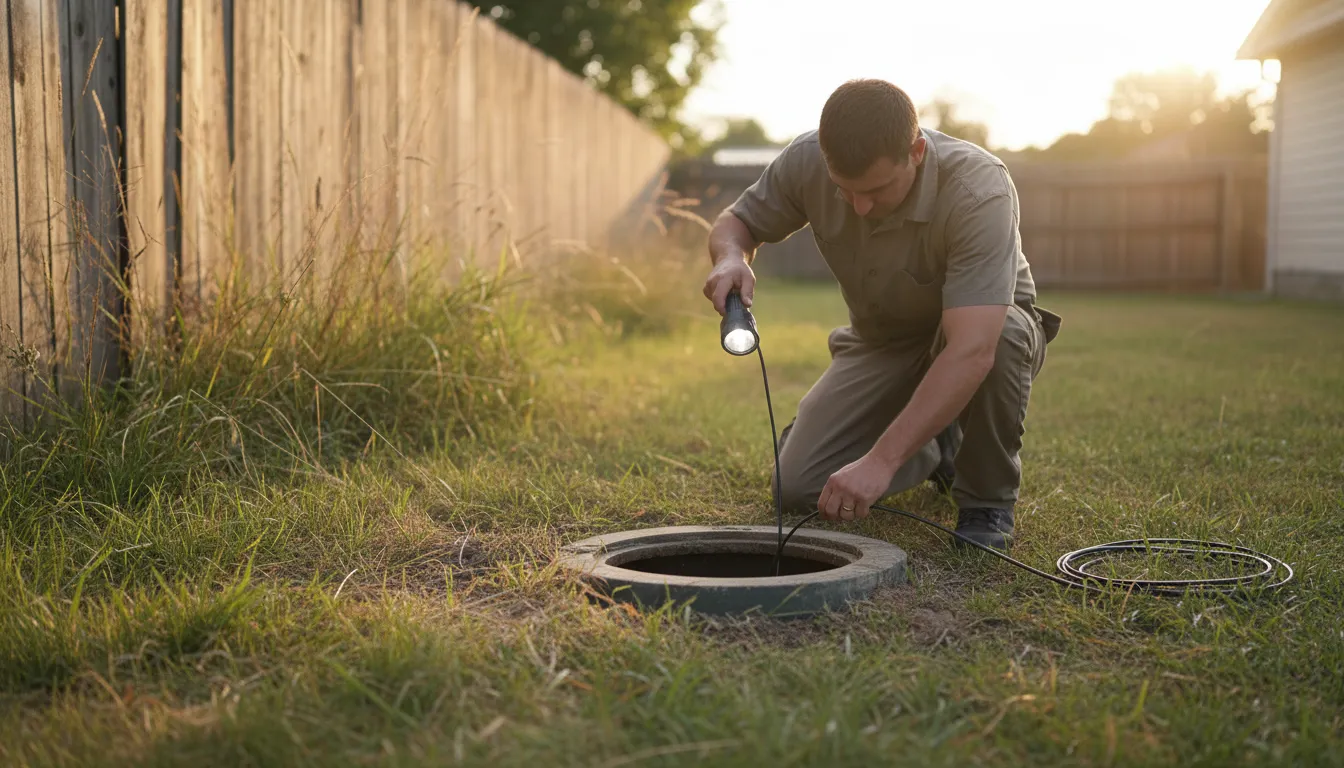
Find the Best Septic Tank Inspection Companies for Your Business
No obligation • Fast responses • Nationwide coverage

Why you can trust Septic Spot
Septic Spot is a leading United States resource for understanding and comparing septic services. Our editors review providers using consistent criteria and verify key business details. Listings and scores are independent, and companies cannot pay to influence our content.
Search providers near you
Top Septic Tank Inspection Companies in The Colony, Texas Ranked
A septic tank inspection is a critical evaluation of your onsite sewage facility (OSSF) to ensure it is functioning safely and in compliance with local regulations. For homeowners in The Colony, these system checks are essential for protecting your property value, preventing environmental contamination, and avoiding costly emergency repairs. This guide explains the local requirements, inspection process, and how to connect with qualified professionals to maintain your septic system's health.

Ninnis Home Inspection
Clubview Dr, Argyle, TX 76226
Ninnis Home Inspection provides certified home inspection services in Dallas, TX, and the surrounding DFW Metroplex area. Their offerings include septic tank inspections, buyers and sellers inspections, pool and spa inspections, water well testing, and new build phase inspections. The company is Texas Real Estate Commission (TREC) certified and serves multiple locations such as Argyle, Denton, Keller, Frisco, and Plano. Ninnis Home Inspection focuses on detailed and thorough inspections to help clients make informed decisions about their homes.
Inspect360
8074 Precinct Line Rd, Colleyville, TX 76034
Inspect360 is a septic tank inspection company based in Dallas, TX, offering professional home and commercial inspection services throughout the Dallas-Fort Worth Metroplex and East Texas. Since 2006, their certified master inspectors have provided specialized inspections including septic, termite, pool, sprinkler, and sewer scope inspections. They use state-of-the-art software to deliver inspection reports within 24 hours, complete with digital photos and detailed findings. Inspect360 also offers complimentary home assistant services with each inspection.

Kissee Inspection Services
5000 Eldorado Pkwy # 150-103, Frisco, TX 75033
Kissee Inspection Services is a septic tank inspection company based in Dallas, TX. They provide comprehensive property inspections that include septic systems along with structural components, electrical, plumbing, HVAC, and ancillary services such as pools and lawn sprinklers. Their inspectors hold multiple certifications, including septic and thermal imaging qualifications, ensuring thorough evaluations. Established in 2009, Kissee Inspection Services has over a decade of experience and emphasizes clear communication and customer support throughout the inspection process.
USA Septic and Sewer Cleaning
4661 Ray White Rd, Fort Worth, TX 76244
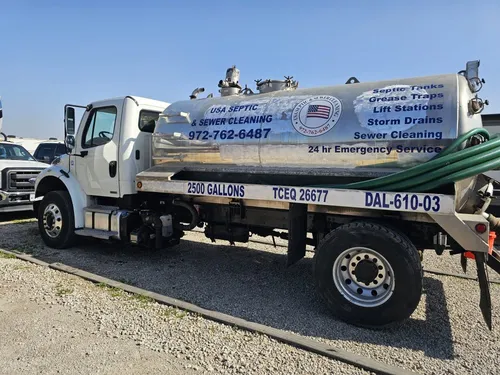
USA Septic and Sewer Cleaning is a licensed septic service provider based near Dallas, TX, serving Fort Worth, Keller, and Tarrant County. They offer septic tank pumping, inspection, system repair, lift station maintenance, and grease trap cleaning for residential and commercial clients. The company provides 24/7 emergency septic and lift station repair services to address backups, overflows, and pump failures promptly. Their team uses advanced equipment to maintain system efficiency and compliance, helping prevent costly repairs and blockages.
Sigma Solutions Septic Services LLC
4840 Co Rd 597, Farmersville, TX 75442
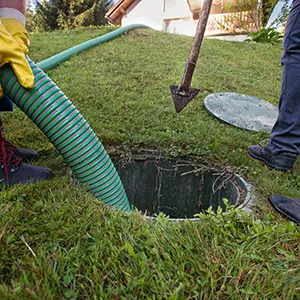
Sigma Solutions Septic Services LLC is a septic tank inspection and repair company serving Dallas, TX. They specialize in septic maintenance, including routine inspections and septic tank cleaning, to help prevent leaks, overflows, and system malfunctions. The company offers a full range of septic solutions, from initial inspections to complex repairs, using professional equipment and extensive knowledge to keep systems running efficiently. Sigma Solutions emphasizes clear communication by explaining options and pricing before starting any work.
Understanding Septic System Regulations in Denton County
Septic systems in The Colony, Texas, fall under the jurisdiction of the Texas Commission on Environmental Quality (TCEQ), with local oversight typically managed by the Denton County Health Department. Texas law mandates specific inspections for different scenarios. A professional evaluation is required for all new system installations, major repairs, and property transfers in many cases 1 2. Furthermore, if your home uses an aerobic treatment system, state law requires it to be under a maintenance contract with a licensed provider, which includes mandatory inspections every four months. For conventional gravity systems, while not always legally required on a strict schedule for existing homes, an inspection and potential pumping every 3 to 5 years is the standard industry recommendation to prevent system failure.
Navigating these rules is important for compliance and peace of mind. Working with a licensed inspector or maintenance provider ensures that all necessary reports are correctly filed with the permitting authority. Whether you're buying a home, selling your property, or simply performing routine maintenance, understanding these requirements is the first step in responsible septic system ownership.
What a Professional Septic Inspection Involves
A comprehensive septic system assessment is a multi-step process conducted by a trained technician. It goes far beyond simply checking if your toilets flush. Here's a breakdown of what you can expect during a standard OSSF inspection in The Colony.
1. System Location & Site Preparation The inspector will first locate your septic tank and drainfield, often using probe rods or electronic locating equipment. The tank lids will then be uncovered to allow for internal access. This initial step also includes a visual survey of your yard, looking for warning signs like soggy ground, sewage odors, or unusually lush grass over the drainfield, which can indicate a failure 3.
2. Internal Tank Evaluation This is the core of the inspection. The technician will measure the levels of sludge (solid waste at the bottom) and scum (floating fats and grease) inside the tank. A key rule of thumb is that the combined sludge and scum should not occupy more than one-third of the tank's liquid capacity; if it does, pumping is immediately required 4. The inspector will also check the inlet and outlet baffles or tees to ensure they are intact and not blocked, as these components are crucial for preventing solids from flowing into the drainfield.
3. Flow Test & Drainfield Assessment To evaluate the system's functionality, the inspector will run a substantial amount of water through the household plumbing (often several hundred gallons). They will then monitor how quickly the water level in the tank recedes and check for any backup or surfacing in the drainfield area. This test confirms that wastewater is moving from the tank into the soil absorption area as designed 5 6.
4. Component Inspection (For Aerobic Systems) If you have an aerobic treatment unit (ATU), the inspection will be more involved. The technician will test the aerator, air pump, spray heads, and alarm systems to ensure all mechanical and electrical components are operating correctly. This detailed check is a major part of the mandatory quarterly maintenance contract 7.
Find the perfect septic tank inspection companies for your needs
Get personalized recommendations and expert advice
The Cost of Septic Inspections and Related Services
Understanding the potential costs helps homeowners in The Colony budget for this essential maintenance. Pricing can vary based on your tank size, system type, and property access.
- Routine Inspection: A standard visual inspection and report for a conventional system typically ranges from $100 to $250 8. Inspections for aerobic systems, due to their complexity, may be on the higher end of this scale or slightly above.
- Pumping Costs: If the inspection reveals your tank needs to be pumped, this is a separate service. Pumping costs in the area generally range from $250 to $600 or more, depending heavily on tank capacity (e.g., 500-gallon vs. 1,500-gallon) and how easily the pumper truck can access the tank lids 9 10.
- Additional Factors: Costs can increase if the tank lids are buried deep and require extensive digging to uncover, or if a camera scope of the drainfield lines is requested. Always ask for a detailed estimate before work begins.
While this is an investment, it is minor compared to the expense of repairing or replacing a failed drainfield, which can cost tens of thousands of dollars. A thorough septic system evaluation provides a clear picture of your system's health and can prevent catastrophic failures.
When is a Septic System Evaluation Required?
Knowing when to schedule a septic check can save you from legal hassles and unexpected problems. Key triggers for an inspection in The Colony include:
- Home Purchase or Sale: This is one of the most common reasons. A clean inspection report is often a contingency in real estate contracts for properties not connected to municipal sewer lines. It protects the buyer from inheriting a failing system and provides documentation for the seller 11.
- Routine Maintenance: For aerobic systems, inspections are legally required every four months as part of your maintenance contract. For conventional systems, adhering to a 3-5 year inspection and pumping schedule is considered best practice.
- Before Major Home Improvements: If you plan to add a bathroom, increase your home's square footage, or install a swimming pool, the local permitting office may require a septic system inspection to ensure your existing system can handle the increased load.
- Suspected System Problems: Signs like slow drains, gurgling pipes, sewage backups, or wet spots in your yard are clear indicators that an immediate inspection is needed to diagnose the issue.
Choosing a Qualified Septic Inspector
Not all contractors are equal when it comes to evaluating onsite wastewater systems. For reliable results, especially those that will be accepted by county officials or real estate agents, it's important to select the right professional.
- Verify Licensing: In Texas, individuals performing inspections on aerobic systems must be licensed by the TCEQ. Ensure any provider you contact holds the appropriate credentials. You can ask for their license number and verify it with the state 12 13.
- Check Experience & Reviews: Look for companies with a long history of serving the Denton County area. Read online reviews and ask for references to gauge their reputation for thoroughness and professionalism.
- Ask About the Report: A quality inspection concludes with a detailed written report, including photos of the tank interior, measurements of sludge/scum levels, and a clear assessment of the system's condition. This document is crucial for your records and any real estate transactions.
- Get Multiple Quotes: For a standard inspection, it's wise to contact two or three licensed providers to compare not only price but also the specific services included in their inspection package.
Taking the time to find a reputable inspector ensures you get an accurate assessment of one of your home's most critical-and often overlooked-systems.
Frequently asked questions
Sources
Footnotes
-
Texas Septic Tank Rules - https://dillonseptic.com/texas-septic-tank-rules/ ↩
-
Septic Tank Laws in Texas - https://dillonseptic.com/septic-tank-laws-in-texas/ ↩
-
Understanding Septic Tank Inspections: A Complete Homeowner's ... - https://septic-masters.com/septic-tank-inspection-homeowner-guide/ ↩
-
Does Texas Require Septic Inspection - TexInspec - https://texinspec.com/does-texas-require-septic-inspection/ ↩
-
Texas OSSF Inspection Requirements: Complete Guide for 2025 - https://www.fieldbaseos.com/blog/texas-ossf-inspection-requirements.html ↩
-
Septic Inspection Process: What Homeowners Should Know | LunsPro - https://www.lunspro.com/vlog/the-septic-system-inspection-process-what-homeowners-should-know ↩
-
What to Expect During a Commercial Septic System Inspection - https://mackenservices.com/2024/08/what-to-expect-during-a-commercial-septic-system-inspection/ ↩
-
Septic Well Pre-Inspection for Magnolia Sellers - Avoid Delays - https://deborahstepanek.com/blog/septic-and-well-preinspections-for-magnolia-sellers ↩
-
Basics for Septic Systems - https://www.tceq.texas.gov/assistance/water/fyiossfs.html ↩
-
Exploring the Costs of Septic Tank Inspections: What to Expect - https://www.theflushfellas.com/exploring-the-costs-of-septic-tank-inspections-what-to-expect ↩
-
Septic System Inspections for Homes in Rural DFW Areas - https://www.sfrinspections.com/septic-system-inspections-for-homes-in-mckinney-and-rural-dfw-areas ↩
-
Texas Septic System Regulations - https://dillonseptic.com/texas-septic-system-regulations/ ↩
-
What is Included in Septic Inspection? - TexInspec - https://texinspec.com/what-is-included-in-septic-inspection/ ↩