
Find the Best Septic Tank Installation & Replacement Contractors for Your Business
No obligation • Fast responses • Nationwide coverage

Why you can trust Septic Spot
Septic Spot is a leading United States resource for understanding and comparing septic services. Our editors review providers using consistent criteria and verify key business details. Listings and scores are independent, and companies cannot pay to influence our content.
Search providers near you
Top Septic Tank Installation & Replacement Contractors in Bedford, Texas Ranked
Installing or replacing a septic system is a significant home improvement project that ensures safe, long-term wastewater treatment for your property. In Bedford, this process is regulated by state and local authorities to protect public health and the environment. Understanding the steps, costs, and requirements can help you navigate the project confidently and connect with qualified local professionals who can handle the permitting, design, and construction.
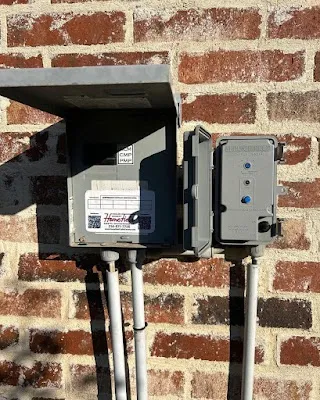
HomeField Parker County
617 Pine St, Aledo, TX 76008
HomeField Parker County is a septic service provider based in Fort Worth, TX, offering comprehensive septic system solutions for both residential and commercial clients. Their services include septic tank pumping, inspections, repairs, installations, drain field replacement, and system design. They also provide real estate septic inspections and maintenance plans to help customers stay compliant with local regulations. HomeField Parker County serves Parker, Johnson, and Hood counties, bringing local expertise to every job. Their team is equipped to handle emergency septic repairs and routine maintenance, ensuring systems operate efficiently and meet current standards.
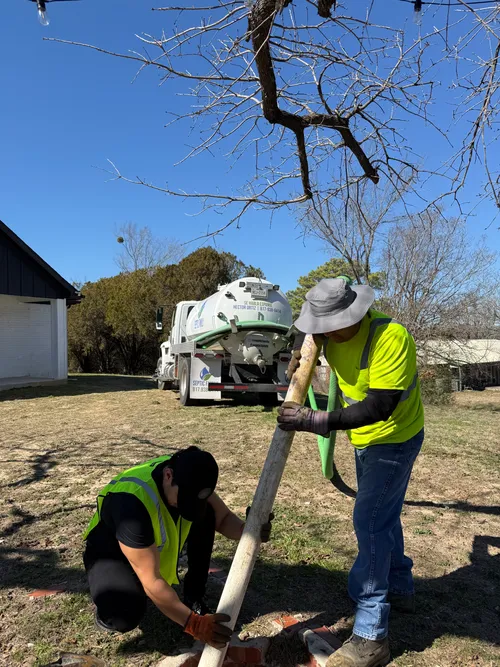
Septic family
545 Harrold St apt 7001, Fort Worth, TX 76107
Septic Family is a septic tank pumping, cleaning, repair, and installation company serving Dallas, TX, and surrounding areas including Fort Worth and multiple nearby communities. The company specializes in both conventional and aerobic septic systems, offering maintenance contracts, installations, and repairs. With 17 years of experience, Septic Family provides bilingual services in English and Spanish and is available 24/7 for septic system needs.
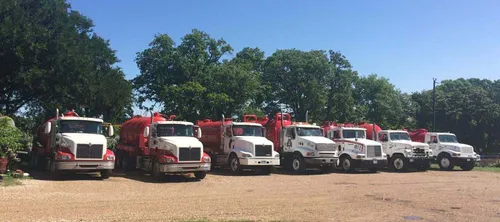
Harrington Environmental - Septic Pumping & Grease Trap Service
3778 Burleson Retta Rd, Burleson, TX 76028
Harrington Environmental - Septic Pumping & Grease Trap Service is a full-service liquid waste company based near Dallas, TX. They provide septic tank pumping, aerobic septic system installation and repair, and commercial grease trap services. Their licensed and certified technicians handle grease and sand trap cleaning, grit trap service, lift station pumping, and maintenance of aerobic systems. Harrington Environmental serves the Dallas-Fort Worth metroplex and surrounding counties, offering expertise in both residential and commercial environmental waste management.
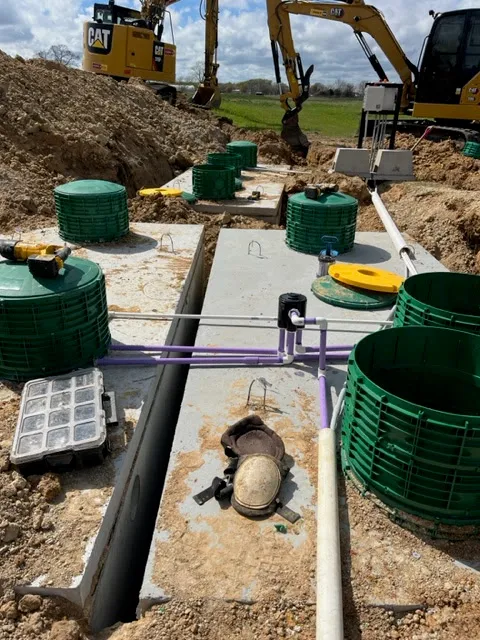
B2 Septic Services
9301 County Rd 519, Alvarado, TX 76009
B2 Septic Services is a licensed septic system repair and installation company based near Dallas, TX. They provide septic tank installation, septic pump repair, and lift station services tailored to individual customer needs. Their licensed status allows them to handle a range of septic system solutions efficiently.
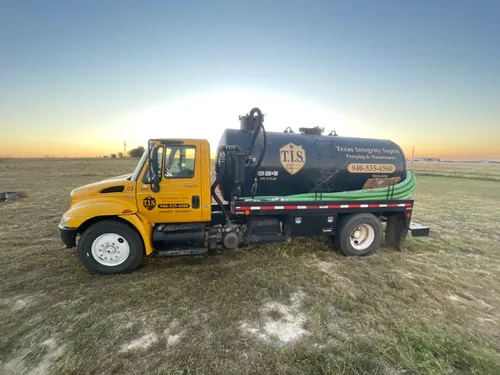
Integrity Septic Services
7588 FM2449, Ponder, TX 76259
Integrity Septic Services is a family-owned and operated company providing septic system pumping, cleaning, repair, and installation services in Dallas, TX. They serve Denton, Wise, Cooke, Grayson, and Tarrant Counties, specializing in both conventional and aerobic septic systems as well as lift stations. With 17 years of experience, the company is licensed and insured, offering maintenance contracts and emergency services including 24/7 response for septic emergencies.
Understanding Septic System Regulations in Texas
All septic system work in Bedford falls under the jurisdiction of the Texas Commission on Environmental Quality (TCEQ) and is managed locally by an authorized agent, typically the Tarrant County Public Health Department 1. These regulations, found in Title 30 of the Texas Administrative Code (30 TAC 285), govern the permitting, design, installation, and maintenance of On-Site Sewage Facilities (OSSFs). Whether you're building a new home on a lot without municipal sewer access or replacing a failing system, you must obtain a permit before any construction begins. The rules are designed to ensure systems are sized correctly for the home and installed in suitable soil conditions to prevent groundwater contamination.
The Step-by-Step Installation Process
A new septic system installation is a multi-stage process involving several professionals. Skipping or rushing any step can lead to permit denials, system failures, or costly corrections.
1. Site Evaluation and Soil Testing
The first and most critical step is a professional site evaluation. A licensed site evaluator or professional engineer must visit your property to conduct a detailed soil analysis and percolation test. This test determines:
- Soil Classification: The type and texture of soil (e.g., clay, sand, loam) dictate how quickly wastewater can percolate.
- Groundwater Depth: The system must be placed a safe distance above the seasonal high water table.
- Site Slope: The topography affects drainage and system placement. The results of this test directly inform the system's design and are a mandatory part of the permit application.
2. System Design and Permit Application
Using the soil test data, a system designer (often the site evaluator or a septic installer) creates a plan that complies with TCEQ standards. The design specifies the tank size, drain field layout, and system type. This design package is then submitted with a permit application to the local authorized agent. Permit fees in Texas typically range from $400 to $900 2 3. Construction cannot legally start until you have the approved permit in hand 4 5.
3. Excavation and Installation
Once permitted, excavation begins. This involves digging for the septic tank and the drain field trenches or bed. The choice between a conventional gravity system and an aerobic treatment unit (ATU) is a major decision point, often dictated by soil conditions and cost.
- Conventional Systems: These rely on gravity and soil filtration. They are generally less expensive but require suitable, permeable soil.
- Aerobic Systems: These use oxygen to break down waste more efficiently, allowing for installation in areas with poorer soil or smaller lots. They are more complex and require electricity.
4. Mandatory Inspections
Texas law requires specific inspections during installation 6 7. The most crucial is the "open-ditch inspection," where the local inspector examines the tank placement, pipe slopes, and gravel bed in the drain field trenches before they are covered 7 8. A final inspection occurs after the system is fully installed, including any pumps, alarms, and after the site is backfilled and landscaped. Failing to call for an inspection can result in fines or orders to dig up the system for verification.
Find the perfect septic tank installation & replacement contractors for your needs
Get personalized recommendations and expert advice
Cost Breakdown for Septic System Installation in Bedford
The total cost for a new septic system in Bedford varies widely based on system type, soil conditions, and property size. Here's a general breakdown of the expenses you can expect:
- Permit & Design Fees: $750 - $1,650. This combines the local permit fee ($400-$900) and the soil testing/design fee ($350-$750).
- Excavation & Labor: $4,000 - $9,000. Conventional system labor is often on the lower end ($4,000-$6,000), while aerobic systems are more labor-intensive ($6,000-$9,000).
- System Components & Materials:
- Conventional Septic System: Total installed cost typically ranges from $6,000 to $12,000 or more.
- Aerobic Treatment System: Total installed cost typically ranges from $12,000 to $20,000 or more.
These are average estimates. Getting detailed quotes from several licensed installers is essential, as rocky soil, high groundwater, or difficult site access can significantly increase the price.
When is System Replacement Necessary?
Replacing an existing septic system follows a similar permitting and installation process as a new install. Common signs you may need a replacement include:
- Sewage backups in the house or water pooling over the drain field.
- Foul odors around the tank or yard.
- Lush, green grass over the drain field even in dry weather.
- The system is old (many systems last 20-40 years) and requires increasingly frequent pumping or repairs.
It's important to note that replacement systems must meet current TCEQ standards, which are often more stringent than when the original system was installed decades ago. This might mean a larger drain field or a different system type is required.
Maintaining Your New System
Proper maintenance is key to protecting your investment and avoiding premature failure. For all systems, regular pumping of the tank (every 3-5 years) is crucial. Aerobic systems have additional, legally binding requirements: they must be maintained under a contract with a licensed maintenance provider, who is required to inspect the system at least every four months 9. Keeping detailed records of all maintenance, inspections, and repairs is not only good practice but may also be required by local ordinance.
Choosing the Right Professional
Given the complexity and regulation involved, selecting the right contractor is paramount. Look for:
- Proper Licensing: Ensure they are licensed by the TCEQ as an Installer (I), and if designing the system, as a Site Evaluator (SE) or Designated Representative (DR).
- Local Experience: Choose professionals familiar with Bedford and Tarrant County's specific permit processes and inspectors.
- Good References & Insurance: Ask for references from recent jobs and verify they carry liability and workers' compensation insurance.
- Detailed Contracts: The proposal should clearly outline costs, timelines, responsibilities for obtaining permits, and a plan for scheduling the mandatory inspections.
Frequently asked questions
Sources
Footnotes
-
What laws in Texas apply to septic systems? - Water School - https://brazos.org/about-us/education/water-school/articleid/349/what-laws-in-texas-apply-to-septic-systems ↩
-
Texas Septic Systems & OSSF Requirements | 2026 Guide - https://texaslandbrokerage.com/resources/texas-septic-systems-ossf-requirements-guide/ ↩
-
Average Cost to Install Septic System in Texas - https://dillonseptic.com/average-cost-to-install-septic-system-in-texas/ ↩
-
Getting a Permit for an OSSF - Such as a Septic System - https://www.tceq.texas.gov/permitting/ossf/ossfpermits.html ↩
-
Advice for an Owner of an On-Site Sewage Facility (Septic System) - https://www.tceq.texas.gov/permitting/ossf/ossfadvice.html ↩
-
Septic Tank Laws in Texas - https://dillonseptic.com/septic-tank-laws-in-texas/ ↩
-
Installing a Septic System at Your Home: What the Process ... - https://brighteyestexas.com/installing-a-septic-system-at-your-home-what-the-process-looks-like/ ↩ ↩2
-
SEPTIC SYSTEM LAWS IN TEXAS - https://www.terseptic.com/posts/septic-systems-its-the-law ↩
-
Texas Septic Tank Rules - https://dillonseptic.com/texas-septic-tank-rules/ ↩