
Find the Best Septic Tank Installation & Replacement Contractors for Your Business
No obligation • Fast responses • Nationwide coverage

Why you can trust Septic Spot
Septic Spot is a leading United States resource for understanding and comparing septic services. Our editors review providers using consistent criteria and verify key business details. Listings and scores are independent, and companies cannot pay to influence our content.
Search providers near you
Top Septic Tank Installation & Replacement Contractors in Fort Worth, Texas Ranked
Installing or replacing a septic system is a significant investment in your property's long-term functionality and environmental health. In Fort Worth, this process is governed by specific state and local regulations to protect groundwater and public safety. This guide explains the essential steps, costs, and regulations for septic system installation and replacement in Tarrant County, helping you navigate the process of finding qualified local professionals for your project.
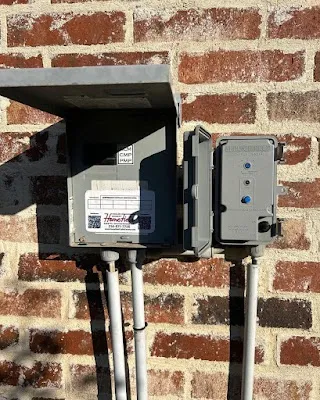
HomeField Parker County
617 Pine St, Aledo, TX 76008
HomeField Parker County is a septic service provider based in Fort Worth, TX, offering comprehensive septic system solutions for both residential and commercial clients. Their services include septic tank pumping, inspections, repairs, installations, drain field replacement, and system design. They also provide real estate septic inspections and maintenance plans to help customers stay compliant with local regulations. HomeField Parker County serves Parker, Johnson, and Hood counties, bringing local expertise to every job. Their team is equipped to handle emergency septic repairs and routine maintenance, ensuring systems operate efficiently and meet current standards.
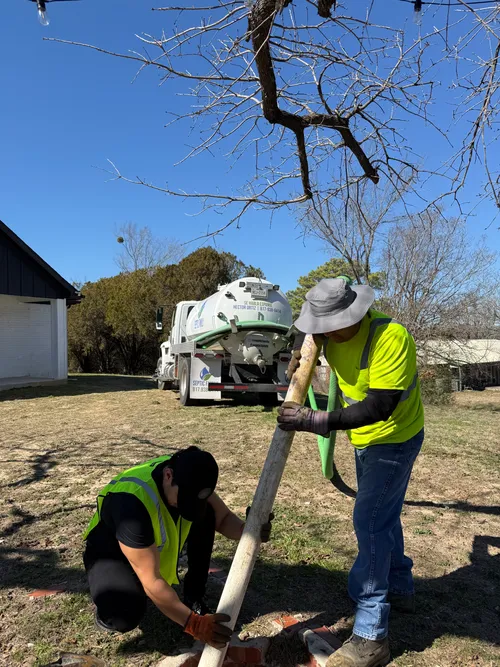
Septic family
545 Harrold St apt 7001, Fort Worth, TX 76107
Septic Family is a septic tank pumping, cleaning, repair, and installation company serving Dallas, TX, and surrounding areas including Fort Worth and multiple nearby communities. The company specializes in both conventional and aerobic septic systems, offering maintenance contracts, installations, and repairs. With 17 years of experience, Septic Family provides bilingual services in English and Spanish and is available 24/7 for septic system needs.
Coleman Aerobic Septic, Inc.
2030 Southwest Pkwy, Granbury, TX 76048
Coleman Aerobic Septic, Inc. is a septic tank inspection, repair, and installation company serving Fort Worth, TX, and surrounding communities including Hood, Somervell, and Erath counties. The company specializes in aerobic septic systems, offering maintenance contracts, system modifications, and repairs such as aerator and pump replacement. With over 42 years of combined experience in electrical, plumbing, and septic systems, Coleman Aerobic Septic is trained and certified by system manufacturers to ensure proper service and compliance with local regulations. They also provide common septic system parts and supplies for homeowners.
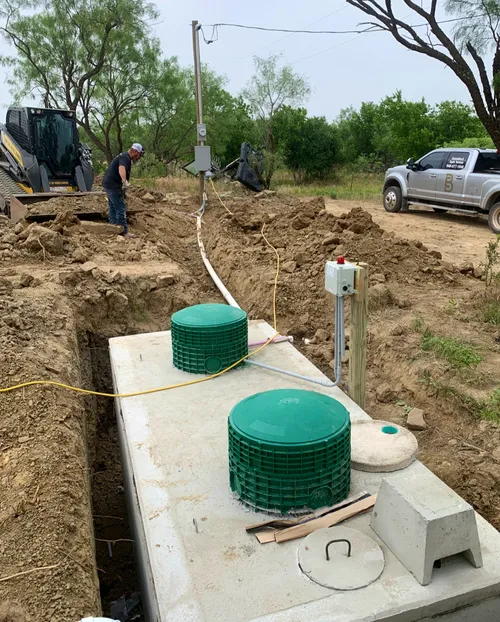
Bramlett Enterprises, INC dba Bramlett Septic
140 Co Rd 3023, Decatur, TX 76234
Bramlett Enterprises, INC dba Bramlett Septic is a septic system repair and installation company based in Fort Worth, TX. They offer a range of services including septic tank installation, repair, and maintenance, as well as land development tasks such as dirt work, land clearing, and grading. The company can assist with different types of septic systems, including conventional and aerobic systems, and provides maintenance policies to help ensure system longevity and compliance with regulations. In addition to septic services, Bramlett Enterprises handles projects like culverts, erosion control, road construction, and pond excavation.
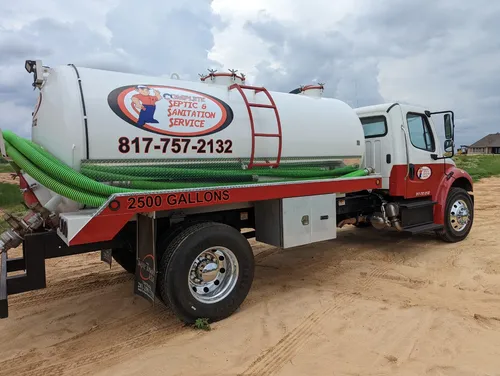
Complete Septic & Sanitation Service
Fort Worth, TX
Complete Septic & Sanitation Service is a licensed septic company serving Fort Worth, TX, and surrounding north-central Texas communities. They provide a full range of residential and commercial septic services including installation, pumping, repairs, inspections, and troubleshooting. The company is certified in on-site sewage facilities installation and offers specialized capabilities such as septic camera inspections and root intrusion removal. With over 20 years of experience, Complete Septic & Sanitation Service is available 24/7 for emergency septic needs and strives to accommodate same-day and next-day appointments.
Understanding the Regulatory Framework
In Texas, all On-Site Sewage Facilities (OSSFs)-commonly known as septic systems-are regulated by the Texas Commission on Environmental Quality (TCEQ) 1. However, the Tarrant County Public Health Department and, in some cases, the City of Fort Worth itself act as the local authorized agents, handling the permitting and inspection process directly. A permit is legally required before you can construct, alter, repair, or extend any septic system 2. This regulatory oversight ensures that every new septic tank installation or system replacement is designed and built to safely treat wastewater without contaminating the local environment.
The cornerstone of the permitting process is a professional site evaluation and system design. You cannot simply choose a system type; the design must be created by either a Texas Licensed Professional Engineer or a TCEQ-Registered Site Evaluator based on the specific conditions of your property. Furthermore, the physical installation must be performed by a TCEQ-licensed installer. This multi-professional requirement is a critical consumer protection measure, ensuring that your residential wastewater system is both legally compliant and technically sound.
The Critical Role of Soil Analysis
The most important factor determining what kind of septic system you can install is your soil. The site evaluation is not a simple visual check; it's a detailed soil percolation test and analysis. According to Tarrant County rules, the evaluator must conduct at least two soil borings or dig two backhoe pits at opposite ends of the proposed drain field area.
These pits are dug to a depth of at least two feet below the proposed excavation level or until a restrictive layer (like solid rock or dense clay) is encountered 3. The evaluator analyzes the soil's texture, structure, color, and depth to determine its permeability, or how quickly water drains through it. This analysis directly dictates whether your property can support a conventional gravity-fed drain field or if it requires a more advanced aerobic treatment unit (ATU) 3. Skipping or failing this step can lead to a system that doesn't function, resulting in costly repairs, environmental violations, and a public health hazard.
Types of Septic Systems Used in Fort Worth
The two primary types of septic systems installed in the Fort Worth area are conventional and aerobic systems, with the choice being made by the site evaluator's findings.
- Conventional Septic Systems: These are the most common type where soil conditions allow. They consist of a septic tank where solids settle and begin to decompose, followed by a network of perforated pipes in a gravel-filled drain field (leach field). Treated effluent slowly percolates into the soil for final filtration. These systems are suitable for properties with sufficiently deep, permeable soil and adequate separation from the water table.
- Aerobic Treatment Systems (ATS): Due to the prevalence of dense, clay-heavy soils in parts of Tarrant County, many properties require an aerobic system. These are more complex, using an aerated chamber to actively break down waste with oxygen-loving bacteria, producing a higher quality of effluent. This treated effluent is then dispersed via a spray field. Aerobic systems are more expensive to install and require ongoing maintenance contracts, but they are often the only viable option for challenging sites.
Other specialized systems, like mound systems or drip irrigation systems, may be designed for properties with high water tables, shallow soil, or other constraints.
Step-by-Step Installation & Inspection Process
A successful septic tank replacement or new installation follows a strict sequence of events. Understanding this process helps you manage the project timeline and expectations.
- Site Evaluation & Design: A licensed site evaluator or engineer visits your property to perform the soil analysis and assess other site constraints (slope, proximity to wells or waterways). They then create the official system design plans required for the permit application 4.
- Permit Application: You or your chosen installer submits the design plans, along with the permit application and fee, to the Tarrant County Public Health Department (or City of Fort Worth, if applicable) 5. Permit fees typically range from $400 to over $700.
- Excavation & Installation: Once the permit is issued, your TCEQ-licensed installer begins work. This involves excavating for the septic tank and drain field, placing the tank, constructing the distribution box and leach field with proper gravel and pipe, and connecting the plumbing from your home.
- Rough-In Inspection: Before the tank and drain field trenches are backfilled, a county inspector will visit for an "open tank" or "rough-in" inspection. They verify that the tank is level, the pipes are correctly laid and sloped, the gravel depth is adequate, and all components match the approved design 6.
- Final Inspection & Approval: After the installer backfills the excavations and completes the landscaping, a final inspection is scheduled. The inspector ensures all connections are complete, the system is accessible for future maintenance, and the site is properly restored. Only after passing this final inspection is your system legally approved for use 7.
Find the perfect septic tank installation & replacement contractors for your needs
Get personalized recommendations and expert advice
Cost Breakdown for Septic System Installation
The total cost for a new septic system installation in Fort Worth varies widely based on system type, soil conditions, property size, and local labor rates. Here is a typical cost breakdown based on available data:
- Conventional System: For a standard residential system with a 1,000-gallon tank and drain field, material and labor costs often fall between $4,500 and $13,500. The tank itself typically costs $1,000-$1,500.
- Aerobic Treatment System: Due to the mechanical components and stricter design requirements for difficult soils, these systems are more expensive, generally ranging from $10,000 to $16,000 or more.
- Permit & Design Fees: You must budget for the site evaluation/design fee (several hundred dollars) and the government permit fee ($400-$700+) 8.
- Total Project Cost: For a standard residential installation in the Fort Worth area, total costs commonly range from $6,000 to $15,000 9 10. Complex projects on difficult lots, or full system replacements that include demolition of an old system, can exceed $20,000, with some reports of costs over $28,000 for particularly challenging situations 10 11.
It's crucial to get detailed, written estimates from multiple licensed installers that include all components: excavation, tank, piping, gravel, engineering/design, permit fees, and inspection coordination.
Planning for System Replacement
If you're dealing with an old, failing septic system, replacement follows the same permit and installation process as a new install, with added steps. Signs you may need a septic tank replacement or full system overhaul include persistent drain field backups, soggy ground or foul odors in your yard, sewage surfacing, or failing a mandatory inspection during a property transfer. A licensed installer can perform a camera inspection and hydraulic load test to diagnose the problem. Often, the existing drain field must be abandoned and a new one constructed in a different location on your property, following a new site evaluation.
Maintaining Your New Investment
After a successful septic system installation, proper maintenance is non-negotiable. For conventional systems, this means regular pumping of the tank every 3-5 years and conserving water. For aerobic systems, state law requires a maintenance contract with a licensed provider to ensure the aerator, pumps, and alarms are serviced regularly 12. Protecting your drain field from vehicle traffic, deep-rooted plants, and excessive water runoff will extend its lifespan for decades.
Frequently asked questions
Sources
Footnotes
-
Basics for Septic Systems - https://www.tceq.texas.gov/assistance/water/fyiossfs.html ↩
-
Getting a Permit for an OSSF - Such as a Septic System - https://www.tceq.texas.gov/permitting/ossf/ossfpermits.html ↩
-
Septic Systems Conventional System Aerobic Septic Systems - https://storage.googleapis.com/wzukusers/user-30617970/documents/5e0e48b780669ohRHHYY/Septic%20Systems%20summary.pdf ↩ ↩2
-
PLANNING, CONSTRUCTION, AND - Tarrant County - https://www.tarrantcountytx.gov/content/dam/main/transportation/ossf/OSSF_Rules_and_Regulations.pdf ↩
-
Application for On-Site Sewage System Permit - the City of Fort Worth - https://www.fortworthtexas.gov/files/assets/public/v/1/property-management/documents/lake-worth/lmosewpermit.pdf ↩
-
Texas Septic Tank Rules - https://dillonseptic.com/texas-septic-tank-rules/ ↩
-
Septic Permits - Environmental Control - https://jeffersoncountytx.gov/env_cntrl/septicpermits.htm ↩
-
Texas Septic System Regulations - https://dillonseptic.com/texas-septic-system-regulations/ ↩
-
Average Cost to Install Septic System in Texas - https://dillonseptic.com/average-cost-to-install-septic-system-in-texas/ ↩
-
Cost of a Septic System in Texas - https://dillonseptic.com/cost-of-a-septic-system-in-texas/ ↩ ↩2
-
average cost of new septic installation? - Facebook - https://www.facebook.com/groups/217535903122864/posts/1094726938737085/ ↩
-
Septic Tank Laws in Texas - https://dillonseptic.com/septic-tank-laws-in-texas/ ↩