Find the Best Septic Tank Installation & Replacement Contractors for Your Business
No obligation • Fast responses • Nationwide coverage

Why you can trust Septic Spot
Septic Spot is a leading United States resource for understanding and comparing septic services. Our editors review providers using consistent criteria and verify key business details. Listings and scores are independent, and companies cannot pay to influence our content.
Search providers near you
Top Septic Tank Installation & Replacement Contractors in Tyler, Texas Ranked
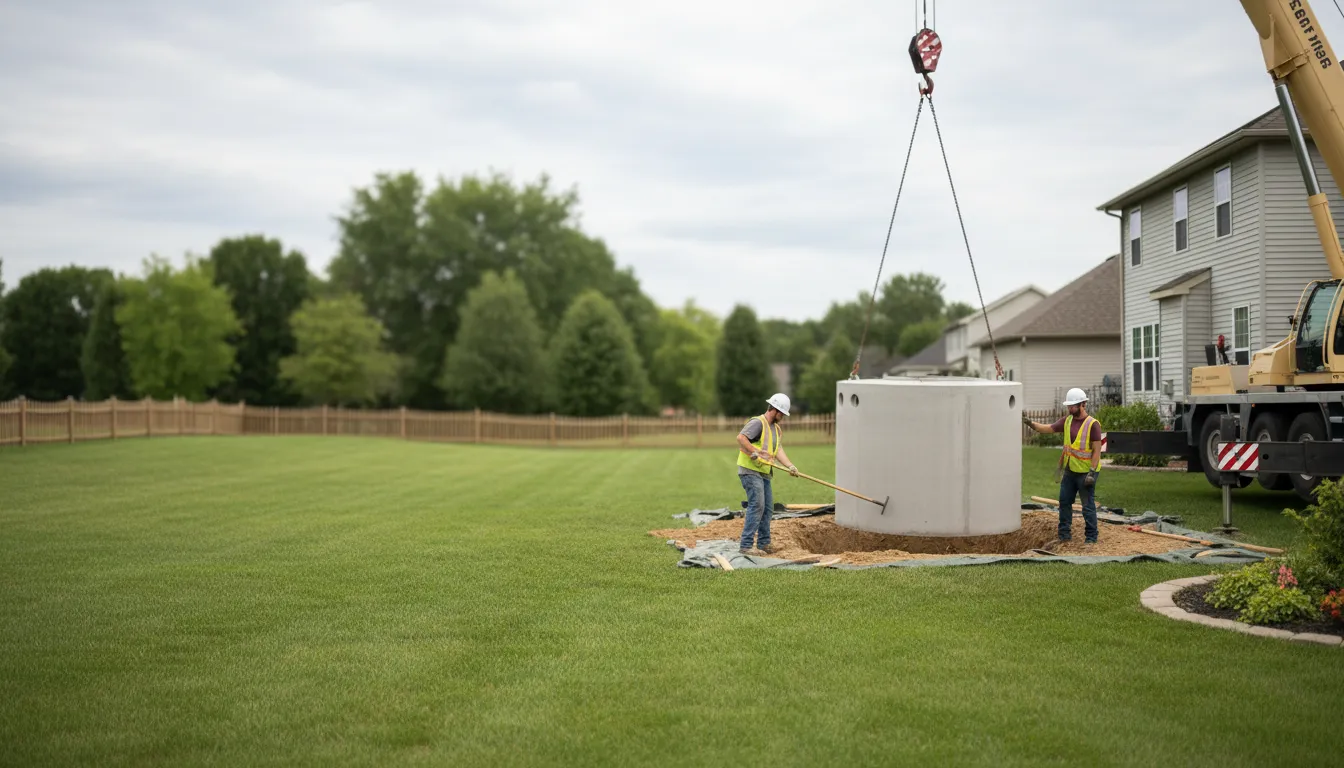
Installing or replacing a septic system is a significant investment in your property's long-term functionality and environmental health. For homeowners in Tyler and Smith County, this process is governed by specific state and local regulations to ensure public safety and protect groundwater. This guide explains the key steps, costs, and requirements for septic system installation and replacement, helping you navigate the process and connect with qualified local professionals.
A & A Septic Tank Service
1331 W Elm St, Tyler, TX 75702
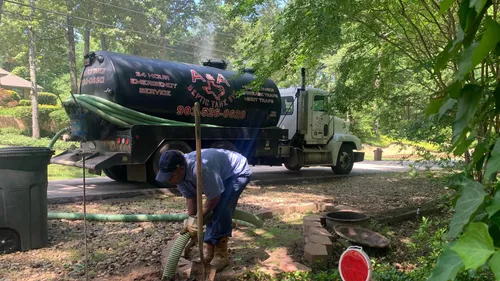
A & A Septic Tank Service is a family-owned company serving Tyler, TX, specializing in septic tank pumping and installation. They provide a variety of services including aerobic system pumping, lift station pumping, and grease trap cleaning. With expertise in septic system installation tailored to property needs, they have been operating since 2001. The company also offers emergency call services throughout their service area.
Rub-A-Dub Plumbing
13213 State Hwy 155 Ste A, Tyler, TX 75703
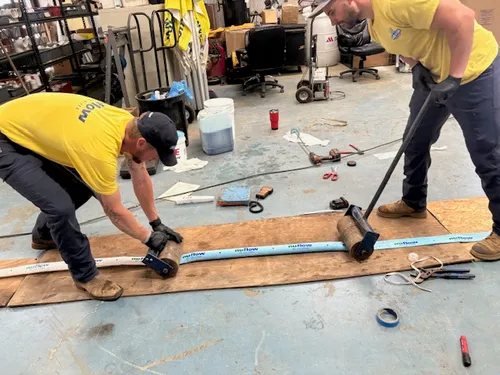
Rub-A-Dub Plumbing is a plumbing company based in Tyler, TX, offering a range of services including septic tank pumping, inspection, repair, and installation. They serve Tyler and surrounding areas such as Lindale, Longview, Athens, and Cedar Creek Lake. With over 25 years of experience, Rub-A-Dub Plumbing provides comprehensive septic system services and is equipped to handle plumbing emergencies with 24/7 availability. Their technicians undergo continuous training and background checks to ensure skilled and trustworthy service.
M.K. Adams Septic Service
Tyler, TX
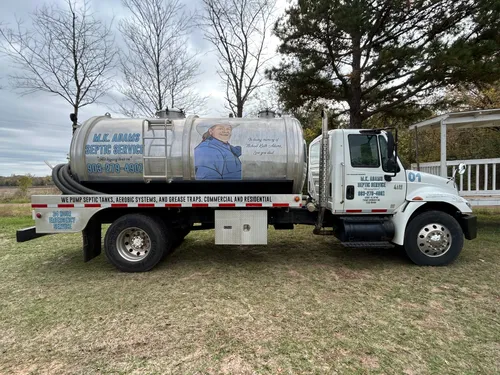
M.K. Adams Septic Service is a licensed septic tank pumping, installation, repair, and maintenance company based in Tyler, TX. The business is operated by Melania Adams, who named the company in honor of her late father's trucking business. They provide a full range of septic services throughout the Tyler area, including system installation and repair. M.K. Adams Septic Service holds state certifications for septic system installation and maintenance, ensuring compliance with Texas regulations.
C9 Septic & Irrigation
23283 County Rd 448, Lindale, TX 75771
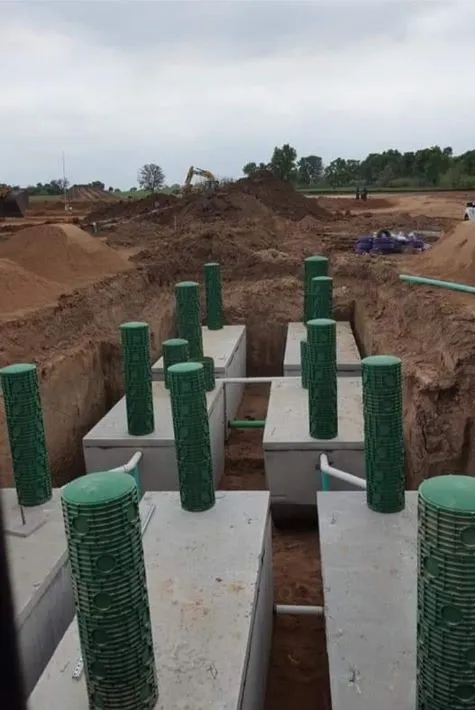
C9 Septic & Irrigation is a family-owned business serving Tyler, TX, and surrounding East Texas counties since 2020. They provide a range of septic services including installation, pumping, repairs, and inspections for both residential and commercial properties. The company is licensed and certified by the Texas Commission on Environmental Quality, offering site evaluations and maintenance contracts to ensure septic systems meet local standards. Additionally, they provide irrigation system design and installation, along with landscaping services. The owner is actively involved on-site to oversee projects and maintain service quality.
Marco Septic Service
Tyler, TX
Marco Septic Service provides comprehensive septic system services in Tyler, TX, including septic tank pumping, inspection, repair, and installation. The company handles all aspects of septic system maintenance and repair, ensuring systems are durable and environmentally safe. Marco Septic Service covers Tyler and surrounding areas such as New Chapel Hill, Liberty, and Whitehouse. The business emphasizes professional handling of repairs and installations to prevent leaks and extend system lifespan.
Understanding the Regulatory Landscape in Smith County
In Texas, all On-Site Sewage Facilities (OSSF), which include septic systems, are regulated by the Texas Commission on Environmental Quality (TCEQ) under Title 30, Chapter 285 of the Texas Administrative Code (30 TAC 285) 1. For Tyler and Smith County, the local permitting authority is typically the Northeast Texas Municipal Water District (NETMWD) or the Smith County government itself. A permit is required before any construction, alteration, or repair begins on a septic system 2.
There is a notable exception: a permit is not required if the system is on a tract of 10 acres or larger, serves a single-family residence, is at least 100 feet from all property lines, and does not create a nuisance or pollute groundwater 3. For all other properties, securing a permit is the mandatory first step. It's also important to know that while emergency repairs can be made to prevent a health hazard, they must be reported to the permitting authority within 72 hours 3.
The Critical First Step: Site Evaluation and Soil Testing
Before any design or installation can happen, a licensed site evaluator must assess your property. This is not a mere formality; it is the most critical factor determining what type of system you can install and its overall design. The evaluator will conduct soil tests to determine the soil's depth, texture, and percolation rate (how quickly water drains through it) 4 5.
The soil conditions in East Texas, particularly around Tyler, often contain heavy clay. Clay soils have a very slow percolation rate, meaning they do not absorb liquid efficiently. In such cases, a conventional septic system with a standard drain field is usually not viable. Instead, the site evaluator will likely recommend an aerobic treatment system (ATS), which treats wastewater to a higher standard and uses spray irrigation for dispersal. On properties with sandier, more permeable soil, a conventional absorption system may be approved.
System Types: Conventional vs. Aerobic
The two primary types of septic systems installed in the Tyler area are:
- Conventional Septic Systems: These consist of a septic tank and a subsurface soil absorption field (drain field). They rely on anaerobic bacteria in the tank for initial treatment and the soil for final treatment and dispersal. They are generally less expensive but require suitable soil conditions.
- Aerobic Treatment Systems (ATS): These systems use an aeration chamber to introduce oxygen, supporting aerobic bacteria that break down waste more efficiently and rapidly. The treated effluent is then disinfected (often with chlorine) and dispersed via a spray irrigation field. These are required for poor soils, smaller lots, or areas with high groundwater and are more common in the Tyler region due to soil types 6 7.
The Installation Process: A Step-by-Step Overview
Once the site evaluation is complete and a system is designed, the installation follows a structured sequence:
- Permitting: Submit the site evaluator's report, the system design plans, the application, and the fee to the NETMWD or Smith County for review and approval 8.
- Excavation and Installation: A licensed installer (holding a Class II or Installer II license in Texas) will excavate and install the septic tank, plumbing, and drain field or spray heads. This phase typically takes 1 to 3 days.
- Pre-Cover (Rough-In) Inspection: This is a crucial mandatory inspection. Before the installer backfills (covers) the excavation, a regulator from the permitting authority must inspect the open site. They check the tank placement, pipe slopes and connections, electrical components for pumps or aerators, and the layout of the drain field.
- Backfilling and Final Grading: After the inspector approves the rough-in, the installer can backfill the trenches and grade the site to ensure proper surface drainage away from the system.
- Final Inspection: Once the system is operational, a final inspection may be required to verify that all components (pumps, alarms, aerators) are functioning correctly and the site grading is complete 9.
Find the perfect septic tank installation & replacement contractors for your needs
Get personalized recommendations and expert advice
Understanding the Costs of Septic System Installation
The total cost for a new septic system in Tyler varies widely based on system type, soil conditions, property size, and local labor rates. The figures below are estimates to help with budgeting.
- Permit Fees: Expect to pay between $400 and $900, depending on whether the system is conventional or aerobic.
- Conventional System Installation: For a standard anaerobic system with a drain field, total costs typically range from $8,500 to $13,500 or more. This breaks down to roughly $4,500-$7,500 for materials and $4,000-$6,000 for professional installation.
- Aerobic System Installation: Due to the added mechanical components and spray field, aerobic systems are more expensive. Total costs often range from $16,000 to $25,000 or more, with materials costing $10,000-$16,000 and installation adding $6,000-$9,000.
- Inspection Fees: Some final inspection fees may be included in the permit cost, while others are charged separately, typically ranging from $600 to $1,400 for a professional inspector's sign-off 10.
When is System Replacement Necessary?
Knowing when to repair versus replace your septic system can save significant money. Consider replacement if you face:
- Persistent Drain Field Failure: Sewage surfacing in the yard, soggy soil over the drain field, or plumbing backups that continue after tank pumping.
- Major Structural Damage: A cracked or collapsed septic tank.
- Property Changes: Adding bedrooms or significantly increasing water usage that exceeds the existing system's design capacity.
- System Age: Many older systems, especially non-compliant ones, may need upgrading to meet current codes.
The replacement process is similar to a new installation, requiring a new site evaluation, permit, and full re-installation. It often involves removing the old tank and constructing a new drain field in a different location.
Choosing a Licensed Professional in Tyler
This is not a DIY project. Texas law requires that septic system installation and major repairs be performed by a licensed installer. Always verify a contractor's license with the TCEQ. A reputable professional will handle the permit application process, provide a detailed contract, obtain all necessary inspections, and ensure the system is built exactly to the approved design. They are your best resource for navigating local Smith County requirements and ensuring your new system provides reliable, long-term service.
Frequently asked questions
Sources
Footnotes
-
What laws in Texas apply to septic systems? - Water School - https://brazos.org/about-us/education/water-school/articleid/349/what-laws-in-texas-apply-to-septic-systems ↩
-
Getting a Permit for an OSSF - Such as a Septic System - Texas Commission on Environmental Quality - https://www.tceq.texas.gov/permitting/ossf/ossfpermits.html ↩
-
On-Site Sewage Facility | Smith County, TX - https://www.smith-county.com/507/On-Site-Sewage-Facility ↩ ↩2
-
Cost of a Septic System in Texas - https://dillonseptic.com/cost-of-a-septic-system-in-texas/ ↩
-
Design - & - Installation - in - Central - Texas - EPIC™ Septic - https://epicseptic.com/the-ultimate-guide-to-septic-system-design-installation-in-central-texas-what-every-homeowner-builder-needs-to-know/ ↩
-
Texas Septic System Regulations - https://dillonseptic.com/texas-septic-system-regulations/ ↩
-
Texas Septic Tank Requirements - Hunker - https://www.hunker.com/12000126/texas-septic-tank-requirements/ ↩
-
Onsite Septic Program | Northeast Texas Municipal Water District - https://netmwd.com/onsite-septic-program ↩
-
Installing a Septic System at Your Home: What the Process ... - https://brighteyestexas.com/installing-a-septic-system-at-your-home-what-the-process-looks-like/ ↩
-
Average Cost to Install Septic System in Texas - https://dillonseptic.com/average-cost-to-install-septic-system-in-texas/ ↩