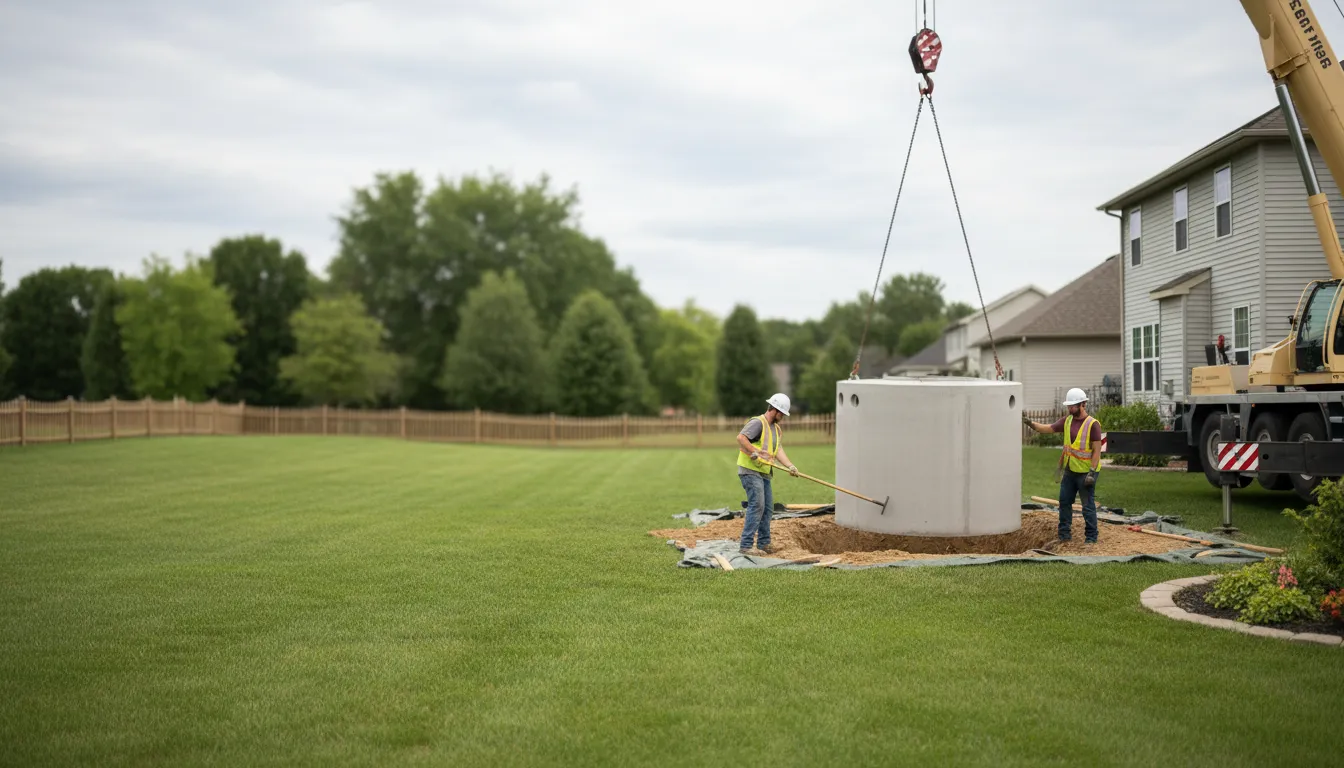
Find the Best Septic Tank Installation & Replacement Contractors for Your Business
No obligation • Fast responses • Nationwide coverage

Why you can trust Septic Spot
Septic Spot is a leading United States resource for understanding and comparing septic services. Our editors review providers using consistent criteria and verify key business details. Listings and scores are independent, and companies cannot pay to influence our content.
Search providers near you
Top Septic Tank Installation & Replacement Contractors in College Station, Texas Ranked
Installing or replacing a septic system is a significant investment in your property's long-term functionality and environmental health. In College Station, this process is governed by specific state and county regulations to protect local groundwater and public safety. This guide explains the key steps, costs, and local requirements for septic system installation and replacement, helping you navigate the process and connect with qualified local professionals for your project.
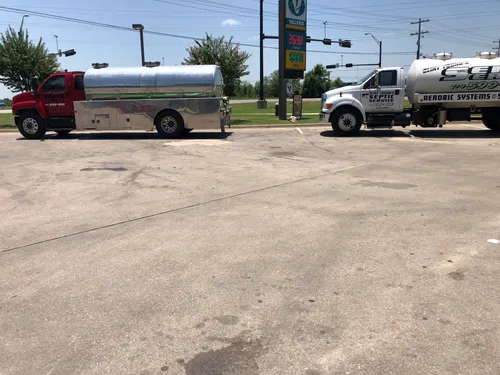
Clint Young's Septic Service
College Station, TX
Clint Young's Septic Service is a family owned and operated company serving College Station, TX, and the Central Texas region. They specialize in residential and commercial septic system installation, repair, and maintenance, including septic tank cleaning and grease and grit trap cleaning. The company is experienced in aerobic septic systems, which provide environmental benefits and are suitable for sensitive areas. With over 10 years in the business, Clint Young's Septic Service offers 24/7 emergency service to address urgent septic needs.
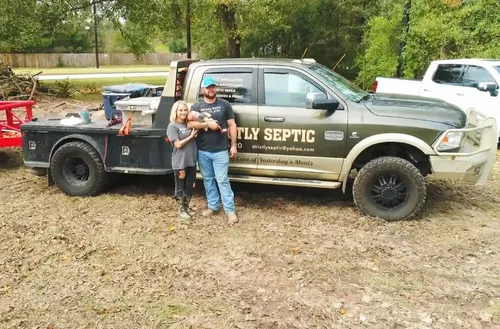
Strictly Septic Service
8874 FM 1696, Bedias, TX 77831
Strictly Septic Service is a family-owned company based in Bedias, TX, serving Houston and nearby communities within a 35-mile radius, including parts of Grimes, Madison, Walker, Leon, Brazos, and Robertson counties. They provide a full range of septic services such as installation, inspection, pumping, maintenance, and repair for residential and commercial systems. Their capabilities include custom septic system design and eco-friendly waste disposal methods that comply with local regulations. With decades of industry experience, Strictly Septic Service offers personalized solutions and guidance through permitting and inspections to ensure efficient septic system operation.
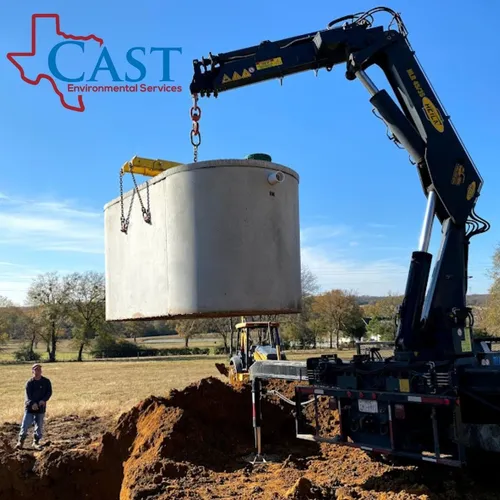
Cast Environmental Septic Services
College Station, TX
Cast Environmental Septic Services is a licensed and insured company based in College Station, TX, specializing in septic system installation, maintenance, and repair. They serve the entire Brazos Valley, including Brazos, Burleson, Grimes, Leon, Madison, Robertson, and Washington counties. The company offers tri-annual maintenance with regular county reporting and handles both residential and commercial septic systems. Their team is experienced in coordinating with county inspectors to ensure smooth approval processes and timely project completion.
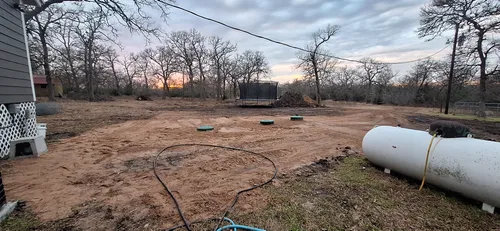
KB Septic Systems, Inc.
12656 FM 3090, Anderson, TX 77830
KB Septic Systems, Inc. is a family-run company based near Houston, TX, specializing in residential and commercial septic system installations. They also provide site preparation, driveway construction, culvert installation, and foundation work. The company offers both aerobic and conventional septic systems and serves Grimes County and surrounding areas. With over 50 years of experience since 1970, KB Septic Systems benefits from the expertise of one of Texas's first licensed septic installers.
4R Septic & Construction LLC.
College Station, TX
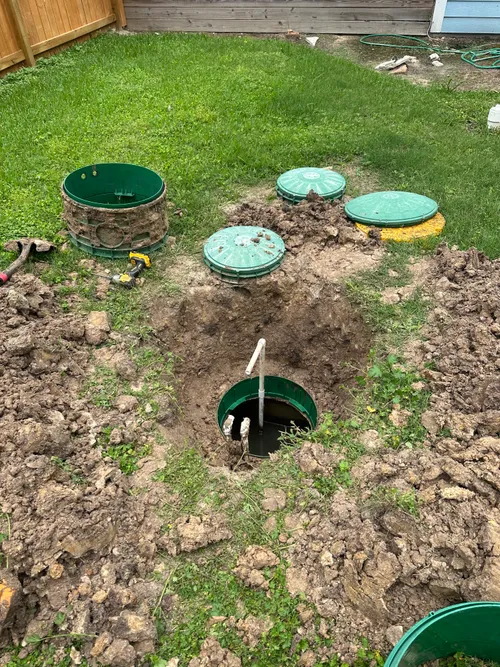
4R Septic & Construction LLC. provides septic system repair and installation services in College Station, TX. They offer residential and commercial septic solutions, including aerobic septic services, maintenance contracts, repairs, installations, permitting, and designs. The company serves multiple counties in the region, such as Austin, Brazos, Fort Bend, Harris, and Montgomery. With over 10 years of experience, 4R Septic & Construction LLC. is licensed and insured to handle various septic system needs.
Understanding Local Regulations and Permits
In Texas, septic systems are formally known as On-Site Sewage Facilities (OSSFs). In College Station and Brazos County, the Brazos County Health District is the local authority responsible for reviewing plans and issuing permits for all new installations and replacements. You cannot begin any construction without their approval.
The permitting process is designed to ensure your system is designed and installed correctly for your specific property conditions. A residential permit typically costs around $445, while commercial system permits are about $570 1. It's important to note that if you are replacing a failing system, the project often triggers a mandatory upgrade to meet current Texas Commission on Environmental Quality (TCEQ) standards, which can significantly impact the project's scope and cost 2.
The Critical First Step: Site Evaluation
Before any design work can begin, a licensed professional must conduct a thorough site evaluation. This is not a mere formality; it is a legally required assessment that determines the feasibility and type of system your land can support.
The evaluator, often a licensed engineer or site evaluator, will analyze:
- Soil Composition: They perform percolation (perc) tests to determine how quickly water drains through your soil.
- Groundwater Depth: The depth to the seasonal high water table is measured.
- Site Slope: The topography of your land is assessed.
This evaluation dictates whether a conventional gravity-fed system or a more advanced aerobic treatment system (ATS) is necessary. In areas with poor drainage or high groundwater-common in parts of Texas-an aerobic system may be the only viable option 3 4.
System Design and Planning Review
Once the site evaluation is complete, a system can be designed. The design must comply with TCEQ regulations, which include strict setbacks from property lines (typically 100 feet), water wells, and structures 5. Your chosen installer or a septic design professional will create detailed plans that include the tank size, drain field layout, and all components.
These plans must be submitted to the Brazos County Health District for a planning review before a permit is issued 6. This review ensures the proposed design meets all regulatory requirements for your specific site conditions.
Installation Process and Inspections
With permit in hand, installation can begin. The process involves excavation, placing the septic tank and distribution box, and constructing the drain field (or spray field for aerobic systems). Throughout construction, mandatory inspections by the county are required to ensure compliance with the approved plans.
Key inspection points include:
- Pre-cover Inspection: This is the most critical inspection. After the tanks, pipes, and drain field are installed but before they are backfilled with soil, a county inspector must examine the work. This ensures everything is placed correctly according to the design 7.
- Final Inspection: Once the system is fully installed and the landscape is restored, a final inspection is conducted for approval before the system can be put into operation 8.
Find the perfect septic tank installation & replacement contractors for your needs
Get personalized recommendations and expert advice
Cost Breakdown for College Station
The total cost for a new septic system installation in College Station varies widely based on system type, soil conditions, and property size. It's essential to budget for both the system itself and all associated professional services.
- Conventional Gravity System: For suitable sites, total costs often range from $10,000 to $16,000 or more. This includes materials (tank, pipes, gravel) costing $4,500-$7,500 and labor/excavation costing $4,000-$6,000.
- Aerobic Treatment System (ATS): Required for challenging sites, these systems are more complex and expensive. Total installation costs commonly range from $16,000 to $28,000+. Aerobic units themselves cost $10,000-$16,000, with additional labor and excavation costs of $6,000-$9,000 9.
- System Replacement: Replacing an old system adds the cost of excavating and disposing of the old tank and potentially remediating the existing drain field area. This can add $3,000 to $8,000 to the total project cost 10.
Remember, these figures are for the installation alone and do not include the cost of the mandatory site evaluation, design, and permit fees.
Maintaining Your New System
A properly installed system is only the beginning. Protecting your investment requires regular maintenance. The City of College Station recommends having your septic tank pumped by a licensed professional every 3 to 5 years and inspected at least every 3 years 11. For aerobic systems, more frequent servicing (often quarterly or semi-annually) is required to maintain the mechanical components and state operating permit. Proper maintenance prevents premature failure, protects the environment, and is much less costly than an emergency replacement.
Choosing the Right Professional
Given the regulatory complexity and long-term importance of a septic system, selecting the right installer is crucial. Look for licensed, insured professionals with extensive experience in Brazos County. They should be familiar with the local Health District's processes and inspectors. A reputable provider will handle the permit application, coordinate the site evaluation and inspections, and provide clear warranties on their workmanship and the equipment installed.
Frequently asked questions
Sources
Footnotes
-
On Site Sewage Facilities - Brazos County Health District - https://health.brazoscountytx.gov/on-site-sewage-facilities/ ↩
-
Getting a Permit for an OSSF - Such as a Septic System - Texas Commission on Environmental Quality - https://www.tceq.texas.gov/permitting/ossf/ossfpermits.html ↩
-
Texas Septic Tank Rules - https://dillonseptic.com/texas-septic-tank-rules/ ↩
-
Septic System Install Timeline - https://www.rciseptic.com/complete-step-by-step-timeline-septic-system-installation-from-permit-to-finish ↩
-
Septic System FAQs - https://newtools.cira.state.tx.us/upload/page/7913/docs/Health/Water%20Quality/Water%20Quality%20FAQs%20%282%29.pdf ↩
-
SEPTIC SYSTEM LAWS IN TEXAS - https://www.terseptic.com/posts/septic-systems-its-the-law ↩
-
Installing a Septic System at Your Home: What the Process ... - https://brighteyestexas.com/installing-a-septic-system-at-your-home-what-the-process-looks-like/ ↩
-
Septic System Installation 101: A Beginner's Guide - https://www.townesseptic.com/blog/septic-system-installation-beginners-guide ↩
-
Average Cost to Install Septic System in Texas - https://dillonseptic.com/average-cost-to-install-septic-system-in-texas/ ↩
-
Cost of a Septic System in Texas - https://dillonseptic.com/cost-of-a-septic-system-in-texas/ ↩
-
On-Site Sewage Facilities | City of College Station - https://www.cstx.gov/business-development/engineering/on-site-sewage-facilities/ ↩