
Find the Best Septic Tank Installation & Replacement Contractors for Your Business
No obligation • Fast responses • Nationwide coverage

Why you can trust Septic Spot
Septic Spot is a leading United States resource for understanding and comparing septic services. Our editors review providers using consistent criteria and verify key business details. Listings and scores are independent, and companies cannot pay to influence our content.
Search providers near you
Top Septic Tank Installation & Replacement Contractors in Waco, Texas Ranked
Installing or replacing a septic system is a significant project that ensures your property has a safe, long-term wastewater treatment solution. For Waco homeowners, this process is governed by specific state and local regulations to protect public health and the environment. This guide will help you understand the steps, costs, and key considerations for septic system work in Central Texas, empowering you to make informed decisions when selecting a local professional.
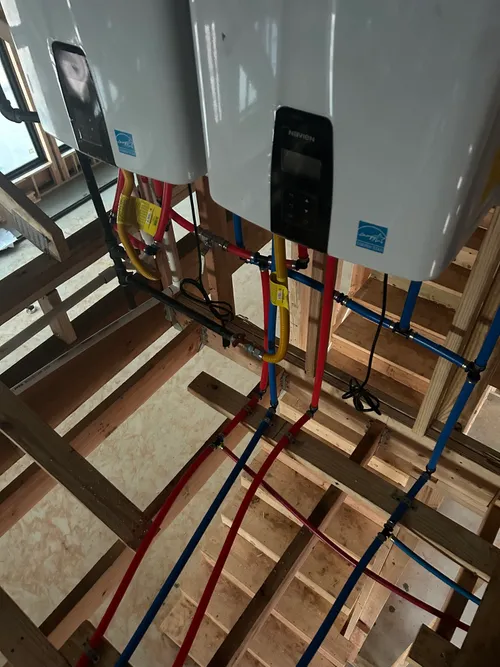
Johnson SPD LLC
Waco, TX
Johnson SPD LLC offers a range of septic services in Waco, TX, including septic tank pumping, inspections, repairs, and full system installations. Serving Central Texas and Oklahoma, the company provides plumbing and septic solutions with competitive pricing and warranties. Their capabilities include hydro jetting and comprehensive septic repairs to maintain system efficiency and prevent damage.
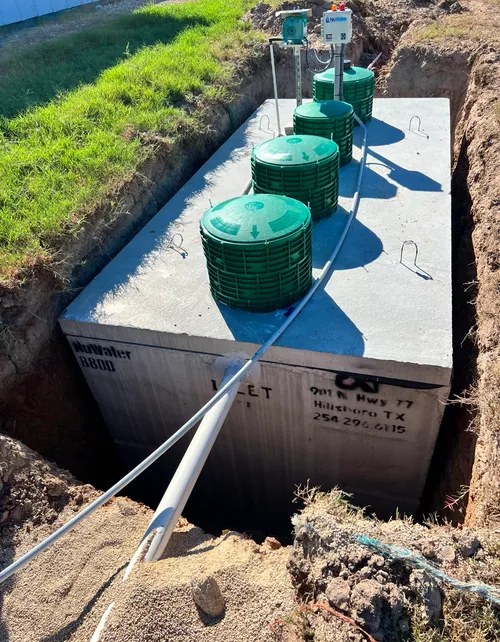
Waco Septic Company
1225 Franklin Ave Ste 100, Waco, TX 76701
Waco Septic Company provides septic tank pumping, installation, and maintenance services in Waco, TX. They focus on delivering reliable waste management solutions for residential and commercial properties. The company offers expert septic system services tailored to the needs of the local community.

Dusty Rhodes Septic and More
Waco, TX
Dusty Rhodes Septic and More is a septic service provider located in Waco, TX. They offer a range of services including septic tank pumping, inspection, repair, installation, and replacement. The company uses advanced camera-eye technology for inspections to ensure accurate and efficient service. They handle issues from routine pumping to full system replacement, helping maintain the proper function of septic systems and prevent costly failures.
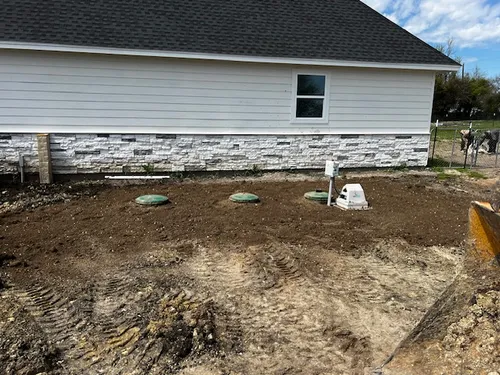
K&M Contracting LLC
Waco, TX
K&M Contracting LLC provides septic system installation, inspection, and repair services in Waco, TX, and the surrounding Central Texas region. They specialize in septic solutions for homeowners, businesses, and property developers, with expertise in local soil conditions and regulatory requirements. The company serves areas including Waco, Woodway, Hewitt, Robinson, Bellmead, China Spring, and Lorena. K&M Contracting offers tailored septic system services designed to address challenges such as clay-heavy soils and fluctuating water tables common in Central Texas.
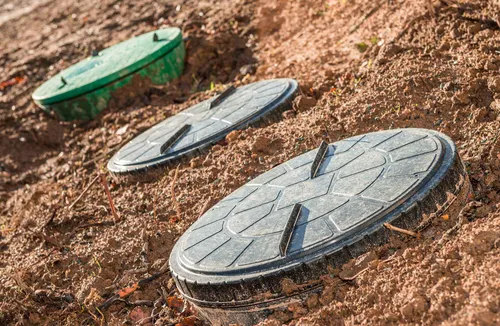
Reddell Septic LLC
17982 Gholson Rd, Waco, TX 76705
Reddell Septic LLC provides septic tank installation, maintenance, and inspection services in Waco, TX. They handle various septic systems including aerobic, conventional, low pressure dosing, and wastewater septic systems. The company emphasizes regular septic tank pumping and inspections to prevent costly issues. Reddell Septic LLC serves as a comprehensive resource for septic system needs in the area.
Understanding Septic Systems in Central Texas
A septic system, or On-Site Sewage Facility (OSSF), is a private wastewater treatment plant for properties not connected to a municipal sewer line. In the Waco area, the type of system you can install is heavily dependent on your specific soil conditions. Many local soils are clay-heavy, which has poor drainage and often requires a more advanced aerobic treatment system (ATS) instead of a conventional gravity-fed system. Understanding this distinction is the first step in planning your project, as it directly impacts the design, cost, and long-term maintenance requirements.
The Legal and Regulatory Framework
All septic system installation, replacement, and major repair work in Waco requires adherence to Texas Commission on Environmental Quality (TCEQ) rules and local city ordinances. The permitting authority is the City of Waco Environmental Health Department. You must obtain a permit before any construction begins, and the work must be performed by a state-licensed installer-unless you are installing the system at your own primary residence, in which case you may act as your own installer. This regulatory framework is designed to ensure systems are built correctly to prevent groundwater contamination and public health hazards.
The Permit Process
The permitting process is a multi-step sequence that ensures your planned system meets all legal and engineering standards:
- Site Evaluation & Design: A licensed site evaluator or professional engineer assesses your property. They conduct tests, like a soil percolation test, to determine soil depth, permeability, and groundwater levels. This evaluation dictates the system type and design 1.
- Permit Application: The system design plans are submitted to the City of Waco Environmental Health Department for review. For a standard single-family residential system, the permit fee is typically around $210.
- Installation: A licensed installer executes the plan, placing the septic tank and constructing the drain field or spray field.
- Inspection: A city inspector visits the site before the system is backfilled. They verify proper tank placement, pipe alignment, gravel bed depth, and check for leaks.
- Final Approval: After a successful inspection, the city issues a "Notice of Approval," allowing the system to be covered and placed into operation 2 3.
Types of Septic Systems Used in Waco
The two primary types of residential septic systems you'll encounter in the Waco area are:
- Conventional Gravity System: This is the most basic type, suitable for properties with sufficiently deep, permeable soil. Wastewater flows by gravity from the home to the septic tank, where solids settle. The liquid effluent then flows into a network of perforated pipes in a gravel-filled drain field for further soil treatment. These systems are generally less expensive but are not always viable due to local soil constraints.
- Aerobic Treatment System (ATS): Often required in areas with shallow soil, high clay content, or high groundwater-common in parts of Central Texas. An ATS uses an aerator to pump oxygen into the treatment tank, stimulating bacteria that break down waste more efficiently. The treated effluent is then dispersed via a spray field. These systems provide a higher level of treatment but are more complex and costly to install and maintain 4 5 6.
Find the perfect septic tank installation & replacement contractors for your needs
Get personalized recommendations and expert advice
Cost Factors for Installation and Replacement
The total cost for a new septic system or a full system replacement in Waco can vary widely based on several key factors. Understanding these can help you budget effectively.
- System Type: This is the largest cost determinant. A conventional gravity system may range from approximately $5,000 to $9,000 or more, while an aerobic system typically starts around $10,000 and can exceed $16,000 for a full installation.
- Site Conditions: Difficult terrain, rocky soil, or the need for extensive excavation or clearing will increase labor and equipment costs. Properties with significant slopes may require a pump to move effluent, adding to the price.
- System Size & Complexity: The size of the tank and drain field is based on the number of bedrooms in your home. Larger homes require larger, more expensive systems. Additional components like pump tanks or advanced treatment filters also add cost.
- Permitting & Design: Remember to factor in the cost of the site evaluation/design (several hundred dollars) and the city permit fee (approximately $210 for residential) 7 8.
The Installation Timeline
From start to finish, a septic system project is not an overnight process. Planning for the following general timeline can help manage expectations:
- Planning & Design (1-3 weeks): This includes hiring a designer/evaluator, conducting the site assessment, and preparing the engineering plans for permit submission.
- Permit Review (2-4 weeks): The City of Waco reviews the submitted plans. This time can vary based on their workload and the complexity of your application 9.
- Installation (3-7 days): Once the permit is in hand, the physical installation of the tank and drain field typically takes less than a week, weather permitting.
- Inspection & Final Approval (1-2 days): The final inspection is scheduled, and approval is granted shortly after if everything passes.
Long-Term Maintenance is Crucial
A properly installed system is only the beginning. Regular maintenance is legally required, especially for aerobic systems, and is essential for long-term performance and avoiding costly failures.
- Pumping: All septic tanks need to be pumped every 3-5 years to remove accumulated solids.
- Aerobic System Maintenance: Texas law requires homeowners with aerobic systems to maintain a maintenance contract with a licensed provider. These contracts typically include 3-4 inspections and service visits per year to ensure the aerator, spray heads, and alarms are functioning correctly.
- Monitoring: Be mindful of what goes down your drains. Avoid flushing non-biodegradable items, excessive use of garbage disposals, and pouring grease or harsh chemicals into the system.
Signs You May Need a System Replacement
How do you know if your existing system needs repair or a full replacement? Look for these warning signs:
- Drainage Problems: Sinks, showers, and toilets draining very slowly.
- Unpleasant Odors: Sewage smells in your yard or home.
- Wet, Spongy Yard: Soggy ground or standing water over the drain field, especially when it hasn't rained.
- Sewage Backup: Wastewater backing up into household drains.
- Unusually Green Grass: Lush, fast-growing grass over the drain field area, indicating a potential effluent leak.
If you notice any of these issues, contact a licensed professional immediately for an evaluation to prevent environmental damage and more extensive repairs.
Frequently asked questions
Sources
Footnotes
-
Basics for Septic Systems - https://www.tceq.texas.gov/assistance/water/fyiossfs.html ↩
-
Installing a Septic System at Your Home: What the Process ... - https://brighteyestexas.com/installing-a-septic-system-at-your-home-what-the-process-looks-like/ ↩
-
Septic System Installation 101: A Beginner's Guide - https://www.townesseptic.com/blog/septic-system-installation-beginners-guide ↩
-
Texas Septic System Regulations - https://dillonseptic.com/texas-septic-system-regulations/ ↩
-
SEPTIC SYSTEM LAWS IN TEXAS - https://www.terseptic.com/posts/septic-systems-its-the-law ↩
-
Texas Septic Tank Rules - https://dillonseptic.com/texas-septic-tank-rules/ ↩
-
On-Site Sewage Facilities Program (OSSF) - City of Waco - https://www.waco-texas.com/Departments/Health-District/Environmental-Health/On-Site-Sewage-Facilities-Program ↩
-
Average Cost to Install Septic System in Texas - https://dillonseptic.com/average-cost-to-install-septic-system-in-texas/ ↩
-
Septic system permit review process. - Texas Onsite - https://www.texasonsite.com/residentialsepticsystem/septicsystempermitrev.html ↩