
Find the Best Septic Tank Installation & Replacement Contractors for Your Business
No obligation • Fast responses • Nationwide coverage

Why you can trust Septic Spot
Septic Spot is a leading United States resource for understanding and comparing septic services. Our editors review providers using consistent criteria and verify key business details. Listings and scores are independent, and companies cannot pay to influence our content.
Search providers near you
Top Septic Tank Installation & Replacement Contractors in McKinney, Texas Ranked
Installing or replacing a septic system is a significant investment in your property's long-term functionality and value. In McKinney, this process is governed by specific state and county regulations designed to protect public health and the local environment. Whether you're building a new home on a rural lot or upgrading an aging system, understanding the steps, costs, and local requirements is crucial. This guide will help you navigate the journey from soil testing to final inspection, providing the knowledge you need to work effectively with local septic professionals.
Straight Shooter Plumbing and Rooter
629 National Dr, Rockwall, TX 75032
Straight Shooter Plumbing and Rooter is a plumbing company serving Dallas, TX, and surrounding Texas communities. They offer a wide range of plumbing services including septic tank installation and repair, sewer line services, drain cleaning, water heater installation, leak detection, and under slab tunneling for sewer and water line repairs. Their expertise in trenchless pipe repair and septic system services supports both residential and commercial needs. The company is family-run, with licensed, bonded, and insured plumbers, and provides a workmanship guarantee. They serve multiple cities across Texas, including Rockwall, Fort Worth, Garland, and Plano.
Royal Flush Septic, Inc.
306 N Ash Dr STE D, Allen, TX 75002
Royal Flush Septic, Inc. is a septic tank installation contractor serving Dallas, TX. Since 2001, they have provided residential and commercial septic system installations across the Dallas-Fort Worth Metroplex. Their services include on-site soil evaluations, system design tailored to client needs, and installation backed by a two-year structural guarantee. The company supports home builders and property managers with septic solutions designed for various property sizes and types.
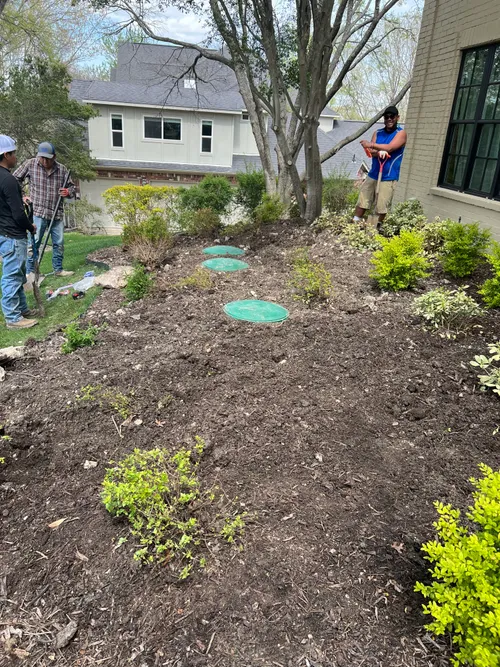
Year Round Septic
Dallas, TX
Year Round Septic is a septic service provider based in Dallas, TX. They specialize in septic tank installation for new construction and replacement projects, septic tank repair, and comprehensive septic tank inspections. The company offers 24/7 emergency services to address urgent septic system issues promptly. They also facilitate regular septic tank pumping for both residential and commercial properties to maintain system functionality and prevent problems.

Total Septic
3300 Maroon Creek Rd, Aubrey, TX 76227
Total Septic is a locally owned and operated company based in Dallas, TX, offering a full range of septic system services including installation, pumping, inspection, and repair. They serve multiple Texas counties such as Collin, Grayson, Denton, Rockwall, Fannin, and Hunt. The company specializes in various septic systems including traditional, aerobic, plastic/poly, and concrete tanks, ensuring each installation meets local codes and site conditions. Total Septic also provides excavation services like land clearing, grading, trenching, and demolition for residential and commercial projects. With decades of combined experience, they manage projects with modern equipment and a focus on compliance and safety.
HomeField Collin County
McKinney, TX
HomeField Collin County provides septic system services in McKinney, TX, including septic tank pumping, inspection, repair, installation, and pump replacement. The company is known for thorough septic system repairs and maintenance, with technicians who explain system components clearly to customers. HomeField Collin County serves residential clients throughout the area, offering knowledgeable and responsive service to address various septic needs.
Understanding McKinney's Septic System Regulations
In Texas, all On-Site Sewage Facilities (OSSFs), commonly known as septic systems, are regulated by the Texas Commission on Environmental Quality (TCEQ) 1. For McKinney residents, these state rules are typically administered locally by the Collin County Environmental Services office. A fundamental rule is that a permit is mandatory before any construction, alteration, or replacement of a septic system can begin. This regulatory framework ensures that every system is designed and installed to safely treat wastewater based on your property's specific conditions.
The person performing the installation must be a licensed septic installer in the state of Texas. The only exception is if the homeowner is installing a system on their own single-family residence, though navigating the permit and design process alone is complex. Working with a licensed professional is strongly recommended, as they understand the local approval process and can ensure your system meets all code requirements from the start.
The Critical First Step: Site Evaluation and Soil Testing
Before any design work can start, a licensed site evaluator must conduct a thorough analysis of your property. This is not a simple "perk test" but a comprehensive site evaluation that determines the feasibility and type of system your land can support. The evaluator will dig deep soil profiles to check for groundwater levels and identify restrictive layers, such as the dense clay common in North Texas.
The most important outcome of this test is determining the soil's application rate (often notated as Q<sub>a</sub>), which measures how quickly water absorbs into the ground 2. This rate directly dictates the size and design of the drainfield. In areas with suitable, well-draining soil, a conventional anaerobic system may be possible. However, in much of McKinney and surrounding Collin County, the soil has a high clay content, which absorbs water very slowly. In these cases, a more advanced aerobic treatment system (ATS) with spray irrigation is often required to properly treat and disperse effluent.
System Types: From Conventional to Aerobic
The type of septic system installed on your McKinney property is not a matter of choice but of necessity, dictated by the site evaluation results.
- Conventional (Anaerobic) Systems: These are standard septic systems consisting of a tank and a subsurface drainfield (trenches or beds). They rely on bacterial action in an oxygen-free tank and soil filtration in the drainfield. They are typically only approved if the soil percolation is sufficiently fast 3.
- Aerobic Treatment Systems (ATS): Due to the prevalent clay soils, these are frequently required in the McKinney area. An ATS uses an aerated chamber to break down waste more efficiently, producing a higher quality effluent. This treated effluent is then dispersed via a spray irrigation field across the lawn's surface, as the soil cannot absorb it quickly enough below ground 4. These systems involve more mechanical components, require more electricity, and need regular maintenance visits, but they are essential for proper function in challenging soils.
The Installation Process: A Step-by-Step Guide
Once you have a licensed installer and a design based on your site evaluation, you'll move through a defined process.
- Submit Permit Application: Your installer will submit the planning materials-including the system design, permit application, and site evaluation report-to the county for review.
- Permit Issuance: After review, Collin County will issue an "Authorization to Construct," giving you the green light to begin installation.
- Excavation and Installation: The installer will excavate for the tank and drainfield according to the approved plan. Proper placement, pipe slope, and gravel installation in the drainfield are critical 5.
- Required Inspections: The county mandates inspections at key stages to ensure compliance 6 7:
- Excavation Inspection: Before the tank goes in, an inspector checks the hole's location, depth, and preparation.
- System Inspection: After the tank and pipes are set but before backfilling, the inspector verifies everything is installed correctly.
- Final Inspection: After backfill, a final check ensures proper grading, system function, and that all setbacks from wells, property lines, and structures are met.
Find the perfect septic tank installation & replacement contractors for your needs
Get personalized recommendations and expert advice
Understanding the Costs of Septic System Installation
The total cost for a new septic system in McKinney can vary widely based on system type, property conditions, and tank size. It's important to budget for both the system itself and the required permitting and design fees.
- Permit and Design Fees: Collin County permit fees typically range from $400 to $900, which covers the review and inspection process 8. The site evaluation and system design by a licensed professional are separate costs.
- Conventional System Cost: If your soil supports a standard anaerobic system, total installation costs generally range from $4,500 to $8,500 for a typical single-family home 9.
- Aerobic System Cost: For the aerobic systems often required in the area, costs are significantly higher due to the added equipment, electrical work, and engineering. You can expect to invest between $10,000 and $18,000 or more 10 11.
- Overall Average: Considering all system types, a typical complete septic system installation for a residential property in Texas often falls between $5,000 and $15,000 12 13.
Maintaining Your New Septic System
Proper maintenance is not just recommended; for aerobic systems, it's a legal requirement. TCEQ mandates that aerobic systems be maintained under a contract with a licensed maintenance provider 14. This ensures pumps, aerators, and alarms function correctly. Even conventional systems need regular pumping every 3-5 years and careful water usage to prevent drainfield failure. Protecting your drainfield from vehicle traffic and managing what goes down the drains are key to a long system life.
When Replacement is Necessary
Replacing an existing septic system follows nearly the same process as a new installation. Signs you may need a replacement include persistent soggy ground or sewage odors in the yard, frequent backups in the house, or failing a county inspection. The replacement will require a new site evaluation and permit, as regulations and soil conditions may have changed since the original system was installed 15.
Frequently asked questions
Sources
Footnotes
-
Basics for Septic Systems - https://www.tceq.texas.gov/assistance/water/fyiossfs.html ↩
-
Septic System Approval: Percolation Test & Expert Guidance - https://smartsepticpros.com/blog/how-to-do-a-percolation-test/ ↩
-
Tulsa Septic Pumping | Conventional Septic Tank Installation - https://miltysboysseptic.com/services/install-conventional-septic-tanks-and-lateral-lines/ ↩
-
What laws in Texas apply to septic systems? - Water School - https://brazos.org/about-us/education/water-school/articleid/349/what-laws-in-texas-apply-to-septic-systems ↩
-
Septic System Installation 101: A Beginner's Guide - https://www.townesseptic.com/blog/septic-system-installation-beginners-guide ↩
-
Septic System Install Timeline | RCI Septic Service - https://www.rciseptic.com/complete-step-by-step-timeline-septic-system-installation-from-permit-to-finish ↩
-
Texas Septic Tank Rules - https://dillonseptic.com/texas-septic-tank-rules/ ↩
-
Septic Tank - Understanding Septic Tank Permits and Regulations - https://westcoastsanitationinc.com/understanding-septic-tank-permits-and-regulations/ ↩
-
Average Cost to Install Septic System in Texas - https://dillonseptic.com/average-cost-to-install-septic-system-in-texas/ ↩
-
Septic System Installation Checklist - https://www.mecindustries.com/morse-engineering-and-construction-industries/septic-system-installation-checklist ↩
-
Cost of a Septic System in Texas - https://dillonseptic.com/cost-of-a-septic-system-in-texas/ ↩
-
Understanding Septic Tank Permits and Regulations - https://westcoastsanitationinc.com/understanding-septic-tank-permits-and-regulations/ ↩
-
How much does it cost to put in a well and septic system in texas? - https://homealliance.com/faq/how-much-does-it-cost-to-put-in-a-well-and-septic-system-in-texas ↩
-
Advice for an Owner of an On-Site Sewage Facility (Septic System) - https://www.tceq.texas.gov/permitting/ossf/ossfadvice.html ↩
-
Getting a Permit for an OSSF - Such as a Septic System - https://www.tceq.texas.gov/permitting/ossf/ossfpermits.html ↩