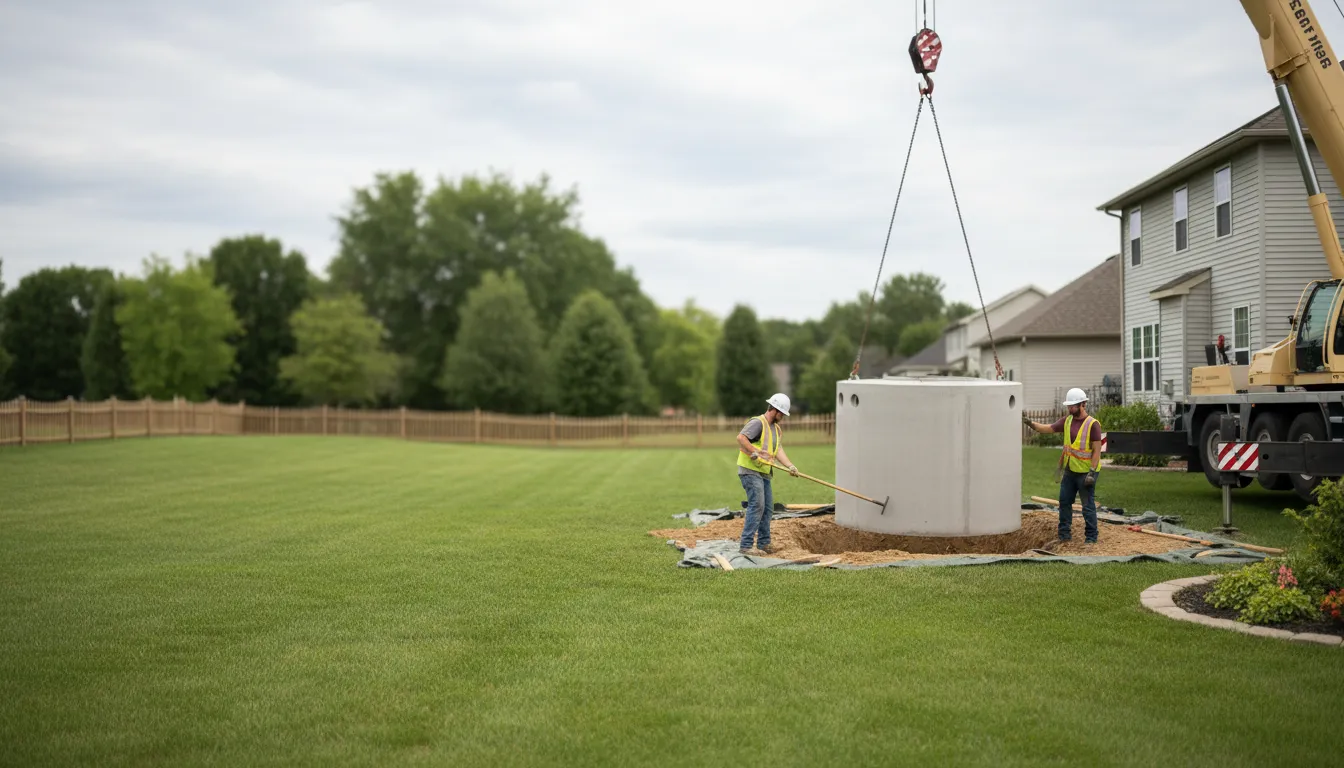
Find the Best Septic Tank Installation & Replacement Contractors for Your Business
No obligation • Fast responses • Nationwide coverage

Why you can trust Septic Spot
Septic Spot is a leading United States resource for understanding and comparing septic services. Our editors review providers using consistent criteria and verify key business details. Listings and scores are independent, and companies cannot pay to influence our content.
Search providers near you
Top Septic Tank Installation & Replacement Contractors in Dallas, Texas Ranked
Installing or replacing a septic system is a significant home improvement project that ensures your property has a safe, long-lasting, and environmentally sound method for treating wastewater. In Dallas, this process is governed by specific state and local regulations to protect groundwater and public health. Understanding the steps, costs, and requirements can help you navigate the project confidently and connect with qualified local professionals who can ensure the job is done correctly from the initial site evaluation to the final inspection.
Straight Shooter Plumbing and Rooter
629 National Dr, Rockwall, TX 75032
Straight Shooter Plumbing and Rooter is a plumbing company serving Dallas, TX, and surrounding Texas communities. They offer a wide range of plumbing services including septic tank installation and repair, sewer line services, drain cleaning, water heater installation, leak detection, and under slab tunneling for sewer and water line repairs. Their expertise in trenchless pipe repair and septic system services supports both residential and commercial needs. The company is family-run, with licensed, bonded, and insured plumbers, and provides a workmanship guarantee. They serve multiple cities across Texas, including Rockwall, Fort Worth, Garland, and Plano.
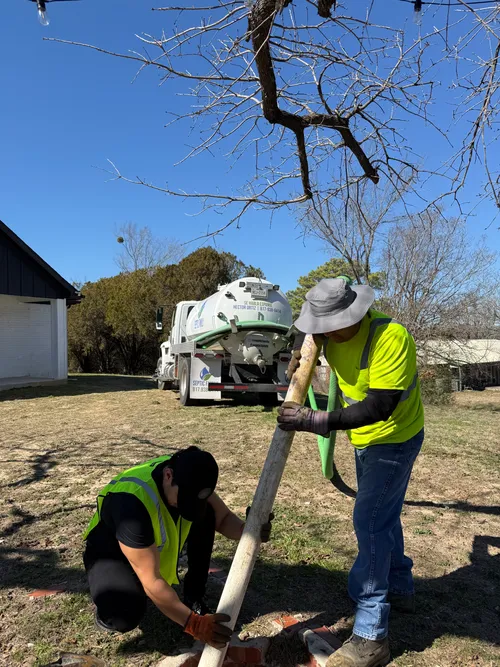
Septic family
545 Harrold St apt 7001, Fort Worth, TX 76107
Septic Family is a septic tank pumping, cleaning, repair, and installation company serving Dallas, TX, and surrounding areas including Fort Worth and multiple nearby communities. The company specializes in both conventional and aerobic septic systems, offering maintenance contracts, installations, and repairs. With 17 years of experience, Septic Family provides bilingual services in English and Spanish and is available 24/7 for septic system needs.
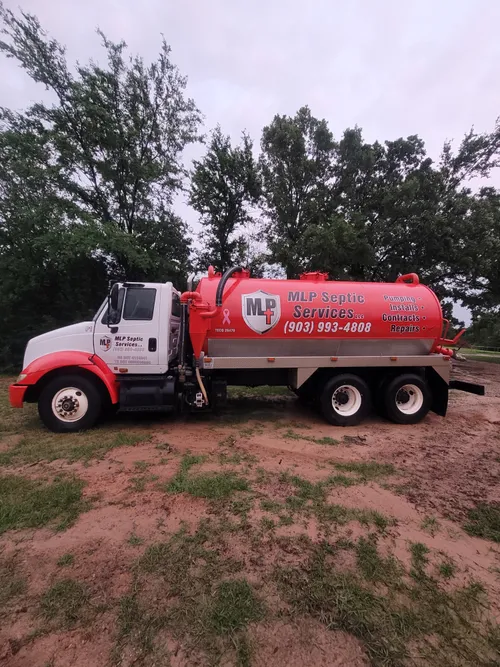
MLP Septic Services
747 vz, Co Rd 1906, Fruitvale, TX 75127
MLP Septic Services is a septic tank pumping, repair, and installation company serving Dallas, TX. They offer services for both residential and commercial properties, including conventional septic system installation, ongoing maintenance contracts, repairs, and pumping. With over 15 years of experience in the sewer water industry, MLP Septic Services focuses on maintaining the proper function and longevity of septic systems.
Quality Septic
836 Nob Hill Rd, Quinlan, TX 75474
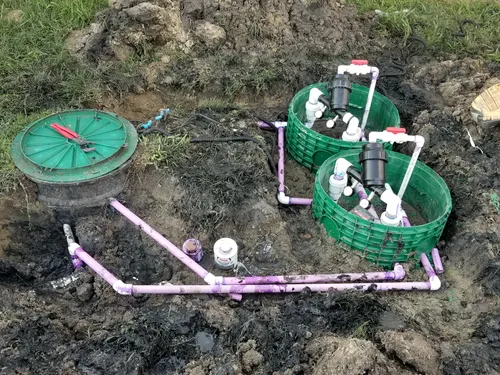
Quality Septic is a septic service company based in Dallas, TX, serving Quinlan and surrounding areas including Greenville, Rockwall, and Fairview. They provide installation, maintenance, pumping, and repair services for residential and commercial septic systems. The company is an authorized dealer for Norweco and Fuji Clean aerobic systems and also installs low-pressure dosing systems. They stock most parts for aerobic systems to enable faster emergency repairs. Quality Septic offers 24/7 emergency repair services to address septic issues promptly. The company emphasizes honesty, integrity, and ethical treatment in its customer interactions.
All Pro Septic
308 Katy St, Alba, TX 75410
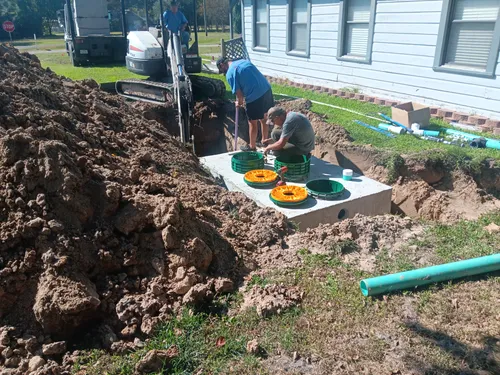
All Pro Septic is a family-owned septic system repair and installation company serving Dallas, TX. They provide comprehensive services for residential and commercial properties, including new septic system installations, repairs, and maintenance. Their expertise covers aerobic, conventional, and low pressure dosing septic systems, along with water line installation. With over 10 years of experience, All Pro Septic offers full design services and start-to-finish project solutions.
Understanding the Regulatory Landscape in Texas
In Texas, septic systems are formally known as On-Site Sewage Facilities (OSSF). All installations and major replacements require a permit from the local authorized agent, which in the Dallas area is typically the county health department or a designated environmental agency. These local authorities enforce rules established by the Texas Commission on Environmental Quality (TCEQ). It is illegal to begin construction without an approved permit, with the only exception being emergency repairs, which must still be reported to the permitting authority within 72 hours 1. Working with a TCEQ-licensed installer is mandatory for most projects, though Texas law does allow homeowners to install a system on their own homestead property if they obtain the necessary approvals.
The First Step: Site Evaluation and System Design
Before any paperwork is filed, the process begins with a critical site evaluation. A licensed site evaluator must visit your property to conduct a thorough analysis. This includes a soil test, often called a percolation test, which involves digging test pits to assess soil composition, depth to groundwater, and the soil's ability to absorb and treat wastewater (its percolation rate) 2. The results of this evaluation are paramount; they determine not only if your lot is suitable for a conventional septic system but also what type of system is required.
Based on the findings, a licensed designer-often a professional engineer or qualified installer-will create a system plan. In areas of Dallas with heavy clay soils, which have poor drainage, a conventional gravity-fed trench system may not be sufficient. In these cases, an advanced aerobic treatment unit (ATU) is commonly required 3. The design plan, along with the site evaluation report, forms the core of your permit application submitted to the local authority for review and approval.
Navigating the Permitting Process
The permitting process is a formal sequence designed to ensure compliance with all health and environmental standards. After the design is complete, your installer or designer will submit the application package to the local permitting office. This package includes the site evaluation, engineered design plans, and the completed application forms 4 5. The authority will review the submission to verify it meets all TCEQ standards, including critical distance requirements. For example, septic tanks and drain fields must generally be located at least 100 feet from property lines, water wells, and certain bodies of water 6 7. Once approved, you will receive the permit to begin construction. Permit and associated fees themselves can range from $200 to $1,500, depending on the jurisdiction and system complexity 8 9.
The Installation Process and Key Inspections
With permit in hand, the physical installation can begin. For a conventional system, this typically involves excavating for the septic tank and the drain field (or absorption area). The tank is set and leveled, and the network of pipes in the drain field is carefully laid according to the approved design. It is crucial that the installation follows the plan exactly, as deviations can lead to system failure or permit violations.
To ensure compliance, the permitting authority requires a series of inspections conducted by a licensed inspector 10. These usually include:
- Pre-Construction/Site Inspection: This may occur before the permit is finalized.
- Mid-Project Inspection (Pre-Backfill): This is the most critical inspection. It happens after the tank and drainage components are placed but before they are covered with soil. The inspector verifies the materials, layout, and installation quality 11.
- Final Inspection: After the system is fully installed and the site is restored, a final inspection ensures everything is operational and the installation is complete. Passing this inspection is necessary to close the permit 12.
Find the perfect septic tank installation & replacement contractors for your needs
Get personalized recommendations and expert advice
Cost Factors for Septic System Projects in Dallas
The total cost of a new septic system or a full system replacement in Dallas varies widely based on several key factors. The single largest influence is the type of system required by your soil conditions. A conventional gravity system is the most affordable option, while advanced aerobic systems, necessary for challenging soils, cost significantly more.
Here's a general breakdown of costs associated with a septic system project in the Dallas area 13:
- Site Evaluation & Design: $400 - $900 (often bundled into the total project cost).
- Permits & Fees: $200 - $1,500.
- Conventional System Installation (Materials & Labor): $8,500 - $13,500.
- Aerobic System Installation (Materials & Labor): $16,000 - $25,000+.
- Total Project Estimate: For a standard residential installation, you can expect a total cost ranging from $10,000 to over $20,000.
Other factors that can affect the price include the size of the tank needed for your household, the accessibility of your yard for heavy equipment, and the amount of landscaping or decking that needs to be removed and later restored.
Planning for a Successful System Replacement
Replacing an existing failed septic system follows largely the same process as a new installation, with a few additional considerations. The cause of the failure will need to be diagnosed-whether it's due to age, damage, or soil saturation-as it may impact the design of the new system. Furthermore, the old tank must be properly abandoned, which usually involves having it pumped out and either removed or filled with an inert material like gravel or concrete 14. Your licensed installer will handle this process and include it in the overall project plan and cost estimate.
Long-Term Considerations for Your New System
A properly installed septic system is a long-term investment. To protect it, be mindful of what goes into it. Avoid flushing chemicals, grease, or non-biodegradable materials. Conserve water to prevent overloading the drain field. Most importantly, adhere to a regular maintenance schedule, which includes pumping the tank every 3-5 years. For aerobic systems, maintenance contracts are highly recommended, as these systems have mechanical components like aerators and pumps that require regular servicing to function correctly 15 16.
Frequently asked questions
Sources
Footnotes
-
SEPTIC SYSTEM LAWS IN TEXAS - https://www.terseptic.com/posts/septic-systems-its-the-law ↩
-
Septic Design Approval Essentials by Anderson Engineering - https://www.andersoneng.com/a-professional-guide-to-septic-design-approval-requirements/ ↩
-
Septic System Approval: Percolation Test & Expert Guidance - https://smartsepticpros.com/blog/how-to-do-a-percolation-test/ ↩
-
Getting a Permit for an OSSF - Such as a Septic System - Texas Commission on Environmental Quality - https://www.tceq.texas.gov/permitting/ossf/ossfpermits.html ↩
-
What laws in Texas apply to septic systems? - Water School - https://brazos.org/about-us/education/water-school/articleid/349/what-laws-in-texas-apply-to-septic-systems ↩
-
Basics for Septic Systems - https://www.tceq.texas.gov/assistance/water/fyiossfs.html ↩
-
Expert Septic Tank Planning Guidance - Smart Solutions - https://smartsepticpros.com/blog/septic-tank-planning-process/ ↩
-
How Much Does It Cost To Install a Septic System in Dallas, TX? - https://www.angi.com/articles/what-does-it-cost-install-septic-system/tx/dallas ↩
-
Average Cost to Install Septic System in Texas - https://dillonseptic.com/average-cost-to-install-septic-system-in-texas/ ↩
-
Septic Tank Installation Guide: Get It Done Right the First Time - https://www.wepumpitsepticservice.com/how-to-install-a-septic-tank ↩
-
Boone County Guide to Onsite Wastewater Treatment Systems and Soil Properties - https://www.showmeboone.com/resource-management/On-Site%20Wastewater/Guide-to-Onsite-Wastewater-Treatment-Systems-and-Soil-Properties-2022.pdf ↩
-
Installing a Septic System at Your Home: What the Process ... - https://brighteyestexas.com/installing-a-septic-system-at-your-home-what-the-process-looks-like/ ↩
-
Cost of a Septic System in Texas - https://dillonseptic.com/cost-of-a-septic-system-in-texas/ ↩
-
Complete Septic System Installation: Process, Permits, And Pitfalls - https://www.theseptictankman.com/blog/complete-septic-system-installation-process-permits-and-pitfalls ↩
-
Texas Septic System Regulations - https://dillonseptic.com/texas-septic-system-regulations/ ↩
-
Aerobic Septic System Cost in Texas (Updated 2026) - https://dillonseptic.com/aerobic-septic-system-cost-in-texas/ ↩