Find the Best Septic Tank Installation & Replacement Contractors for Your Business
No obligation • Fast responses • Nationwide coverage

Why you can trust Septic Spot
Septic Spot is a leading United States resource for understanding and comparing septic services. Our editors review providers using consistent criteria and verify key business details. Listings and scores are independent, and companies cannot pay to influence our content.
Search providers near you
Top Septic Tank Installation & Replacement Contractors in Houston, Texas Ranked
Installing or replacing a septic system is a significant home improvement project that requires careful planning and adherence to strict local regulations. In Houston, where heavy clay soils are common, the process involves specific design considerations, permitting, and professional installation to ensure a safe and functional wastewater treatment system for your property. This guide provides essential information on the steps, costs, and local requirements for septic system installation and replacement in Harris County, helping you understand what to expect and how to connect with qualified local professionals.
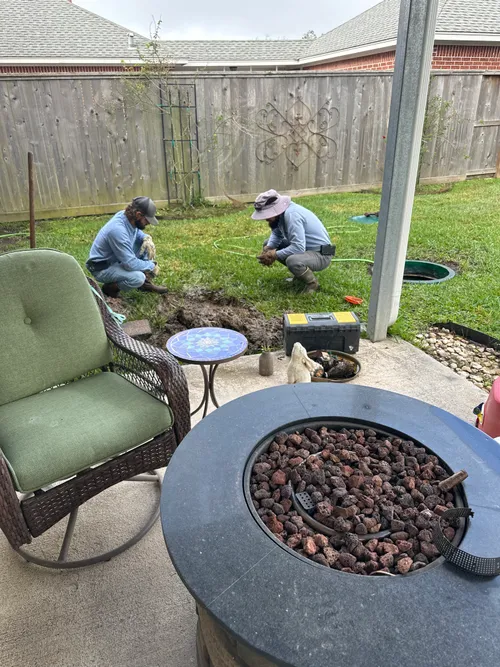
Brighteyes Septic
395 County Rd 608, Dayton, TX 77535
Brighteyes Septic is a septic tank pumping, inspection, repair, and installation company serving Houston, TX, and surrounding areas including Liberty, Dayton, and Baytown. The company offers comprehensive septic system services with a focus on professional installation and maintenance. With over 125 combined years of experience, Brighteyes Septic provides knowledgeable staff who prioritize customer education and environmental care. They serve multiple counties and communities around Houston and are known for their thorough inspections and timely repairs.
Abracadabra Septic Pumping
16655 FM 362, Waller, TX 77484
Abracadabra Septic Pumping is a family-owned business serving Houston, TX, and surrounding areas within 50 miles. Since 2004, they have provided residential and commercial septic system services including pumping, installation, and repairs. Their state-certified technicians handle projects of all sizes and offer same-day service to address septic system needs promptly. The company is fully licensed and insured, with manufacturer warranties supporting their work.
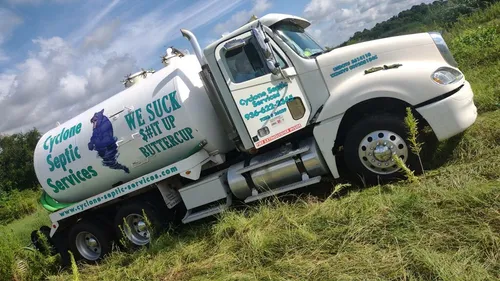
Cyclone Septic Services
Houston, TX
Cyclone Septic Services is a septic tank pumping and installation company based in Houston, TX. They provide a range of septic services including residential and commercial septic pump outs, grease trap jetting, pipe cleaning, and both conventional and aerobic septic system installations. The company serves Houston and surrounding areas such as Conroe, Montgomery, and Spring. Cyclone Septic Services uses efficient equipment and quality materials to ensure effective septic system maintenance and installation. They also offer hydro jetting plumbing services to clear stubborn clogs and maintain proper flow in plumbing systems.
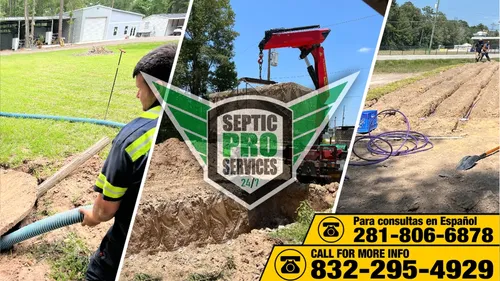
Septic Pro Services
17355 Reiss Trail, New Caney, TX 77357
Septic Pro Services offers comprehensive septic system solutions in Houston, TX, including inspections, pumping, installations, repairs, and maintenance for residential and commercial properties. The family-run company combines nearly two decades of construction and plumbing experience with state licensing and compliance expertise to ensure systems meet Texas Commission on Environmental Quality standards. Their capabilities include high-pressure hydro jetting to clear clogs and restore flow. Septic Pro Services provides emergency septic services available 24/7 for urgent pumping and repairs, emphasizing hands-on leadership and customer-focused care.
Brown Aerobic Septic Specialists
17618 South Dr, Cypress, TX 77433
Brown Aerobic Septic Specialists is a licensed septic and excavation company serving Houston, TX, and surrounding counties. They provide a wide range of services including aerobic and conventional septic system installation, repair, pumping, inspections, and drain field replacement. Their team also offers excavation services such as grading, land clearing, trenching, and pond construction. With a focus on local soil and weather conditions, they ensure systems meet code and perform reliably. The company is led by a second-generation septic professional and has experience servicing over 1,000 systems.
Understanding Houston's Septic System Landscape
The Greater Houston area, governed by Harris County regulations and Texas Commission on Environmental Quality (TCEQ) rules, presents unique challenges for on-site sewage facilities (OSSFs). The region's prevalent heavy clay soil has poor permeability, which often makes conventional gravity-fed drain fields unsuitable 1. Consequently, many properties require more advanced aerobic treatment systems (ATS), which actively treat wastewater before dispersing it via a spray field. This fundamental soil characteristic dictates the type of system you can install, the complexity of the design, and the overall project cost.
Whether you're building a new home beyond municipal sewer lines or replacing a failing septic tank, the process is highly regulated to protect public health and groundwater. All work must be performed by a licensed installer or, for a single-family residence, by the homeowner themselves, provided they follow all codes and obtain the necessary permits.
The Critical First Step: Site Evaluation and Design
Before any paperwork is filed, a professional site evaluation is mandatory. This is not a simple inspection; it's a detailed analysis conducted by a licensed site evaluator or professional engineer to determine the feasibility and design parameters for your onsite wastewater system.
The evaluator assesses several key factors 2:
- Soil Permeability (Perc Test): Measures how quickly water drains through the soil. Houston's clay often fails standard percolation tests.
- Depth to Groundwater: The system must be placed a safe distance above the seasonal high water table.
- Site Topography and Slope: Determines drainage and the placement of the tank and dispersal field.
- Lot Size and Setbacks: Regulations require minimum distances from property lines, wells, water bodies, and structures.
The findings from this evaluation directly inform the septic system design plans. These engineered plans specify the exact type of system (e.g., conventional, aerobic, drip irrigation), its size, location, and all components. You cannot obtain a permit without these approved plans 3.
Navigating the Harris County Permitting Process
The permitting authority for septic systems in Houston and unincorporated Harris County is the Office of the County Engineer. This process ensures your planned system complies with all state and local health codes.
Requirements for a Permit: To apply for a residential on-site sewage system permit, you will need:
- A valid property address and HCAD tax number.
- A site evaluation report and design plans from a licensed professional.
- A recorded affidavit filed with the County Clerk's office.
The Permit Journey:
- Plan Submission: Your licensed installer or designer submits the complete application package, including the site evaluation and detailed design plans, to the County Engineer's office.
- Review and Approval: County officials review the plans for compliance. Crucially, the permit must be approved before any excavation or construction begins 4.
- Inspections: Once permitted and during installation, the county engineer or an authorized agent will conduct inspections at critical stages, typically before the tank and drain field are covered 5 6.
Find the perfect septic tank installation & replacement contractors for your needs
Get personalized recommendations and expert advice
The Installation Process: Step-by-Step
With permit in hand, the physical installation of your new septic tank system can begin. This is a multi-stage process best left to experienced professionals.
- Excavation: Heavy equipment digs the holes for the septic tank and the drain field or spray field trenches according to the engineered plans.
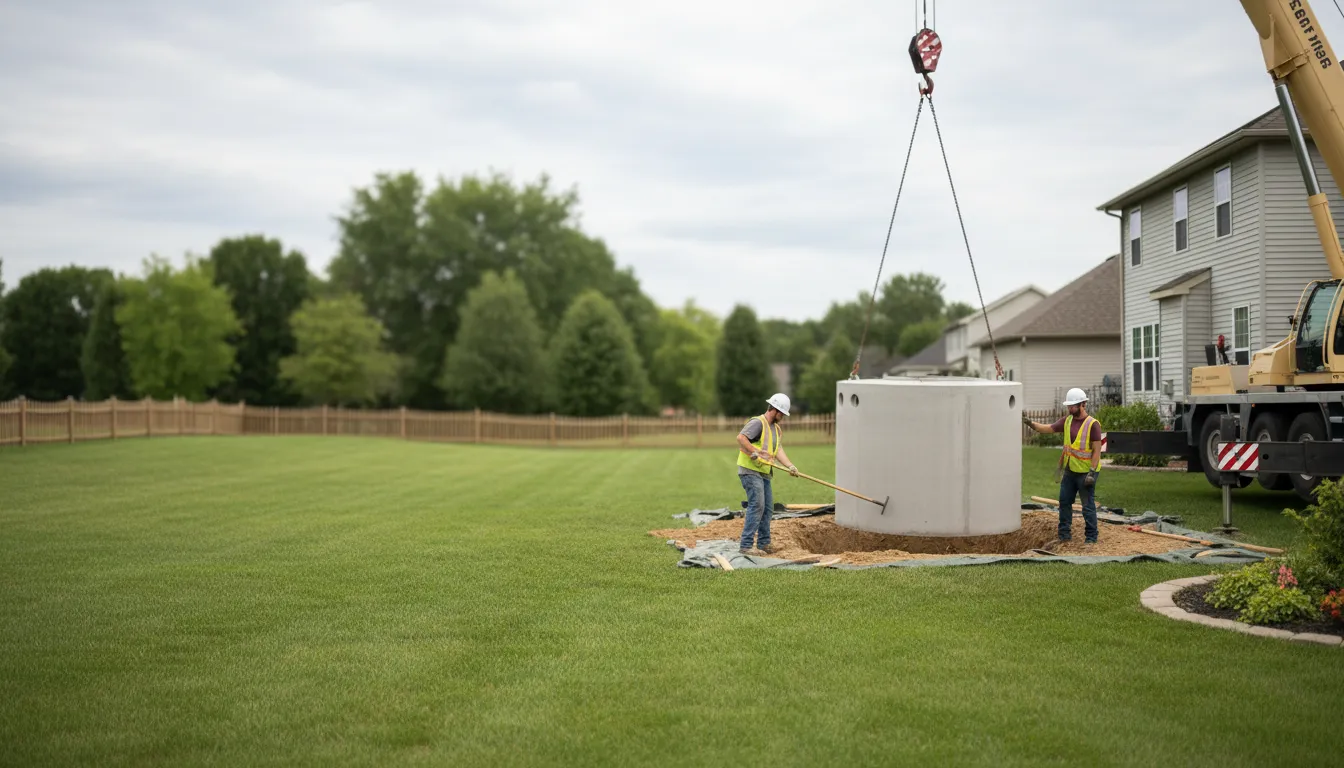
- Tank Placement: The pre-cast concrete or fiberglass septic tank is carefully lowered into place. For aerobic systems, the treatment unit is also set.
- Pipe and Component Installation: All connecting pipes, distribution boxes (for conventional systems), pumps (if needed), and the drain field components (like gravel and perforated pipe or spray heads) are installed.
- System Integration: For aerobic systems, electrical connections are made to the aerator and controls.
- Final Inspection and Backfill: After a county inspector approves the work, the tank and lines are carefully backfilled with soil.
Cost Considerations for Installation and Replacement
The cost of a new septic system installation in the Houston area varies widely based on system type, soil conditions, and property size. Replacement projects often carry similar costs, as they require the same design and permitting steps.
- Conventional System: While less common, if site conditions allow, these can range from approximately $3,500 to $8,500 or more 7.
- Aerobic Treatment System (ATS): Due to Houston's soil, this is the frequently required solution. Costs typically range from $4,000 to $15,000+ 8 9. The higher end includes complex designs for difficult sites.
- Ongoing Costs: A critical factor for homeowners is that aerobic systems are not "install and forget." TCEQ regulations require them to be under a maintenance contract, with inspections and servicing needed 3-4 times per year. This is a significant long-term cost to budget for.
These figures are estimates; obtaining quotes from several licensed septic system installers is essential.
Choosing the Right System for Your Property
Your site's evaluation will dictate the viable options. Here's a closer look at common systems in the region:
- Aerobic Treatment System (ATS): The workhorse for Houston-area clay. These systems inject oxygen into the treatment chamber, accelerating the breakdown of waste and producing a highly treated effluent that can be sprayed over a designated area. They require electricity and regular maintenance.
- Conventional Anaerobic System: Suitable only for properties with sufficiently permeable soil. Wastewater separates in the tank, and liquids flow out into a subsurface drain field. Lower maintenance but often not an option locally.
- Drip Irrigation Systems: A variation that uses a network of small-diameter tubing to slowly disperse treated effluent. Can be used with aerobic treatment and is good for areas with space constraints or certain slopes.
- Mound Systems: An engineered drain field built above the natural soil grade, used when soil depth is shallow. Less common in Houston but a solution for specific site limitations.
Why Professional Licensing and Experience Matter
Septic system installation is complex and carries long-term consequences for your property value and environmental health. Hiring a licensed professional is crucial because:
- Regulatory Knowledge: They understand the latest TCEQ and Harris County codes.
- Design Expertise: They can navigate difficult site conditions and design an effective system.
- Permit Navigation: They manage the entire permitting process on your behalf.
- Quality Assurance: Proper installation prevents premature failure, nasty backups, and groundwater contamination.
- Inspection Coordination: They schedule and pass the required county inspections.
Always verify a contractor's TCEQ license and check for local references before committing to a septic tank replacement or installation project 10 11.
Frequently asked questions
Sources
Footnotes
-
Texas Septic Tank Rules - https://dillonseptic.com/texas-septic-tank-rules/ ↩
-
Grady Consulting, L.L.C. provides design plans and specifications for the replacement / construction of septic systems. Massachu - http://www.gradyconsulting.com/pdf/Soil%20Eval%20Perc%20Septic%20Design.pdf ↩
-
Septic Design Elora: Permits, Costs, Rules, and Expert Tips - https://www.elmid.ca/septic-design-elora-guide/ ↩
-
Residential Construction & On-site Sewage System (Septic) - https://oce.harriscountytx.gov/Services/Permits/Permits-A-to-Z/Residential-Construction-On-site-Sewage-System-Septic ↩
-
Getting a Permit for an OSSF - Such as a Septic System - Texas Commission on Environmental Quality - https://www.tceq.texas.gov/permitting/ossf/ossfpermits.html ↩
-
OSSF FREQUENTLY ASKED QUESTIONS - https://netmwd.com/documents/1216/OSSF_FREQUENTLY_ASKED_QUESTIONS_pdf.pdf ↩
-
Texas Septic System Regulations - https://dillonseptic.com/texas-septic-system-regulations/ ↩
-
Septic Tank Laws in Texas - https://dillonseptic.com/septic-tank-laws-in-texas/ ↩
-
average cost of new septic installation? - Facebook - https://www.facebook.com/groups/217535903122864/posts/1094726938737085/ ↩
-
Basics for Septic Systems - https://www.tceq.texas.gov/assistance/water/fyiossfs.html ↩
-
Septic Tank Installation in New Caney, TX | Professional System Design & Setup - https://www.septicproservices.com/services/septic-system-installers/ ↩