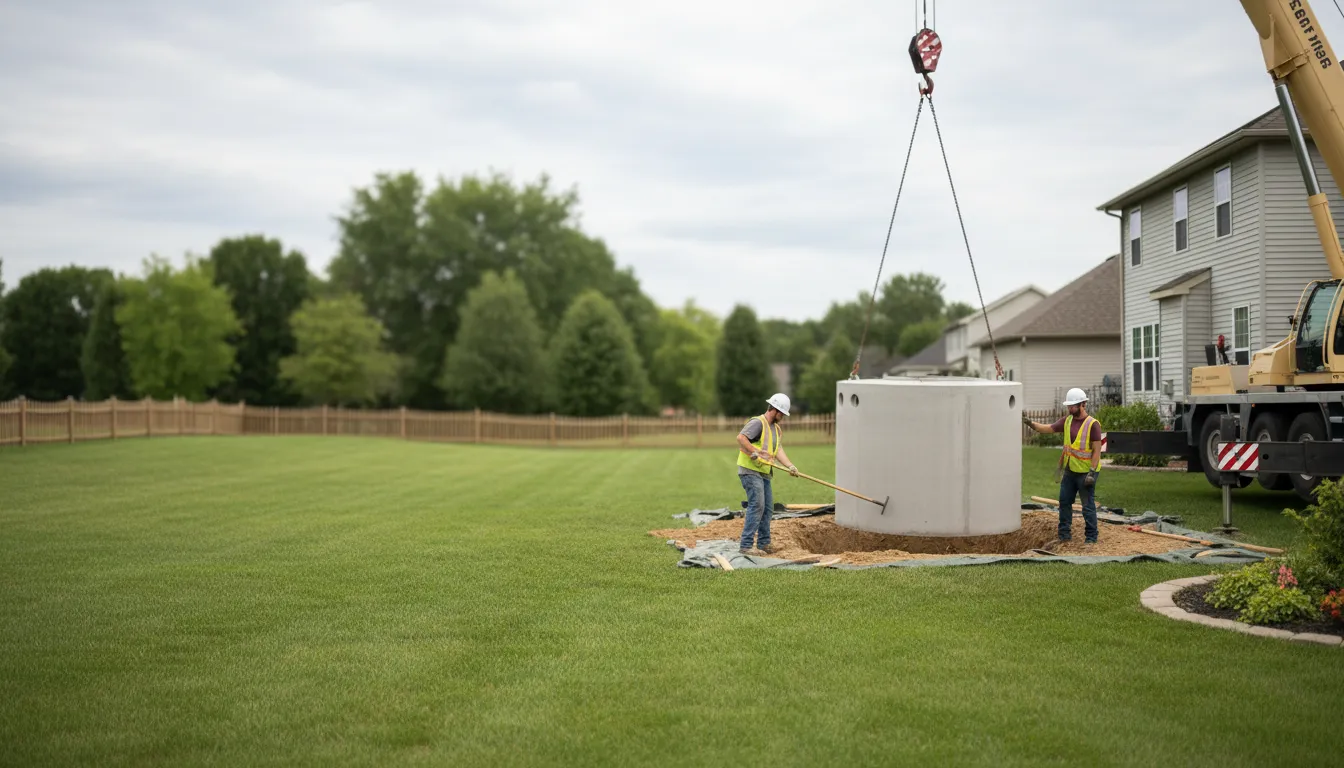
Find the Best Septic Tank Installation & Replacement Contractors for Your Business
No obligation • Fast responses • Nationwide coverage

Why you can trust Septic Spot
Septic Spot is a leading United States resource for understanding and comparing septic services. Our editors review providers using consistent criteria and verify key business details. Listings and scores are independent, and companies cannot pay to influence our content.
Search providers near you
Top Septic Tank Installation & Replacement Contractors in Round Rock, Texas Ranked
Installing or replacing a septic system is a significant investment in your property's long-term functionality and environmental health. In Round Rock, this process is governed by specific state and local regulations to protect groundwater and ensure system reliability. This guide explains the key steps, costs, and requirements for septic system installation and replacement in the area, helping you understand what to expect and how to connect with qualified local professionals for your project.
Synergy Onsite Septic Solutions
Austin, TX
Synergy Onsite Septic Solutions is a septic tank inspection, repair, and installation company based in Austin, TX. They serve Austin and Central Texas, including many surrounding communities. Their services include repairs, diagnostics, locating and marking septic systems, installation, replacements, maintenance contracts, and consulting. The company is known for providing accurate assessments and appropriate solutions to septic system issues, often helping customers avoid unnecessary repairs. They also offer assistance with inspection preparation and referrals for pumping and design services.
Aerobic Services
13341 W US Hwy, 290 Service Rd Bldg2 #B17, Austin, TX 78737
Aerobic Services is a septic tank pumping and installation company based in Austin, TX. Serving New Braunfels and the surrounding areas, they provide residential and commercial septic system services including installation, maintenance, and pumping. With over 20 years of experience since 1999, Aerobic Services has established itself as a significant wastewater service provider in Central Texas.
HomeField Williamson County
40203 Industrial Park Cir, Georgetown, TX 78626
HomeField Williamson County provides comprehensive septic system services in Austin, TX, covering residential and commercial needs. Their offerings include septic tank pumping, inspections, repairs, installations, drain field replacements, and system design. The company emphasizes local expertise and proactive maintenance plans to help prevent future problems. They serve Williamson County with a team familiar with local regulations and conditions, ensuring septic systems meet current requirements. HomeField also offers various maintenance plans tailored to different levels of coverage and support.
Godinez Septics Inc
5407 Phillips Cir, Austin, TX 78734
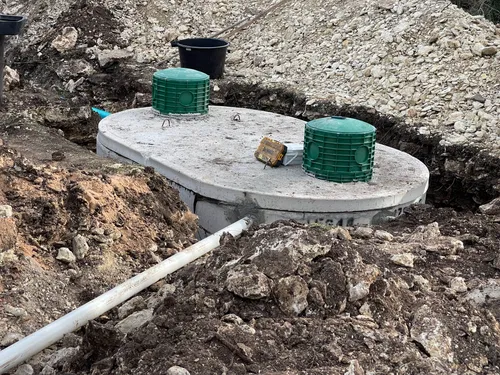
Godinez Septics Inc is a family-owned septic system company serving Austin, TX, and the surrounding Lake Travis area. They provide a range of services including septic tank pumping, inspection, repair, installation, and drain field replacement. The company is licensed by TCEQ for septic system maintenance and installation, offering specialized services such as aerobic system maintenance contracts and hydro-jetting to clear sewer lines. With over 40 years of experience in the septic and excavation business, Godinez Septics is led by Orlando Godinez, a longtime local resident and licensed installer.
Paramount Excavating, LLC
Round Rock, TX
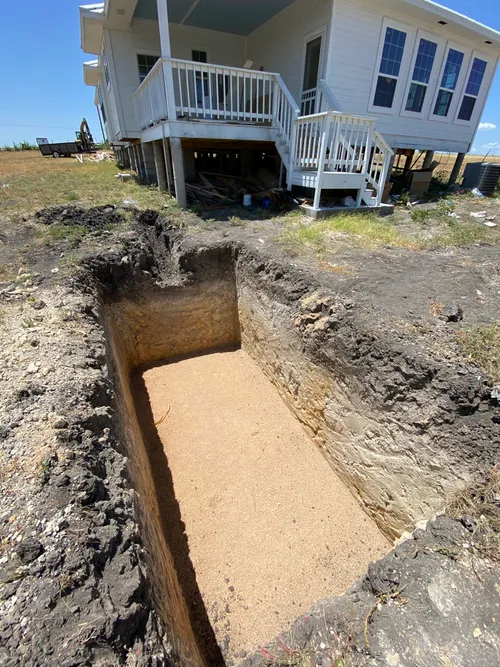
Paramount Excavating, LLC is a family-owned septic tank installation contractor based in Round Rock, TX. They serve Georgetown, Williamson County, and surrounding areas, providing licensed septic system installations and residential excavation services. Their team manages everything from permits to final inspections and prepares residential lots by clearing, grading, and leveling land to ensure proper drainage and foundation. With over 35 years of construction experience, Paramount Excavating emphasizes skilled workmanship and open communication throughout each project.
Understanding Local Septic System Regulations
In Texas, septic systems are formally known as On-Site Sewage Facilities (OSSFs). All installations and major replacements must comply with rules set by the Texas Commission on Environmental Quality (TCEQ). However, the day-to-day permitting and inspection are typically handled by a "local authorized agent." For homeowners, this means your first step is identifying the correct permitting authority based on your exact location 1.
Within the city limits of Round Rock, permits are obtained through the City of Round Rock Planning and Development Services Department. If your property is in Williamson County but outside the city limits, the county generally acts as the permitting authority. In some unincorporated areas, the TCEQ may have direct jurisdiction. A permit is legally required for any new construction, modification, or full replacement of a septic system.
The Critical First Step: Site Evaluation and Soil Testing
Before any design work can begin, a licensed Site Evaluator must perform a professional site evaluation. This is not a mere formality; it's a scientific assessment that determines what type of system your property can support.
The evaluator will test soil depth, texture, and permeability (often via a percolation or "perc" test) and assess the seasonal groundwater table. The results dictate the system design. In the Round Rock area, the soil presents a common challenge: it often contains heavy clay 2. Clay soil has very slow permeability, meaning it does not absorb liquid effluent quickly enough for a conventional drain field to function properly. Consequently, many properties in the region require an aerobic treatment system (ATS) with spray irrigation, which treats the wastewater to a much higher standard before dispersing it.
Types of Septic Systems Used in Round Rock
Understanding the two primary system types will help you grasp the potential cost and maintenance differences.
- Conventional Septic Systems: These consist of a septic tank and a subsurface drain field (trench or bed). They rely on anaerobic bacteria in the tank and the soil's natural filtering ability. Due to the prevalent clay soils, these systems are less common in Round Rock and may only be approved on sites with exceptionally suitable soil conditions 3.
- Aerobic Treatment Systems (ATS): This is the most common type installed in the area. An ATS uses an aerated chamber to encourage oxygen-loving bacteria, which break down waste solids more efficiently and produce a clearer, cleaner effluent. This treated effluent is then disinfected and sprayed over a designated area of your lawn via sprinklers. Because of the advanced treatment, these systems can be used in areas with poor soil or high groundwater 4.
The Installation and Permitting Process
Navigating the process smoothly requires understanding the sequence of events.
- Hire a Licensed Site Evaluator: Start by hiring a TCEQ-licensed Site Evaluator to conduct the official soil and site evaluation. Their report will recommend a system type.
- System Design: A licensed designer or engineer will create construction plans based on the evaluation report. These detailed plans are required for the permit application.
- Submit Permit Application: You or your chosen installer will submit the application, design plans, and the site evaluation report to the correct permitting authority (City of Round Rock or Williamson County). The permit fee is approximately $50 for city residents 5.
- Approval and Scheduling: Once the permit is approved, your licensed OSSF installer can schedule the construction. The installer must follow strict setback rules, keeping components specific distances from property lines, buildings, and water wells 6.
- Required Inspections: The permitting authority will conduct mandatory inspections at critical stages 7:
- Site Inspection: Before digging, to verify the installation location.
- Open Excavation Inspection: After the tank and trenches are dug but before they are backfilled with soil. This allows the inspector to verify sizing, placement, and construction.
- Final Inspection: After the system is fully installed and powered on. The inspector will test pumps, spray heads, and alarm systems to ensure everything operates correctly.
Find the perfect septic tank installation & replacement contractors for your needs
Get personalized recommendations and expert advice
Cost Breakdown for Septic System Projects
Costs can vary widely based on system type, property conditions, and tank size. Here is a general range based on available data for the Texas region, including Round Rock:
- Permit Fee: Around $50 (City of Round Rock) 8.
- Site Evaluation/Soil Test: $350 to $750.
- Conventional System Installation: $6,000 to $12,000 or more. This lower range is less common locally.
- Aerobic System (ATS) Installation: $12,000 to over $20,000. This is the more typical cost range for Round Rock due to soil conditions.
- Annual Aerobic System Maintenance Contract: Required for ATS systems, typically costing between $400 and $800 per year. This contract covers regular inspections, adjustments, and component servicing to keep the system compliant with state law.
Rules for System Replacement vs. Repair
Knowing the difference between a repair and a replacement is crucial, as it dictates whether you need a new permit.
- Full System Replacement: If you are removing and replacing the entire septic tank and drainage field, this is considered a new installation and requires a full permit process as outlined above.
- Emergency Repairs: Texas regulations allow for emergency repairs to be made to restore a malfunctioning system without an immediate permit. Examples include repairing a cracked pipe or a damaged tank baffle without removing the tank. However, you must report this repair to your local permitting authority within 72 hours of completing the work 9. They will determine if the repair was sufficient or if further action is needed.
Choosing a Licensed Installer in Round Rock
State law requires that the physical installation of an OSSF be performed by a licensed installer 10. When vetting local septic contractors, always verify their TCEQ license status. A reputable installer will:
- Pull the required permits.
- Schedule and coordinate all necessary inspections.
- Understand local soil challenges and have experience installing aerobic treatment systems.
- Provide a detailed written contract outlining the scope of work, system specifications, and total cost.
- For aerobic systems, offer or coordinate the required annual maintenance contract.
Long-Term Ownership and Maintenance
Once your new system is installed, proper maintenance is your responsibility as a homeowner. For aerobic systems, the state mandate for an annual maintenance contract provides essential professional oversight. For conventional systems, regular pumping every 3-5 years is critical. Always keep records of all inspections, pumpings, and repairs. Be mindful of what goes into your system-avoid flushing chemicals, grease, and non-biodegradable items-and conserve water to prevent overloading the drain field.
Frequently asked questions
Sources
Footnotes
-
What laws in Texas apply to septic systems? - Water School - https://brazos.org/about-us/education/water-school/articleid/349/what-laws-in-texas-apply-to-septic-systems ↩
-
Kendall County Septic Requirements: 2026 Permitting Guide - https://thegahmrealestateteam.com/kendall-county-septic-requirements-guide/ ↩
-
Texas Septic Tank Rules - https://dillonseptic.com/texas-septic-tank-rules/ ↩
-
Installing a Septic System at Your Home: What the Process ... - https://brighteyestexas.com/installing-a-septic-system-at-your-home-what-the-process-looks-like/ ↩
-
Texas Septic Systems & OSSF Requirements | 2026 Guide - https://texaslandbrokerage.com/resources/texas-septic-systems-ossf-requirements-guide/ ↩
-
Getting a Permit for an OSSF - Such as a Septic System - Texas Commission on Environmental Quality - https://www.tceq.texas.gov/permitting/ossf/ossfpermits.html ↩
-
30 Tex. Admin. Code § 285.32 - Criteria for Sewage Treatment ... - https://www.law.cornell.edu/regulations/texas/30-Tex-Admin-Code-SS-285-32 ↩
-
Homeowner Projects - City of Round Rock - https://www.roundrocktexas.gov/city-departments/planning-and-development-services/building-inspection/homeowner-projects/ ↩
-
Advice for an Owner of an On-Site Sewage Facility (Septic System) - https://www.tceq.texas.gov/permitting/ossf/ossfadvice.html ↩
-
Basics for Septic Systems - https://www.tceq.texas.gov/assistance/water/fyiossfs.html ↩