
Find the Best Septic Tank Installation & Replacement Contractors for Your Business
No obligation • Fast responses • Nationwide coverage

Why you can trust Septic Spot
Septic Spot is a leading United States resource for understanding and comparing septic services. Our editors review providers using consistent criteria and verify key business details. Listings and scores are independent, and companies cannot pay to influence our content.
Search providers near you
Top Septic Tank Installation & Replacement Contractors in Lubbock, Texas Ranked
Installing or replacing a septic system is a significant investment in your property's long-term functionality and environmental health. In Lubbock, this process is governed by specific local and state regulations to protect the region's groundwater. This guide explains the critical steps, costs, and local considerations for septic tank installation and replacement, helping you understand what to expect and how to connect with qualified local professionals for your project.
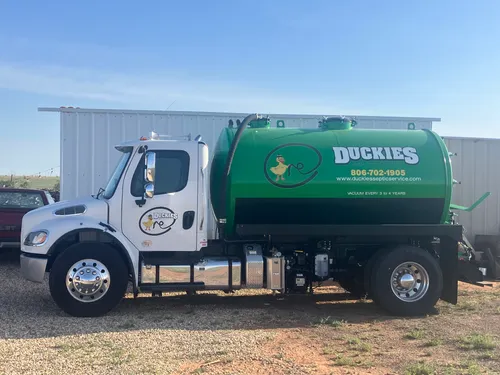
Duckies Septic Service
130 Leon, Lubbock, TX 79407
Duckies Septic Service is a family-owned company based in Lubbock, TX, offering a range of septic system services. They provide septic tank pumping, vacuuming, sewer pipe jetting, new septic system installations, and plumbing repairs. Serving Lubbock, Smyer, and surrounding areas, they bring over 17 years of plumbing experience to the septic industry. Their licensed team focuses on efficient and reliable solutions tailored to residential septic needs.
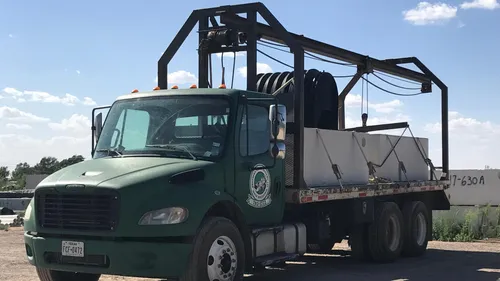
Brothers Septic Systems LLC
6406 County Rd 6300, Lubbock, TX 79416
Brothers Septic Systems LLC is a veteran-owned company based in Lubbock, TX, providing residential and commercial septic system repairs, installations, and maintenance. Serving West Texas for over 35 years, they specialize in septic system services backed by one-year limited warranties. The company is also a septic system manufacturer and has a strong record of projects passing state inspections.
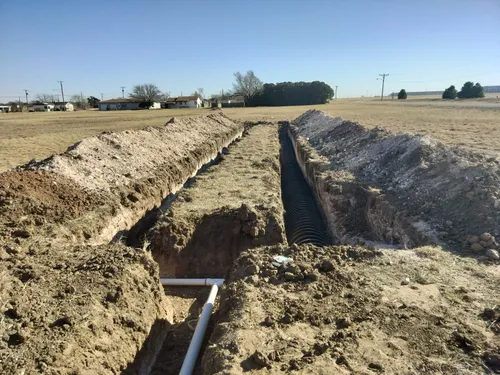
Rezos llc Septics
Lubbock, TX
Rezos LLC Septics is a family-owned septic tank installation contractor based in Lubbock, TX. They provide septic system installations and related services across Lubbock and surrounding counties including Potter, Parmer, Crosby, Ector, Cochran, and Dawson. The company emphasizes quality by compacting pea gravel beneath and around septic tanks to prevent uneven settling and sinkholes. With 10 years of heavy equipment operation experience and 4 years specifically in septic installation, Rezos LLC ensures durable and reliable septic systems through licensed professional oversight.
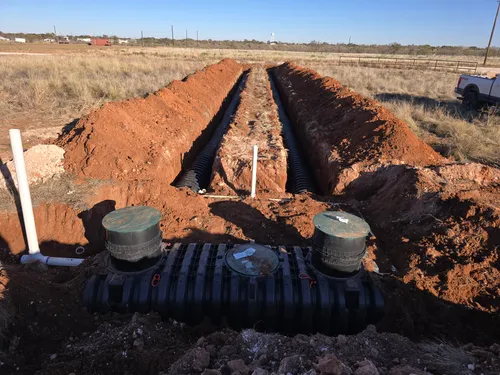
Red Dirt Ditching and Septic LLC
4310 Private Rd 1040 Lot C, Lubbock, TX 79407
Red Dirt Ditching and Septic LLC is a septic system repair and installation company based in Lubbock, TX. They offer a range of contractor services including septic system installation and repair, excavation, demolition, concrete work, and site preparation. The company emphasizes thorough system design and careful installation using high-quality materials to ensure reliable performance. Their expertise covers both residential and commercial septic systems, along with professional excavation and demolition services.
NCS septic systems
Lubbock, TX
NCS Septic Systems is a septic system repair and installation company based in Lubbock, TX. They offer professional services for both new septic tank installations and repairs, handling complex projects with experienced workmanship. The company emphasizes client satisfaction and brings decades of expertise to their work.
Understanding Lubbock's Septic System Regulations
All on-site sewage facility (OSSF) work in Lubbock County requires oversight from local permitting authorities, typically the Lubbock County Public Works department or the City Health Department. Before any construction begins, a formal permit must be issued. The process is designed to ensure systems are safe and effective, involving a site evaluation, a submitted design, payment of a permit fee, and finally, authorization to construct 1. Crucially, all installation or major repair work must be performed by a Texas Commission on Environmental Quality (TCEQ)-licensed installer or a professional engineer 2. Even for properties over ten acres, which may be exempt from some steps, a professional site evaluation is still a mandatory requirement 1.
The Critical First Step: Professional Site Evaluation
The entire design of your septic system hinges on a proper site evaluation. A TCEQ-certified Site Evaluator must conduct a soil profile test to determine key factors like soil permeability and the depth to groundwater 3. This percolation, or "perc," test is non-negotiable. In the Lubbock area, heavy clay soil is very common 4. Clay has slow permeability, meaning it doesn't absorb liquid wastewater efficiently. As a result, a standard conventional septic system with simple absorption trenches is often not viable. The site evaluation will determine if your property requires a more advanced-and more expensive-aerobic treatment unit (ATU) to properly treat and disperse effluent.
System Types & Cost Considerations for Lubbock Homes
The type of system your property can support is the primary driver of cost. Based on local soil conditions and regulations, here's what Lubbock homeowners can expect:
- Conventional Septic System: If your site evaluation approves it, a conventional system consists of a tank and a subsurface drain field. Total installed costs typically range from roughly $8,500 to $13,500 or more. This includes approximately $4,000-$7,500 for materials and $4,000-$6,000 for labor.
- Aerobic Treatment System: Often required for Lubbock's clay soils, an aerobic system includes a tank that uses oxygen to break down waste more thoroughly, followed by a spray irrigation field. These systems are more complex, with total installation costs ranging from $16,000 to $28,000 and beyond 5. This breaks down to about $10,000-$16,000 for the system components and $6,000-$9,000 for specialized labor.
Remember, these figures are for the system itself. You must also budget for the required permit fees, which in Lubbock County generally cost between $360 and $600 6 7.
Find the perfect septic tank installation & replacement contractors for your needs
Get personalized recommendations and expert advice
The Installation & Inspection Process
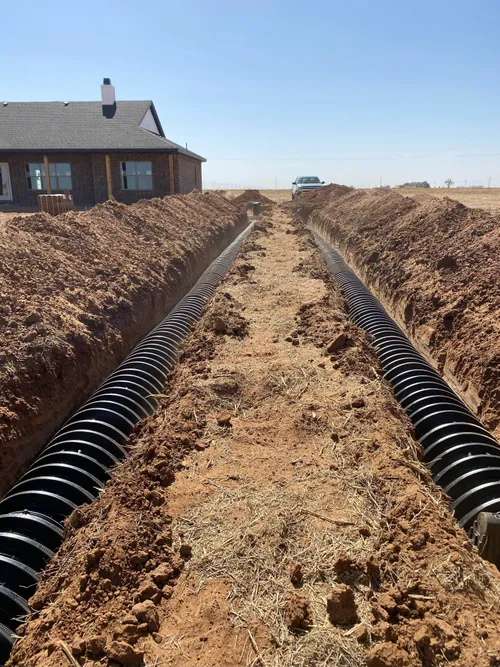
Once you have your permit and a licensed installer, the physical installation begins. This involves excavating for the tank and drainage field, placing the tank, and connecting all piping. A critical milestone is the pre-cover inspection. Before the system is backfilled with soil, a county inspector will visit to check the tank's placement, the slope of all pipes, and the connections between components 8. Your installer is responsible for notifying the permitting authority at least five working days before this inspection is needed 8.
After the system is buried, a final inspection is conducted. For aerobic systems, this includes operational tests on pumps, alarms, and spray heads to ensure everything functions correctly 9. Passing these inspections is essential for final approval and closing out your permit.
When Replacement is Necessary
Replacing a failed or aging septic system follows the exact same permitting and inspection protocol as a new installation 10. If a system has failed due to soil issues or an outdated design, the replacement is not a simple "tank-for-tank" swap. A new site evaluation and design are mandatory. In many cases in Lubbock, replacing an old conventional system that failed in clay soil will require installing a new aerobic treatment unit to meet current standards and ensure long-term functionality 10.
Choosing a Licensed Professional
Given the technical and regulatory complexity, selecting the right contractor is paramount. Always verify that any professional you consider holds a current TCEQ license for septic system installation. They should be intimately familiar with Lubbock County's specific paperwork, inspectors, and common soil challenges. A reputable provider will handle the permit application, coordinate the site evaluator, and manage the inspection scheduling on your behalf.
Long-Term Care for Your New System
A properly installed system is just the beginning. Protecting your investment requires responsible maintenance. For aerobic systems, this includes regular servicing (often quarterly) to check pumps, aerators, and alarms, as mandated by TCEQ regulations. All systems require periodic pumping of the tank every 3-5 years, depending on usage. Avoid pouring harsh chemicals, grease, or non-biodegradable materials down the drain, and never drive or build over your drain field or spray area.
Frequently asked questions
Sources
Footnotes
-
Getting a Permit for an OSSF - Such as a Septic System - Texas Commission on Environmental Quality - https://www.tceq.texas.gov/permitting/ossf/ossfpermits.html ↩ ↩2
-
Basics for Septic Systems - https://www.tceq.texas.gov/assistance/water/fyiossfs.html ↩
-
Septic System Approval: Percolation Test & Expert Guidance - https://smartsepticpros.com/blog/how-to-do-a-percolation-test/ ↩
-
Kendall County Septic Requirements: 2026 Permitting Guide - https://thegahmrealestateteam.com/kendall-county-septic-requirements-guide/ ↩
-
Average Cost to Install Septic System in Texas - https://dillonseptic.com/average-cost-to-install-septic-system-in-texas/ ↩
-
Public Works/Road and Bridge / Lubbock County, Texas - https://www.lubbockcounty.gov/department/index.php?structureid=33 ↩
-
Average Cost to Install Septic System in Texas - https://dillonseptic.com/average-cost-to-install-septic-system-in-texas/ ↩
-
Texas Commission on Environmental Quality - https://www.tceq.texas.gov/downloads/rules/current/21030285_pro.pdf/@@download/file/21030285_pro.pdf ↩ ↩2
-
Installing a Septic System at Your Home: What the Process ... - https://brighteyestexas.com/installing-a-septic-system-at-your-home-what-the-process-looks-like/ ↩
-
Texas Septic Tank Rules - https://dillonseptic.com/texas-septic-tank-rules/ ↩ ↩2